By TechCrunch Editorial Staff Updated: July 18, 2026, 12:30 PM PDT
Executive Summary: A City Briefly Halted
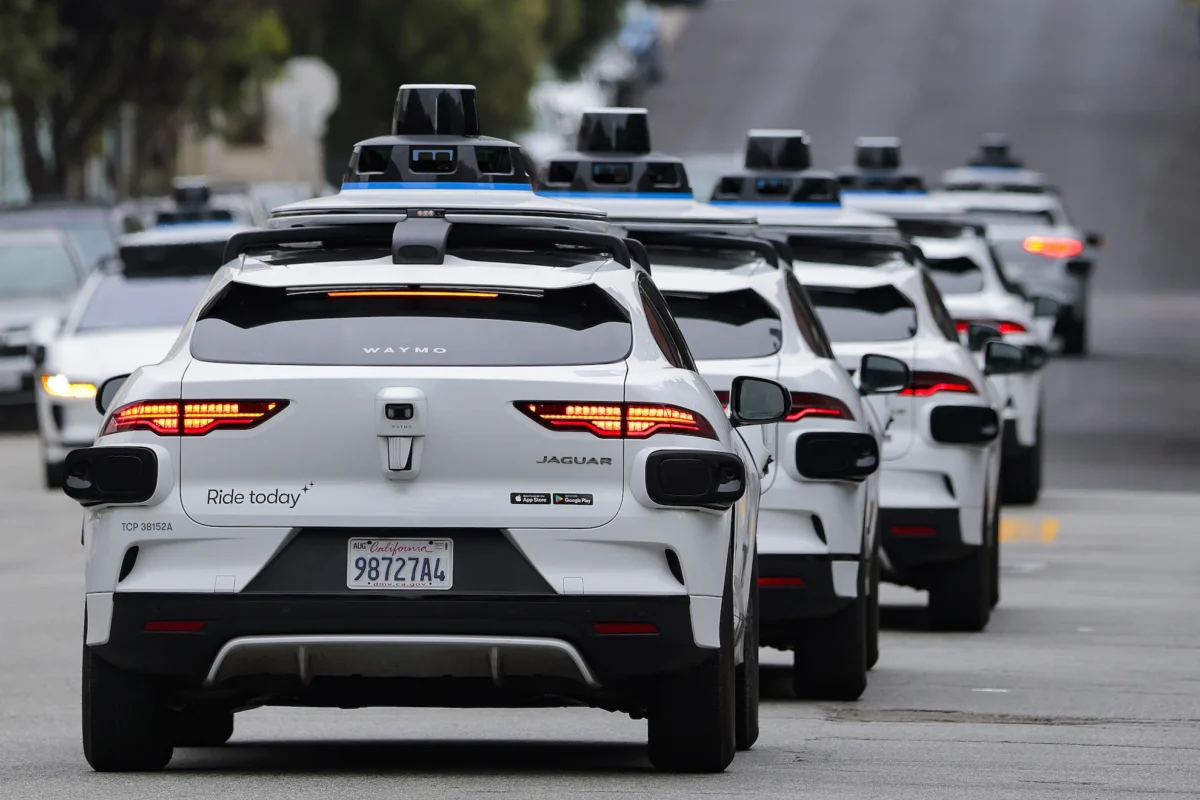
Waymo, the Alphabet-owned autonomous vehicle (AV) pioneer, has officially resumed its robotaxi operations in San Francisco after a brief but significant service suspension earlier today. The pause was triggered by a major power outage that impacted approximately 7,000 PG&E customers across the city, complicating the navigation and connectivity infrastructure that these driverless vehicles rely upon. While the disruption was limited to roughly one hour, the incident serves as the latest flashpoint in the ongoing debate regarding the integration of autonomous technology into the complex, often unpredictable urban landscape of San Francisco.
Chronology of the Incident: From Blackout to Resumption
The disruption began mid-morning on July 18, 2026, as PG&E reported a substantial power grid failure affecting several neighborhoods. The timing was critical, as thousands of commuters and tourists were utilizing Waymo’s fleet to navigate the city.
By midday, users attempting to hail a ride via the Waymo mobile application were met with an unexpected notification. Screenshots circulated on social media platforms, including X (formerly Twitter), showed that the company had proactively "temporarily paused" service. Furthermore, users were informed that specific "freeway routes" were entirely unavailable—a direct result of the traffic management and connectivity challenges posed by the localized blackout.
Waymo’s internal operations team acted quickly, initiating a precautionary "safety hold" to assess the impact of the grid failure. During this period, the company worked to monitor local traffic conditions and coordinate with city officials to ensure that any vehicles currently in transit could reach their destinations safely or find secure pull-over locations. By early afternoon, the company confirmed that the assessment was complete and that full operations had resumed across all previously affected service areas.
Supporting Data and Historical Context
This is not the first time that San Francisco’s aging infrastructure or unexpected city-wide events have intersected with Waymo’s autonomous operations. The company’s history in the city is marked by several notable service interruptions, which have become a growing point of contention for local regulators.
December 2025: A widespread blackout led to a series of stalled robotaxis, creating significant traffic bottlenecks on major thoroughfares. That incident marked one of the first major public tests of how the fleet handles grid-level failure.
July 2026 (Fourth of July): Just weeks ago, a similar incident occurred during the city’s Independence Day celebrations. The sheer volume of traffic and the logistical chaos surrounding the Golden Gate Bridge fireworks show caused a paralysis in the autonomous fleet, forcing vehicles to halt in ways that disrupted emergency services and general traffic flow.
These recurring events have created a pattern that critics describe as a "logistical vulnerability." While Waymo emphasizes that its vehicles are designed with failsafes—including the ability to pull over safely if connectivity or sensor data becomes unreliable—the reality of a vehicle "freezing" in the middle of a busy intersection during a blackout is a public relations and safety challenge that the company has struggled to fully mitigate.
Official Responses: The Corporate and Political Divide
The tension surrounding the latest outage has drawn immediate responses from both the private and public sectors.
The Waymo Perspective
In an official statement provided to TechCrunch, a Waymo spokesperson clarified the company’s decision-making process:
"We are making temporary adjustments to our service while we monitor local conditions. We know riders depend on us, and we will return to normal operations as soon as possible. We decided to pause service for approximately one hour to assess the scale of the power outage affecting a large portion of San Francisco and to coordinate with local officials."
The company maintains that its decision to pause was a proactive safety measure rather than a failure of the technology itself. By removing the vehicles from the road, Waymo argues it prevented potential hazards that could have arisen from unpredictable traffic light behaviors or cellular network degradation caused by the power loss.
The Political Stance: Mayor Lurie’s Push for Regulation
The political climate in San Francisco has become increasingly hostile toward autonomous vehicle companies in the wake of these incidents. Mayor Daniel Lurie, who has been vocal about the need for greater oversight, responded to the latest disruption with a firm call for action.
Mayor Lurie has formally petitioned the state’s regulatory bodies, including the California Public Utilities Commission (CPUC) and the Department of Motor Vehicles (DMV), to implement more stringent requirements for AV operators. In his public remarks, the Mayor emphasized that the city’s infrastructure cannot be treated as a testing ground for experimental technology during times of crisis.
"We need to adequately address how autonomous vehicles operate during major incidents, planned or not," Mayor Lurie stated. His proposed regulations suggest that AV companies should be required to have "real-time disaster response protocols" that include direct, automated communication with the San Francisco Municipal Transportation Agency (SFMTA) and emergency services during city-wide outages.
Implications: The Future of Urban Autonomy
The July 18 outage brings several critical questions to the forefront of the urban technology debate.
1. Connectivity and Grid Dependency
Robotaxis are heavily reliant on high-bandwidth, low-latency cellular connectivity and accurate map data. When power grids fail, cellular towers can experience signal degradation or total failure. If a fleet of thousands of vehicles relies on constant updates from the cloud, the "smart city" model becomes incredibly fragile. The industry must now determine if these vehicles require more robust, offline, or localized edge-computing capabilities to function independently of city-wide infrastructure.
2. The Regulatory Tug-of-War
California has long been the epicenter of autonomous vehicle development. However, the balance between innovation and public safety is shifting. The state is currently facing a dilemma: continue to foster a lucrative tech sector that provides thousands of jobs and a futuristic transit model, or cave to the pressures of local governments that demand stricter control over the "behavior" of these vehicles. The outcome of Mayor Lurie’s push for regulation will likely set a precedent for other major U.S. cities, such as Los Angeles and Phoenix, that are also grappling with autonomous fleets.
3. Public Trust
Public sentiment remains divided. While thousands of San Franciscans rely on Waymo for daily commutes and find the service to be a reliable alternative to traditional ride-sharing, the "frozen vehicle" narrative creates a sense of unease. For Waymo, the challenge is not just technical—it is psychological. Every time a robotaxi stalls, it reinforces the narrative that these machines are not yet "street smart" enough to handle the chaotic, unpredictable nature of a major metropolitan area.
Conclusion
As the sun sets on July 18, 2026, Waymo vehicles are once again circulating through the streets of San Francisco, seemingly unaffected by the morning’s grid crisis. The company has demonstrated its ability to recover quickly from localized disruptions, yet the underlying concerns regarding the interaction between autonomous fleets and city infrastructure remain unresolved.
For the residents of San Francisco, the robotaxi is a symbol of the future. For the regulators, it is a problem that requires a more robust legislative framework. As technology continues to outpace policy, the next major incident—whether it be a power outage, a natural disaster, or a protest—will be the true litmus test for whether autonomous vehicles can truly become a permanent, reliable fixture of urban life. The industry must move beyond "temporary adjustments" and toward a more resilient, integrated, and transparent operational model if it hopes to win the long-term support of both the city government and the public at large.



 Asep Darmawan
 Siti Muinah
 Ali Ikhwan
