

By James Ford
Published September 15, 2026
Main Facts
Released on September 15, 2026, exclusively for the PlayStation 5, Marvel’s Wolverine marks a dramatic, bloody departure from Insomniac Games’ critically acclaimed Spider-Man trilogy. Trading the family-friendly, PG-adjacent acrobatics and web-slinging of Peter Parker and Miles Morales for a starkly mature narrative, the 20-hour campaign immerses players in a relentless, linear journey starring James "Logan" Howlett.
Unlike Insomniac’s sprawling open-world New York titles, Wolverine focuses heavily on a tightly wound, narrative-driven structure from mission to mission. Logan’s signature gameplay loop involves plunging his foot-long adamantium claws directly into the guts of countless adversaries, vividly painting the environment in crimson.
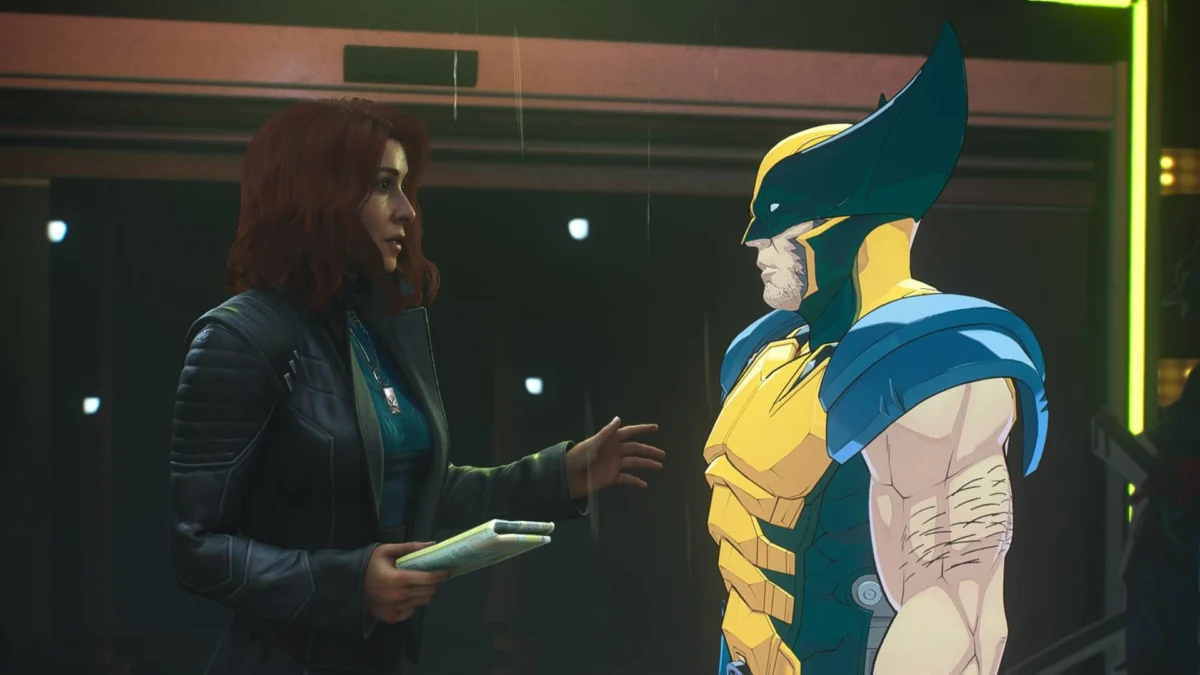
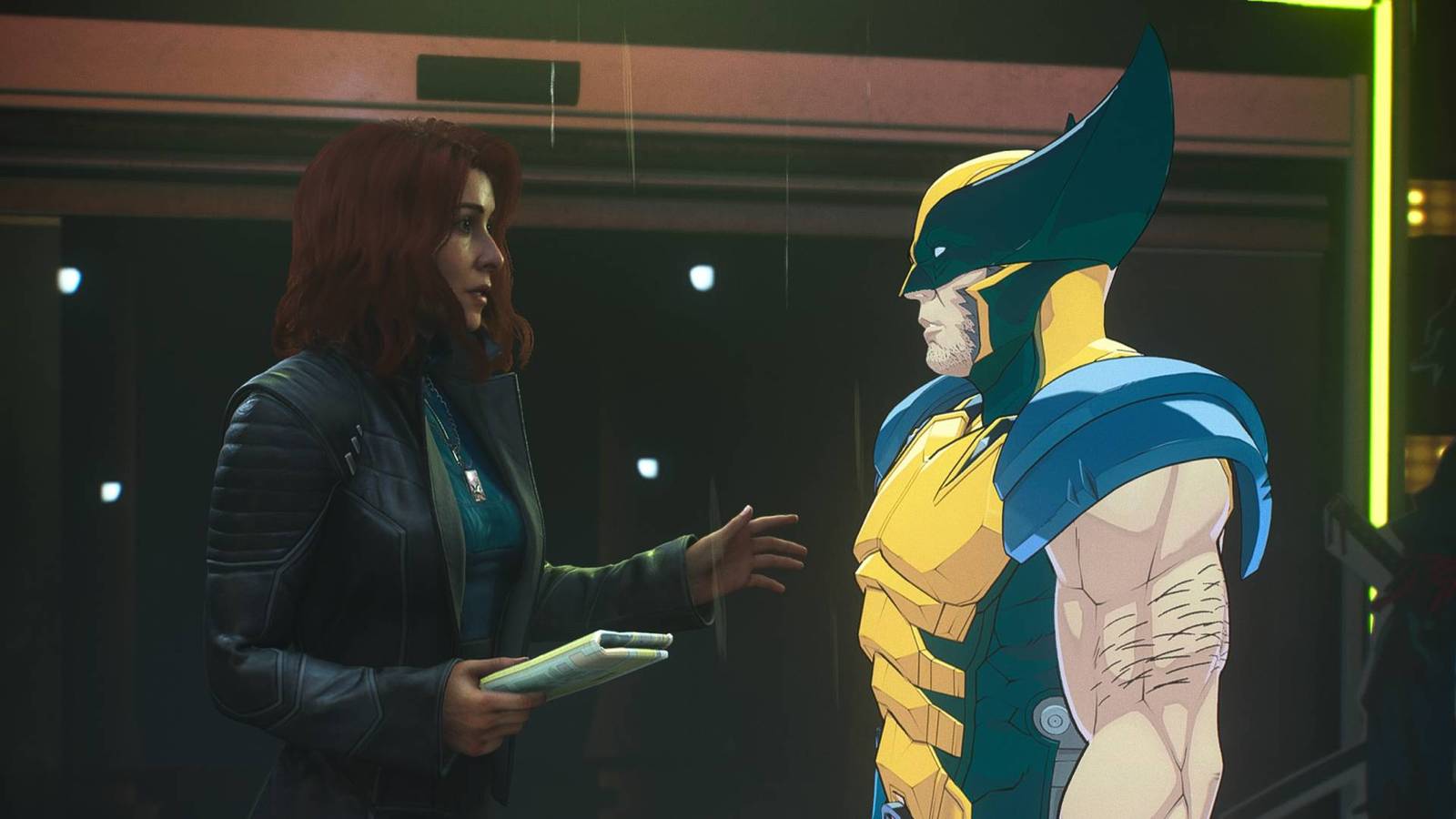
Yet, despite the title’s heavy exploration of trauma, identity, and unbridled rage, players are given access to unlockable cosmetic suits—including the Marvel Tokon: Fighting Souls and the classic Animated outfits. Featuring bright, bold, cel-shaded art styles, these cosmetic choices inject a cartoonish aesthetic into a photorealistic, grim world. Worn during deep emotional beats, devastating betrayals, and ultra-violent executions, these stylized suits have quickly sparked fierce debates across the gaming community regarding ludonarrative dissonance and visual tone.
Chronology
To understand how these stylistic clashes occur, it helps to trace the progression of Marvel’s Wolverine and its cosmetic systems:
- Pre-Release Anticipation (2021–2025): Following the massive success of Marvel’s Spider-Man, Insomniac Games teased a darker, more visceral corner of the Marvel Universe. Trailers consistently emphasized a gritty tone, atmospheric lighting, and heavy themes of internal conflict.
- Launch Day (September 15, 2026): Marvel’s Wolverine arrives on PlayStation 5. Players dive into the roughly 20-hour campaign, which trades open-world wandering for linear, tightly choreographed pacing. Early criticism surfaces online regarding the game’s reliance on quick-time events (QTEs) and visual navigation prompts.
- Early-Game Progression & Suit Unlocks: As players advance through initial chapters—taking Logan from foreign locales to the neon-lit streets of Tokyo—they unlock various cosmetic suits through in-game progression and crafting materials.
- The Tokon and Animated Discovery: Players eager to test out newly unlocked rewards craft the Marvel Tokon: Fighting Souls and Animated cell-shaded skins. Almost immediately, users notice a jarring juxtaposition when taking these cartoonish avatars into solemn cutscenes.
- Post-Launch Discourse (Late September 2026): Social media platforms and review sites begin highlighting the stark tonal whiplash. Gamers share screenshots of Logan in his bright, flatly shaded cartoon outfits standing over blood-soaked combat arenas, sparking widespread debate about whether optional cosmetic freedom ultimately hurts dramatic immersion.
Supporting Data and Technical Context
Insomniac Games has built a reputation for industry-leading technical fidelity, and Marvel’s Wolverine is no exception. The title pushes the PlayStation 5 hardware to its limits by rendering advanced physics, complex lighting systems, and hyper-detailed character models. For instance, the default character design features meticulously rendered elements—including thousands of individually simulated hairs on Logan’s famously exposed chest.
However, the inclusion of the Marvel Tokon: Fighting Souls and Animated suits strips away these sophisticated graphical showcases in favor of stylized textures, heavy line work, and flat lighting approximations. While technically impressive in their own right as artistic tributes to traditional 2D animation and fighting game aesthetics, they bypass the game’s modern rendering pipeline.
When placed into environments crafted around ray-traced reflections, dynamic shadows, and heavy particulate effects like rain, smoke, and arterial spray, the cel-shaded costumes stand out like a neon sign in a dark alley. The mathematical contrast between the environment’s gritty photorealism and the suits’ stark 2D geometry creates a visual dissonance that some players find delightful, but many others find profoundly distracting.
Narrative Implications and Critical Moments
The primary friction point surrounding these costumes isn’t merely aesthetic—it is deeply emotional. Marvel’s Wolverine is a psychological thriller masquerading as an action game. Logan’s character arc revolves around fighting his inner demons, suppressing his bloodlust, and grappling with a forgotten, violent past he wishes to outrun.
The Tokyo Fallout
Early in the campaign, Logan finds himself in Tokyo alongside Jean Grey, who serves as his romantic interest and moral anchor. Following a tense sequence, the two experience a bitter falling out on the rain-slicked, moody streets of the city.

Players who equipped the newly unlocked Marvel Tokon: Fighting Souls suit out of curiosity found themselves completely pulled out of the experience. Watching a deeply serious, gut-wrenching argument play out while Wolverine looked like a flatly rendered Saturday morning cartoon character drained the scene of its dramatic weight.
Nightmares and Betrayals
Later narrative milestones amplify this tonal clash. In one particularly harrowing sequence, Logan suffers a nightmarish episode where he nearly stabs Jean in a fit of feral panic. In another devastating narrative beat, Wolverine is forced into lethal combat with his long-time friend and fellow mutant Walter Langkowski, better known as Sasquatch.
Experiencing these tragedies—where blood stains the snow and Logan’s face contorts in genuine agony—while dressed in bright, bobble-head-esque cel-shaded gear turns tragedy into unintentional farce. The character looks ridiculous barking lines about trauma and redemption through a stylized cartoon snout.
Official Responses and Developer Intent
Insomniac Games has not formally altered or restricted the use of these suits, defending the philosophy of player choice. Developers have long maintained that cosmetic unlockables in superhero games should cater to diverse fan fantasies.
During the promotional cycle for their Spider-Man games, Insomniac frequently championed alternative suits—including cel-shaded outfits like the Vintage Comic Book suit—as a love letter to the character’s comic book roots. In those titles, cartoonish outfits blended seamlessly into a vibrant, high-flying, optimistic New York City where Peter Parker frequently quips mid-battle.
However, industry analysts note that Insomniac may not have fully anticipated how violently those same design philosophies would clash with a mature, blood-soaked, R-rated narrative. While the studio provides these outfits as entirely optional fan service—players do not have to craft or equip them—their existence in the wardrobe menu serves as a temptation that, once chosen, fundamentally warps the storytelling experience.
Broader Implications for Mature Superhero Gaming
The debate surrounding Marvel’s Wolverine touches on a broader question facing modern game developers: How much freedom should players have over visual tone in narrative-driven experiences?
For decades, open-world and action titles have leaned heavily into cosmetic customization, allowing players to dress serious protagonists in ridiculous outfits for comedic relief. In games like Grand Theft Auto or Saints Row, tonal inconsistency is often the point. But as superhero games mature into prestige television-style storytelling—tackling complex themes of grief, violence, and identity—the tolerance for ludonarrative dissonance shrinks.
Marvel’s Wolverine proves that transitioning iconic comic book characters into prestige, adult-oriented video game formats requires a delicate balance. While optional skins are a staple of the medium, developers moving forward may need to consider implementing tone-locking filters or narrative warnings for cosmetics that actively undermine the emotional architecture of a campaign. Until then, players stepping into Logan’s shoes will have to decide for themselves: do they want a grounded, heart-wrenching cinematic experience, or do they want to watch a cel-shaded cartoon dismember mercenaries in 4K?
 Basiran
 Nana Muazin
 Layla Zulfa
