

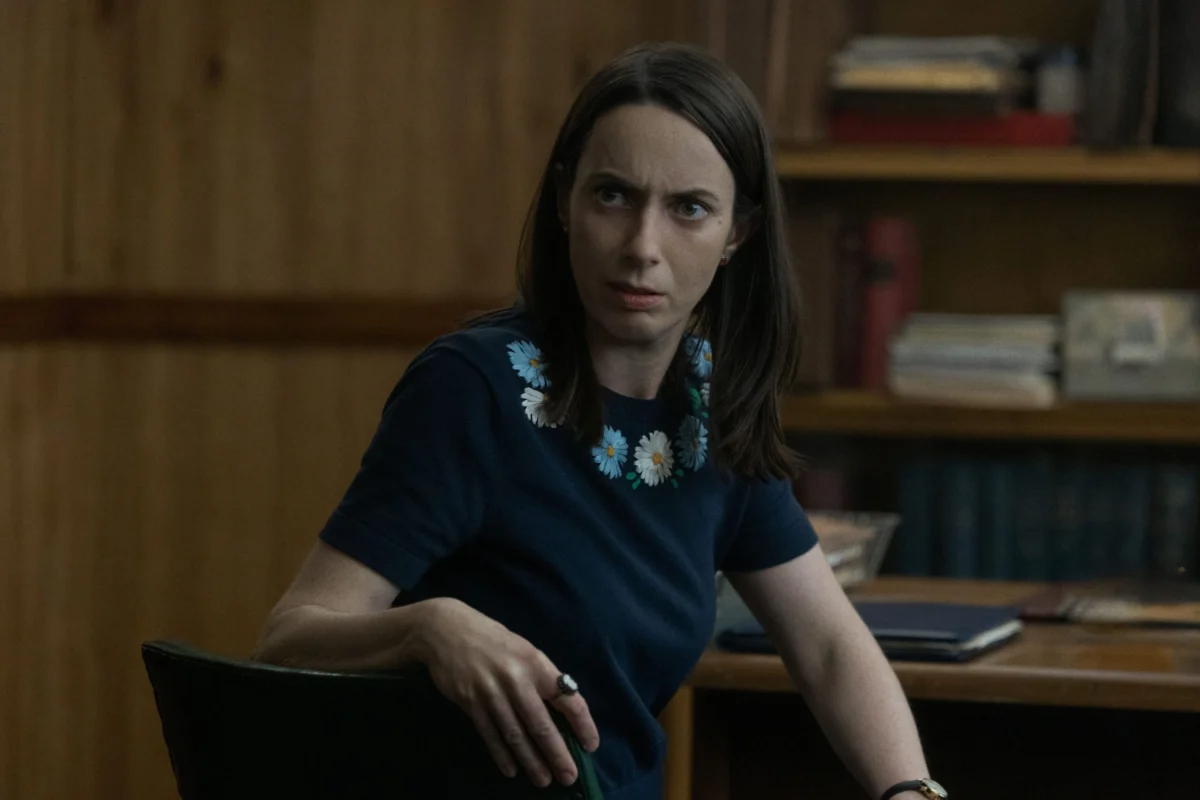
The inaugural season of Apple TV’s breakout horror-comedy Widow’s Bay has officially drawn to a close, leaving audiences reeling from a finale as sharp and cynical as the town’s own cursed history. Titled "We Hope You Enjoyed Your Time!", the final episode serves as a masterclass in tonal whiplash, balancing the grotesque reality of sea hags and slashers against the desperate, often selfish political maneuvering of Mayor Tom Loftis, played with magnetic detachment by Matthew Rhys.
While the residents of the island town may have had their summer ruined by supernatural carnage, the audience has been treated to what is widely considered one of the most compelling television debuts of 2026. As the dust settles on the season 1 finale, executive producer and director Hiro Murai—who helmed the premiere and the climactic final episodes—has stepped forward to provide a definitive breakdown of the show’s narrative choices and what the future holds for the cursed coastal enclave.
The Mythology of Malice: A Chronology of the Curse
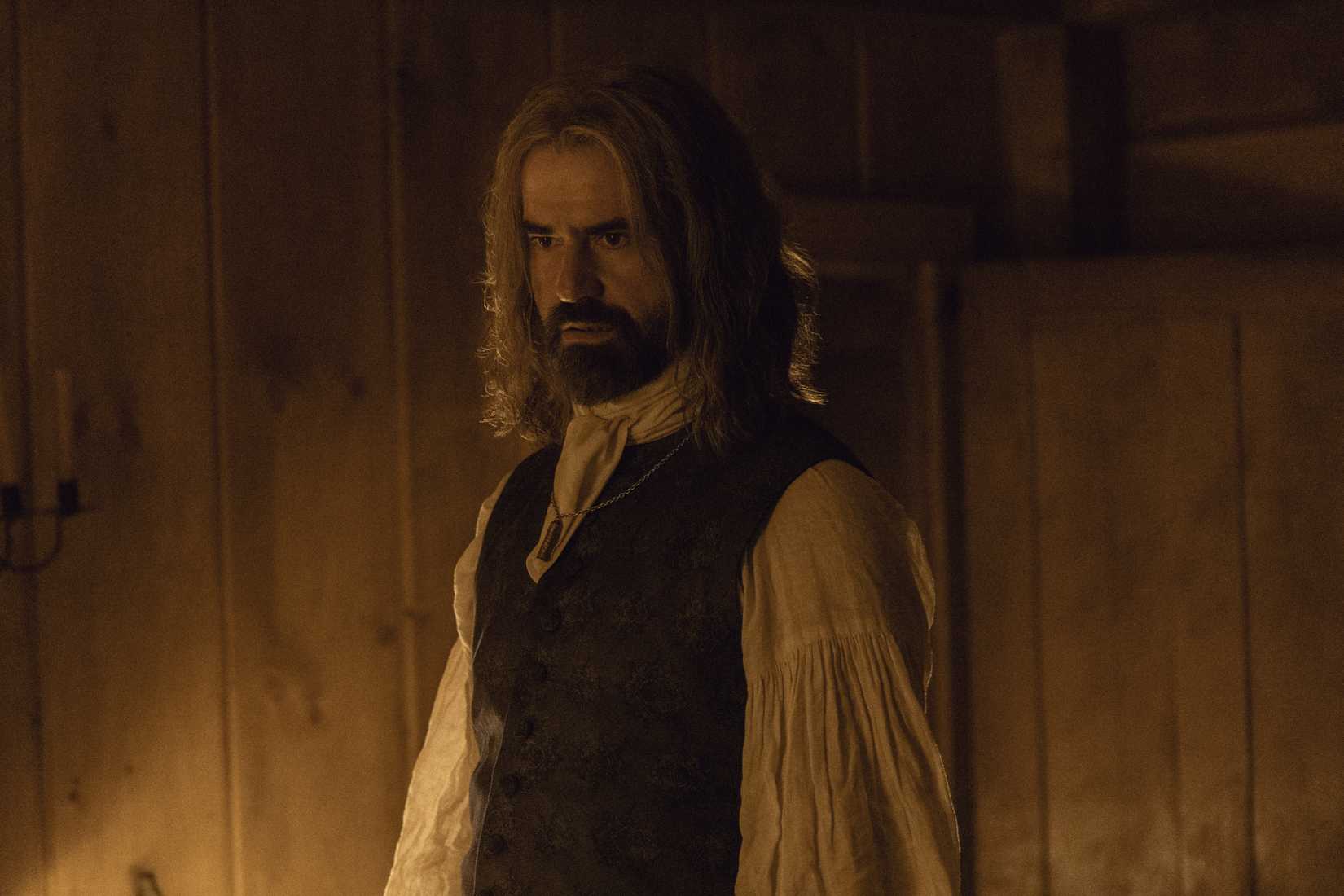
To understand the weight of the finale, one must look back at the season’s slow-burn revelation. By the sixth episode, the series peeled back the layers of the town’s grim foundation: a 400-year-old blood pact between the devil and the town’s original patriarch, Richard Warren (Hamish Linklater). This bargain did more than grant Warren immortality; it tethered the town’s prosperity to a cycle of recurring horror.
In a desperate bid for normalcy—or, more accurately, a bid for political stability—Mayor Loftis and his associate Wyck Crawford (Stephen Root) exhumed Warren’s remains in episode 7, effectively "killing" the immortal founder. The characters, and the audience, were led to believe the curse had been severed.
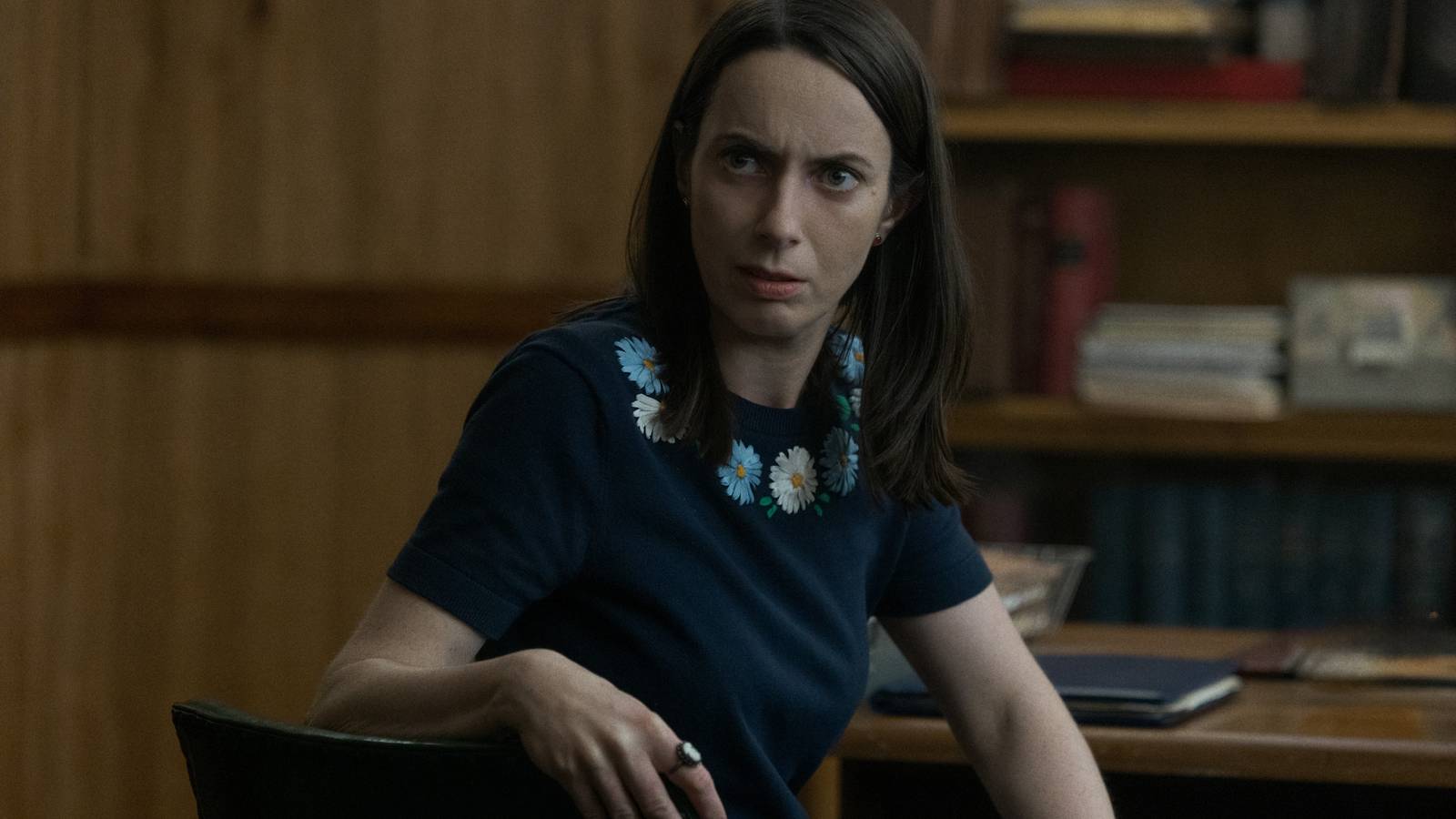
However, the finale revealed the naivety of that assumption. As the storm rolled in, pinning the townspeople in an eerie shelter, the true cost of the curse came to light. The "monster" wasn’t just a singular entity; it was a lineage. The bloodline of Richard Warren persisted, hidden in plain sight. In a stunning twist, the elderly, unassuming town secretary, Ruth Livingston (K Callan), was revealed to be the final link. The discovery that Tom’s own late wife was Ruth’s daughter—and that his son, Evan, is the final carrier of the Warren blood—turned the season’s climax into a deeply personal tragedy. The decision by Sheriff Bechir Clemmons (Kevin Carroll) to execute Ruth to save his own family, while Mayor Loftis chooses to bury the truth about his son, serves as the dark, moral anchor of the series.
A Psychological Character Arc Over Spectacle
For many, the finale might have felt like a cliffhanger, but for Hiro Murai, the episode was designed as a thematic conclusion. When asked about the resolution, Murai emphasized that Widow’s Bay was never intended to be a simple "monster-of-the-week" procedural.
"I’ve always thought about this show as a story about Tom’s relationship to the town," Murai explained. "The throughline for the whole season is Tom accepting that this place is what it is. Even though we don’t get into the minutia of what ultimately that thing is underneath the island, and whether we’re going to save this town or not, really the arc is whether Tom can accept the reality of this place, and if he’s willing to do what it takes to sort of protect it. To me, it felt like a satisfying character arc."
Murai’s vision for the show centers on the cyclical nature of trauma and history. He posits that the town of Widow’s Bay is not defined by its current disaster, but by its long history of oscillating between periods of peace and periods of mythological terror. By concluding the season with the continuation of the bloodline, Murai isn’t just setting up a sequel; he is commenting on the inevitability of the past repeating itself.

The Production Experience: Creating Claustrophobia
The final episodes of the season were a significant departure from the earlier, more expansive horror tropes employed by the show. As Murai noted, the transition from "Halloween-style" slasher elements to the "anti-spectacle" of the finale was a deliberate choice to ground the show in human cost.
"Through the course of the season, we had so many set pieces and horror benchmarks we were playing with," Murai noted. "We were doing the Halloween episode or we’re doing the Jaws episode. So there was something kind of daring but fun about making the last two episodes about the horrors of what these characters are willing to do."
The filming process itself mirrored the tension on screen. The cast and crew were confined to the shelter and Ruth’s house for two weeks of production, surrounded by rain effects and high-stress scenarios. This method-acting approach created a palpable atmosphere of claustrophobia that permeates the final cut. According to Murai, the tension felt by the 200-plus crew members on set was essential to the show’s final aesthetic. "It was very immersive TV-making," he said. "I think everybody felt a little tense. These scenes are tense, these locations are tense, and being in a set with like 200 other people is tense. So that’s in the show as well."
Looking Ahead: The Future of Widow’s Bay Season 2
While Apple TV officially greenlit the second season just last week, the creative direction remains a work in progress. Murai admits that he is keeping a respectful distance from the writers’ room, led by Katie Dippold, to allow the story to evolve organically.
"You’re going to have to ask Katie [Dippold] because I’ve been trying not to bother her about it," Murai laughed. "I know she’s been kind of tooling around with different ways to extend this universe and pick up where we left off."
Despite the ambiguity, the implications for the second season are clear. The "resetting of the table" that occurred in the final minutes of episode 10 provides fertile ground for new conflict. The secret burden Mayor Loftis now carries—knowing his son is the anchor for the town’s supernatural malice—creates an immediate, internal tension that will likely dominate the next chapter. Furthermore, the newly forged, albeit strained, alliance between Loftis and Sheriff Clemmons suggests that the political landscape of the island will become even more treacherous.
Implications for Modern Horror Television
Widow’s Bay represents a shift in how streamers approach genre television. By blending the high-concept horror of a cursed island with the grounded, character-driven drama of a small-town mayoral race, Apple TV has successfully captured a niche that feels both nostalgic and refreshingly original.
The show’s success also highlights the growing influence of auteurs like Murai in the television space. By treating the finale as a psychological study rather than a traditional resolution, the series elevates itself above typical genre fare. The willingness to leave the "curse" unresolved—viewing it instead as a permanent condition of the town’s existence—is a bold move that respects the audience’s intelligence.

As we look toward season 2, the questions remain: Can Tom Loftis truly protect his son from the town, or will he eventually have to choose between his family and his constituents? And if the curse is, as Murai suggests, a cycle that periodically "rears its head," what will be the next trigger that awakens the darkness beneath the waves?
For now, viewers are left with the chilling, ironic finality of the title "We Hope You Enjoyed Your Time!"—a sentiment that, given the quality of the first season, is certainly true. Widow’s Bay has set a high bar for horror-comedies, and if the production’s commitment to immersive, character-focused storytelling continues, the second season is poised to be even more haunting.
Widow’s Bay is currently streaming in its entirety on Apple TV.
 Nana Muazin
 Layla Zulfa
 Basiran
