

The Lone Star State has spent the last decade aggressively rewriting the narrative of American distilling. Once considered a mere footnote in the broader landscape of bourbon production, Texas has emerged as a powerhouse of innovation, grit, and high-heat maturation. Among the architects of this movement are heavyweights like Still Austin and Garrison Brothers, but it is the Fort Worth-based TX Whiskey that continues to push the boundaries of what "Texas style" actually means.
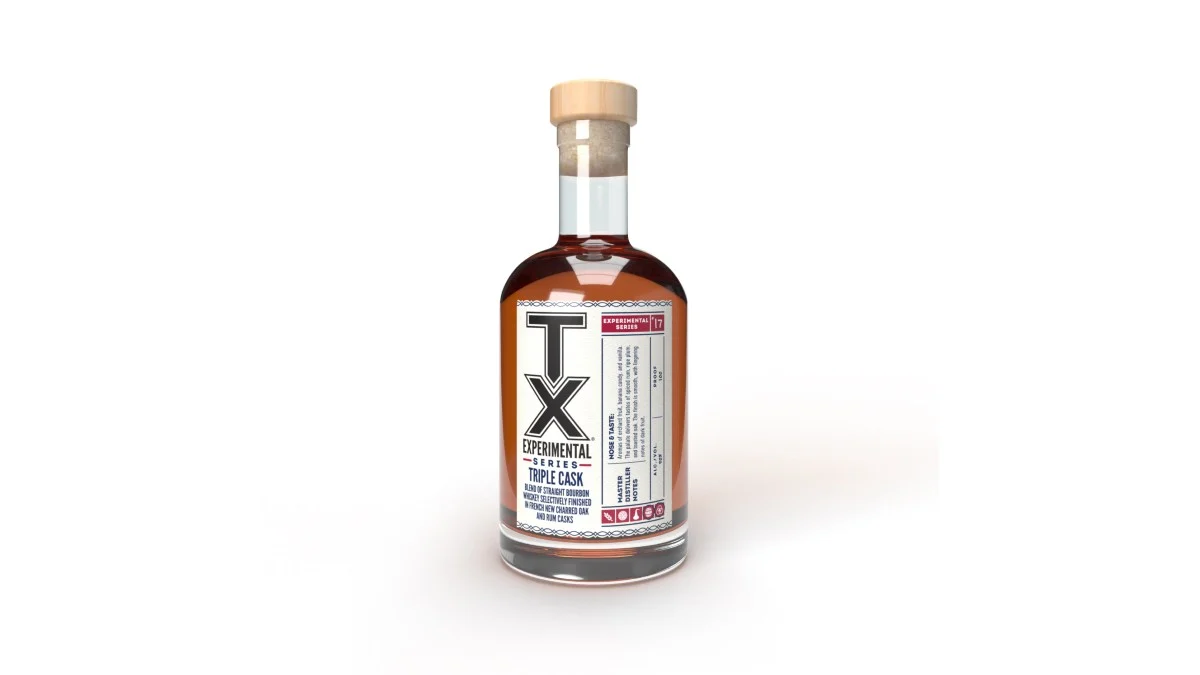
Today, the distillery is once again making waves with the 17th iteration of its Experimental Series: the Triple Cask Bourbon. By employing a complex finishing regimen involving American oak, French oak, and rum casks, TX Whiskey is looking to prove that the state’s intense climate is not just a challenge to be overcome, but a tool to be leveraged.
The Landscape of Texas Whiskey
To understand the significance of the Triple Cask release, one must first appreciate the environment from which it was born. Texas whiskey is defined by its volatile climate. The state’s extreme temperature swings—where days can reach triple-digit heat and nights can drop significantly—force the spirit in and out of the barrel wood at a rate far faster than the temperate climate of Kentucky or Tennessee.
TX Whiskey, founded in 2010, has anchored itself in this terroir. Situated on the sprawling grounds of the Whiskey Ranch, a former golf course turned epicenter of spirits innovation, the brand has managed to bridge the gap between mass-market appeal and enthusiast-grade craftsmanship. While their core Blended Whiskey remains a staple of the portfolio, the true heartbeat of the distillery lies in its in-house production. Their move toward cask-finished bourbons, bottled-in-bond expressions, and high-proof barrel releases has signaled to the industry that TX is no longer just a blending house; it is a full-fledged production facility focused on technical mastery.
A Chronology of Innovation: The Experimental Series
The Experimental Series serves as the distillery’s "skunkworks" project. It is here that Master Distiller and Blender Craig Blair and his team test the limits of their straight bourbon and rye stocks. This program is not merely about releasing new products; it is an ongoing research initiative into the chemical and sensory impacts of wood management.
The 2026 Trajectory
The year 2026 has been particularly active for the team in Fort Worth. Triple Cask is the third release of the calendar year, following a string of highly regarded expressions:
- Vino de Naranja: An ambitious blend of bourbon and rye finished in Spanish wine casks, showcasing the distillery’s penchant for Mediterranean-influenced flavor profiles.
- Full Proof Rye: A seven-year-old statement piece bottled at a formidable 120 proof, highlighting the robustness of their rye distillate.
- Triple Cask: The latest release, which focuses on the synergy of disparate wood influences.
With 17 releases now under its belt, the Experimental Series has become a barometer for the distillery’s growth. It allows the team to iterate quickly, taking risks that wouldn’t be viable in a mass-market core release.
Technical Deep Dive: The Triple Cask Method
The Triple Cask release is a study in architectural blending. The base spirit is TX Whiskey’s proprietary straight bourbon, aged for an undisclosed period. The maturation process is designed to create a "layered" experience, where each barrel type acts as a distinct structural pillar.
The Barrel Trifecta
According to official documentation, the whiskey undergoes a secondary maturation phase involving:
- American Oak: Traditionally used for its high levels of vanillin and structural tannins, providing the "backbone" of the bourbon.
- French Oak: Known for tighter grains and a more subtle, spicy impact, often introducing notes of baking spice and refined floral qualities.
- Rum Casks: The wild card in the equation. Rum finishing is increasingly popular in the industry for its ability to impart deep, tropical, and caramelized sweetness that balances the aggressive char of a standard bourbon barrel.
The marriage of these three vessels is intended to mitigate the "Texas bite" often associated with younger high-heat bourbons, instead offering a more sophisticated, rounded mouthfeel.

Official Perspective: The Master Distiller’s Vision
Craig Blair, the creative force behind the liquid, views the Triple Cask release as a pedagogical exercise for the consumer. In a formal statement regarding the release, Blair noted:
"Triple Cask was created to highlight how each barrel can shape the whiskey in a different way. From the structure of American oak to the softer notes of French oak and the richness of rum casks, this expression brings together three distinct influences in one bold, layered sip."
This statement underscores a shift in the distillery’s philosophy. Rather than focusing on the age statement—which, in the heat of Texas, can often be a misleading metric—Blair is drawing focus to the process of secondary maturation and the nuances of the wood.
Sensory Profile and Consumer Expectations
While the whiskey has yet to reach the wide secondary market, the official tasting notes provide a roadmap for what enthusiasts can expect. On the nose, the expression is said to lead with toasted oak, followed by an orchard fruit brightness (plum and pear) and a backbone of vanilla and spiced rum.
On the palate, the experience is described as a study in caramel sweetness, underpinned by the dry tannins of the oak and the dark, jammy fruit profiles typical of high-quality cask finishes.
Accessibility and Scarcity
In keeping with the nature of the Experimental Series, the bottle is sized at 375-ml. This decision is twofold: it preserves the limited stock and makes the high-concept liquid more accessible at a lower price point. With an SRP of $40, the distillery is positioning this as a "tasting room exclusive" rather than a mass-market play.
As of June 13, 1,200 bottles have been allocated to the distillery store at Whiskey Ranch. For collectors, the visit to the distillery offers a unique opportunity to pick up this limited run alongside remnants of previous Experimental releases, effectively allowing the consumer to build a library of the brand’s history.
The Broader Implications for Texas Distilling
The success and continuation of the Experimental Series at TX Whiskey hold significant implications for the future of the state’s industry.
- Refinement over Raw Power: For years, Texas whiskey was defined by big, bold, and sometimes overly aggressive oak profiles. The move toward delicate finishes like French oak and rum signals that the industry is maturing into a more nuanced phase.
- The "Third Space" of Distilling: By utilizing a former golf course, TX Whiskey has turned its facility into a destination. This "distillery tourism" model, pioneered by the Kentucky Bourbon Trail, is now being perfected in Texas. It allows for a direct feedback loop between the distiller and the consumer.
- The Rise of the 375-ml Format: By normalizing the smaller format for experimental releases, the distillery is lowering the barrier to entry for enthusiasts who want to explore unique profiles without committing to a full-sized investment.
Looking Ahead
As the 17th release in this series, the Triple Cask bourbon represents a turning point. It is no longer an experiment in "can we make whiskey in Texas?" but rather "how deep can we go into the flavor science of whiskey?"
For the average consumer, the Triple Cask is a $40 window into a sophisticated, multi-stage finishing process. For the industry, it is a reminder that in the high-stakes world of Texas distilling, the only way to stay ahead is to keep experimenting. Whether this becomes a permanent fixture in the TX portfolio or remains a fleeting footnote in their history, the Triple Cask stands as a testament to the fact that the Texas spirit is constantly evolving, one barrel at a time.
 Evan Lee Salim
 Asep Darmawan
 Laily UPN
