

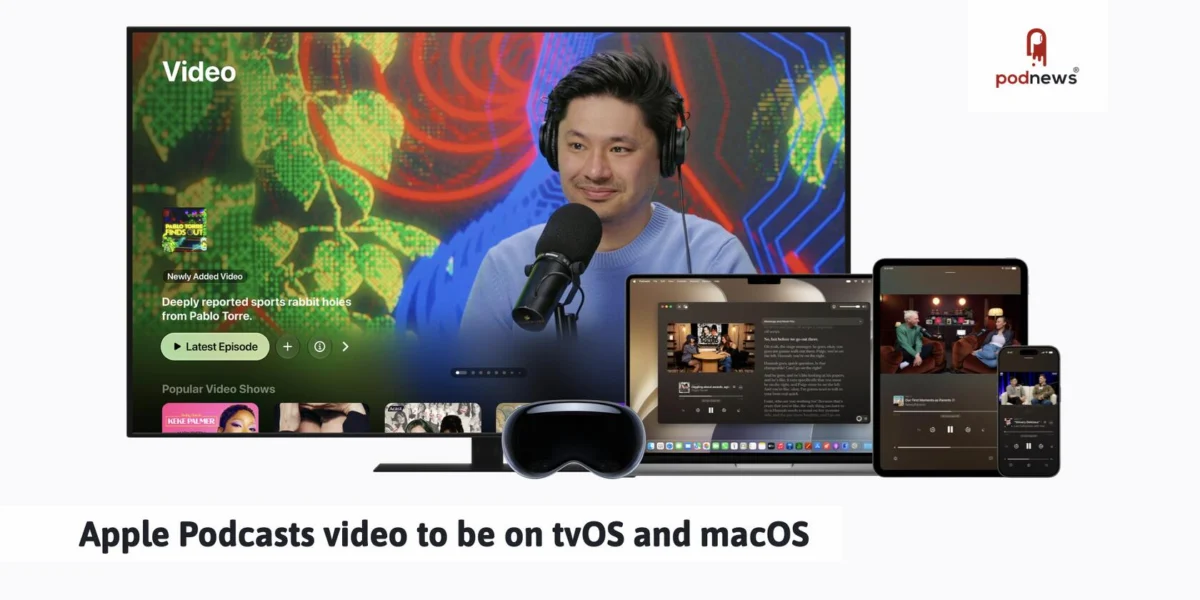
The digital audio industry is undergoing a significant transformation, driven by platform-level innovation and shifting consumer behaviors. As Apple Podcasts continues to refine its interface—most notably by integrating video content across its various user surfaces—creators and listeners alike are finding themselves in a new era of multimedia consumption. This report examines the current state of the podcast ecosystem, the implications of new content strategies, and the latest data trends shaping the charts in major markets.
Main Facts: The New Face of Apple Podcasts
Apple’s recent push to normalize video within its podcast ecosystem represents a strategic pivot. By treating video content with the same structural importance as traditional audio, Apple is directly challenging the dominance of YouTube and Spotify, both of which have aggressively courted "vlog-casts" and video-first podcasting.
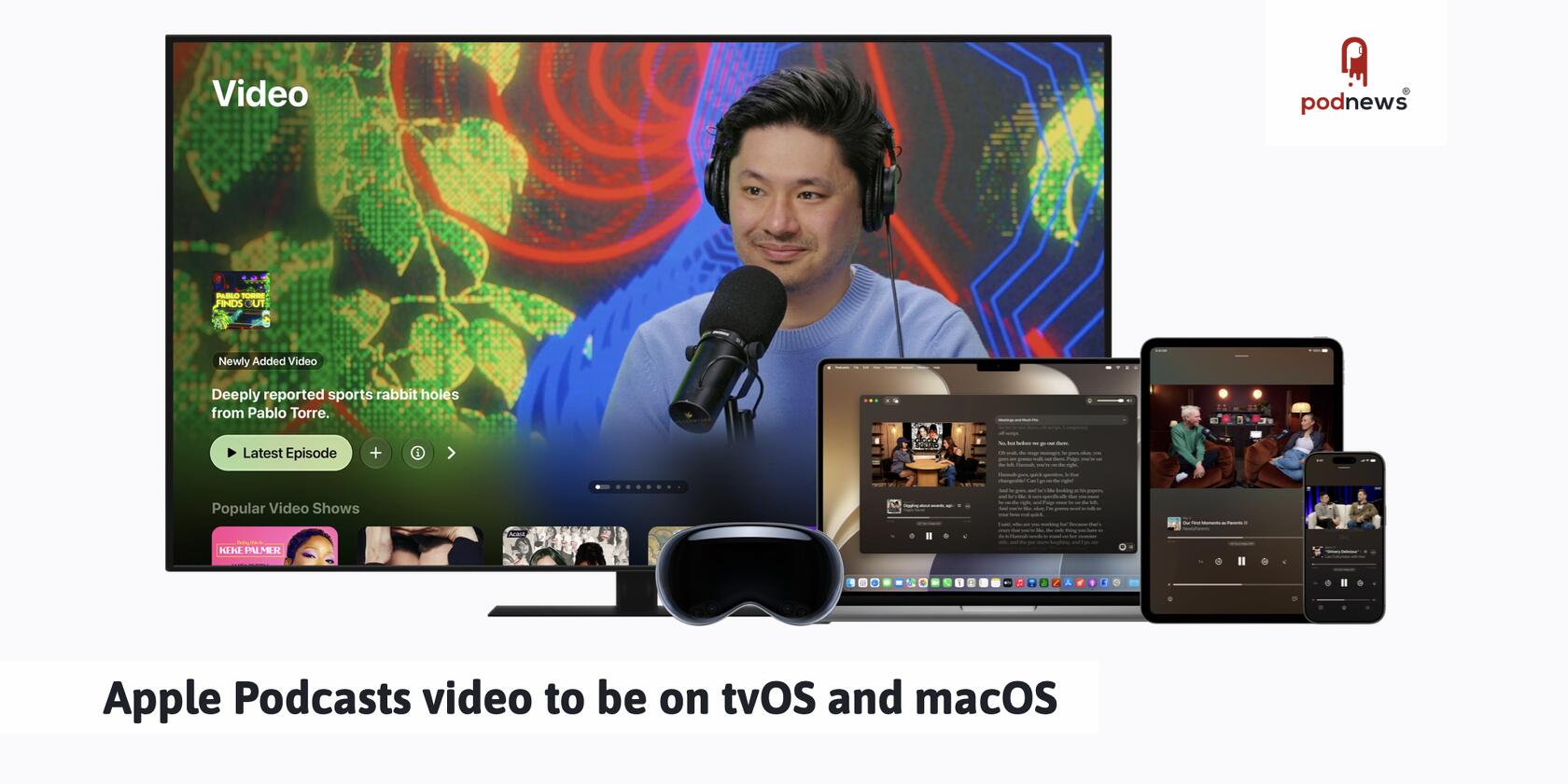
The move is not merely aesthetic; it is a fundamental infrastructure update. By allowing video assets to appear seamlessly across multiple user surfaces—from the desktop application to mobile interfaces—Apple is removing the friction that once separated audio-only listeners from video-first viewers. For creators, this means their production efforts are no longer siloed; a video interview can now live in the same feed as a standard audio episode, ensuring that the audience remains centralized regardless of their preferred consumption method.
This development arrives at a time when the "podcast" label is increasingly becoming a misnomer for the medium. Today, the industry is a hybrid beast—part radio, part television, and part social media stream. Apple’s technical adjustments acknowledge this reality, effectively signaling that the "podcasting" experience is no longer strictly audio-dependent.

Chronology: How We Got Here
The journey toward video-integrated podcasting has been a multi-year evolution:
- 2005–2010: The Audio Era. During the formative years of Apple Podcasts, the focus was exclusively on RSS-delivered audio files. The goal was to untether radio from a broadcast schedule.
- 2015–2018: The Rise of the Video Hybrid. Early attempts at video podcasting were often cumbersome, requiring users to download massive video files or rely on third-party platforms like YouTube.
- 2021: The Subscription Pivot. Apple introduced podcast subscriptions, allowing for tiered access. This paved the way for premium video content to be monetized directly within the Apple ecosystem.
- 2023–2024: Cross-Platform Optimization. Throughout the last 18 months, Apple began the phased rollout of its integrated media player, designed to handle high-fidelity video just as easily as it handles MP3s.
- Current State: Today, video is no longer an "add-on" for Apple; it is a core component of the user experience, as evidenced by the high-priority metadata and UI updates seen across recent app iterations.
Podcast Highlights: Emerging Voices and New Frontiers
As the platform evolves, several shows are leading the charge in audience engagement and content innovation. This week’s highlights provide a snapshot of the diversity within the current podcasting landscape:

Travel Tales by AFAR
Travel remains a perennial favorite for podcast listeners, but Travel Tales by AFAR stands out by focusing on the transformative power of the journey. The show captures the essence of travel as an agent of change, interviewing individuals who returned from their trips fundamentally altered. It serves as a reminder that even in a digital-first world, human stories about geography and culture remain deeply resonant.
We Choose To Go To Kennedy
Produced by the Kennedy Space Center Visitor Complex, this show represents the rise of institutional branded podcasts. By pulling back the curtain on spaceflight history and future exploration, the production provides listeners with an "insider" perspective that standard news outlets often lack. It is a prime example of how organizations can use audio to build deeper community connections.

Not a Climate Scientist
The intersection of science, health, and climate change is explored with granular detail in Not a Climate Scientist. A recent bonus episode featuring disease detective Neil Vora highlights the critical link between deforestation and zoonotic diseases like Ebola. This show excels at grounding abstract environmental crises in the realities of everyday American life.
An American Game
With the 2026 FIFA World Cup approaching, An American Game is tapping into the burgeoning US soccer culture. By focusing on the history of "ultras"—the dedicated, chant-leading fans—the podcast documents the grassroots development of a sports culture that is often overlooked. It is a masterclass in niche storytelling that scales effectively.

Supporting Data: Charting the Trends
The data landscape reflects a mix of established titans and surprising new entries. Currently, the US and UK charts provide a clear picture of what audiences are prioritizing.
- The Daily (Apple, US #1): New York Times’ flagship news show remains the gold standard for daily reporting. Its continued dominance proves that in an era of misinformation, a trusted news voice remains the most valuable commodity in audio.
- The Joe Rogan Experience (Spotify, US #1): Despite the shifting landscape, Rogan’s massive, long-form conversational format continues to command the top spot on Spotify, reinforcing that long-form, unedited content is still a massive draw.
- The Sustainability Options Podcast (Apple, Ireland #1 New Entry): A striking debut, this show’s rapid ascent to the top of the Non-Profit category in Ireland suggests a growing appetite for actionable, solution-oriented content regarding the environment.
- Battle Of The Atom (Apple, Ireland): This show’s jump in the Visual Arts category serves as a case study for fan-driven content. By focusing on deep-dive comic book history (X-Men), the creators have successfully mobilized a passionate, high-intent audience.
Official Responses and Industry Sentiment
Industry analysts are largely in agreement that Apple’s focus on video is a "defensive necessity." While many purists argue that podcasting should remain audio-only to preserve the medium’s unique intimacy, the data suggests that the audience is indifferent to the distinction.

"Consumers want convenience," says one lead analyst at a major digital media firm. "They don’t care if it’s a video file or an audio file; they care about the content. If Apple wants to retain its market share, it must meet the audience where they are, which is increasingly on screens."
Conversely, independent creators have expressed concern regarding the bandwidth and storage costs associated with producing high-quality video. The "barrier to entry" for a successful podcast is rising, as creators are now expected to be producers, editors, and video directors simultaneously.

Implications for the Future of Podcasting
The convergence of video and audio in podcasting has three major implications for the next decade of the medium:
1. The Death of the "Pure" Audio Feed
We are witnessing the final days of the podcast as a purely audio medium. The future of the industry is "multimodal." Shows that do not offer a visual component will increasingly be viewed as niche or "legacy" productions, while those that embrace video will capture the lion’s share of advertiser budgets.

2. The Rise of "Discoverability" Algorithms
As Apple integrates video, its recommendation algorithms will likely evolve to mirror those of YouTube. This will prioritize high-engagement content (videos with high watch times) over static audio files. Creators who understand visual editing and thumbnail design will find themselves at a significant advantage.
3. Monetization Through Hybrid Experiences
The subscription model will shift toward "experience tiers." A listener might pay for the standard audio feed, but a "viewer" might pay a premium for behind-the-scenes video, unedited full-length footage, or interactive Q&A sessions. This allows creators to capture more value from their super-fans while maintaining a free, accessible audio version for the casual listener.

Conclusion
The podcast industry is no longer just about audio; it is about the story, regardless of the vessel. Whether through the lens of a space center, the chants of a soccer stadium, or the urgent warnings of a disease researcher, the medium continues to prove its resilience. As platforms like Apple Podcasts continue to iterate and modernize, the creators who can master the balance between engaging audio and compelling visuals will define the next generation of digital media. The path forward is clear: integrate, innovate, and adapt, or risk being left behind in a world that is increasingly watching, not just listening.
 Asep Darmawan
 Jia Lissa
 Neng Nana
