

For millennia, the haunting silhouettes of bison, horses, and human handprints etched into the deep recesses of European caves have remained mute witnesses to the dawn of human creativity. While archaeologists have spent over a century debating the symbolism, techniques, and ritualistic intent behind these Paleolithic masterpieces, the identities of the creators themselves have remained shrouded in the shadows of prehistory.
That silence is finally being broken. In a landmark study published in Nature Communications on June 23, 2026, a team of researchers has confirmed the presence of ancient human DNA (aDNA) trapped within the very pigments used to adorn cave walls. This discovery marks a pivotal shift in the field of archaeogenetics, transforming cave art from mere archaeological artifacts into complex biological archives that hold the potential to reveal the identities, kinships, and lives of the world’s earliest artists.
The Core Discovery: DNA in the Paint
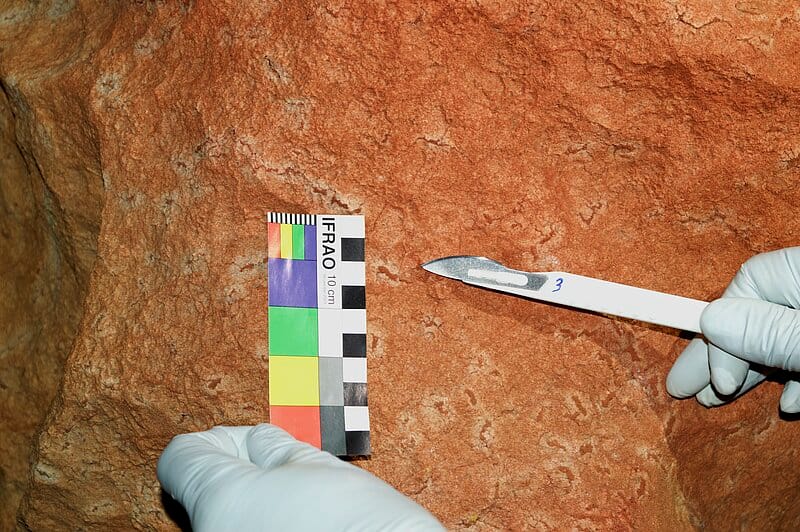
The study, led by Alba Bossoms Mesa of the Max Planck Institute for Evolutionary Anthropology, focused on 24 rock art panels across 11 distinct cave sites in Spain and Portugal. By meticulously analyzing the chemical composition of the pigments, the researchers identified traces of ancient human DNA—a feat previously thought to be nearly impossible given the environmental degradation and physical exposure inherent to cave systems.
For decades, the study of the Upper Paleolithic (c. 40,000–10,000 BCE) relied almost exclusively on the analysis of skeletal remains, teeth, and sediment to understand ancestral populations. However, skeletal remains are often fragmented or absent from the sites where the most significant art is located. This new methodology bypasses the need for body parts, instead utilizing the "spit-and-paint" technique or the incidental skin cell contact left behind by artists thousands of years ago as they worked.
A Chronology of Artistic Evolution and Scientific Inquiry
To understand the significance of this breakthrough, one must look at the progression of our engagement with Paleolithic art:
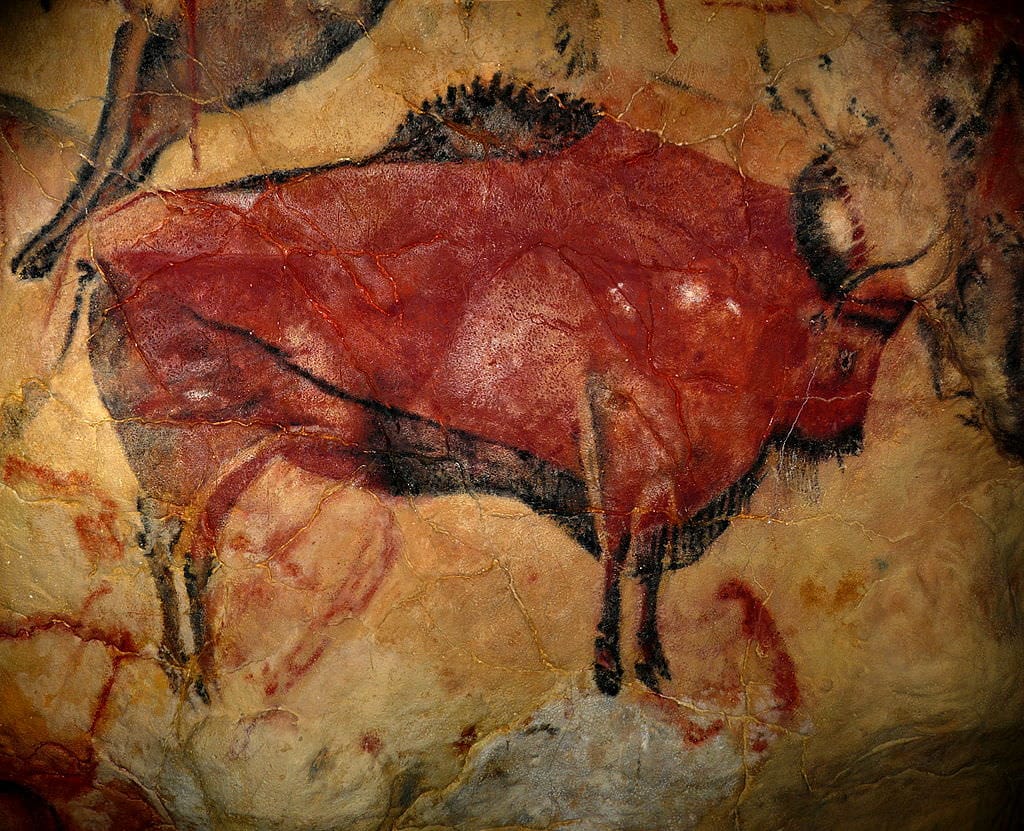
- 1879: The discovery of the Altamira Cave paintings in Spain shocks the world, forcing a reconsideration of the intellectual capacity of "primitive" humans.
- 1900s–1990s: The era of stylistic analysis. Archaeologists classify cave art by animal depiction, line work, and the emergence of abstract symbols, focusing heavily on what was drawn rather than who drew it.
- 2000s–2020: The rise of chemical dating. Researchers move beyond stylistic guessing, using Uranium-Thorium series dating to establish more accurate timelines for when the art was created.
- 2023–2025: The "First-Art" consortium initiates a multinational, interdisciplinary study to bridge the gap between material science and biology.
- June 2026: Publication of the Nature Communications study, proving that biological signatures can survive within ancient pigments, effectively launching the era of "genetic art history."
Supporting Data and Methodology
The research is a component of the First-Art project, a sprawling, multinational collaboration involving experts from Spain, Portugal, Italy, China, Germany, and the United Kingdom. By integrating geochronology with molecular biology, the team was able to sample pigments without compromising the structural integrity of the art.

Sites of Interest
The research focused on diverse locations, including:
- Maltravieso Cave (Extremadura, Spain): Known for its iconic hand stencils, this site provided a high-value testing ground for identifying human biological traces left during the "positive" or "negative" stenciling process.
- Cave of Altamira (Cantabria, Spain): A site of unparalleled historical significance, the figurative paintings here offered the researchers a look at how different pigments—ochre, charcoal, and manganese—interact with human biological residue over time.
- Balmori Cave (Spain): Provided critical samples of pigmented wall matter, proving that DNA is not merely a surface contaminant but a component integrated into the binding agents of the prehistoric paint.
While the current rate of DNA recovery is modest, the researchers emphasize that the success rate is expected to climb as sequencing technologies improve. The study notes that the "diversity of rock art techniques" suggests that some environments are more conducive to DNA preservation than others, hinting that further breakthroughs are likely waiting in caves with different humidity and temperature profiles.
Official Responses and Expert Perspective
The scientific community has reacted with cautious optimism, viewing the study as a fundamental pivot point. Monica Green, a preeminent specialist in the history of science and ancient DNA, highlighted the profound implications of this, and similar, research.
"Retrieving molecular evidence of the past—whether of humans themselves or the lifeforms they interacted with—has been revolutionizing our understanding of everything from mass migrations to pandemics," Green stated. "Data can come from anywhere: from the plaque on teeth to the floor of a cave. This study confirms that we have been overlooking the most abundant data sources for human history: the art we left behind."
The First-Art consortium has also stressed that this work is not just about identifying "who" painted a specific animal. It is about understanding the social organization of Paleolithic tribes. Were these paintings the work of a single master artist, or a communal activity? Did specific families or clans hold the "right" to paint in certain caves? These are questions that genetics, combined with spatial archaeology, may finally be able to answer.
Global Implications: Beyond Europe
While the current study is limited to the Iberian Peninsula, the methodology has global reach. The researchers specifically pointed to the Cueva de las Manos (Cave of the Hands) in Argentina, a UNESCO World Heritage site dating back 13,000 to 9,500 years. If the techniques developed by the Max Planck team are applied there, we could gain unprecedented insights into the migration patterns of early South American populations, linking them to specific artistic traditions.
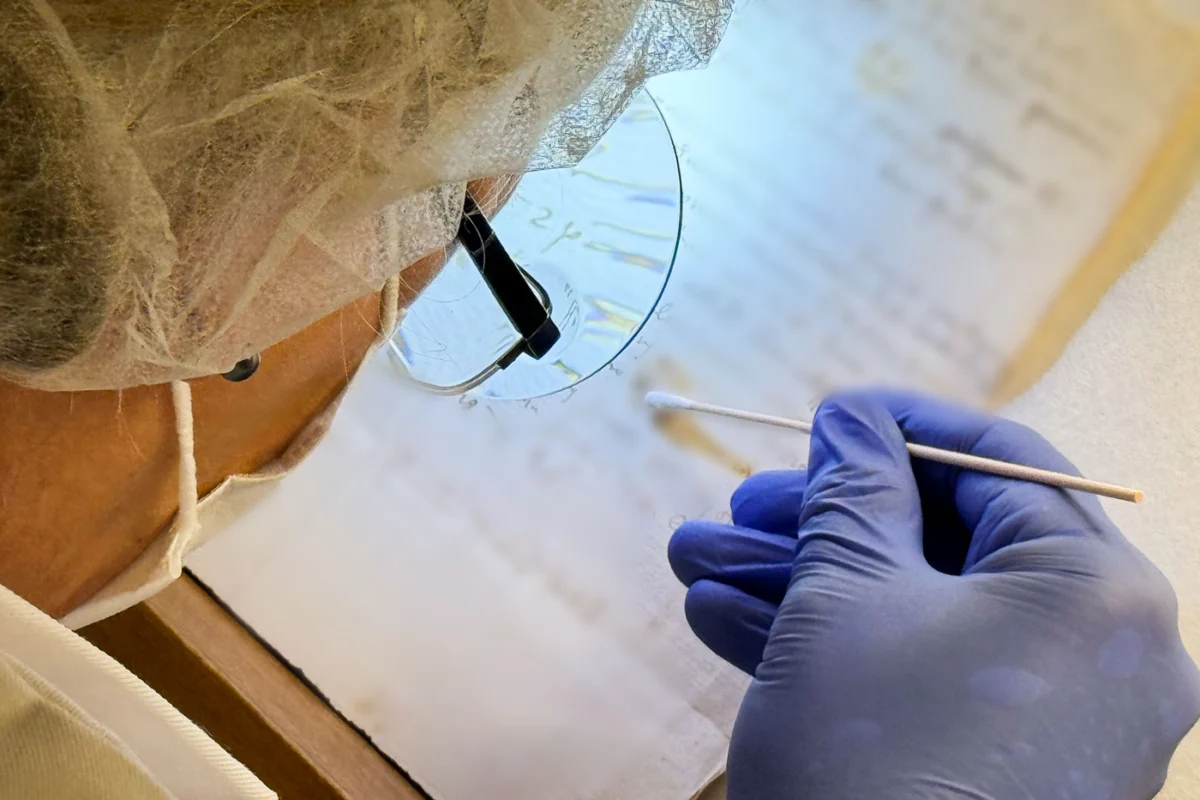
Furthermore, this technology creates a new frontier in the authentication of art. Just as researchers are currently swabbing 14th-century documents and Leonardo da Vinci’s personal effects for biological clues, the ability to extract DNA from paint could provide a definitive tool for distinguishing genuine historical artifacts from modern forgeries.
The Future: Art as a Biological Archive
The convergence of art history and archaeogenetics represents a maturation of the humanities. For centuries, art historians could only infer the "intention" of an artist based on the visual output. Now, we are entering an era where the "biological record" of the artist is available for study.
However, the field faces significant ethical and technical challenges. The destruction of even minute amounts of pigment to extract DNA is a sensitive issue, requiring a balance between scientific advancement and the preservation of irreplaceable cultural heritage. As the field advances, the development of non-invasive, high-resolution sequencing will be essential.
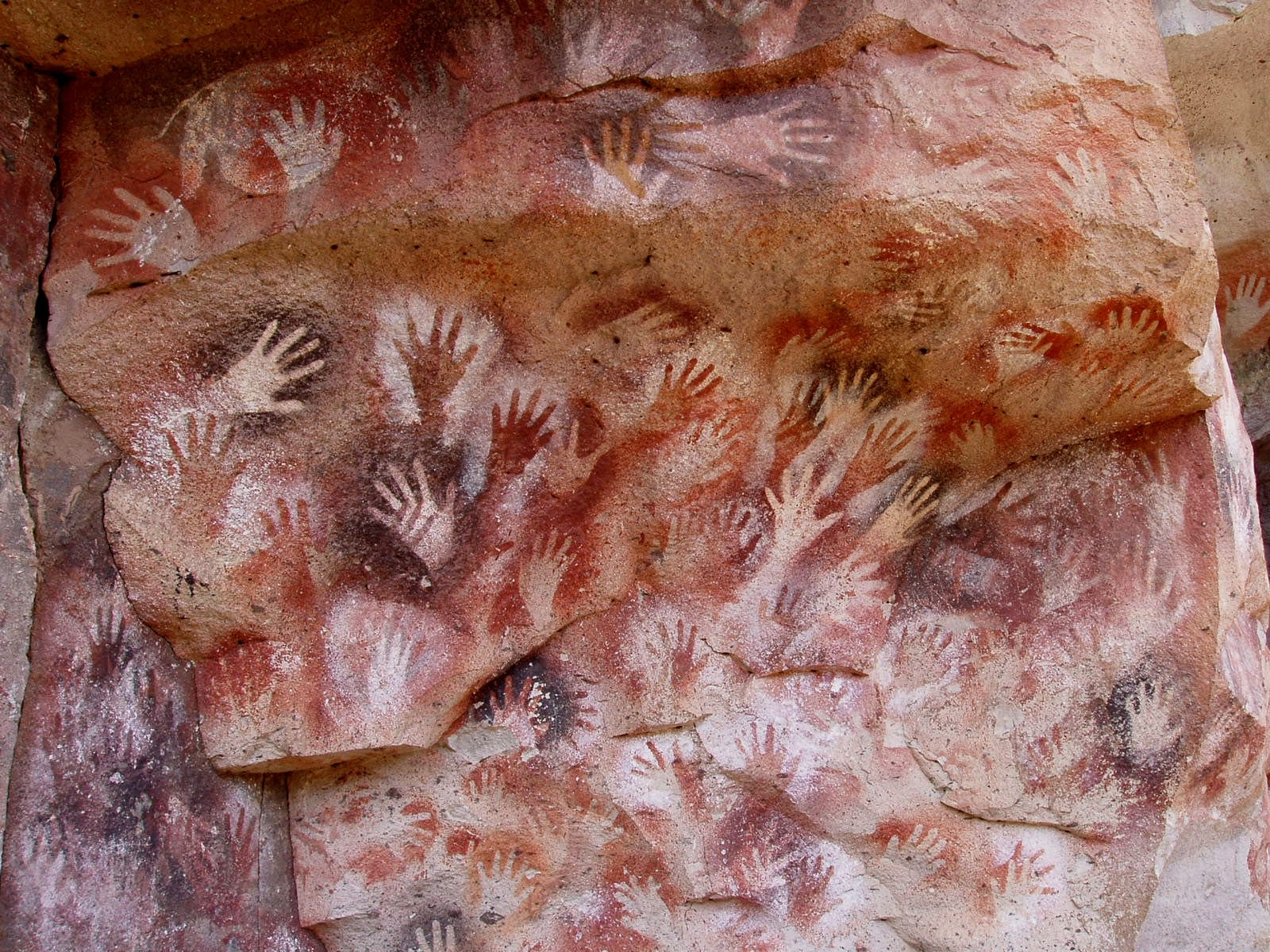
As we stand on the threshold of this new era, the paintings of Altamira and beyond are being transformed. They are no longer just images of bison and hunters; they are the genetic vessels of our ancestors. Every handprint is a potential source of a genome; every painted animal, a record of a person who stood in the darkness of a cave 30,000 years ago, leaving a mark that would eventually tell their story to a future they could never have imagined.
The "biological archives" of humanity are everywhere, and we are only just beginning to read them.
 Muslim
 Evan Lee Salim
 Jia Lissa
