

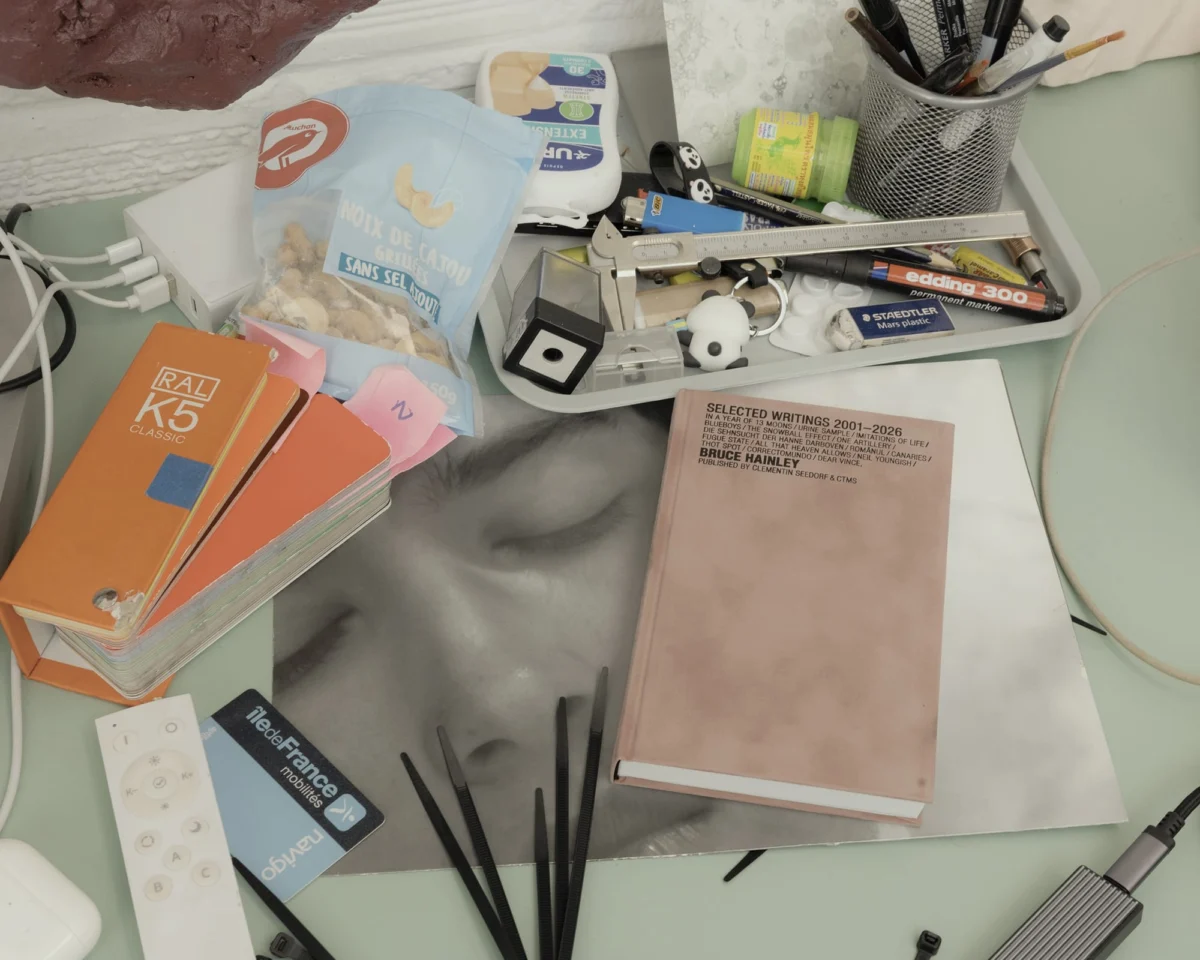
In the 347th installment of A View From the Easel, Hyperallergic explores the workspace of Shahryar Nashat, a visionary artist whose practice bridges the gap between digital fluidity and the tactile resistance of industrial materials. Currently based in the northern Parisian suburb of Asnières-sur-Seine, Nashat offers an intimate look into the rhythm of his creative life, providing a fascinating study of how environment, geography, and personal rituals shape the contemporary sculptural process.
Main Facts: A Transatlantic Artistic Shift
Shahryar Nashat’s current studio in Asnières-sur-Seine represents more than just a change of scenery; it marks a fundamental shift in the artist’s relationship with urban space and material experimentation. For three years, this space has served as the laboratory for his high-concept sculptural work. Unlike the expansive, car-centric sprawl of his former studio in Glendale, California, the French workspace is defined by a more rhythmic, transit-oriented commute.
Nashat’s studio is stocked with a specific, almost eccentric inventory that fuels his process: coffee, beer, tequila, and the Swiss chocolate Ragusa. His creative environment is underscored by a carefully curated soundscape, ranging from the atmospheric tension of Angelo Badalamenti’s Twin Peaks score to the rhythmic, empowering pop of the 1990s—specifically the works of Kelis, Erykah Badu, and Aaliyah.
A Chronology of Artistic Relocation
To understand Nashat’s work today, one must track his migration from the sun-drenched, asphalt-heavy landscape of Los Angeles to the historic, melancholic periphery of Paris.
- The California Era (Pre-2023): Nashat’s time in Glendale was characterized by the "LA commute"—a meditative journey through Laurel Canyon, onto the 101, and finally the 134. This path was a ritualistic immersion into the diverse layers of Los Angeles, where the studio was an extension of the city’s vast, industrial energy. He recalls the "roll-up gate" of his Glendale space as a vital architectural threshold; the act of pulling it down signaled a definitive end to the day’s labor, regardless of whether the results were triumphant or frustrating.
- The Transition (2023): Nashat relocated his practice to Asnières-sur-Seine. The transition involved a radical change in the "mode of transit." He replaced the car with two wheels, navigating north from Paris’s 11th arrondissement through the 18th.
- The Asnières-sur-Seine Present: Since September 2023, the artist has settled into the rhythm of a suburb known for its historic significance, including the world’s first pet cemetery, le Cimetière des Chiens et Autres Animaux Domestiques. His days are now structured around the climate of the region, marked by the distinct seasonal temperature fluctuations that make the space "a little too warm in the summer and a little too cold in the winter."
Supporting Data: The Anatomy of the Studio
The studio functions as an extension of the artist’s cognitive process. Nashat emphasizes that while the physical act of "making" happens in the studio, the spark of inspiration is rarely generated within four walls. Instead, it relies on external inputs: quality sleep, precise tools, and the influence of the local surroundings.
The Material Palette
Nashat’s choice of materials reflects a fascination with the intersection of the organic and the synthetic. His "studio regulars" include:
- Papier-mâché: A staple for its malleability and historical weight.
- Nautical Glue: A distinctive, honey-colored adhesive that provides a unique tactile quality to his sculptures.
- Fabrican: A spray-on fabric technology that rose to fame during Paris Haute Couture Fashion Week. Nashat has utilized this cutting-edge material to "dress" his Mothers series of sculptures, currently on display at the Gladstone Gallery in New York.
- Golden Acrylics: The professional standard for his surface treatments.
The Social and Sensory Ecosystem
The studio is not an island. It is part of a small, interconnected ecosystem of creators. Nashat shares space with fellow artists, including Cooper Jacoby, with whom he exchanges technical knowledge regarding the curing times of silicone. This professional community serves as a vital sounding board, grounding the high-concept nature of his work in the practical realities of industrial chemistry and structural engineering.
Official Perspectives and Cultural Context
When asked about his local influences, Nashat points to the Gustave Moreau Museum. He describes it as an "absurd" and overwhelming environment—a former studio-turned-mausoleum that remains the most moving museum for him. This reverence for the "artist’s space" mirrors his own practice, where he views the studio as a repository of labor, history, and evolving memory.

The proximity to authentic, high-quality sustenance also plays a role in the studio’s success. He compares the joy of finding fresh Tibetan noodles on Avenue Laurent Cély to his past experiences in Los Angeles, where a specific burrito from El Sauz Tacos provided a similar sensory grounding. These local touchstones—the museum, the neighborhood eatery, the shared coffee with a peer—are the invisible scaffolding that supports his complex sculptural output.
Implications for Contemporary Sculpture
Nashat’s reflection on his workspace raises broader questions about the future of the artist’s studio in a globalized, post-digital world. His work—which often explores the relationship between the body and technology—is heavily influenced by the "forensic examination" of objects. In Los Angeles, this was facilitated by intense, bright, natural light. In France, the environment demands a different, perhaps more intimate, relationship with the materials.
The shift from the "roll-up gate" of a Southern California warehouse to the historic, climate-sensitive confines of an Asnières-sur-Seine building highlights the vulnerability of the artist to their environment. Nashat’s openness about the physical discomforts of his space—the temperature extremes—underscores a commitment to the craft that prioritizes the work over personal luxury.
His ongoing dialogue with materials like Fabrican and nautical glues signals a trajectory toward a hybridity where the line between "sculpture" and "garment" is blurred. By "dressing" his sculptures, Nashat is not merely creating objects; he is creating entities that exist in a state of becoming.
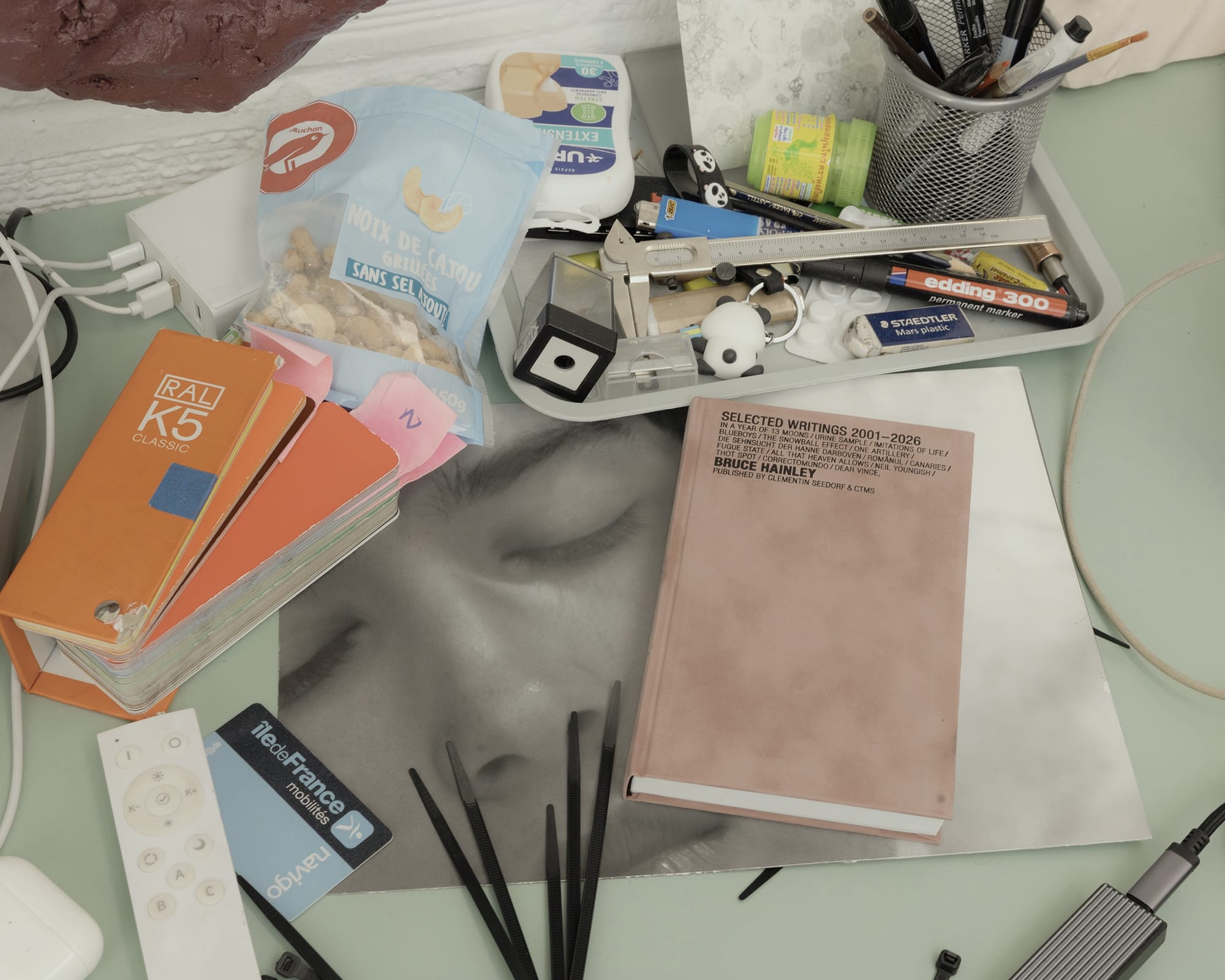
As he continues to work in the shadow of Paris, Nashat’s practice remains a testament to the idea that the studio is not just a place where things are made, but a place where the artist negotiates the distance between the self and the world. Whether through the rhythm of a bike commute or the precise curing of a silicone mold, his work continues to challenge our perception of what a sculpture can be, how it can be dressed, and what it might mean to exist in the spaces between the digital and the physical.
For those looking to document their own creative havens, Hyperallergic’s A View From the Easel continues to accept submissions, inviting artists from all mediums to contribute to this ongoing archive of the modern studio.
 Dwi Wanna
 Neng Nana
 Ali Ikhwan
