

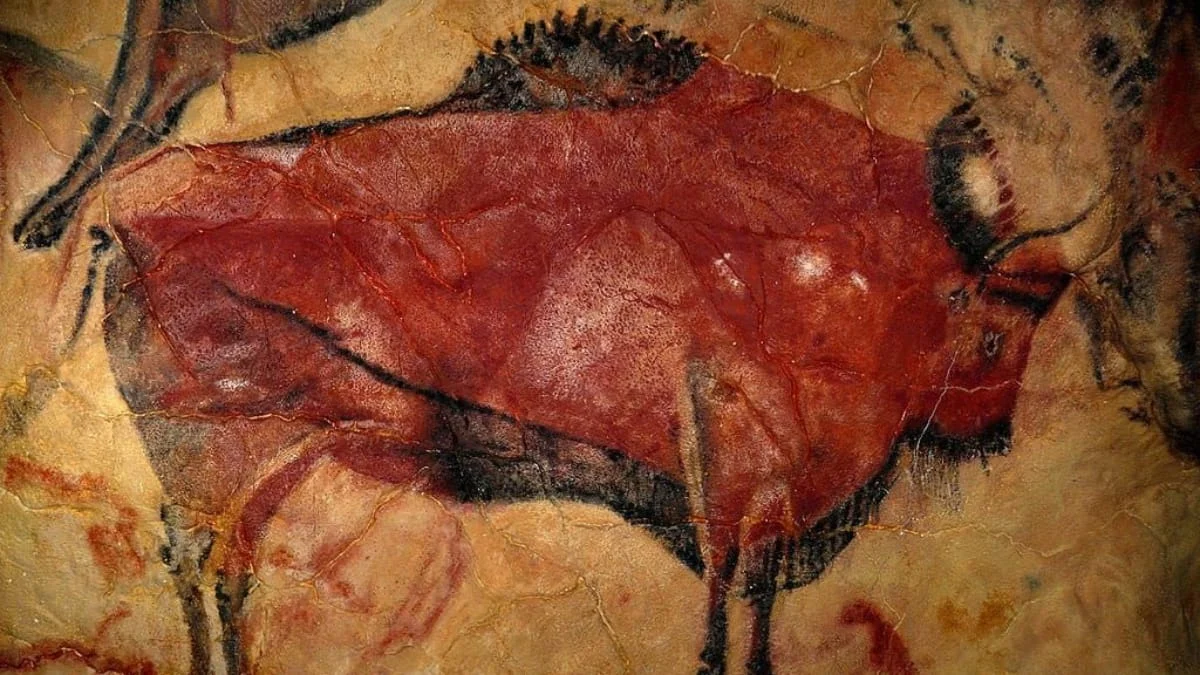
In the volatile landscape of contemporary culture, the boundaries between artistic creation, labor rights, and historical preservation are increasingly porous. From the galleries of Hauser & Wirth to the picket lines of the Solomon R. Guggenheim Museum, the cultural sector is currently navigating a period of profound reevaluation. This week, we examine the intersection of Philip Guston’s poetic legacy, the escalating tensions in New York’s museum labor force, and groundbreaking scientific revelations that tether our ancient ancestors to the walls of the prehistoric world.
The Resonant Lines of Philip Guston: A Retrospective at Hauser & Wirth
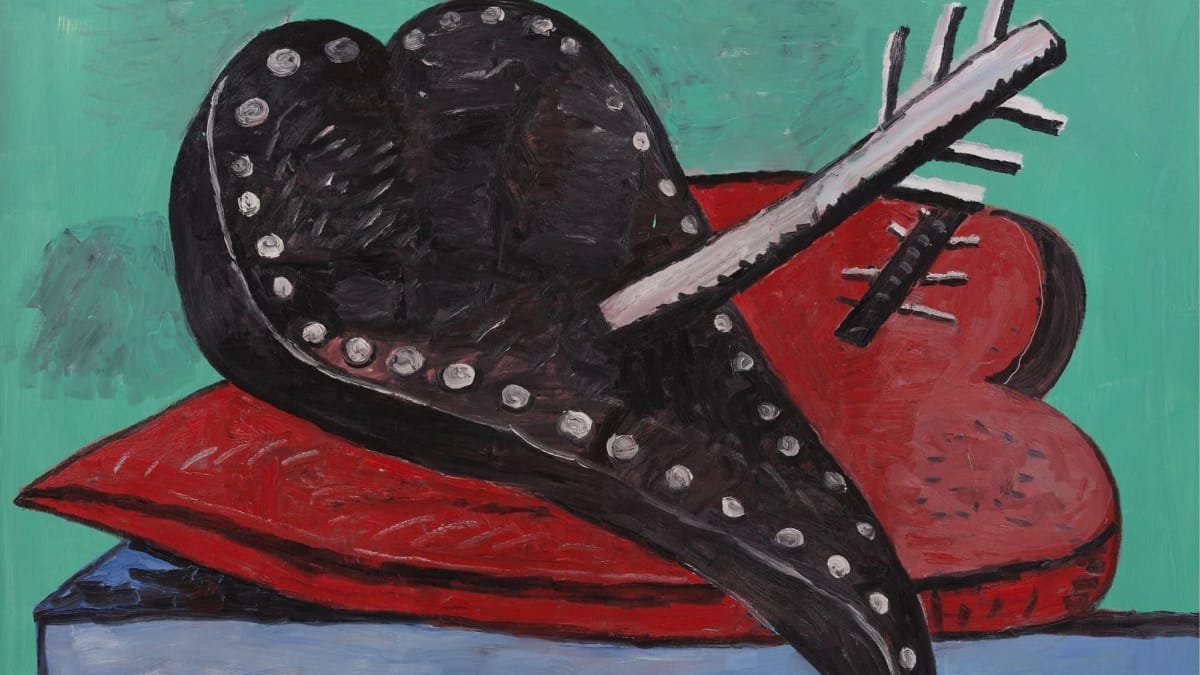
Philip Guston remains a titan of 20th-century American art, yet his legacy is currently being viewed through a more intimate, domestic, and intellectual lens. The current exhibition at Hauser & Wirth in New York, titled Life With P. — Philip Guston: Paintings and Drawings 1964–1978, serves as a poignant reminder of the artist’s radical evolution.
A Departure from Abstraction
In the mid-1960s, Guston—who had long been a pillar of the New York School’s abstract expressionist movement—began a startling pivot. Following a move to Woodstock, New York, in 1968, he abandoned the non-representational fluidity of his earlier years in favor of a cartoonish, figurative vernacular. This was not merely an aesthetic choice; it was an existential one.

As Hyperallergic critic John Yau aptly observed, Guston’s greatness lies in his "refusal to separate himself from the crumbling world he dwells in." His work from this period is characterized by a "pared-down" approach, where a single line could carry the weight of a complex narrative. This minimalist intensity resonated deeply with his circle of poet friends, most notably Clark Coolidge. Together, they navigated the tension between descriptive clarity and the raw, sonic qualities of language.
The Unsung Influence: Musa McKim
Central to the exhibition’s narrative is the role of Musa McKim, Guston’s wife, a gifted poet and artist in her own right. The exhibition seeks to correct historical oversights by positioning McKim not just as a supporting spouse, but as a primary collaborator and intellectual partner. Their life in Woodstock was defined by a shared commitment to artistic rigor, and the current show at Hauser & Wirth succeeds in illuminating the domestic and poetic foundations that allowed Guston to dismantle his own style and start anew.
Labor Unrest: The Guggenheim Museum Strike Authorization
While the art world celebrates retrospectives, the labor behind the scenes of these institutions is in a state of high alert. Workers at the Solomon R. Guggenheim Museum in Manhattan have officially voted to authorize a strike, marking a significant escalation in a labor dispute that has dragged on for over six months.
The Chronology of Discontent
The conflict traces its roots back to the previous year, when a series of unexpected layoffs sent shockwaves through the museum’s staff. The trauma of those cuts has acted as a catalyst for the current negotiations. Since the beginning of the year, the unionized workforce has sought to secure a contract that addresses stagnant wages, job security, and workplace transparency.
The Stakes of the Negotiation
The authorization to strike does not mean an immediate walkout, but it grants the union leadership the power to call for one should negotiations reach a terminal impasse. The union is demanding a framework that protects workers from the kind of arbitrary workforce reductions seen in the recent past. For the Guggenheim, a major international institution, a strike would represent a massive reputational risk and a significant operational disruption. Management has issued standard statements regarding their "commitment to productive negotiations," but the rank-and-file workers remain skeptical, citing a lack of progress on key economic issues.
Scientific Breakthroughs: Human DNA in Ancient Cave Art
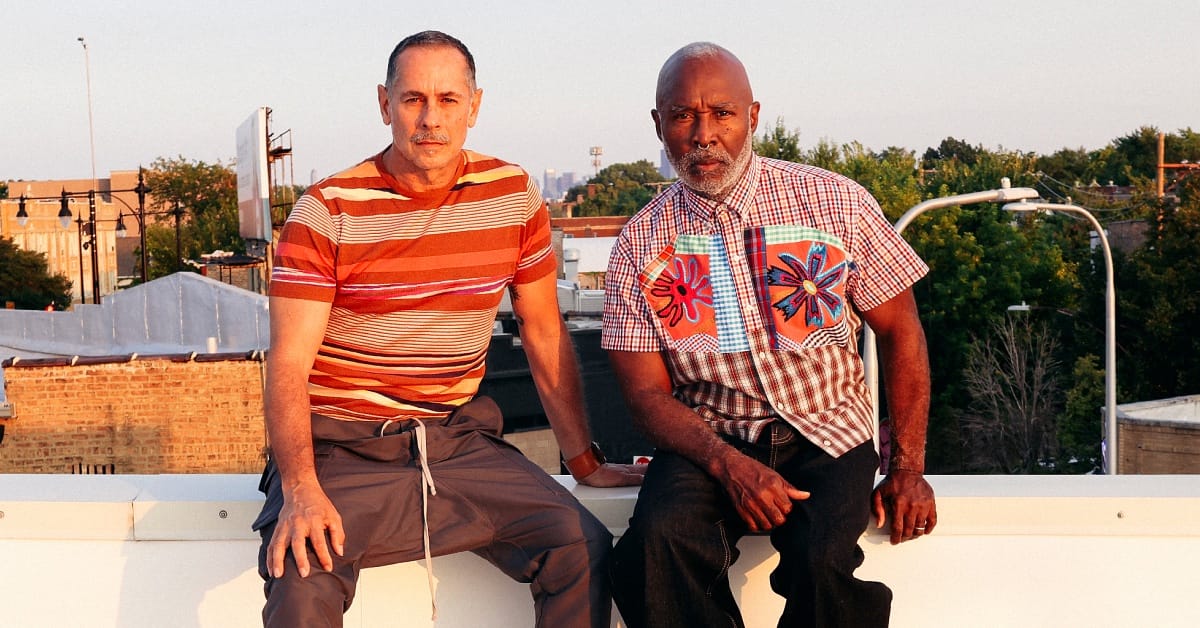
Beyond the headlines of the art market and the picket lines, archaeology is providing a new, biological dimension to our understanding of human creativity. A recent study has confirmed that human DNA can survive for millennia within the pigments of prehistoric cave paintings.
Implications of the Findings
For decades, researchers have analyzed the artistic techniques, iconography, and charcoal dating of cave art. However, the ability to extract DNA directly from the binders—the materials used to hold pigment to the rock—offers a revolutionary leap forward.
Scholar Sarah Bond notes that this development allows us to move beyond speculative anthropology. By analyzing the genetic material preserved in the walls of caves in regions like France and Spain, researchers can now identify the specific individuals or groups responsible for these artistic expressions. This provides a direct, biological link to the people who stood in these dark spaces thousands of years ago, offering a clearer picture of migration patterns, social structures, and the identity of the world’s first known artists.
Interviews and Cultural Icons
This week’s cultural landscape is also shaped by voices that challenge traditional hierarchies.
Ballroom Iconography: Andre Mizrahi Clark
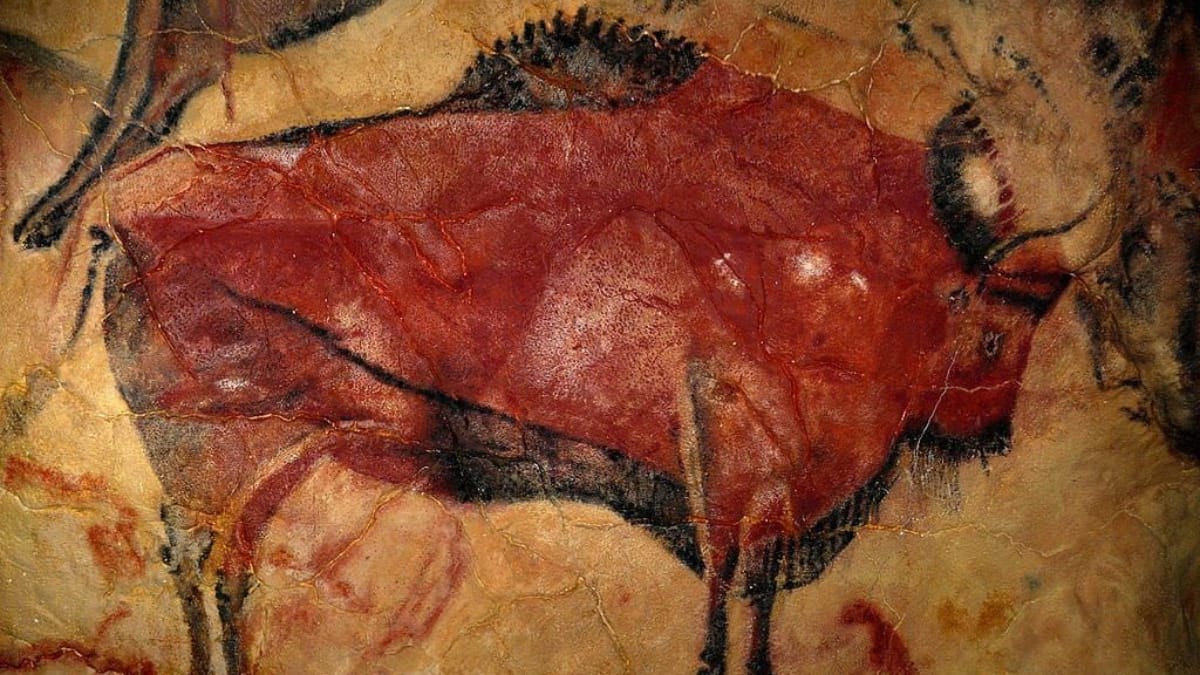
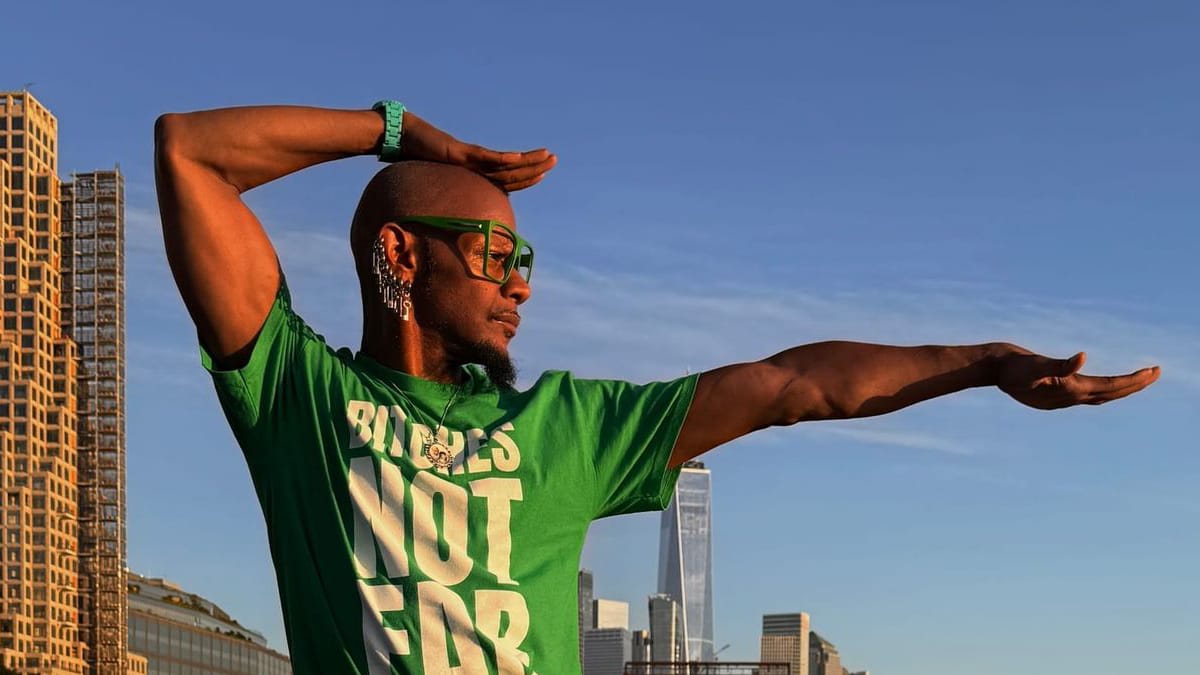
In an era of rapid cultural change, the wisdom of elders becomes paramount. Ballroom legend Andre Mizrahi Clark, interviewed by Hyperallergic, offered a reflection on his career that transcends the runway. "I want people to look at me and say, ‘Well, bitch, if he could do it, I know I still could do it,’" Clark stated. His words serve as a testament to the endurance of the Ballroom community and its role in providing a blueprint for survival and self-expression for marginalized youth.
Theoretical Intersections: Natalie Haddad and Jack Halberstam
The discourse around queer theory and the future of cultural critique is further enriched by Natalie Haddad’s recent interview with the scholar Jack Halberstam. Their conversation touches upon the "trans-theory at a slant," exploring how queer studies can remain radical and responsive to the current political climate. By analyzing how bodies exist in space—both in physical archives and societal structures—Halberstam provides a framework for understanding how identity is constructed in opposition to the status quo.
Supporting Data and Market Trends
The cultural sector is currently experiencing a "re-tooling" phase, visible in both the nonprofit and for-profit sectors.
- Institutional Stability: The Guggenheim labor dispute is emblematic of a broader trend within the "Big Five" museums in New York, where unionization has become the primary tool for staff to exert influence over administrative boards.
- Artistic Valuation: The market for post-war American painters like Philip Guston continues to remain robust, even as the focus shifts toward more nuanced, historically revisionist interpretations of their work.
- Interdisciplinary Growth: The collaboration between artists Nick Cave and Bob Faust for the inaugural Art Issue of Different Leaf highlights a growing trend: the convergence of fine art, fashion, and the emerging cannabis culture. This "expanded purview" suggests that the future of arts publishing lies in the intersection of subcultures that were previously kept separate.
Conclusion: The Path Forward
Whether it is the preservation of genetic material on a damp cave wall or the preservation of labor rights in a Manhattan museum, the themes of this week are clear: history is not a static object.
Philip Guston’s work reminds us that an artist’s practice must evolve to meet the "crumbling world." The workers at the Guggenheim are attempting to ensure that their own crumbling working conditions are rebuilt on a more equitable foundation. Meanwhile, the integration of genetics into art history reminds us that our ancestors were not merely mythical figures, but real, biological beings whose imprint remains on our world.
As we look toward the coming months, the convergence of these stories underscores a singular truth: the health of our culture depends on how we treat the people who create it, how we interpret the histories we inherit, and how we leverage the tools of science and art to define our collective future.
For more on these stories and ongoing coverage of the intersection of art and society, subscribe to the Hyperallergic daily newsletter.
 Basiran
 Muslim
 Evan Lee Salim
