

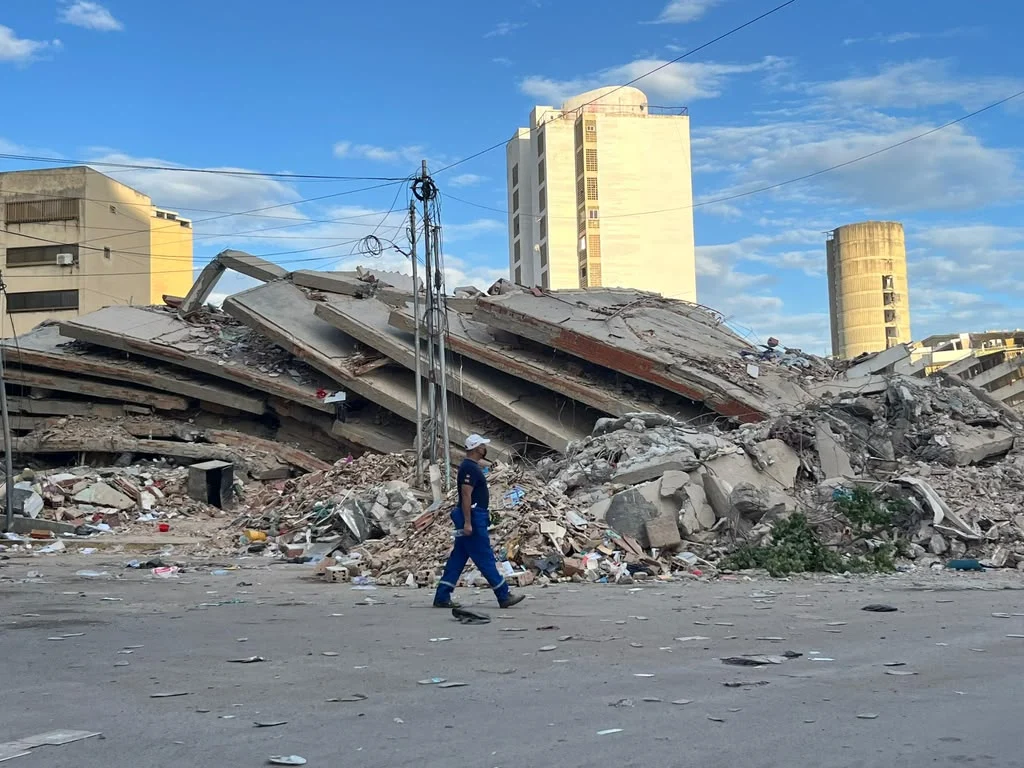
The Tremors That Tore the Coast
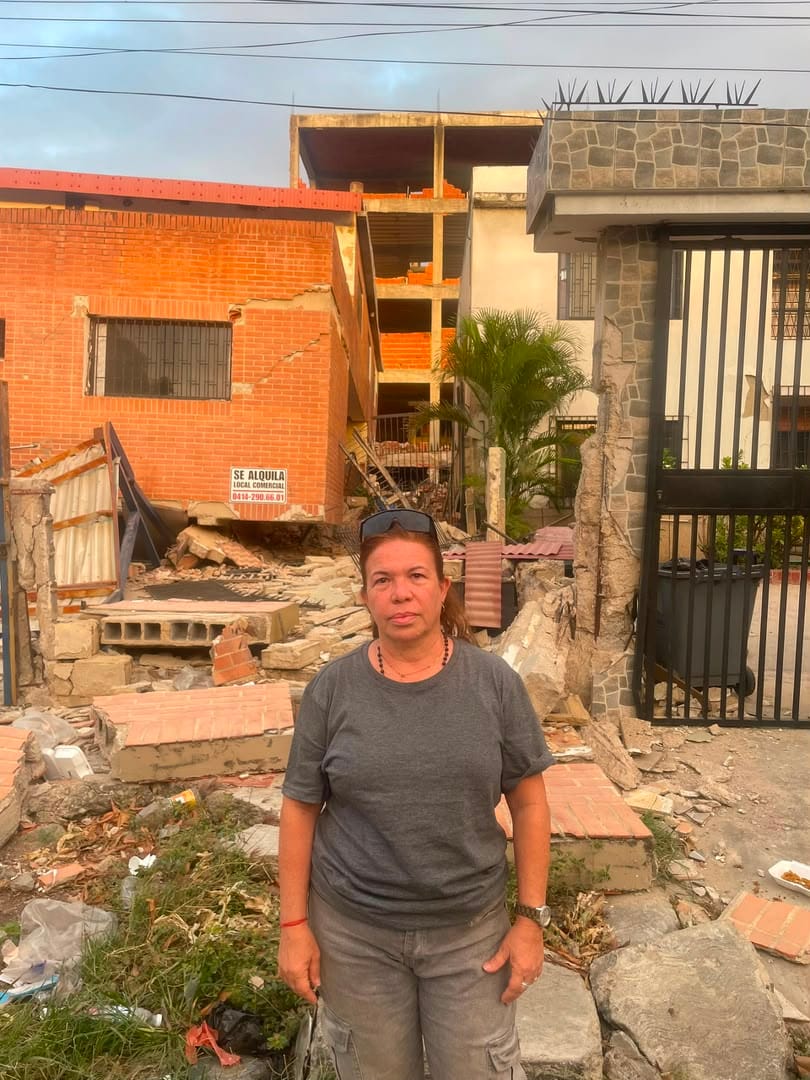
On the evening of June 24, the ground beneath the Venezuelan port city of Catia La Mar in La Guaira betrayed its inhabitants. For artist Gloria Blancato, the disaster began not with a siren, but with a violence that shattered reality. Asleep in her bedroom, she was jolted awake by tectonic forces so profound that the window panes disintegrated into lethal shards, raining down onto her bedspread as the structural integrity of her home buckled.
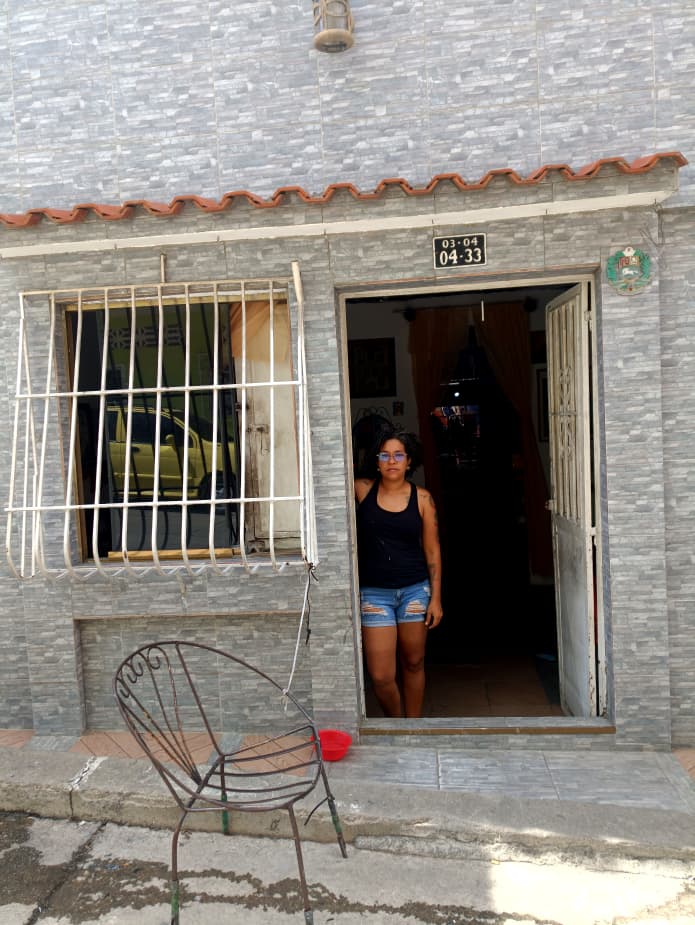
Clinging to her doorknob as the world dissolved around her, Blancato’s survival instinct took over. Amidst the chaos of collapsing masonry, she managed to locate her shoes, slip them on, and leap from the window of her two-story home. She escaped with her life, but the cost was immense: her legs are a tapestry of bruises, her feet swollen from navigating the jagged debris, and her home is now little more than a pile of rubble. Like thousands of others, she has spent the last week living in the open, exposed to the elements.
"I send this with my eyes filled with tears," Blancato wrote in a text message to her friends, a poignant missive she later shared with Hyperallergic. "I love you, don’t forget me."
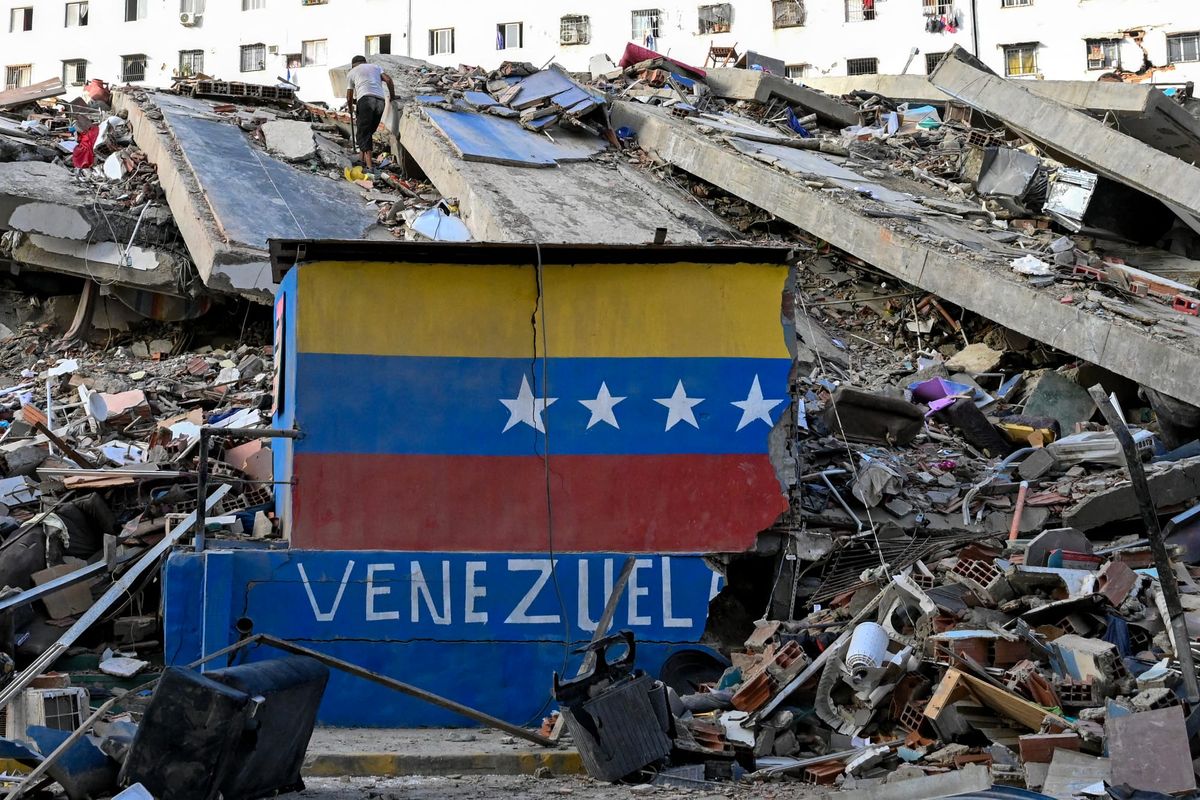
Blancato is just one face of a national catastrophe. Last week, Venezuela was struck by a "doublet" of earthquakes—seismic events measuring 7.5 and 7.2 in magnitude—that devastated the northern coast and sent shockwaves through the densely populated urban sprawl of Caracas. These are the most powerful tremors to strike the nation in over a century, leaving a trail of destruction that has brought a country already teetering on the edge of humanitarian crisis to its knees.
A Chronology of Calamity
The disaster unfolded with terrifying speed. On June 24, the primary tremors struck, catching the population largely unaware and unprepared. By the following morning, the scale of the devastation began to emerge, though the reality on the ground was far worse than initial estimates suggested.
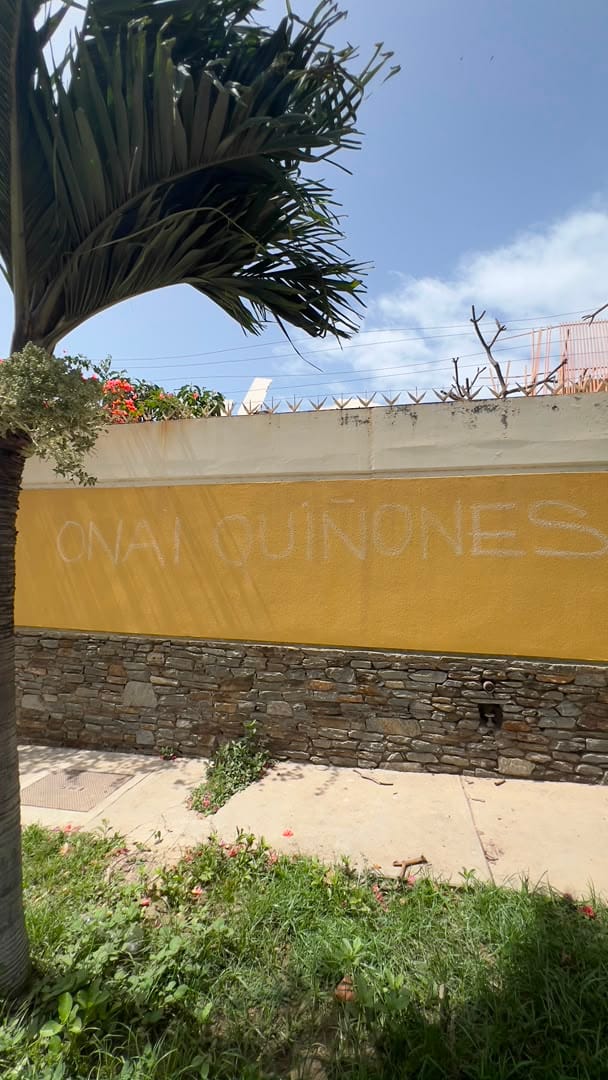
As the hours turned into days, the frantic search for survivors intensified. For the family and friends of beloved painter Onai Quiñonez, the hours after the quake were a desperate race against time. Quiñonez had been trapped under the debris of his residential building, leading to a massive, heart-wrenching effort by loved ones to dig him out. Artist Francisco Schutte, who specializes in concrete, helped organize the sourcing of heavy-duty jackhammers and specialized tools, working alongside neighbors to cut through massive beams. Despite their tireless, "beautiful effort," sources confirmed that Quiñonez did not survive.
By the weekend, the official death toll had surpassed 1,700, a figure widely criticized by local experts and relief workers as a gross undercount. Reports indicate that at least 50,000 people remain unaccounted for, their fates buried beneath the wreckage of collapsed apartment complexes and infrastructure.
Supporting Data: A Landscape of Loss
The sheer scope of the destruction is staggering. In La Guaira, a city known for its vibrant beaches and the iconic, multichromatic public artworks of Carlos Cruz-Diez, the current tragedy is compounded by historical trauma. Residents still carry the scars of the 1999 Vargas tragedy—a catastrophic series of landslides and floods that claimed thousands of lives.
"I was 11 years old at the time, and I lost everything, but I didn’t lose any family members," said textile artist Siul Rasse, who resides in La Guaira. "I’ve lost three relatives in the earthquakes, a niece and two cousins. I feel that I am reliving a trauma."
Rasse’s account is chillingly representative of the survivors’ psychological state. She was working on an embroidery piece in her studio when an urgent alert lit up her phone. Moments later, the earth heaved. She and her sister now live in a state of hyper-vigilance, taking turns sleeping with a "go-bag" packed at their side, terrified that any minor sound might signal another collapse.
Official Responses and Geopolitical Tensions
The disaster struck a nation already hollowed out by years of hyperinflation, crumbling infrastructure, and political instability. The capacity for a robust state-led emergency response was virtually non-existent, a consequence of decades of economic mismanagement and international sanctions.
The geopolitical dimension of the disaster has been equally fraught. Following the U.S.-led abduction of President Nicolás Maduro and the subsequent installation of Delcy Rodríguez as the acting leader, the administration of President Donald Trump has been accused of leveraging humanitarian aid as a bargaining chip. Critics argue that the distribution of aid has been strategically directed, with access to resources often predicated on the political and economic interests regarding the nation’s vast oil reserves.
The lack of coherent government action has resulted in massive communication blackouts. Power grids and internet infrastructure remain spotty, leaving millions in the dark regarding the status of their loved ones. In response, citizens have taken the lead. Armando Velutini Suñer, a Caracas-based sculptor, has shifted his focus from art to technology, working to install satellite antennas along the coast to restore communication lines for grieving families. "We’re doing this so that people can be in touch with their loved ones and have some peace," he noted. "Us Venezuelans, when we support each other, anything is possible."
The Creative Sector’s Mobilization
The most effective relief efforts have been those organized from the bottom up. The Venezuelan art community, in particular, has transformed itself into an ad-hoc emergency service.
At the Universidad Nacional Experimental de las Artes in Caracas, students and faculty have turned campus facilities into central supply hubs. Despite these efforts, the university has reported that dozens of students remain missing, adding a layer of academic and personal mourning to the relief efforts.
Cultural collectives, such as the Caracas-based group Polyriddim, Poliritmo, have repurposed their social media and messaging groups—previously used to organize film screenings and DJ sets—into coordination hubs for medical supplies and emotional support. For the millions of Venezuelans living in the diaspora, the frustration of physical distance has been channeled into massive digital fundraising and logistics coordination.
"I think we had never experienced an emergency of this magnitude, where the diaspora of more than 9 million Venezuelans and the millions of Venezuelans living there had to collaborate so urgently," said Berlin-based artist Ana Alenso. She warns, however, that the most difficult phase is yet to come: "The big challenge now is sustaining these initiatives, because this will take time and there is still much to be done."
The Resilience of Art in the Face of Ruin
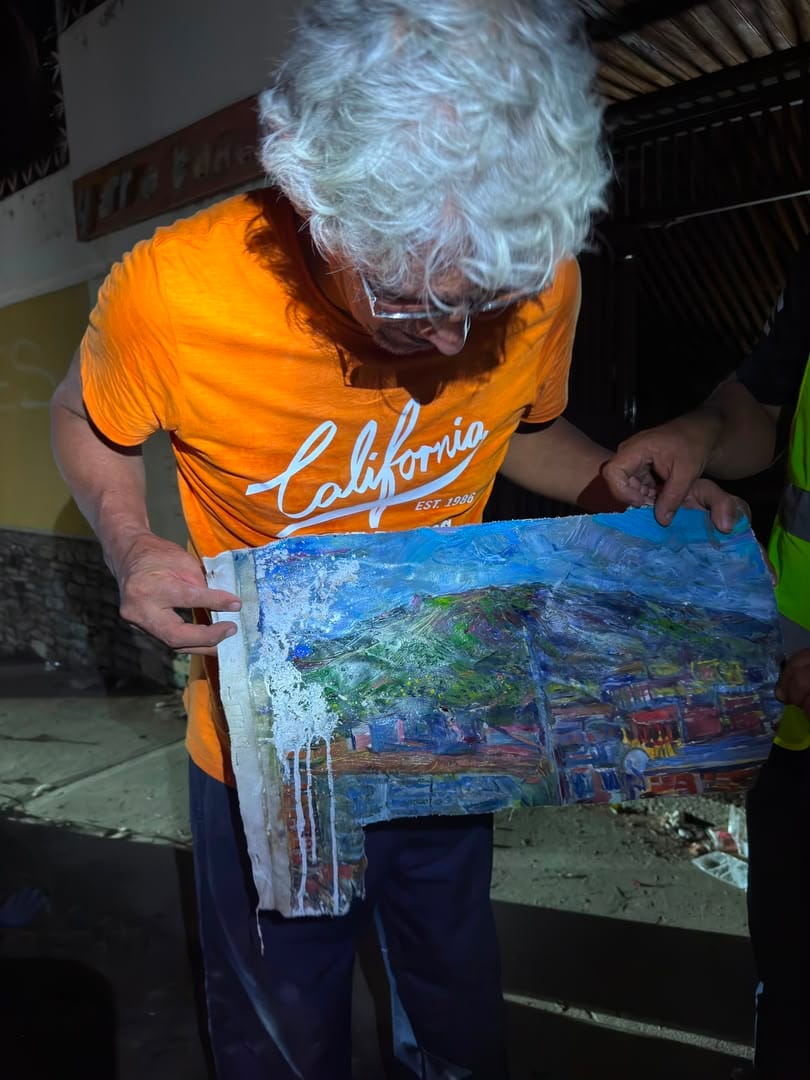
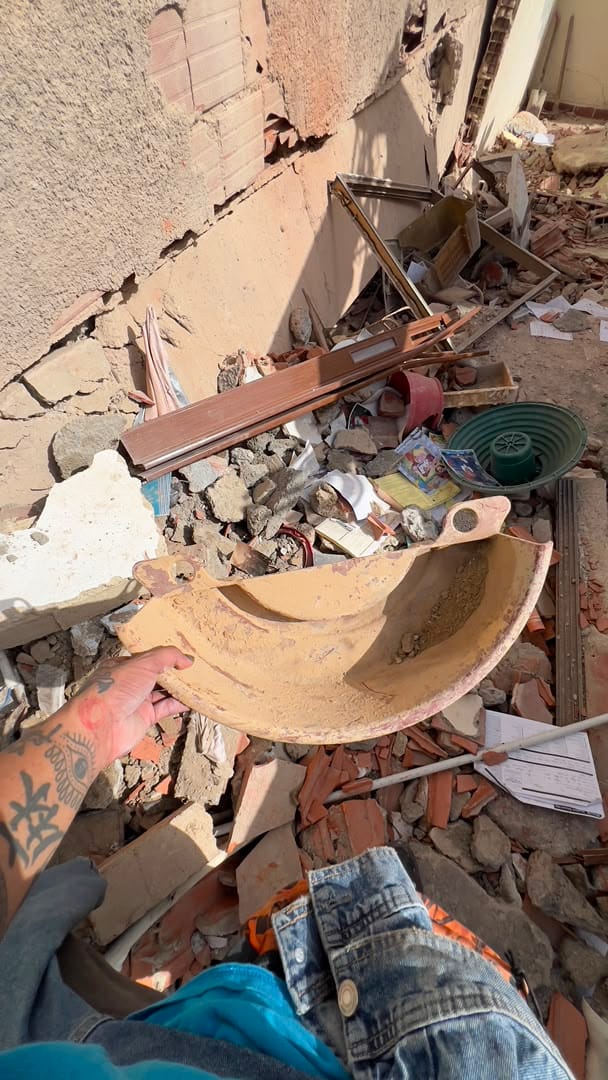
Amidst the dust and the sorrow, the role of the artist has evolved from creator to survivor and historian. In a series of photographs shared by Michael Wong, the aftermath of the quake is captured not just in the wreckage, but in the small, sacred items salvaged from it. One image shows the father of the late Onai Quiñonez holding a painting that survived the collapse of his son’s home; another displays a shattered pottery wheel tray belonging to the artist’s wife, Laura Silva, who herself led the search efforts for her husband.
Wong, who participated in the rescue and the memorial for Quiñonez, reflects on the necessity of continuing the creative process despite the overwhelming darkness. "Artists live to live—they never die," Wong said. "Onai is proof of that. I never met him in person, but I knew his work, and after getting involved in the rescue effort, I feel him as a close friend and a great loss for art, not just for Venezuela, but for the world."
The sentiment shared by many of these artists is one of defiance. In a country where the state has failed to protect them, the community has become each other’s only safety net. Whether through the installation of satellite antennas, the embroidery of textiles to sell for food, or the simple, brave act of keeping a painting intact among the ruins, the artists of Venezuela are proving that even when the ground fails, the culture remains the foundation upon which they will eventually rebuild.
As the search for the 50,000 missing continues, the world watches a nation that is physically fractured but spiritually bound by the necessity of survival. The road to recovery will be long, and for those like Gloria Blancato and Siul Rasse, the trauma will persist long after the last aftershock fades. Yet, in the shared stories of survival and the collective effort to save one another, there is a testament to the enduring, unbreakable spirit of a people who refuse to be forgotten.
 Muslim
 Evan Lee Salim
 Jia Lissa
