

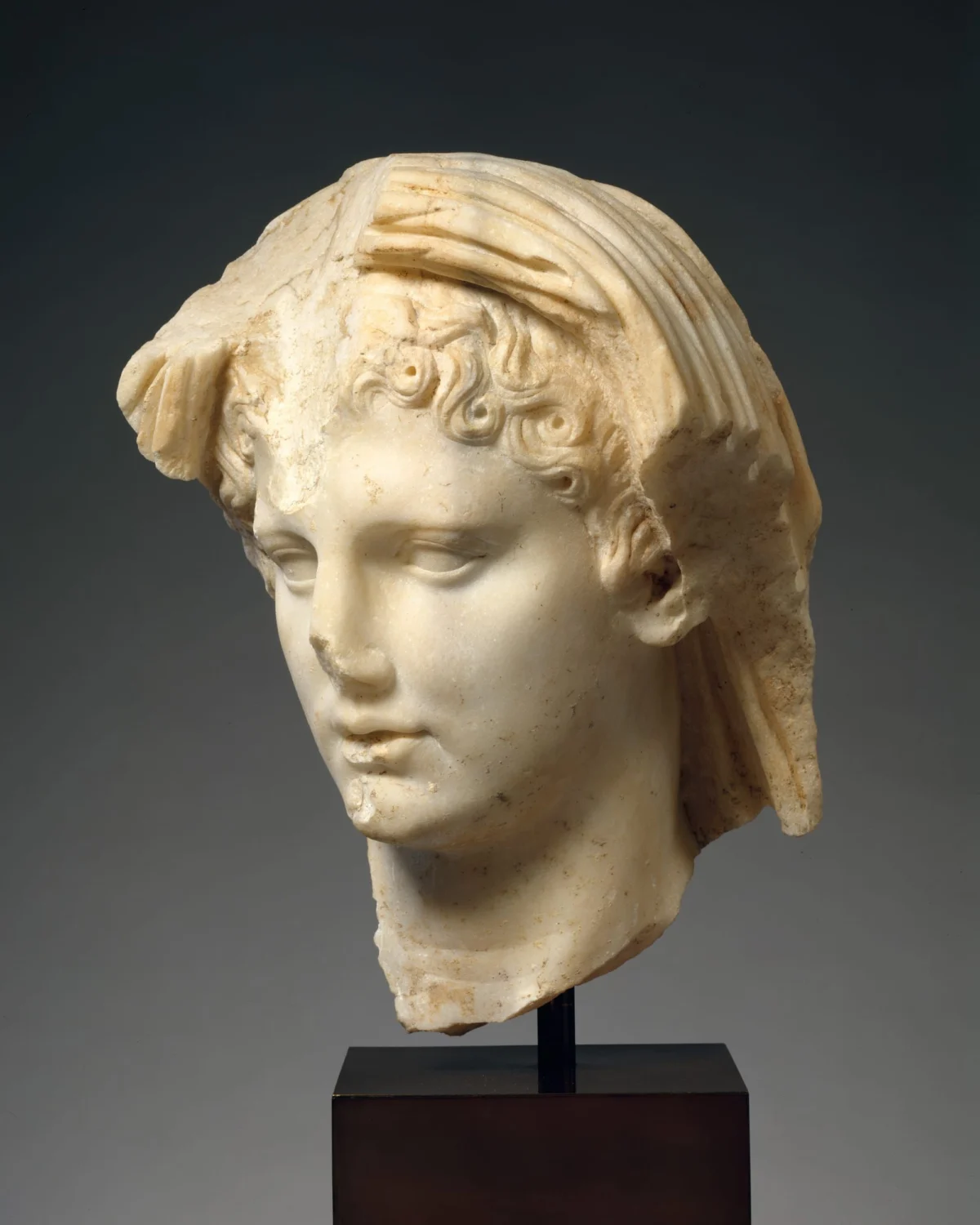
In a striking development that underscores the global crisis of illicit antiquities trafficking, the total valuation of stolen artifacts surrendered by New York’s Metropolitan Museum of Art has officially surpassed $95 million. This staggering figure follows a series of high-profile seizures and voluntary restitutions that occurred this past June, marking a pivotal moment in the institution’s long-standing attempt to rectify its acquisition history.
Since 2017, the Manhattan District Attorney’s Office—specifically its specialized Antiquities Trafficking Unit—has systematically audited the museum’s vast holdings. The result has been the recovery of 120 individual objects, ranging from modest pottery fragments valued at roughly $20,000 to monumental sculptures worth upwards of $26 million. This purge represents not merely a loss of physical inventory for one of the world’s most prestigious museums, but a profound shift in how elite cultural institutions must account for the origins of their collections.
The Scope of the Crisis: A Chronology of Restitution
The process of deaccessioning these objects is far from a new phenomenon, but the pace has accelerated significantly over the last seven years. The objects removed from The Met’s galleries in June of 2026 originated from diverse regions, including Italy, Greece, Egypt, and Turkey. These pieces, most of which were acquired by the museum between 1971 and 2001, were often obtained during an era when provenance documentation was notoriously lax or, in many cases, fabricated by well-connected dealers.
Key Milestones in the Recovery Effort:
- 2017: The Manhattan District Attorney’s Office intensifies its focus on the provenance of antiquities housed in New York City institutions, initiating a collaborative review of The Met’s records.
- 2022: A major diplomatic and cultural deal is brokered involving the collection of billionaire Leonard Stern. More than 150 Cycladic antiquities are formally transferred to Greece, though a controversial agreement allows the museum to retain them on a 25-year loan, sparking debate about the true nature of "repatriation."
- 2023: Recognizing the gravity of the mounting evidence, The Met formally institutes a dedicated, in-house provenance research team.
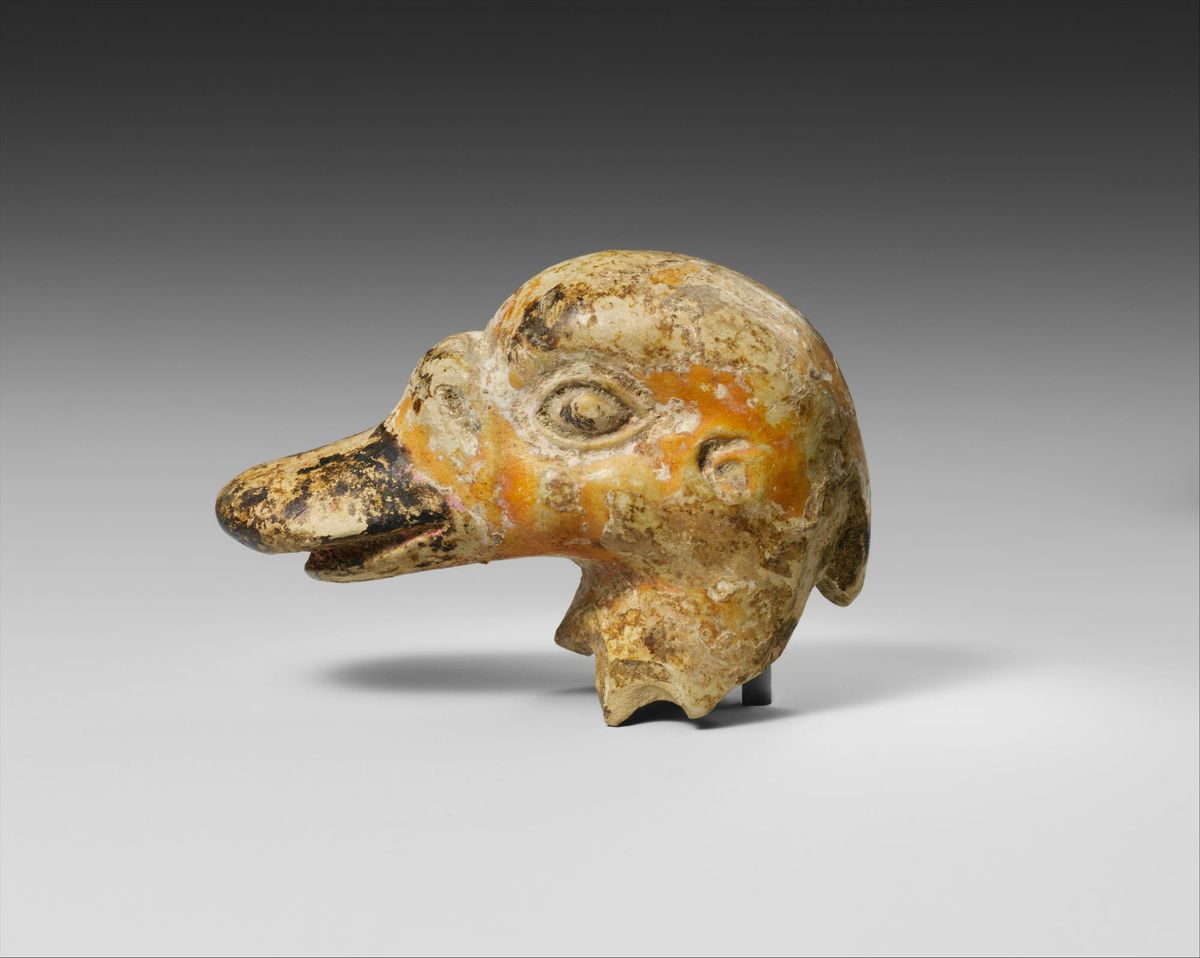
- 2026 (April): A rare 2nd-century BCE faience fragment of a duck askos (a flask with a spout) is restituted to Greece.
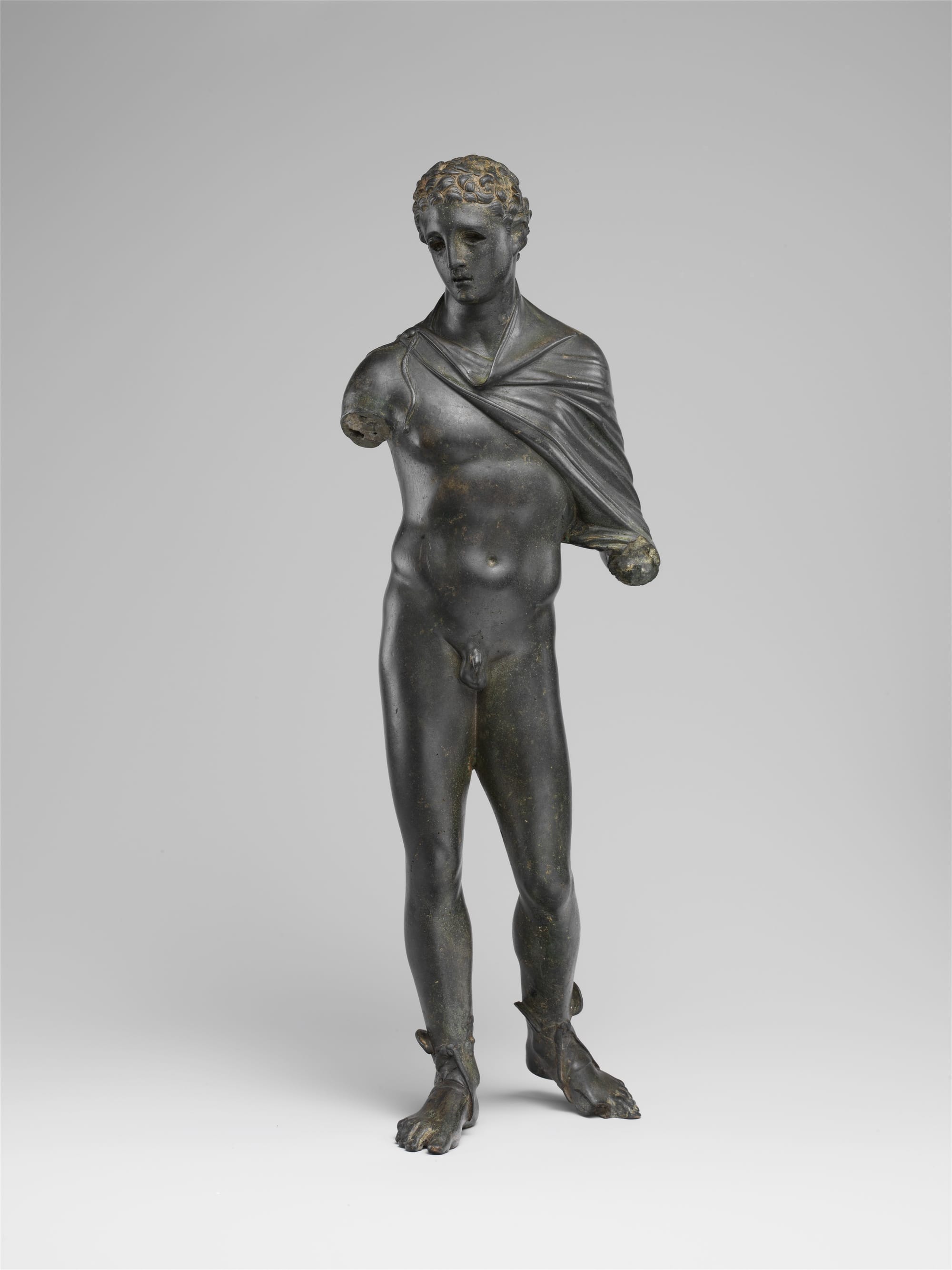
- 2026 (June): A fresh wave of seizures and voluntary returns occurs, including a 1st-century BCE to 1st-century CE bronze statuette of the god Hermes and a 1st-century CE marble bust, both returned to their respective countries of origin.
Investigative Methodology: The "Dirt" on the Provenance
How did investigators successfully identify these illicit items after decades of them being hidden in plain sight? According to officials from the Manhattan DA’s office, the most damning evidence was often found within The Met’s own internal archives.
Curatorial records, including original condition reports, acquisition notes, and even old polaroids from the mid-20th century, provided a roadmap for investigators. In several instances, artifacts arrived at the museum still encrusted with the very dirt from which they had been illegally excavated. Such physical evidence—when coupled with the systematic omission or falsification of ownership history—created an undeniable trail of illegality.
The investigative process involved the Manhattan DA’s office issuing subpoenas for object records related to specific, high-risk dealers who had long been suspected of operating transnational smuggling networks. Once the research was compiled, it was presented to the museum’s administration. While the term "seizure" is often used in headlines, the museum clarified that many of these objects are now being transferred voluntarily, following intense pressure and the discovery of irrefutable evidence linking them to criminal trafficking operations.
The Institutional Pivot: Expanding the Research Team
In response to the mounting public and legal scrutiny, The Met has significantly bolstered its internal capabilities. What began as a smaller administrative function has evolved into a robust 12-person team dedicated entirely to provenance research. This team is now led by Lucian Simmons, a veteran in the field and the former head of restitution at Sotheby’s.
Simmons faces the monumental task of reconciling the museum’s legacy with modern ethical standards. In a recent statement, he emphasized that these assessments are neither "straightforward nor speedy." Each artifact requires a deep dive into decades of documentation, correspondence, and, where possible, archaeological field reports. This is a slow, methodical, and often expensive process that reflects the broader industry’s pivot toward transparency.
Official Responses and the "Silent" Evidence
The official stance of the museum has been one of cooperation, though the subtext of the legal battle remains tense. Matthew Bogdanos, the lead prosecutor for the Manhattan District Attorney’s Antiquities Trafficking Unit, has maintained a firm position. When asked for comment regarding the ongoing seizures, he remarked to the New York Times that the continued return of these artifacts simply "spoke for itself."
The Met, for its part, has sought to frame these returns as a proactive commitment to the highest standards of stewardship. Beyond the 120 items seized or returned through the DA’s office, the museum noted that it has independently initiated 18 additional restitutions since 2017. This suggests a two-pronged strategy: on one hand, responding to legal pressure, and on the other, attempting to preempt further embarrassment by "self-policing" its collection.

Implications: The Future of Cultural Stewardship
The $95 million valuation of these items is not merely a financial statistic; it represents the loss of cultural heritage for source nations and a stain on the reputations of major museums. The implications of this ongoing audit are far-reaching:
1. The Death of the "No-Questions-Asked" Acquisition
The days of museums acquiring artifacts with thin provenance are effectively over. The modern standard of "due diligence" has shifted from merely ensuring that the seller claims the object is legal to requiring a verifiable chain of custody that dates back to the object’s discovery or to the 1970 UNESCO Convention.
2. The Power of Public-Private Collaboration
The success of the Manhattan DA’s Antiquities Trafficking Unit demonstrates that law enforcement and academic institutions must work in tandem. Without the subpoena power of the DA’s office and the internal expertise of the museum’s research teams, these objects would likely have remained on display indefinitely.
3. The Re-evaluation of "Repatriation"
The 2022 deal involving the Leonard Stern collection highlights a new, nuanced reality. Is a 25-year loan truly a return? Critics argue that such arrangements allow museums to maintain the prestige of an object while technically conceding ownership. As the pressure mounts to empty the "looted" shelves of Western museums, we can expect more debates regarding whether objects should be returned to their homes permanently or if they should exist in a state of "shared stewardship."
4. Financial and Reputational Risk
For the donors and board members who have historically tied their names to these collections, the deaccessioning of high-value items is a reputational blow. As the value of returned objects climbs toward the hundred-million-dollar mark, the museum’s board will face increasing pressure to justify their vetting processes and their relationships with high-profile collectors.
Conclusion
As the investigation continues, the list of objects leaving the Metropolitan Museum of Art is expected to grow. While the museum attempts to position itself as a leader in ethical provenance, the sheer volume of illicit items recovered since 2017 serves as a sobering reminder of how deeply embedded trafficking was in the global art market of the 20th century.
The $95 million in returned antiquities is a testament to the fact that, in the 21st century, the provenance of a piece is just as valuable as its aesthetic or historical significance. For The Met and its peers, the path forward requires not just the return of objects, but a complete transparency regarding the dark history that brought these treasures to New York in the first place. Whether this institutional "cleansing" will restore public trust remains the central question of this era in art history.
 Basiran
 Muslim
 Evan Lee Salim
