

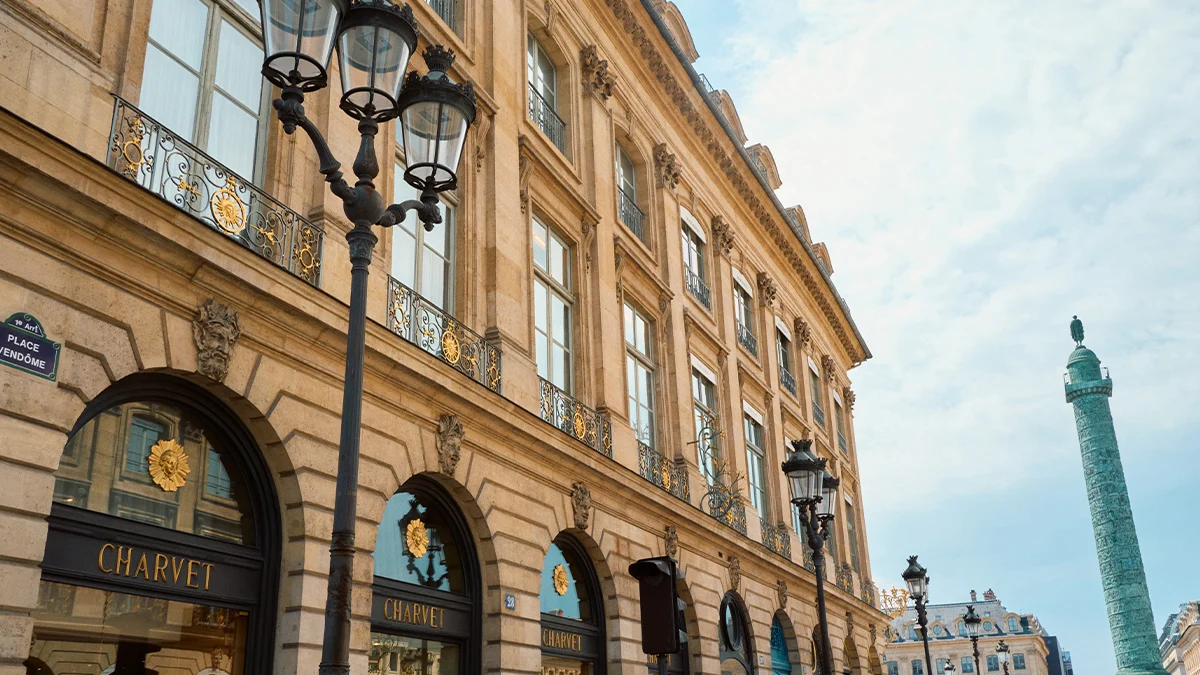
In a seismic shift for the global luxury landscape, the fashion house of Chanel has announced its acquisition of Charvet, the legendary French shirtmaker. The deal, confirmed on Thursday for an undisclosed sum, marks one of the most significant strategic realignments in the recent history of the storied Rue Cambon-based label. By bringing the world’s oldest shirtmaker into its fold, Chanel is not merely expanding its portfolio; it is making an aggressive, calculated play to dominate the menswear market, signaling a new era of "savoir-faire" consolidation.
The Genesis of a Deal: From Collaboration to Ownership
The acquisition follows the runaway success of a creative dialogue between the two houses. When Chanel’s creative director, Matthieu Blazy, unveiled his debut Spring 2026 collection, the centerpiece was a series of crisp, impeccably tailored long-sleeve shirts. Produced in collaboration with Charvet, these pieces—adorned with delicate pearl buttons and the iconic, weighted chain that has become a hallmark of Blazy’s tenure—struck a chord with both critics and consumers.
The market response was immediate. Despite price tags ranging from $3,900 for striped poplin iterations to $4,350 for classic white models, the shirts became a viral sensation, selling out almost instantaneously. For the executives at Chanel, the "Charvet effect" served as a proof of concept. It demonstrated that by marrying Chanel’s modern, high-fashion sensibilities with the deep-rooted technical mastery of a house like Charvet, the brand could command immense cultural and commercial authority. The acquisition is, in many ways, the institutionalization of that creative synergy.
A Chronology of Craft: The Charvet Legacy
To understand the weight of this acquisition, one must look at the lineage of Charvet. Founded in 1838 on the prestigious Place Vendôme by Joseph-Christophe Charvet—the son of Napoleon Bonaparte’s personal dresser—the house has long stood as the gold standard of bespoke shirting.
The 19th and 20th Century Ascent
From its inception, Charvet was the destination for the European elite. The brand survived the volatility of French history, maintaining its commitment to artisanal quality while the world around it industrialized. Throughout the 20th century, the house became synonymous with a specific type of refined, understated power. Its ledger of clients reads like a "Who’s Who" of the last two centuries: the writer Marcel Proust, the architect of post-war diplomacy John F. Kennedy, and the steadfast Winston Churchill. Even Coco Chanel herself was a devotee of the house’s precision, appreciating the intersection of architectural structure and soft, wearable luxury.
The Modern Era
Entering the 21st century, Charvet maintained a fierce independence, eschewing the rapid expansion tactics of many of its peers. By keeping production firmly rooted in France and maintaining a boutique, highly specialized business model, the brand preserved its status as a "best-kept secret" among the global elite. Now, as part of the Chanel ecosystem, that legacy is set to be scaled, albeit under the strict preservationist mandates that Chanel typically applies to its subsidiary artisanal houses.
The Chanel Ecosystem: Supporting Data and Strategy
Chanel’s strategy of acquiring heritage specialists—or Métiers d’Art—is well-documented, but the Charvet deal represents a departure from purely technical acquisitions. Previously, Chanel acquired entities to secure its supply chain: the glove-maker Causse (2012), the cashmere house Barrie (2012), and the swim-wear specialists Orlebar Brown (2018).

The Menswear Pivot
While Chanel has historically been synonymous with womenswear, the Charvet acquisition is the definitive "menswear answer" the brand has been seeking for decades. The move is complemented by the Wertheimer family’s recent investment in The Row, the label helmed by Mary-Kate and Ashley Olsen. Together, these moves suggest a multi-pronged approach to the masculine market: one rooted in the quiet luxury of bespoke tradition (Charvet) and another in the minimalist, contemporary luxury space (The Row).
Financial Implications
While the purchase price remains confidential, market analysts estimate that the acquisition will bolster Chanel’s menswear revenue share, which has historically trailed its womenswear dominance. By owning the manufacturing facility and the brand IP, Chanel gains full control over the quality, distribution, and narrative of its future menswear offerings.
Official Responses: Aligning Philosophies
The acquisition has been framed by both parties as a marriage of values rather than a simple corporate takeover. Bruno Pavlovsky, president of fashion activities at Chanel and Chanel SAS, emphasized the alignment of the two houses’ philosophies.
"We are delighted by this association with Charvet, which holds a special resonance for Chanel," Pavlovsky said in a formal press statement. "We share the same approach to savoir-faire: with exacting standards, respect, and the conviction that such skills only truly flourish when rooted in longevity."
For the leadership at Chanel, Charvet represents more than just a shirt factory; it represents a philosophy of "slow luxury." In an era of disposable, trend-chasing fashion, the house believes that the enduring nature of Charvet’s craftsmanship provides a counter-narrative that is increasingly valuable to the modern, high-net-worth consumer.
The New Paradigm: Implications for the Industry
The implications of this deal are far-reaching, setting the stage for a new competitive landscape in luxury fashion.
1. The Redefinition of "Chanel for Men"
Pavlovsky’s quote to The New York Times—"Now we have a name, Chanel, for women, and a name for men, Charvet"—is a bold declaration of intent. It suggests that Chanel does not intend to simply slap its logo on menswear; it intends to build a standalone, credible masculine identity through the Charvet infrastructure. This could mean a significant expansion of Charvet’s retail footprint globally, fueled by Chanel’s immense marketing and real-estate resources.

2. The Consolidation of French Craft
This deal continues the trend of major conglomerates (LVMH, Kering, and Chanel) absorbing independent heritage brands to protect them from extinction. While critics argue that this leads to the homogenization of fashion, proponents suggest that it is the only way to preserve the specialized, labor-intensive techniques that define high-end garment making.
3. A Shift in Retail Strategy
Expect to see a "shop-in-shop" evolution. Chanel boutiques globally may soon feature dedicated Charvet tailoring suites, blending the two brands’ retail experiences. This move will likely disrupt the traditional luxury department store business, as Chanel seeks to capture the entirety of the customer’s shopping journey—from a tweed jacket for her to a custom-measured shirt for him.
Looking Ahead: The Future of the Shirt
As the dust settles on the announcement, the fashion world turns its eyes to the upcoming runway seasons. Will we see a full-scale men’s collection under the Charvet banner, designed by the creative team at Chanel? Will Charvet’s bespoke services be integrated into the personalized experience of Chanel’s most loyal clients?
One thing is clear: the acquisition of Charvet is a definitive statement of intent. Chanel is no longer content to be a guest in the world of menswear; with this purchase, it has effectively bought the keys to the kingdom. By securing one of the most respected names in sartorial history, Chanel has ensured that while its name may define the future of women’s fashion, its reach will now define the standard for the modern man.
In the high-stakes, fast-moving world of luxury, Chanel has executed a move that is both profoundly traditional and strikingly modern—a true reflection of the house’s enduring ability to stay ahead of the curve while holding fast to the threads of history.
 Siti Muinah
 Nana
Nana
