

By Ryan Epps | July 4, 2026
The weight of legacy is a heavy burden for any creative team, particularly when the source material is Masamune Shirow’s 1989 manga, Ghost in the Shell. For nearly four decades, the franchise has served as the bedrock of cyberpunk aesthetics, influencing everything from the Wachowskis’ The Matrix to the interactive landscapes of modern gaming. However, with the premiere of Science Saru’s new anime adaptation at Anime Expo this July, it is clear that the franchise has finally found a way to honor its roots while daring to evolve.
By eschewing the somber, detached existentialism of previous iterations in favor of a more vibrant, grounded, and character-driven approach, this new series is poised to redefine what fans expect from the Major.
The Chronology of a Cyberpunk Legend
To understand the significance of this new project, one must contextualize its place within the franchise’s dense history. Since the manga’s debut, Ghost in the Shell has functioned as a chameleon, constantly shifting to reflect the anxieties of its contemporary era:
- 1989: Masamune Shirow publishes the original Ghost in the Shell manga, introducing a world of high-tech espionage and philosophical inquiry.
- 1995: Mamoru Oshii releases the landmark feature film. Its slow, meditative pacing and dark, philosophical tone established the "Ghost" as a cold, introspective vessel.
- 2002: Stand Alone Complex launches, moving the property toward a procedural, political thriller format that expanded the world-building of Section 9.
- 2013-2020: The Arise series and SAC_2045 attempted to modernize the franchise with varying levels of success, often struggling to balance technological commentary with character growth.
- 2026: Science Saru premieres its new vision, promising a "100% adaptation" of the manga’s spirit, reimagined through a modern, kinetic lens.
A Humanizing Shift: The New Motoko Kusanagi
The most striking departure in the 2026 series is the characterization of Major Motoko Kusanagi. Historically, the Major has been portrayed as a stoic, almost ethereal figure—a woman whose humanity is constantly questioned by the synthetic nature of her shell.
In the Science Saru adaptation, the Major is undeniably human. She is spunky, quick-witted, and emotionally accessible. She isn’t just a leader; she is a "boss-lady" who actively nurtures her team. This version of Kusanagi expresses vulnerability, cracks jokes under pressure, and displays a genuine warmth that contrasts sharply with the "cold leader" archetype seen in the 1995 film.
This shift is not merely cosmetic. By making the Major more relatable, the series creates a higher emotional stake for the audience. When she hacks a suspect’s ghost or navigates a digital landscape, it feels like a personal act rather than a mechanical task. She isn’t just a machine questioning her soul; she is a woman navigating a hyper-connected world with a sense of agency that feels remarkably fresh for 2026.
Technical Brilliance: The Direction of Mokochan
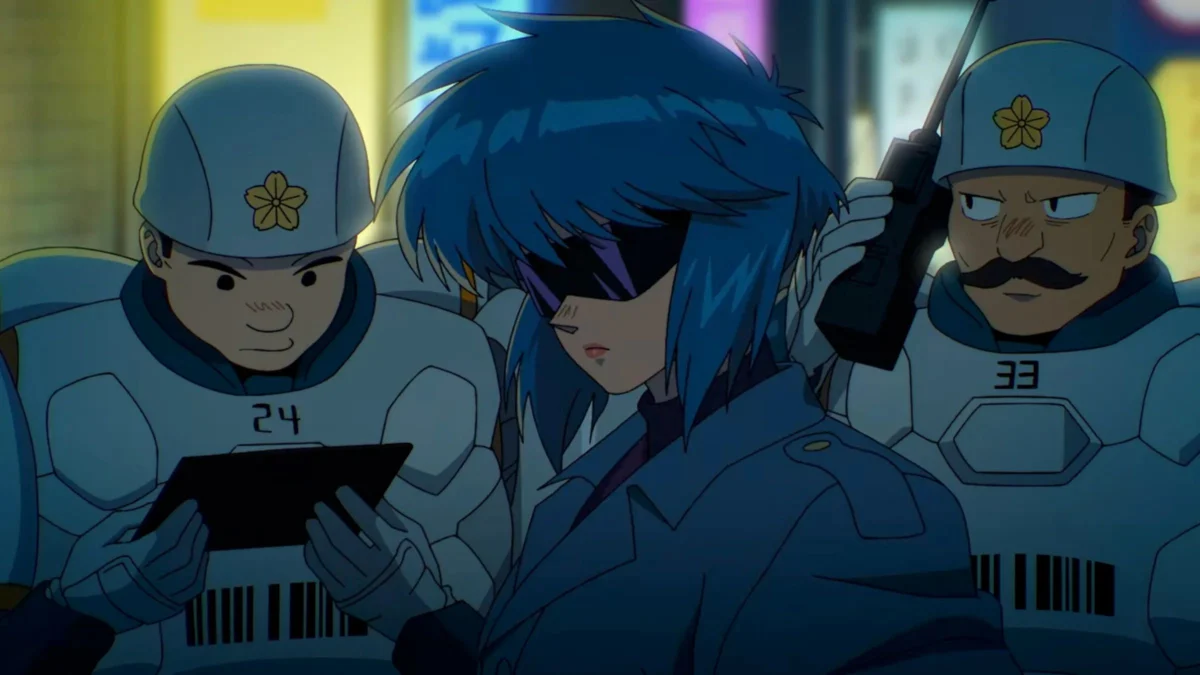
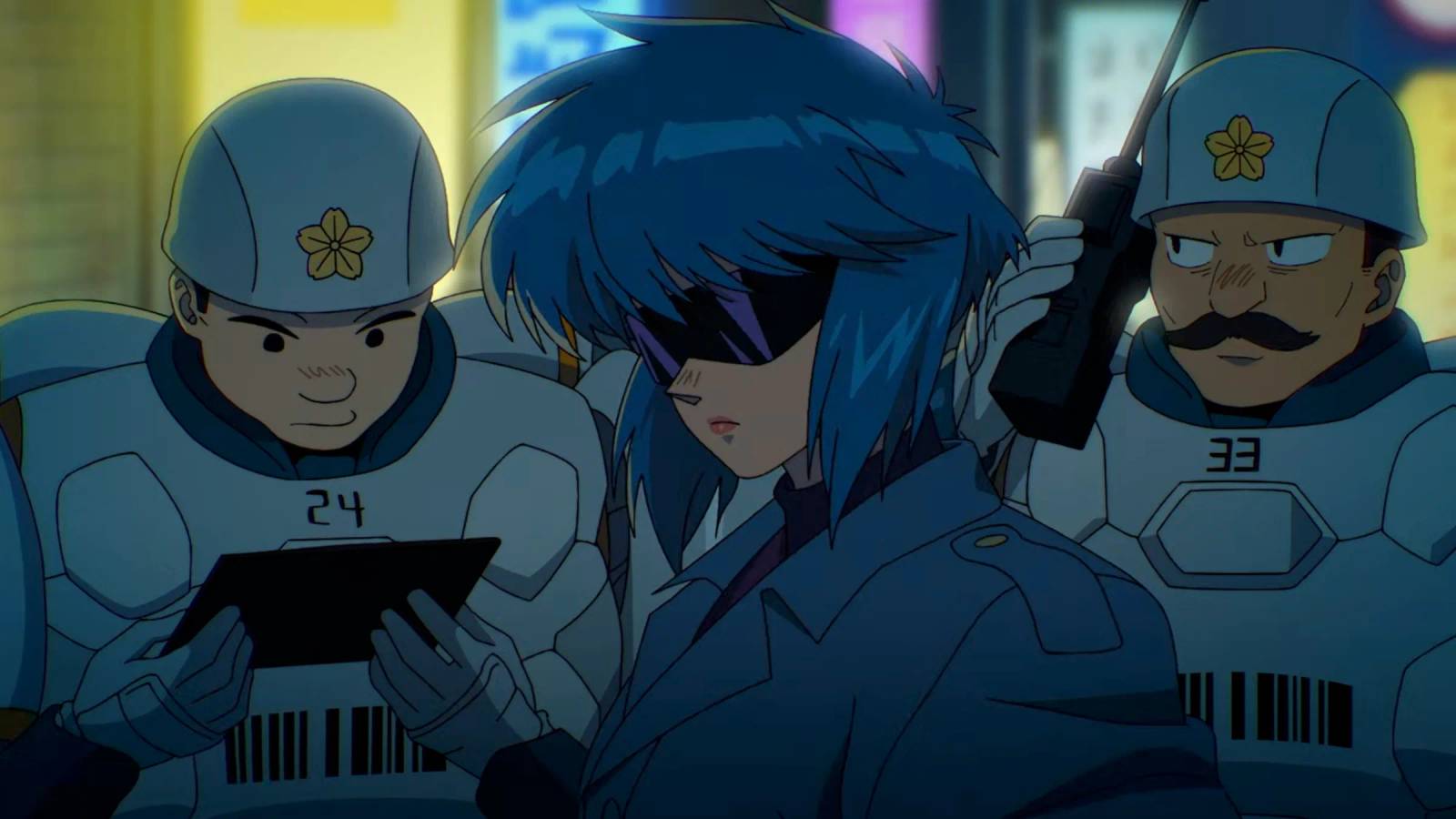
Under the direction of Mokochan, the series utilizes a visual language that feels distinct from the brooding, rainy atmosphere of past adaptations. The animation is defined by an explosive use of color and inventive cinematography.
The director makes excellent use of varied perspectives—shifting between traditional third-person shots, the distinct visual filters of brain-diving, and the tactical, multi-angled views provided by the Fuchikoma tanks. This creates a sense of immersion that invites repeat viewings; there is simply too much detail in the frame to capture in a single watch.
Particularly noteworthy is the use of "spectral lighting." In several key scenes, natural sunlight pours through office or apartment windows, bathing the characters in a warm, ethereal glow. This aesthetic choice bridges the gap between the gritty, industrial world of Section 9 and the organic, lived-in reality of the characters, grounding the cyberpunk setting in something that feels tangible and vibrant.
Supporting Data: Why This Matters Now
The themes of Ghost in the Shell—surveillance, the erosion of the barrier between human and digital consciousness, and the politics of corporate-owned infrastructure—are arguably more relevant in 2026 than they were in 1989.
While previous iterations often buried these themes under layers of dense, philosophical jargon, this new series uses them as the engine for its storytelling. The show moves away from the "dark and brooding" tropes of the early 2000s, instead opting for a "vibrant and realistic" tone.
According to early screenings at Anime Expo, the show manages to maintain the core intellectual inquiry of the manga while keeping the pacing tight and the energy high. By integrating a "jazzy, electronic" score that pays homage to the iconic sounds of Innocence and Stand Alone Complex, the series creates a sonic environment that feels both nostalgic and cutting-edge.
Official Perspectives: The Studio’s Goal
Science Saru has been transparent about its intent: the studio aimed to create a series that wasn’t just a "nostalgia play," but a love letter to the Ghost in the Shell mythos. By pulling specific scenes from the manga and previous films and recontextualizing them, the creators have built a bridge between the old guard and a new generation of viewers.
"We wanted to see what happens when you treat the Major not as a vessel for philosophy, but as a person with a ghost, a team, and a life," noted a spokesperson for the production team during the Expo. "The technology is scary, yes, but the people living through it—those are the ones we want the audience to care about."
Implications: Is This the Definitive Adaptation?
The primary implication of this release is that the Ghost in the Shell franchise has successfully avoided the trap of stagnation. By pivoting away from the "cold, cyborg" tropes, Science Saru has proven that the IP can survive and thrive in a modern context.
If the quality of the first two episodes is maintained throughout the full season, this could well be the most significant anime release of the decade. It satisfies the hardcore manga enthusiasts who have long awaited a more faithful translation, while simultaneously offering a fresh, fun, and accessible entry point for newcomers.
The series doesn’t shy away from the darker implications of a networked society, but it frames them within a world that feels worth saving. It is a masterclass in adaptation: acknowledging the past, improving upon the structure, and breathing new life into a world that once seemed destined to remain trapped in the past.
The Ghost in the Shell premieres on Prime Video starting July 7, 2026. Based on its debut, it is an essential watch for anyone interested in the future of animation and the enduring power of cyberpunk storytelling.
 Azzam Bilal Chamdy
 Lina Hope
 Layla Zulfa
