

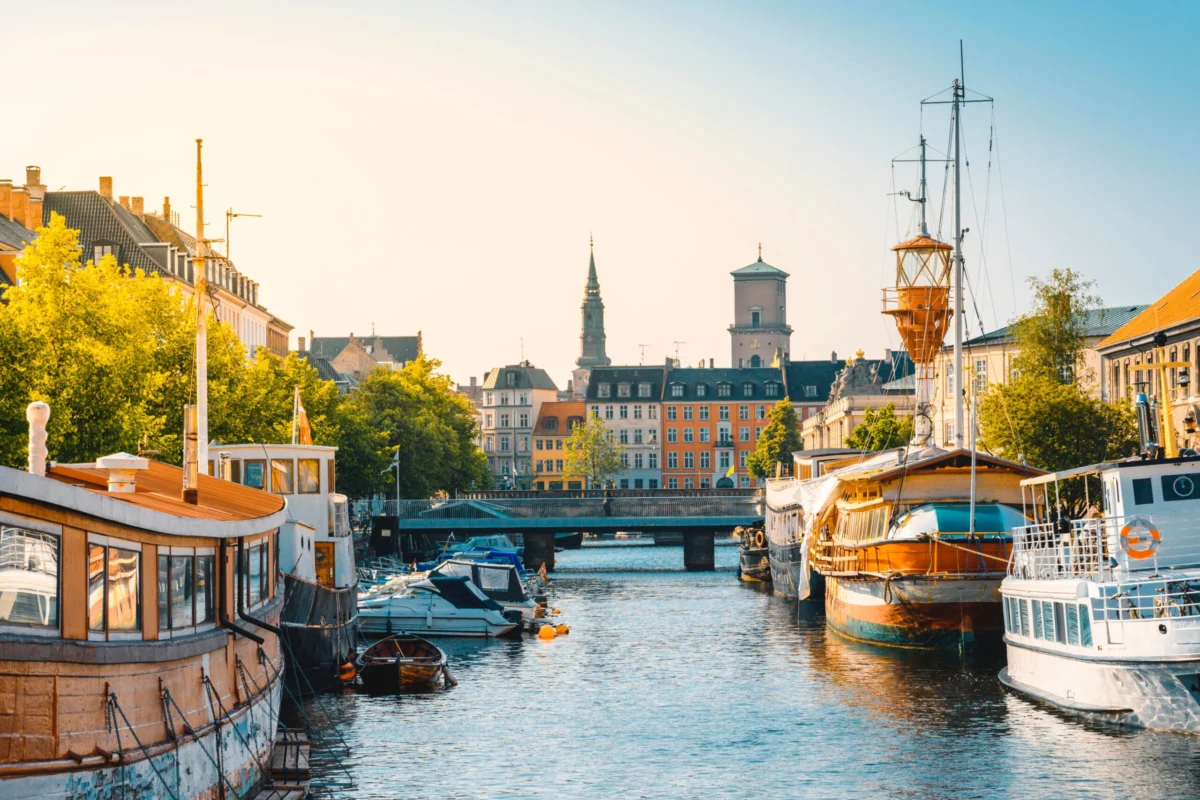
For the modern global citizen—the digital nomad seeking a high-speed connection in a historic square, or the jet-setter looking for a base of operations that balances professional opportunity with quality of life—the concept of "home" is increasingly fluid. Yet, as the world becomes more interconnected, the quest for the "ideal" city has shifted from a matter of personal whim to a data-driven pursuit. Where do infrastructure, healthcare, and cultural vibrancy intersect to create the ultimate urban experience?
The Economist Intelligence Unit (EIU) has once again provided the definitive answer with its 2026 Global Liveability Index. By quantifying the intangible qualities of urban life across 173 cities, the EIU offers a roadmap for those considering a permanent relocation.

The Metrics of Modern Living: Understanding the Index
The EIU’s Global Liveability Index is not merely a popularity contest; it is a rigorous diagnostic tool. To arrive at their annual rankings, researchers evaluate cities against 30 qualitative and quantitative indicators, clustered into five primary pillars:
- Stability: Measuring the prevalence of crime, civil unrest, and the threat of conflict.
- Healthcare: Assessing the availability and quality of both public and private medical care.
- Culture and Environment: Factoring in climate, corruption, social and religious restrictions, food and drink, and recreational offerings.
- Education: Analyzing the availability and quality of both public and private schooling.
- Infrastructure: Evaluating the quality of roads, public transport, housing, and telecommunications.
By assigning each city a score out of 100, the EIU provides a standardized metric that allows for a direct comparison between vastly different urban landscapes.

2026: A Year of Geopolitical Volatility and Healthcare Resilience
The 2026 report reveals a global landscape caught in a delicate tug-of-war between rising geopolitical tensions and advancements in public health. The average livability score across the 173 surveyed cities stands at 76.1—a figure identical to the 2025 results. This stagnation, however, belies a turbulent underlying reality.
The Impact of Global Conflict
The past year has been defined by significant disruptions to international peace. The report explicitly cites the ongoing war in Ukraine, the recent escalation of the Iran war, and the complexities surrounding U.S. military engagement in Venezuela as primary drivers of regional instability. These conflicts have rippled through the index, causing a notable decline in the "stability" category for many metropolitan areas.

When stability falters, the ripple effects are immediate: increased security measures, economic uncertainty, and a dampening of cultural activity. Had these geopolitical factors not been offset by progress elsewhere, the global average would have undoubtedly slipped.
Healthcare as the Great Balancer
The stabilizing force in this year’s data is the healthcare sector. Across the globe, municipalities have continued to invest heavily in post-pandemic health infrastructure. From the integration of AI-driven diagnostic tools to the expansion of public health access in emerging markets, these improvements have buoyed the overall index. The gains in healthcare quality have essentially acted as a shock absorber, neutralizing the negative impact of regional instability and keeping the global average steady.

Regional Performance: Where the World Thrives
The geographical breakdown of the 2026 index highlights a shifting tide in urban excellence.
Western Europe: The Gold Standard
Western Europe retains its crown as the world’s most livable region, boasting an aggregate score of 91.7. Characterized by robust public infrastructure, high social safety nets, and a deep integration of culture and public space, European cities continue to dominate the top tiers of the list.

The Australian Surge
Perhaps the most notable finding in the 2026 data is the performance of Australia. With three cities securing positions in the top 10, Australia has cemented its status as a premier destination for those prioritizing quality of life. The combination of geographic isolation from major geopolitical flashpoints, high standards of environmental management, and strong public services makes Australian cities perennial favorites for expatriates.
Asia: The Most Improved Player
While Europe and Oceania lead in absolute numbers, Asia has shown the most significant growth. With an average score increase of 0.3 points, the region has reached an overall rating of 73.9. This improvement reflects massive investments in urban infrastructure and education in major Asian hubs, signaling a closing of the gap between the traditional Western powerhouses and the rising stars of the East.

The Missing Link: The US Absence
One of the most persistent trends in the EIU report is the absence of United States cities from the global top 10. For a country that is often at the forefront of economic and technological innovation, this exclusion is a frequent point of debate.
The EIU data suggests that while American cities offer unparalleled economic opportunities, they frequently underperform in the index’s categories related to public infrastructure and long-term stability. Issues such as the affordability of healthcare, the disparity in public education quality, and higher rates of civil unrest often result in lower scores compared to their European and Australian counterparts. For the American traveler-turned-resident, the U.S. presents a high-reward, high-volatility environment that, according to the EIU’s specific metrics, struggles to match the holistic "liveability" found in smaller, more cohesive global cities.

Implications for the Future of Urban Planning
The 2026 index serves as more than just a rankings list; it is a signal to policymakers. The data suggests that future urban success will be defined by "resilience."
Cities that prioritize sustainable healthcare and robust public services are better positioned to weather the storms of global instability. As we look toward the remainder of the decade, the cities that climb the ranks will be those that successfully balance the demands of a globalized economy with the fundamental human need for safety, health, and community.

A Note on the Methodology
It is essential to view these rankings through a specific lens. The EIU survey, conducted in May 2026, reflects a snapshot in time. As the world continues to evolve, so too will these rankings. For those using this index to plan a major life move, it is recommended to weigh the index scores against personal priorities. A city that ranks high for public transport may not necessarily be the right fit for someone seeking a specific climate or cultural environment.
Conclusion: Crafting Your Own Path
As the world navigates the complexities of the mid-2020s, the EIU’s Global Liveability Index provides a vital compass. While the macro-trends point to a world defined by the tension between conflict and progress, the micro-reality for the individual remains a search for a place that feels like home.

Whether you are drawn to the high-scoring, stable urban landscapes of Australia, the culturally rich corridors of Western Europe, or the rapidly evolving metropolises of Asia, the 2026 index makes one thing clear: the definition of a "livable city" is expanding. It is no longer enough for a city to simply be wealthy; it must be resilient, it must be healthy, and it must offer a quality of life that stands up to the challenges of an uncertain age.
For the modern resident, the world remains open—and for the first time, we have the data to understand exactly what makes a place worth staying.
 Sagoh
Sagoh
 Asro
Asro
