

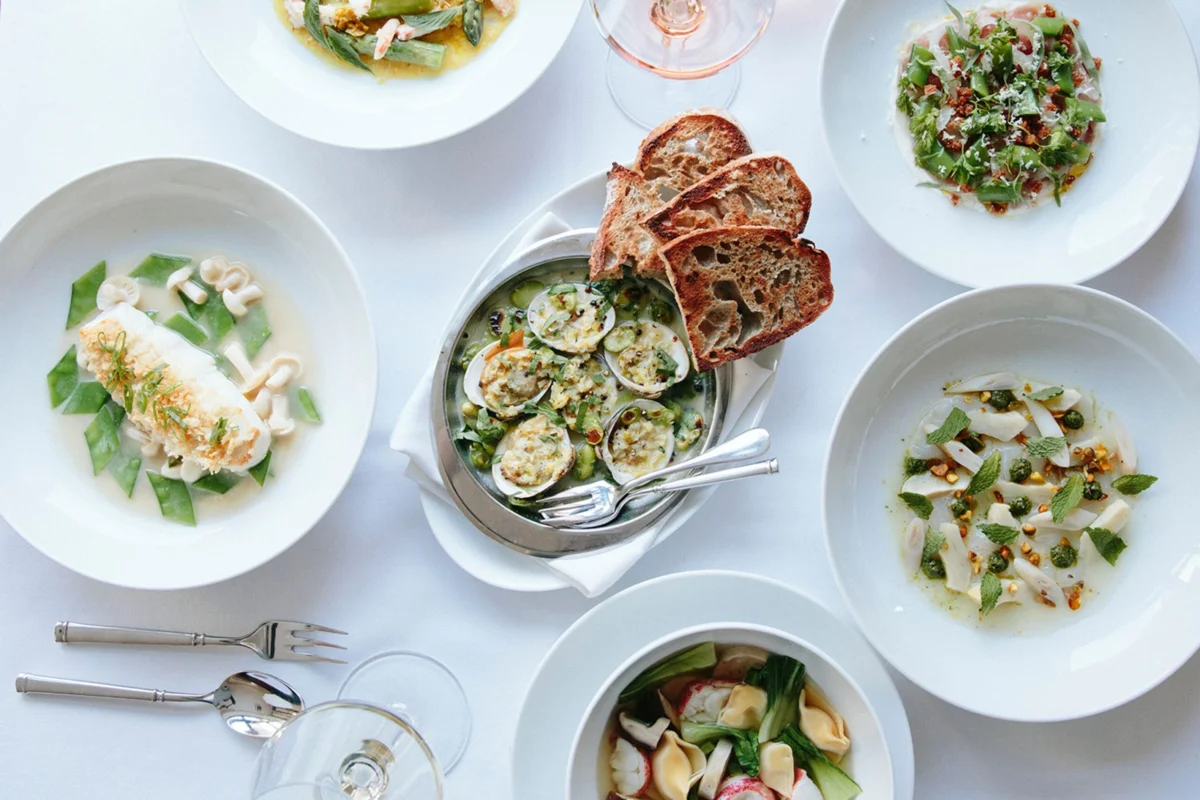
Boston is currently experiencing a historic convergence. As a host city for the 2026 FIFA World Cup and a central stage for the nation’s 250th-anniversary celebrations of the American Revolution, the “Hub of the Universe” is basking in an unprecedented level of global scrutiny. However, for those who call the Bay State capital home, this international spotlight serves only to confirm what locals have long championed: Boston is a city that balances the weight of its colonial heritage with the relentless, innovative spirit of a modern, multicultural metropolis.
While the iconic silhouettes of the Freedom Trail and the timeless allure of a buttery lobster roll or a steaming bowl of New England clam chowder remain integral to the city’s identity, they no longer define its boundaries. Today, Boston’s dining scene is undergoing a sophisticated metamorphosis, shedding its reputation as a staid, tradition-bound hub to embrace a future defined by global fusion, high-concept omakase, and sustainable, community-driven gastronomy.
The Evolution of the Boston Table: Main Facts
The shift in Boston’s food culture is not a rejection of its roots, but an evolution fueled by its unique demographics. As a city shaped by waves of immigration, a massive student population, and a burgeoning tech and biotech sector, Boston has become a culinary melting pot.
The current landscape is characterized by:
- The Global-Local Synthesis: Chefs are increasingly sourcing local New England ingredients—cod, scallops, farm-fresh produce—and applying techniques from Southeast Asia, the Mediterranean, and Latin America.
- The Death of the "Stuffy" Dining Room: The traditional, white-tablecloth steakhouse model is being challenged by smaller, more intimate spaces that prioritize authenticity and transparency over formality.
- Sustainability as a Standard: Modern Boston restaurateurs are moving beyond farm-to-table labels, focusing on zero-waste initiatives and equitable labor practices, making the city a model for responsible dining.
A Culinary Chronology: From Colonial Roots to Global Fusion
To understand where Boston is heading, one must look at the timeline of its development.

The Foundational Era (1630–1900)
For centuries, Boston’s culinary identity was dictated by the sea. The reliance on the Atlantic for sustenance created a diet rooted in preservation and simplicity: salt cod, baked beans, and basic chowders. Dining was functional and heavily influenced by British maritime traditions.
The Era of Assimilation (1900–1980)
The early 20th century saw waves of Italian and Irish immigration, which began to layer the city’s flavor profile. The North End emerged as an enclave of Mediterranean tradition, cementing pasta and espresso into the local lexicon. Yet, for much of this period, the broader restaurant scene remained conservative.
The Modern Awakening (1980–2010)
The "Boston Renaissance" began as the city transitioned from a manufacturing hub to an educational and technological leader. The influx of international students and researchers demanded more sophisticated dining options. This era saw the rise of celebrity chefs and the birth of "New American" cuisine in the city, which sought to elevate local ingredients through refined, complex preparation.
The Current Era (2010–Present)
The current decade represents a departure from Eurocentric fine dining. The focus has shifted toward inclusivity and the "neighborhood gem." The rise of the fast-casual movement, paired with high-brow specialized experiences like omakase, has created a democratic dining environment where the quality of the product—not the pedigree of the restaurant—is the primary currency.
Supporting Data: Why Boston is Trending
The shift in the city’s food scene is reflected in both economic growth and shifting consumer behavior. According to local economic reports from the City of Boston, the hospitality sector has seen a 14% increase in new restaurant permits over the past three years, specifically in neighborhoods outside of the traditional downtown core, such as Seaport, East Boston, and Cambridge.

Furthermore, consumer surveys conducted by regional tourism boards indicate that 68% of visitors to Boston now list "experiencing local culinary culture" as their primary or secondary motivation for travel, a sharp increase from 42% a decade ago. This shift is driving investment in the city’s culinary infrastructure, with developers increasingly prioritizing restaurant space in new commercial and residential mixed-use developments.
Official Perspectives: How We Select the Best
In curating the definitive list of Boston’s top eateries, Condé Nast Traveler editors and local contributors apply a rigorous set of criteria that transcends simple popularity. Our evaluation process involves:
- Independent Assessment: Every venue is visited anonymously by local contributors to ensure an authentic experience that reflects the reality of a typical diner.
- The "Sustainability-Inclusivity" Metric: We analyze how restaurants interact with their local supply chains and how they treat their staff. A restaurant that sources from regional farms while fostering an inclusive, equitable work environment earns higher marks than one that relies on global supply chains alone.
- Service and Atmosphere: We evaluate the "third space" quality—does the restaurant provide a meaningful escape from the daily grind? Does it honor the history of its location while looking forward?
- Culinary Integrity: The dish must stand on its own. Whether it is a $15 taco or a $300 tasting menu, the execution, sourcing, and flavor profile are scrutinized with equal weight.
Implications for the Future
The implications of this culinary evolution are significant. As Boston prepares to host the World Cup in 2026, the restaurant scene serves as a soft-power ambassador. The city is no longer just a destination for history buffs; it is a destination for the global gourmand.
The Economic Ripple Effect
The transformation of the dining scene is stabilizing local economies. By supporting independent, locally-owned restaurants, the city is fostering a resilient ecosystem that is less susceptible to the volatility of global market shifts. The growth of the "food-tourism" sector is also providing employment opportunities across diverse demographics, bridging gaps in the local labor market.
Cultural Preservation and Innovation
There is a delicate balance at play. As new, innovative concepts proliferate, the challenge for the city is to protect the legacy institutions that define its historical narrative. The most successful restaurants in Boston today are those that successfully bridge this gap—taking the traditional foundations of the region and using them as a canvas for contemporary expression.

Conclusion: The New Boston
Boston is currently in a state of productive tension. It is a city that is simultaneously looking back at its revolutionary past and leaning forward into a globalized, creative future. For the traveler and the resident alike, this means the dining scene is more exciting than it has been in generations.
The lobster rolls and fried clams aren’t going anywhere—they remain a touchstone, a reminder of the maritime culture that built this city. But they are now accompanied by the flavors of a changing world, served in spaces that are more diverse, sustainable, and innovative than ever before. Whether you are walking the cobblestones of Beacon Hill or exploring the revitalized waterfront, the best way to understand the modern soul of Boston is through its plate. The city is having its moment, and it is a delicious one indeed.
For those planning a trip, the complete guide to Boston’s best restaurants—including our latest, updated reviews—can be found on the Condé Nast Traveler destination portal.
 Evan Lee Salim
 Nana Muazin
 Sagoh
Sagoh
