

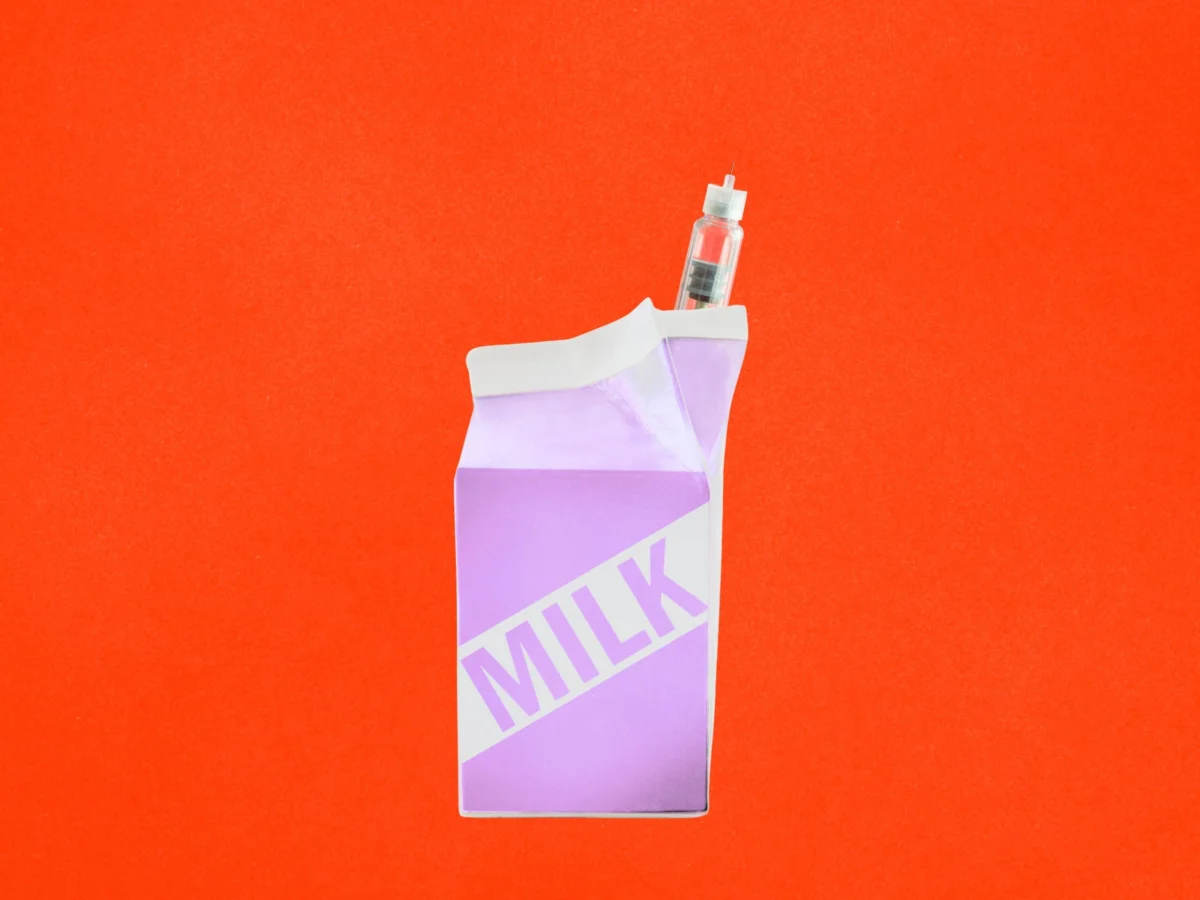
In the quiet corners of refrigerators across the country, behind jars of pickles, boxes of baking soda, and obscure containers of anchovy paste, a modern, clandestine health phenomenon is taking root. As GLP-1 receptor agonists—the class of medications that includes Wegovy and Ozempic—have transformed the landscape of weight management, they have simultaneously created a complex psychological subculture. For many, particularly women, the decision to use these medications has become a guarded secret, hidden from partners, families, and even primary care physicians.
This trend of "medical stealth" highlights a profound disconnect between the medical promise of weight loss drugs and the societal stigma that continues to surround them. As patients navigate the intersection of body image, relationship dynamics, and long-term health, the act of hiding medication has become, for some, a necessary, albeit stressful, survival tactic.
The Anatomy of a Secret: Caroline’s Story
Caroline, a 34-year-old resident of Montreal, offers a window into this hidden world. Her initial foray into Wegovy was public; she informed her boyfriend, mother, and close circle of friends. Over six months, her loved ones watched as she dropped 30 pounds, returning to her "healthy original weight" of 100 pounds. Despite the results, the reaction from those around her was not one of celebration, but of concern. Her family worried about the extent of her weight loss, creating a dynamic that made her feel judged for her efforts.
"I had tried every way under the sun to lose weight," Caroline tells SELF. "I was really tired of trying."
Feeling her primary care physician would likely deny her a prescription given her non-obese status, she turned to the burgeoning world of telehealth. She secured a prescription over the phone from a doctor who had no clinical history of her weight or health trajectory. The results were immediate and drastic. However, the true test came when she stopped the medication. Within a month, ten pounds returned, forcing her to confront a hard truth: she felt unable to stop.
She resumed the medication at a maintenance dose, but this time, the narrative changed. She began hiding the medication from her partner. Because the drug requires refrigeration, her life has become a logistical exercise in deception. She stashes the pens in the back of the fridge, maneuvers them into hotel room refrigerators during travel, and even hides them in the homes of her parents-in-law. "It’s super awkward," she admits. For Caroline, the secrecy is a shield against the intense scrutiny and inevitable debates she anticipates from those who do not understand her biological struggle.
A Growing Subculture: The Digital Underground
Caroline is far from alone. On digital platforms like Reddit, specifically the r/GLP1microdosing subreddit, women are sharing ingenious, often desperate, methods to conceal their medication. The creativity is striking: users report hiding their pens in tomato paste boxes, play-food containers from children’s kitchens, opaque feta cheese tubs, and even empty bottles of probiotics or vitamin supplements.
These aren’t just quirks of behavior; they are symptoms of a deep-seated fear of judgment. For many, the medication represents a "cheat code" in the eyes of society, a label that carries intense shame. By hiding the treatment, these women are attempting to reclaim the narrative of their own bodies, choosing to disclose their weight loss—if they ever do—entirely on their own terms.
The Clinical Perspective: Empowerment vs. Risk
Dr. Kia Mitchell, a physician specializing in family and obesity medicine in Jacksonville, Florida, notes that she frequently encounters patients going to extreme lengths to avoid conflict at home. She describes a pattern where patients feel a loss of control regarding their weight, and by keeping their medication a secret, they find a way to maintain agency over their health journey.
"There’s this loss of control with the gaining of the weight, but being able to control the narrative around weight loss has been empowering and exciting for her patients," Dr. Mitchell explains. "Because now they can reveal it on their own terms. That’s where the control comes back."
However, the medical community warns of significant pitfalls. The secrecy can lead to a lack of necessary support during the physical and emotional fluctuations that accompany weight loss. More importantly, it creates a "silo" of care. If a patient experiences side effects or needs to discuss the long-term implications of the drug, the lack of an open dialogue with a partner—or, more critically, a primary care physician—can be dangerous.
The Telehealth Dilemma: A Double-Edged Sword
The rise of telehealth companies like Hims & Hers and Ro has made access to these drugs easier than ever, effectively democratizing weight loss. Yet, this convenience has arguably fueled the secrecy. Patients can now bypass their primary doctors, who might be more likely to monitor drug interactions or underlying metabolic health.
Caroline, for instance, is currently taking Accutane and Ritalin alongside her secret Wegovy dose. She has become her own medical consultant, relying on AI models like ChatGPT to cross-reference drug interactions because she is too fearful to disclose her regimen to her actual doctor. She acknowledges the absurdity and danger of this, yet the fear of judgment—or the fear of being told to stop—is stronger than the clinical advice she knows she should be seeking.
Dr. Craig Primack, head of weight loss at Hims & Hers, acknowledges the complexity of the situation. He confirms that the company encourages patients to consult their primary care physicians, yet he admits that for many, the stigma associated with weight and the fear of being judged by their long-term providers is the primary driver for using telehealth services. He notes that some partners may exhibit jealousy or insecurity when a spouse begins to change, leading to a shift in the couple’s dynamic that the patient feels ill-equipped to manage.
Implications: The Psychological Toll
The stress of maintaining a lie, particularly one that involves daily health choices, is taxing. As Dr. Mitchell points out, the goal of any weight loss journey should be the reduction of stress hormones; however, the persistent anxiety of being "found out" creates a secondary stressor that can actually hinder health outcomes.
Furthermore, the secrecy prevents the development of a supportive network. A health journey is inherently difficult, and when a patient is unable to share their struggles, side effects, or triumphs with their partner, they lose the benefit of intimacy and understanding. It can create a wedge in relationships, where one person is living a dual life, eventually leading to exhaustion and, in some cases, the abandonment of the health plan altogether.
A Path Toward Openness
For those currently navigating the secrecy of GLP-1 use, Dr. Rachel Goldman, a clinical psychologist at NYU Grossman School of Medicine, suggests that the key to moving forward is intentional communication. She advises patients to "think about their why" before initiating a conversation. Understanding the motivations—whether they are rooted in health, longevity, or self-esteem—can help provide the confidence needed to have a productive discussion.
Dr. Goldman recommends using "I" statements, focusing on personal experience rather than defending the medication itself. For example, rather than framing the conversation as a debate about the drug, one might say, "I have been struggling with my weight for years, and I’ve found a treatment that is finally helping me feel like myself again. I would love your support as I navigate this."
The goal is not necessarily to have a perfect conversation, but to bridge the gap of trust. As Dr. Goldman notes, a partner’s initial reaction is often colored by their own biases and misconceptions, which may change over time as they see the positive impact on the patient’s health and well-being.
Conclusion
The emergence of GLP-1 medications has provided a powerful tool for weight management, but it has also exposed the fragility of how we talk about weight in our society. The lengths to which women like Caroline go to hide their medication are a testament to the fact that we still have a long way to go in destigmatizing obesity and the medical treatments used to address it.
Until society shifts its view from seeing these medications as a "crutch" to recognizing them as a legitimate medical intervention, the refrigerators of the world will likely remain filled with secret vials and boxes of anchovy paste. For now, the most vital step toward health may not be the medication itself, but the courage to have the conversation that makes the secret unnecessary.
 Asro
Asro
 Suro Senen
