

If you remember the ritual of racing home after the school bell rang, eager to claim the family landline for a long-form conversation with your best friend, you aren’t alone—but that experience has become an artifact of a pre-digital age. Today, that space is occupied by the constant ping of notifications, the pull of social media algorithms, and the omnipresent nature of the smartphone.
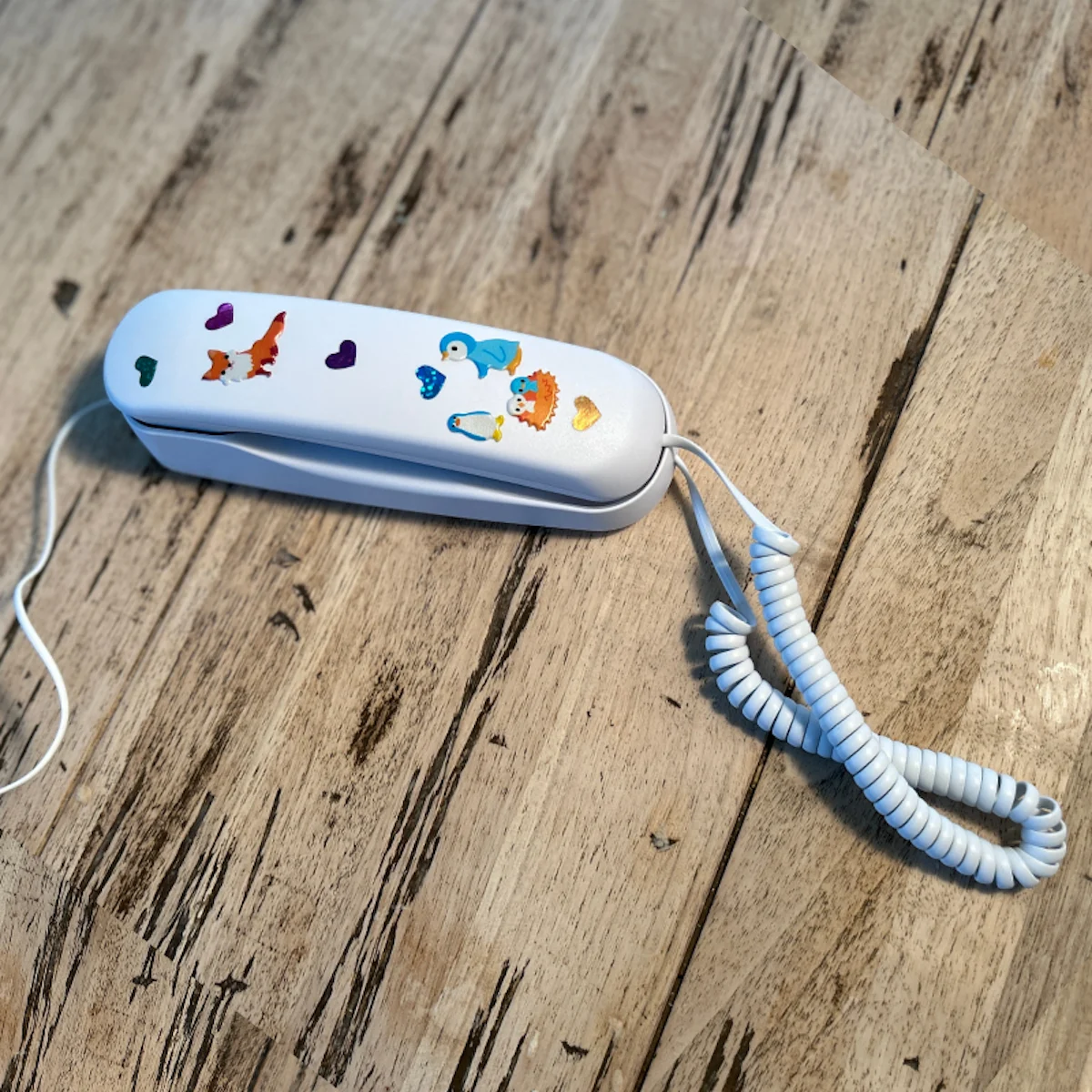
In an effort to reclaim the intimacy of voice-only connection, Pinwheel, a tech company specializing in child-focused communication, has officially launched "Pinwheel Home." This new device is a modern, Wi-Fi-enabled reimagining of the classic household landline, specifically engineered to provide children aged 5 to 10 with the independence of communication without the psychological and developmental hazards of the smartphone.
The Core Concept: Voice-First Connection
The Pinwheel Home is not a smartphone masquerading as a landline. It is a minimalist hardware device designed for a singular purpose: voice calls. By removing the camera, web browser, app store, and text-messaging capabilities, the company is stripping away the "doomscrolling" and social media pressures that have dominated the conversation surrounding youth mental health.
"We wanted to give kids the agency to practice basic phone skills and reach out to their friends or family without needing to borrow a parent’s device," a company spokesperson stated. The phone serves as a bridge, allowing children to learn the etiquette of conversation—waiting for a turn to speak, active listening, and the art of the catch-up—rather than the truncated, text-based shorthand that characterizes modern childhood communication.
A Growing Crisis: Why Now?
The launch of Pinwheel Home comes at a critical inflection point in the global discourse on childhood development and technology. For years, educators, psychologists, and parents have raised alarms regarding the impact of excessive screen time. Recent studies, including those highlighted by the American Psychological Association (APA), have linked high levels of digital consumption to emotional volatility, behavioral issues, and the erosion of social skills.
Furthermore, a concerning study from the University of Georgia has added academic weight to these anecdotal fears. Researchers found that children who spend significant time on social media platforms demonstrate weaker vocabulary development over time. The study suggests that the lack of nuanced verbal interaction in digital spaces hinders a child’s ability to recognize, pronounce, and utilize complex language.
By prioritizing voice over visuals, Pinwheel is attempting to address these developmental gaps. When a child speaks on the phone, they must articulate their thoughts, interpret tone, and respond in real-time—a cognitive workout that scrolling through a feed simply cannot replicate.

Product Specifications and Aesthetic Design
Despite its retro inspiration, the device is thoroughly modern in its operation. Eschewing the need for an antiquated copper-wire phone jack, the Pinwheel Home operates entirely over Wi-Fi.
The company is launching with two distinct models to cater to different tastes:
- The Spark: Priced at $68, this sleek, modern iteration comes in four colorways: white, black, blue, and purple.
- The Classic: Retailing at $79, this model leans into nostalgia with a traditional handset receiver and offers a customizable experience, including stickers to personalize the device. It is available in pink, black, and white.
Safety and Parental Governance
A defining feature of the Pinwheel ecosystem is the "Caregiver Portal." Recognizing that parents are the ultimate gatekeepers of a child’s digital environment, Pinwheel has designed the portal to offer robust oversight. Through this interface, parents can:
- Curate Contacts: Approve specific individuals who are allowed to call the device.
- Block Unsolicited Calls: Automatically filter out unknown numbers, telemarketers, and robocalls.
- Establish Boundaries: Set specific calling schedules and time limits to ensure the phone does not become a distraction during homework or sleep.
- Manage Features: Utilize speed dial and voicemail settings to make the device more intuitive for younger users.
The company has also teased future software updates, which will include the addition of three-way calling. Furthermore, Pinwheel plans to integrate the Home device with its existing line of kid-friendly smartphones and smartwatches, creating a unified ecosystem where a child can maintain the same phone number across different devices while still keeping screen-time restrictions firmly in place.
Competitive Landscape and Market Context
Pinwheel Home enters a burgeoning "low-tech" market. It faces competition from devices like the "Tin Can," a $100 Wi-Fi landline that also emphasizes a controlled, app-managed contact list.
This move toward "dumbed-down" tech for kids mirrors a wider societal shift. Globally, governments are beginning to intervene. Australia has moved to restrict social media access for children, and the United Kingdom has announced similar legislative intent. This regulatory pressure, combined with the rising "wait until 8th" movement—a parental pledge to delay smartphone ownership until at least eighth grade—has created a fertile market for devices that bridge the gap between "no technology" and "full-access smartphone."
Subscription Models and Economic Accessibility
Pinwheel has structured its service to be accessible to a wide range of families. Calls made between two Pinwheel Home devices are entirely free via the "Pinwheel Circle" service, incentivizing parents to purchase units for grandparents or cousins.

For those who need to connect with standard, non-Pinwheel numbers, the company offers two tiers of service:
- Essential Plan: $6.99 per month, supporting up to five approved contacts.
- Unlimited Plan: $9.99 per month, offering unlimited domestic calling.
These price points are intentionally competitive with other specialized communication devices, aiming to position the Home as an affordable, monthly-subscription-based utility rather than a high-cost consumer electronics purchase.
Looking Ahead: The Future of Childhood Communication
The Pinwheel Home is currently available for purchase through the company’s website, with plans to expand distribution to Amazon by the fall of 2026.
As we look toward the future, the success of Pinwheel Home will serve as a bellwether for the "digital detox" movement. If families embrace the return of the landline, it may signal that parents are finally ready to reclaim the sanctity of the home environment. By removing the screen, Pinwheel isn’t just selling a piece of hardware; it is selling a return to the dinner table—a space where, for a few minutes a day, the most important thing in a child’s life is the person on the other end of the line, not the content on the screen.
In an age where children are increasingly isolated behind glass, the simple act of lifting a receiver to hear a human voice may be the most radical piece of technology available.
Disclaimer: This article contains affiliate links. When you purchase through links in our articles, we may earn a small commission. This does not affect our editorial independence or the impartiality of our reporting.
 Ali Ikhwan
 rifanmuazin
