

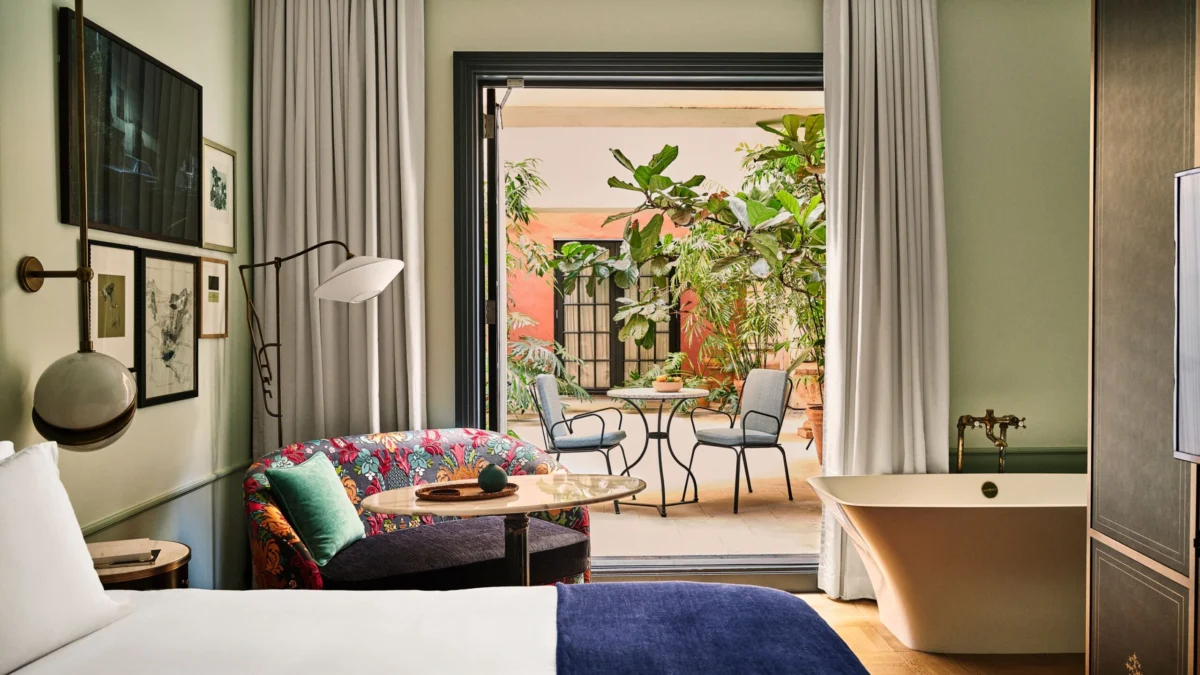
For decades, the hospitality landscape of Los Angeles was defined by a binary choice: the glitz and celluloid history of the Hollywood hills or the sun-drenched, Pacific-facing allure of Santa Monica and Venice. However, the modern traveler’s experience of the City of Angels has undergone a radical transformation. Today, LA is no longer a city defined by two poles, but a sprawling, interconnected metropolis of distinct micro-cultures. From the revitalized industrial chic of the Arts District to the storied, high-hedged estates of Beverly Hills, the city’s accommodation options have diversified to reflect the true, eclectic soul of Southern California.
The State of the Industry: Main Facts
The current hotel market in Los Angeles is defined by a shift toward "neighborhood immersion." Rather than viewing the city as a singular destination, travel experts now encourage visitors to view Los Angeles as a collection of independent hubs. This evolution has been fueled by a surge in boutique hotel development and the adaptive reuse of historic properties.
The "Best 40 Hotels in Los Angeles" list, curated by Condé Nast Traveler experts, serves as a blueprint for this new era. These properties are selected not merely for their proximity to major landmarks, but for their ability to offer an authentic, curated "insider" experience. The criteria for selection are rigorous: each property is vetted by journalists who have personally visited the site, with a focus on interior design, high-touch service, sustainability initiatives, and local integration.
A Chronological Shift: From Studio Backlots to Urban Revivals
The history of LA hospitality is a mirror to the city’s own development. In the early 20th century, hotels were concentrated around the centers of industry: the film studios in Hollywood and the transit hubs that connected the interior to the coast.
- 1920s–1950s (The Golden Era): The rise of iconic hotels in Beverly Hills and Hollywood established the city’s reputation for luxury and celebrity. Properties during this era were designed as fortresses of exclusivity, offering sanctuary for the elite.
- 1960s–1990s (The Coastal Expansion): As LA’s infrastructure grew, the focus shifted toward the coast. The Santa Monica and Venice corridors became the primary destination for travelers seeking the quintessential "California Dream," leading to a proliferation of beachfront resorts and motels.
- 2000s–Present (The Urban Renaissance): The most recent chapter is defined by the "Downtown Rebirth." Areas that were once considered transit zones have transformed into cultural hotspots. The conversion of historic office buildings and warehouses into high-design boutique hotels has decentralized the hospitality market, moving the focus away from the old guard and toward the city’s core.
The Methodology: How the "Best" are Defined
The process of identifying the top-tier hotels in a city as complex as Los Angeles requires more than a cursory glance at amenity lists. Condé Nast Traveler utilizes a journalist-led approach, ensuring that every recommendation is rooted in actual guest experience.
Key Selection Criteria:
- Authentic Connection: The hotel must reflect the specific character of its neighborhood. A property in Silver Lake should feel fundamentally different from one in Malibu.
- Design Integrity: Editors prioritize properties that champion local architects and designers, moving away from "cookie-cutter" corporate aesthetics.
- Sustainability: With California leading the nation in environmental consciousness, a hotel’s commitment to water conservation, waste reduction, and energy efficiency is now a baseline expectation for top-tier status.
- Service Excellence: Beyond the standard concierge, the focus is on "intuitive service"—staff that acts as a bridge between the guest and the local community.
Supporting Data: Why Neighborhood-Hopping is the New Standard
Logistically, Los Angeles remains a city defined by its sprawl. Traffic patterns often dictate the feasibility of travel between regions. Industry analysts and travel planners argue that "splitting the stay" is not just a preference, but a strategic move for the modern traveler.
By spending three nights in a downtown urban hotel and three nights in a coastal property, a traveler effectively gains six days of exploration without the "commuter tax" of sitting in the 405 freeway traffic. This trend has led to an increase in "dual-property" bookings, where hotels in different districts partner to offer seamless transitions for guests.
Furthermore, data on visitor spending habits suggests that travelers who stay in neighborhood-centric hotels spend 30% more at local small businesses, restaurants, and independent galleries compared to those who remain in large-scale corporate hotels in isolated districts.
Official Perspectives: The Value of Localized Tourism
Hospitality experts emphasize that the current explosion of hotel options in LA is a direct response to a shift in consumer demand. "The modern traveler is not looking for a place to sleep; they are looking for a place to be," says a representative from the tourism board.
The integration of historic preservation with modern luxury has become a hallmark of the city’s growth. By repurposing the architecture of the past—such as the Art Deco towers of downtown or the mid-century modern bungalows of the valley—LA is protecting its cultural identity while providing the modern comforts of high-speed connectivity and wellness-focused design.
Implications for the Future of LA Travel
The diversification of the hotel market has significant implications for both the city and the visitor:
1. The Economic Impact on Neighborhoods
As hotels open in previously overlooked areas, they bring a new demographic of visitors who engage with local commerce. This shift is fueling the growth of independent retail, artisanal coffee culture, and local arts scenes, effectively decentralizing the economic benefits of tourism.
2. The Rise of "Micro-Destinations"
The future of LA travel is likely to be characterized by "micro-destinations." We can expect to see increased interest in neighborhoods like Highland Park, Culver City, and Echo Park as hotel developers continue to look for spaces that offer a distinct, local point of view.
3. Sustainability as a Competitive Advantage
As climate concerns become central to travel planning, the hospitality sector in Los Angeles is under increased pressure to demonstrate transparency in their environmental policies. Future rankings will likely place even greater weight on carbon footprints, locally sourced dining menus, and the elimination of single-use plastics.
Conclusion: Crafting Your LA Experience
Los Angeles remains a city of infinite variety, but the days of choosing between "Hollywood or the Beach" are firmly behind us. The modern traveler has the luxury of choice, with 40 distinct, high-quality options that cater to every aesthetic, budget, and interest.
Whether you are seeking the neon-lit energy of a downtown skyscraper, the quiet, bougainvillea-lined streets of a Beverly Hills boutique, or the salt-sprayed breeze of a Santa Monica beach house, the city is ready to host you. To truly see Los Angeles, one must be willing to move through it—to experience the city not as a singular point on a map, but as a vast, vibrant mosaic of neighborhood getaways.
For those planning their next excursion, the advice remains the same: choose your base based on the version of Los Angeles you wish to inhabit, and do not be afraid to pack your bags and move to a new district mid-trip. In a city this sprawling, the journey between neighborhoods is just as much a part of the adventure as the stay itself.
 Sagoh
Sagoh
 Asro
Asro
