

By Editorial Staff
Updated: July 20, 2026
The fragile peace within the walls of King’s Landing is fracturing under the weight of a new, gruesome threat. In the latest episode of House of the Dragon season 3, the City Watch—the backbone of Rhaenyra Targaryen’s authority in the capital—finds itself under direct assault. What began as a series of isolated murders in the treacherous alleys of Flea Bottom has evolved into a calculated, ritualistic campaign of terror, signaling that the civil war between the Blacks and the Greens has moved from the battlefield to the very streets where the Queen reigns.
As the body count of the Gold Cloaks rises, the implications for Rhaenyra’s rule are dire. This is not merely common criminality; it is a sophisticated, subversive insurgency that threatens to destabilize the crown from within.
The Escalation: A Chronology of Violence
The crisis emerged in the early hours of the fifth episode, when Daemon Targaryen, acting as the primary enforcer for the Black Council, reported the discovery of two slain members of the City Watch. The killings were brutal, characterized by precision blade work that left the victims disemboweled.
The Flea Bottom Pattern
Flea Bottom, the sprawling, labyrinthine slum of King’s Landing, has long been a lawless territory. Ser Torrhen Manderly, the Master of Coin, dismissed the initial reports as the inevitable result of policing such an "undesirable" district. However, the nature of the wounds—throats slit and bowels cut—suggested a level of professional training far beyond common thugs.
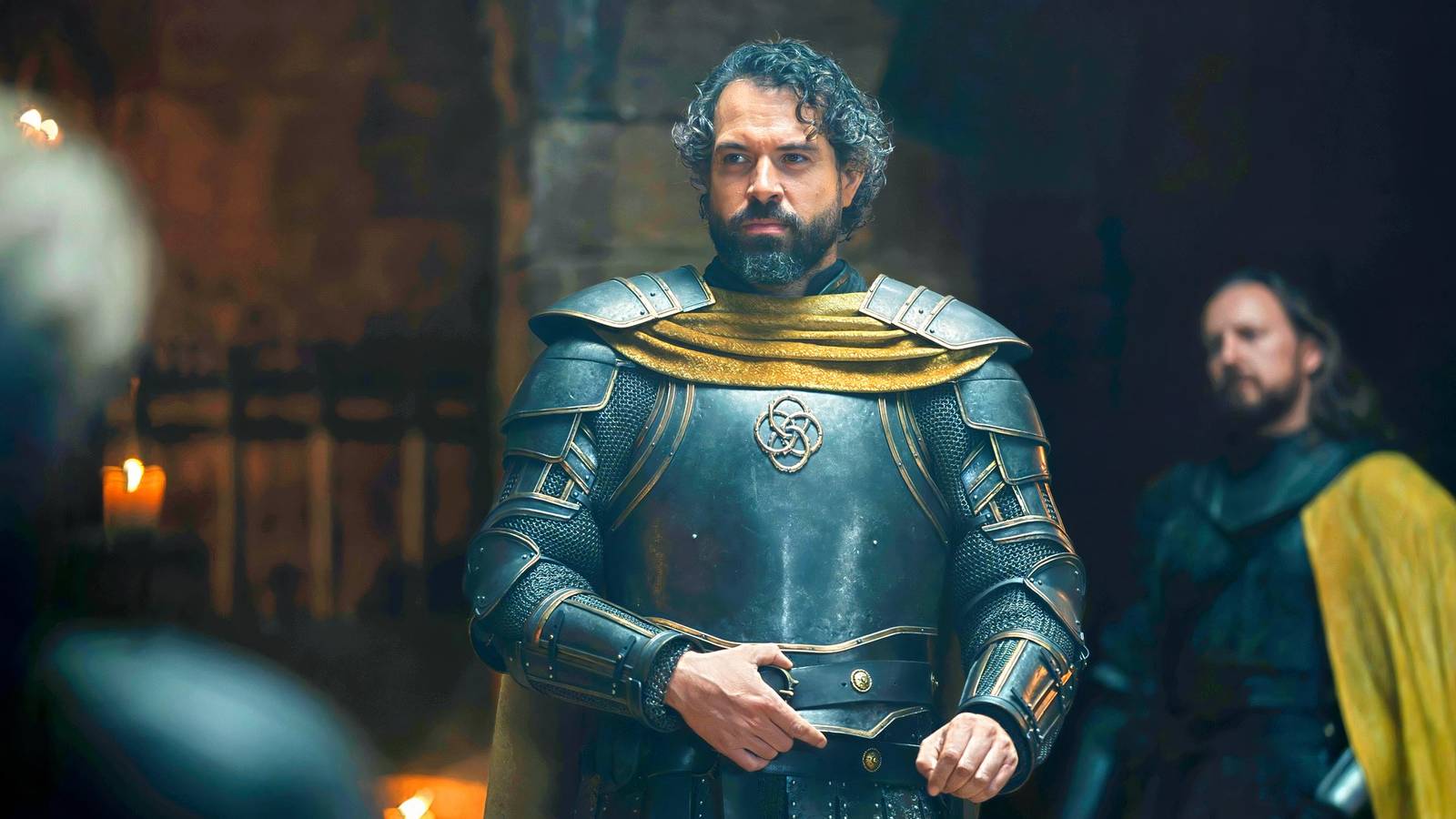
Daemon, protective of the men he once commanded, insisted on investigating the matter personally. His patrol alongside Commander Ser Luthor Largent proved to be a turning point. As the two men attempted to suppress civil unrest fueled by graffiti labeling Rhaenyra the "Queen of Bastards," they stumbled upon the bodies of two more Gold Cloaks. The discovery was followed by a chilling moment: a young girl, acting as an informant, was spotted observing the carnage. She was later seen dispatching a carrier pigeon with a coded message: "Gold blood spilled. Three marked in the tally. The account lies open."
The Massacre at the Watch Headquarters
The tension reached a fever pitch by the episode’s conclusion. After a captured dissident confessed to working for the "King’s cause"—paid with currency bearing the likeness of Daeron Targaryen—Daemon returned to the City Watch headquarters to find a scene of horrific carnage. Nine members of the Watch, including Ser Luthor Largent, had been executed. Their bodies were posed at a table in a mocking, grotesque parody of a feast, with the words "A feast for traitors" scrawled in blood on the wall behind them.
Supporting Data and Strategic Context
The emergence of these killings is not a vacuum-sealed event. It is a direct reflection of the shifting strategic landscape of the Dance of the Dragons.
The Influence of Ormund Hightower
Evidence points toward a broader tactical pivot by the Greens, specifically spearheaded by Ormund Hightower. During a private discourse with his ward, Daeron Targaryen, Ormund reflected on the historical tactics of Meria Martell, the legendary ruler of Dorne who resisted Aegon the Conqueror. Martell’s strategy—poisoning wells, night raids, and guerilla warfare—has become the blueprint for the current Green offensive.
Ormund recognizes that in an era of dragons, direct aerial confrontation is a suicidal endeavor for his infantry. Instead, he is opting for the "cunning mind," using insurgency tactics to rot the Targaryen authority from the inside. By targeting the Gold Cloaks, the Greens are effectively stripping Rhaenyra of her eyes and ears within the capital, rendering the city ungovernable and creating a vacuum of power that the supporters of Daeron are eager to fill.

The Role of Religious Zealotry
While the physical perpetrators are likely trained mercenaries or loyalists, the ideological foundation for these attacks appears to be deeply rooted in the Faith of the Seven. Ormund’s rhetoric regarding the restoration of the kingdom’s "piety" suggests he is weaponizing the religious grievances of the smallfolk. By portraying the Targaryens as "savages" and outsiders, the Hightowers are successfully recruiting the common people to act as the hands of their insurgency, creating a scenario where the enemy is not a soldier in armor, but a neighbor in the street.
Official Responses and Internal Discord
The response from the Black Council has been marked by hesitation and internal friction. Rhaenyra, preoccupied with the existential threat posed by Aemond and Vhagar, has struggled to balance the immediate security of the throne with the necessity of maintaining order in King’s Landing.
The Daemon-Rhaenyra Divide
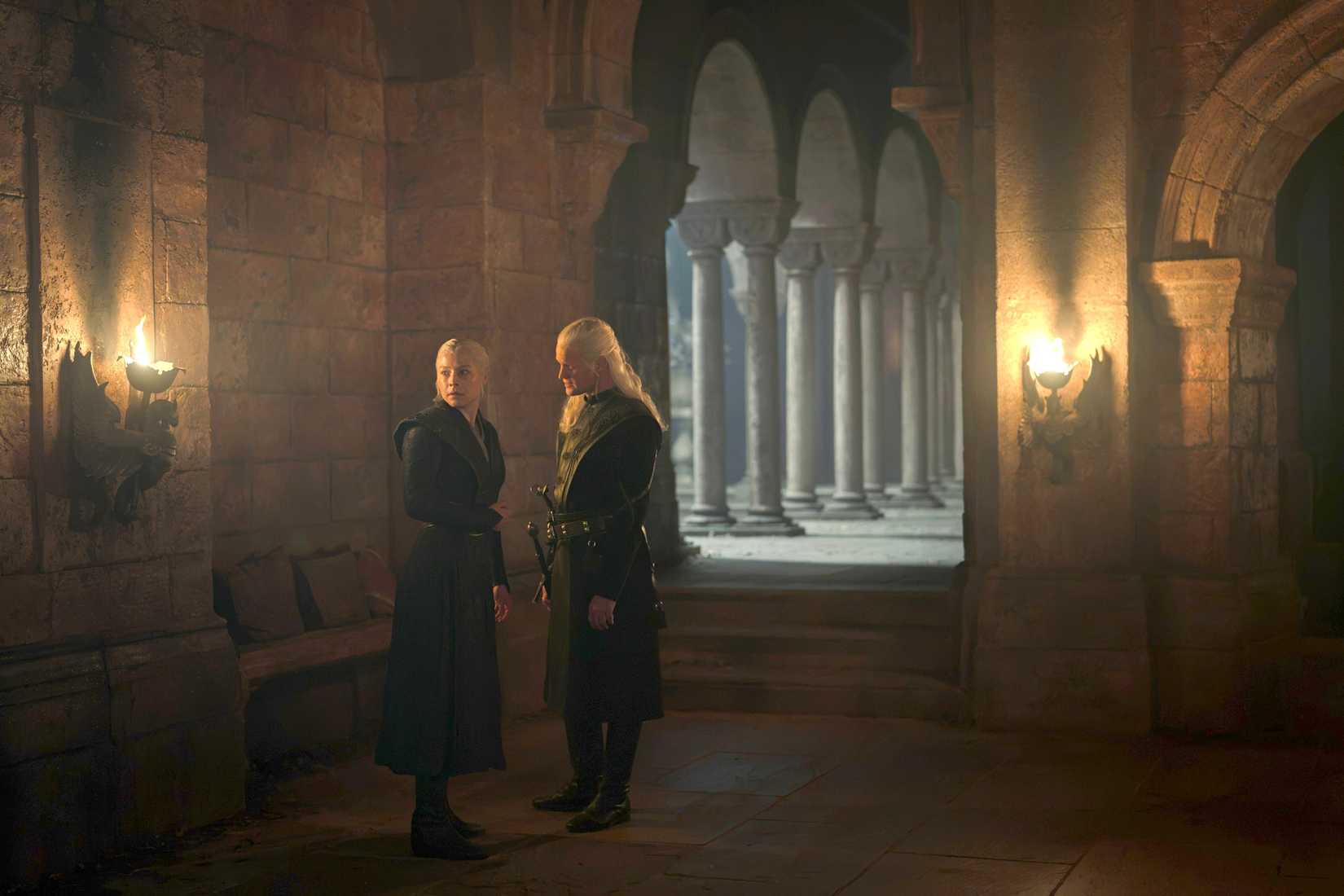
The tension between the Queen and her consort, Daemon, has become a focal point of this crisis. Rhaenyra views the City Watch murders as a localized distraction from the "real" war—finding Aemond and halting the expansion of Team Green. Daemon, however, views the abandonment of his men as a strategic failure. "They’re my men," he argued outside the council chamber, "and we depend upon those men to secure your rule—especially because their wages have been withheld."
This disagreement highlights a deeper fracture: Rhaenyra is fighting a war of legitimacy and survival, while Daemon is fighting a war of control and legacy. By failing to address the grievances of the Gold Cloaks, the council has inadvertently created a fertile ground for dissent.
Implications for the Realm
The assassination of Ser Luthor Largent and his men is a watershed moment in the conflict. The implications for the remainder of the season are significant:
- The Collapse of Civil Order: With the Gold Cloaks decimated and demoralized, the authority of the Black Council within the capital is effectively shattered. King’s Landing is now a tinderbox, susceptible to riots, sabotage, and potentially a full-scale uprising.
- The Rise of Daeron’s Claim: The use of gold coins bearing Daeron’s likeness serves as a powerful psychological tool. It signals to the populace that there is an alternative monarch—one aligned with the traditional Faith and the Hightower interest—who is currently "liberating" them from the "traitorous" Targaryens.
- A Shift in Warfare: This transition to unconventional warfare changes the nature of the Dance of the Dragons. The conflict is no longer just about dragon-fire and high-born claims; it has become a war for the hearts, minds, and blood of the common people.
- The Vulnerability of the Queen: By losing her grasp on the capital’s security, Rhaenyra is now forced to choose between retreating to Dragonstone to consolidate power or staying in a hostile city where every shadow could conceal an assassin.
Conclusion
The "feast for traitors" is not just a gruesome murder; it is a declaration of war. Ormund Hightower’s strategy of attrition is proving devastatingly effective, turning the streets of the capital into a graveyard for the Queen’s forces. As the lines between military action and civilian insurgency blur, the question is no longer just who will win the sky, but who will survive the streets.
For Rhaenyra, the message is clear: if she cannot secure the loyalty of the city, the crown she wears will become little more than a target. As the shadows lengthen over King’s Landing, one thing remains certain: the war for the Iron Throne has become significantly more intimate, and significantly more lethal.
 Azzam Bilal Chamdy
 Lina Hope
 Layla Zulfa
