

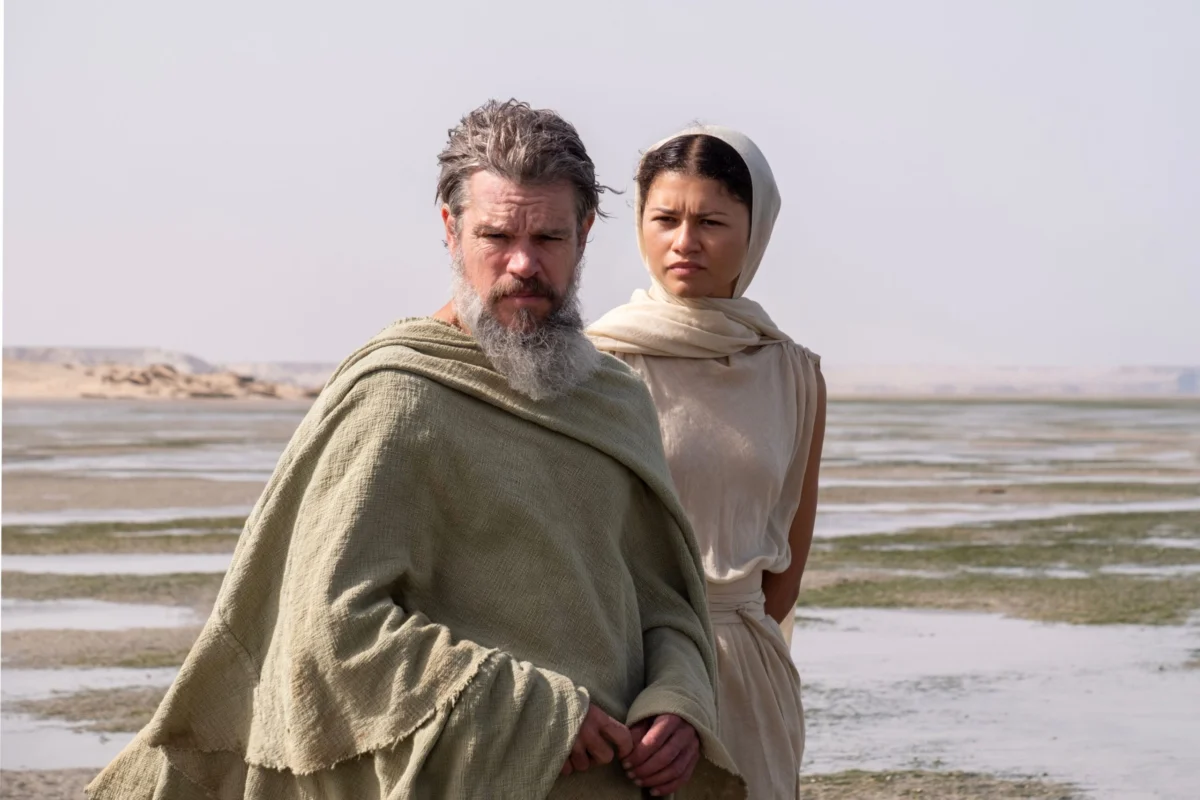
The enduring power of Homer’s The Odyssey lies not merely in its antiquity, but in its fundamental human resonance. It is a story of displacement, the struggle against divine interference, and the singular, agonizing drive to return home. As Christopher Nolan’s latest cinematic adaptation of the epic brings the tale to modern audiences with sweeping grandeur, it serves as a timely reminder of why we remain captivated by the "Hero’s Journey."
While Western cinema often looks to the Mediterranean for inspiration, the medium of anime has long been a fertile ground for exploring the same themes: the collision of free will and destiny, the hubris of man, and the harrowing nature of the long voyage. Whether through the lens of high-concept science fiction or grimdark fantasy, several anime titles capture the spirit of Odysseus’ ten-year struggle. Here, we delve into ten essential series that echo the foundational pillars of Homeric legend.
I. The Anatomy of an Epic: Main Facts and Themes
At the heart of any Homeric narrative is the concept of nostos—the Greek word for "homecoming." In The Odyssey, this is a physical, spiritual, and moral trial. Odysseus is not merely a soldier traveling across a sea; he is a man constantly testing his resolve against the whims of gods like Poseidon and the temptations of entities like the Lotus-Eaters.
The common threads linking these stories are universal:

- The Relentless Journey: A protagonist cast out from their place of comfort, forced to navigate hostile environments.
- Divine or Cosmic Interference: Characters operating under the shadow of powers greater than themselves, whether they be literal deities or societal systems.
- The Burden of Leadership: The ethical toll of guiding a crew or companions through life-or-death stakes.
- The Search for Identity: The transformation that occurs during the process of travel.
II. Chronology and Context: Why These Stories Resonate Now
The adaptation of ancient epics into contemporary visual media is a cyclical phenomenon. Just as the oral traditions of Ionia evolved into written scrolls, and eventually into the filmic language of the 21st century, anime has utilized these archetypes to ground its most ambitious projects.
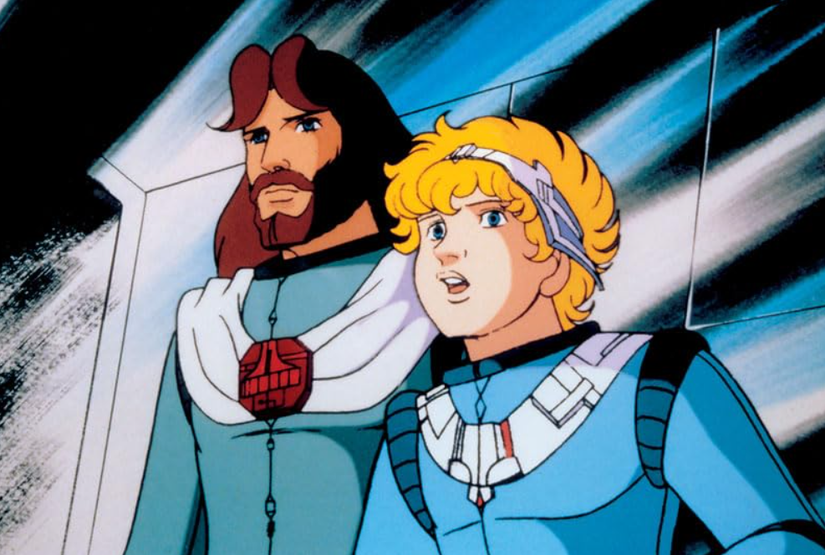
1. Ulysses 31: The Futuristic Odyssey
Perhaps the most literal interpretation of the source material, Ulysses 31 (1981) remains a landmark in cross-cultural animation. By transposing the myth into the 31st century, the series transformed the Mediterranean into a sprawling, star-faring expanse. The ship "Odyssey" replaces the wooden galley, and the gods of Olympus are reimagined as cosmic entities holding a grudge against a space-faring hero. It is a quintessential example of how ancient motifs are not bound by time or technology.
2. Record of Ragnarok: The Clash of Divine Wills
While the structure is tournament-based, Record of Ragnarok captures the tension between humanity and the divine. The Gods’ Council represents the "fate" that Odysseus battles—an external force that deems humanity unworthy. By forcing the gods into the ring, the series examines the audacity of mortal intellect and the "what if" scenario of mankind fighting back against the preordained extinction mandated by the heavens.
3. One Piece: The Modern Nautical Epic
Eiichiro Oda’s One Piece is arguably the spiritual successor to the epic poem in terms of sheer scope. It is an island-hopping odyssey defined by the search for a singular goal: the titular treasure. With its vast cast, mythological allegories (such as the Gorgon-inspired Boa Hancock), and exploration of "inherited will," One Piece mirrors the wandering nature of Odysseus, proving that the journey is defined by the crew one keeps and the corrupt authorities one opposes.
III. Supporting Data: The Philosophical Underpinnings of the Quest
When analyzing why these narratives endure, we must look at the specific challenges faced by the protagonists.
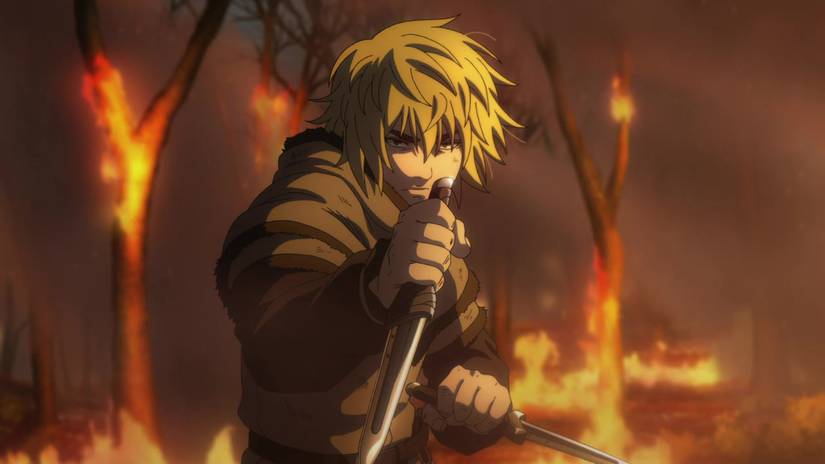
The Existential Shift in Vinland Saga
Vinland Saga serves as a counter-narrative to the standard "war hero" trope. Thorfinn’s journey is one of physical travel, but more importantly, one of internal maturation. Much like Odysseus, who eventually moves from a warrior to a man seeking peace, Thorfinn shifts from a vengeful boy to a seeker of a "new world." The "Vinland" of the title acts as a secular version of Ithaca—a place of safety that feels almost mythical in its distance from the protagonist’s traumatic past.
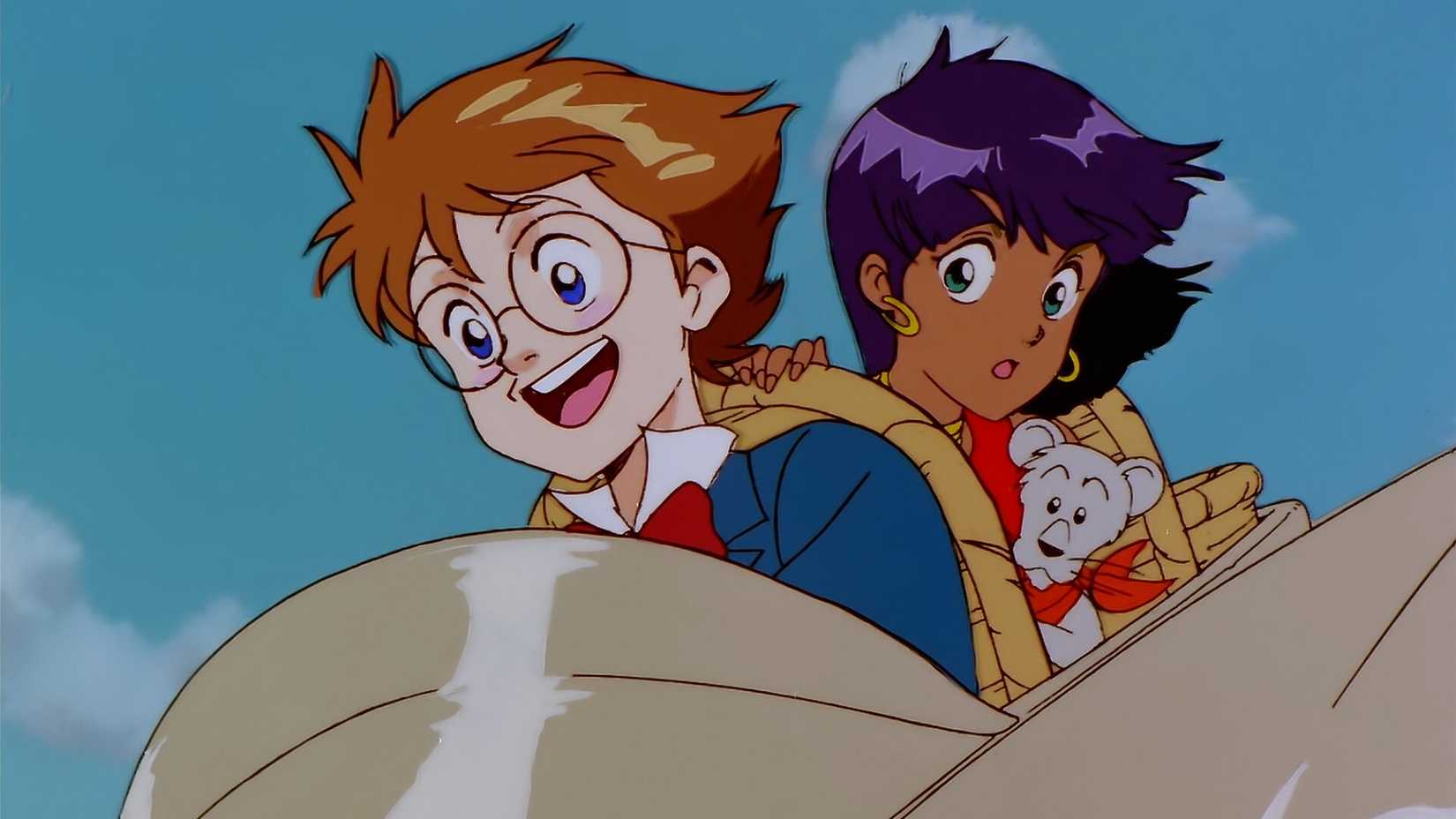
Technological Mythology in Nadia: The Secret of Blue Water
Hideaki Anno’s Nadia provides a masterclass in blending Jules Verne-inspired adventure with high-stakes mythology. The journey of the Nautilus is, in many ways, an Odyssey under the waves. The pursuit by antagonists and the constant threat of sea monsters emphasize the vulnerability of the traveler, a feeling central to the original Greek myth.
The Hero’s Journey as a Pit: Made in Abyss
While it appears radically different, Made in Abyss is a literalized descent into the underworld. The "Abyss" is a physical manifestation of the unknown that Odysseus faced. Riko’s quest, alongside the mechanical Reg, echoes the dangerous curiosity of the Homeric hero. The deeper they go, the more the rules of the world change, creating a sense of dread that mirrors the monsters encountered by Odysseus in the Mediterranean.
IV. Official Responses and Critical Reception
Critics often note that these anime series are not merely "re-tellings" but "re-contextualizations." When Rage of Bahamut: Genesis was released, critics praised its ability to turn a mobile game into a cohesive, character-driven journey. The protagonist, Favaro, is a modern Odysseus—a liar, a cheat, and a charmer who manages to survive solely through wit rather than divine favor. This aligns with the "cunning" (polytropos) nature of Odysseus, who was defined by his guile.
Similarly, Gargantia on the Verdurous Planet is frequently cited by academic critics as a successful "fish-out-of-water" story. Ensign Ledo’s transition from a sterile, war-torn space environment to the ocean-covered Earth serves as a commentary on cultural adaptation. His mecha, Chamber, provides the necessary guidance, essentially acting as an Athena-like patron in a world where Ledo is fundamentally lost.
V. Implications: Why We Need the Odyssey Today
The persistence of these themes in global animation points to a societal need to understand our own displacement. We live in an era of rapid change, where the "home" we remember is often obscured by the pressures of modern life.
- Berserk and the Cost of Fate: Berserk teaches us that when fate is cruel, humanity is found in the resistance. Guts is the ultimate tragic hero; unlike Odysseus, he does not get a triumphant return. Yet, his struggle against the "God Hand" provides a stark, brutal look at the resilience of the human spirit.
- Drifting Dragons and the Value of Camaraderie: In Drifting Dragons, the danger is constant, but the crew of the Quin Zaza thrives because of their bond. It posits that the "homecoming" is not a physical place, but the people we survive with.
Summary Table: Themes Across the Series
| Series | Primary "Odyssean" Theme | Character Archetype |
|---|---|---|
| Ulysses 31 | Literal Homecoming | The Displaced Leader |
| Vinland Saga | Existential Growth | The Redeemed Warrior |
| One Piece | Boundless Exploration | The Willful Voyager |
| Made in Abyss | The Dangerous Unknown | The Inquisitive Explorer |
| Berserk | Fighting Predestination | The Cursed Survivor |
VI. Conclusion: The Eternal Voyage
Whether it is the vast, blue oceans of Gargantia or the dark, monster-infested forests of Berserk, these series prove that the DNA of The Odyssey is pervasive. We continue to tell these stories because, in our own lives, we are all wandering. We are all searching for a version of Ithaca—a place where we can finally put down our weapons, shed the weight of our past, and find rest.
As audiences flock to see Nolan’s interpretation of Homer’s work, they should also look toward these ten anime series. They offer more than just entertainment; they offer a reflection of the human condition, viewed through the transformative and limitless medium of animation. The seas may change, the ships may turn into spaceships, and the gods may evolve into advanced AI or dark entities, but the man—or woman—standing at the helm, staring out at the horizon, remains the same. The journey continues, and as Homer would remind us, the beauty is not in the destination, but in the survival of the self against the tides of time.
 Basiran
 Nana Muazin
 Layla Zulfa
