

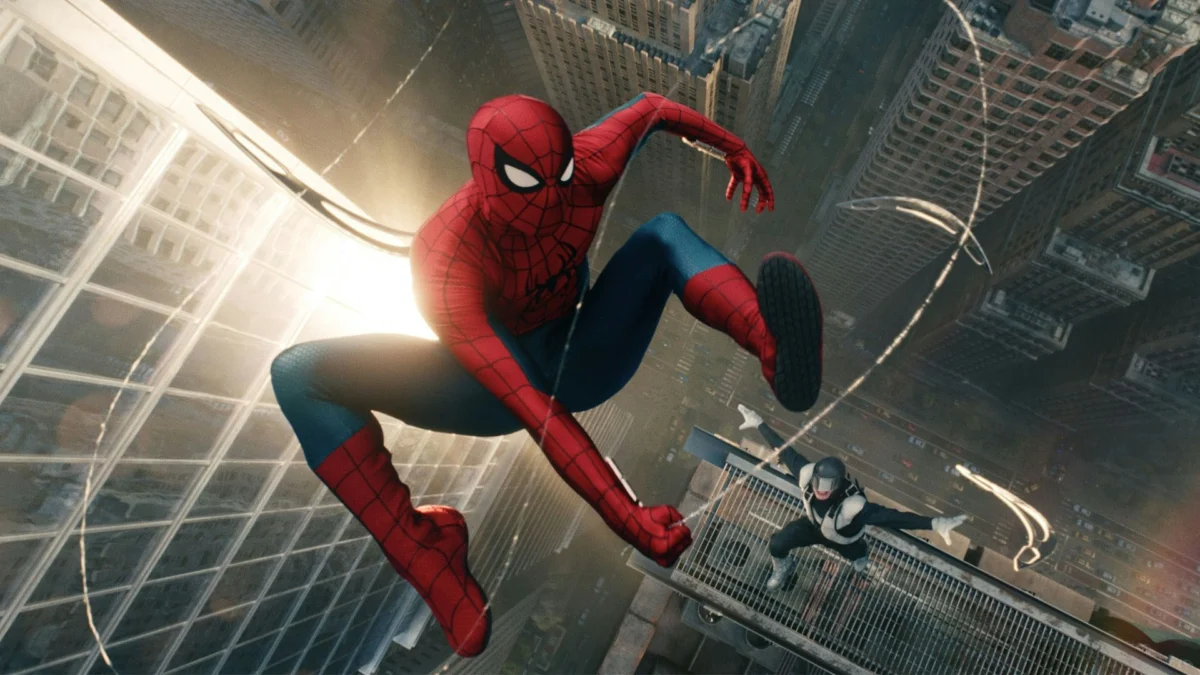
As the Marvel Cinematic Universe (MCU) enters its next ambitious phase, few projects carry the weight of expectation quite like the fourth installment of the Tom Holland-led Spider-Man saga. Titled Spider-Man: Brand New Day, the film marks a significant transition behind the camera. Director Jon Watts, who steered the wall-crawler through his initial trilogy of MCU solo outings, has passed the mantle to Destin Daniel Cretton, the visionary behind Shang-Chi and the Legend of the Ten Rings.
Following an exclusive early preview of the film’s first 30 minutes, it is clear that Brand New Day is not merely a continuation; it is a stylistic evolution. The footage showcases a heightened sense of kinetic energy and a grounded, tactile approach to New York City that feels both classic and revolutionary. In a sit-down interview with Polygon, Cretton discussed the rigorous creative process, the influence of modern gaming on cinematic action, and the delicate balance of expanding the MCU without succumbing to "cameo fatigue."
Main Facts: A New Vision for Peter Parker
Spider-Man: Brand New Day represents a pivotal shift for the character. Moving away from the high-tech, multi-verse-hopping spectacle that defined the latter half of the "Home" trilogy, this installment aims to bring Peter Parker back to his roots while utilizing modern filmmaking technology to elevate the sensory experience of being Spider-Man.
Key takeaways from the early production reveal include:
- A Shift in Aesthetic: Cretton has utilized unconventional camera angles and "GoPro-style" cinematography to mimic the perspective of a parkour athlete.
- Gaming-Informed Stunt Work: Rather than relying solely on traditional storyboards, the stunt team integrated mechanics and movement patterns observed in high-fidelity Spider-Man video games.
- NYC as a Protagonist: The production team spent weeks scouting and documenting the minutiae of New York City, prioritizing authentic location-based storytelling over generic urban backdrops.
Chronology: The Journey to ‘Brand New Day’
The path to Brand New Day has been marked by a deliberate attempt to recalibrate Peter Parker’s place in the MCU. Following the events of No Way Home, which left Parker isolated and stripped of his public identity, the narrative landscape for the fourth film was wide open.
- Post-No Way Home (2022–2024): Development began in the shadow of the massive success of the previous trilogy. Marvel Studios and Sony Pictures aimed to find a director capable of balancing intimate character drama with the massive scale required for a tentpole superhero film.
- The Hiring of Cretton (2025): After his success with Shang-Chi, Destin Daniel Cretton was tapped to lead the project. His background in character-driven narratives (such as Short Term 12) suggested a move toward a more grounded, emotional exploration of Peter Parker’s life in New York.
- Creative Pre-production (Early 2026): The core creative team, led by Cretton and production designer Charlie Wood, moved their operations to New York City. The intent was to move away from soundstage-heavy environments and embrace the "messy, intricate, and vibrant" nature of the city.
- The July 2026 Preview: With a theatrical release scheduled for July 31, 2026, the studio unveiled the first half-hour of the film, revealing a tone that leans into the "street-level" grit of the character.
Supporting Data: The Influence of Modern Gaming
One of the most striking aspects of the Brand New Day footage is its fluidity. In the interview, Cretton was candid about the "secret weapon" his team used to choreograph the film’s web-swinging sequences: the Marvel’s Spider-Man video game series by Insomniac Games.
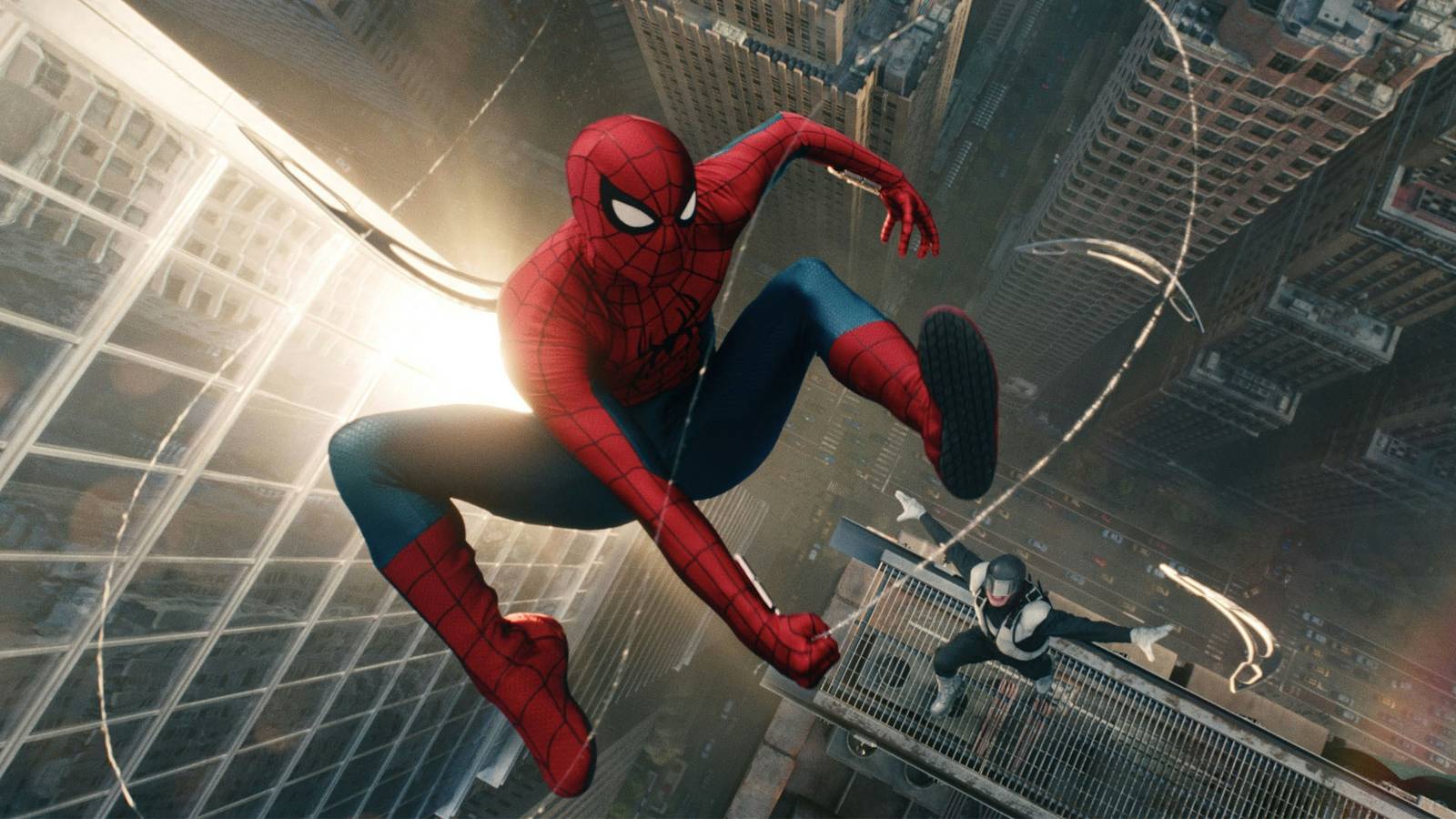
"I am not a gamer, but I surrounded myself with people who were obsessive gamers," Cretton explained. The stunt department utilized screen captures from the games to analyze movement, momentum, and the physics of web-swinging. By translating the "gameplay loop" of the digital experience into live-action stunts, the film achieves a level of immersion that feels distinct from previous iterations.
Furthermore, the cinematography leans heavily into the aesthetics of extreme sports. By incorporating perspectives reminiscent of wingsuiters and urban parkour athletes, Cretton has crafted a visual language that makes the audience feel the physical "rush" of traversing Manhattan at high speeds. This is a departure from the more traditional, sweeping crane shots of the past, opting instead for a more visceral, GoPro-inspired "shaky-cam" aesthetic that keeps the audience anchored to Spider-Man’s perspective.
Official Responses: The "Cameo" Dilemma
A frequent point of criticism in recent MCU entries has been the "cramming" of characters—the feeling that films are designed as vehicles for future setups rather than standalone stories. When asked about the potential for his previous Marvel protagonist, Shang-Chi, to appear in the film, Cretton was firm in his rejection of the trend.
"Everybody was a discussion, but there’s a point when you can’t just cram people into a movie," Cretton noted. He emphasized that every character appearing in Brand New Day is there for a "very clear reason," dismissing the notion that the film is simply a collection of cameos. "As much as I would love to see Shang-Chi and Spidey together in a scene, we’ll have to save it."
This approach suggests a return to the studio’s roots, where the narrative of the individual hero takes precedence over the interconnected web of the franchise. By focusing on the "heart of Spider-Man," Cretton hopes to ensure that the character’s internal struggles remain the focal point of the narrative.
Implications: A New Era for the Wall-Crawler
The implications of Spider-Man: Brand New Day are significant for the future of the MCU. By emphasizing the city of New York as a "primary character," the film signals a shift away from the cosmic, multiverse-spanning threats that dominated the previous saga.

1. The Return to Street-Level Stakes
By anchoring the film in the specific, tangible details of NYC, the movie creates a sense of stakes that are personal rather than existential. If the city is the heart of the film, then the destruction or saving of that city becomes a matter of character identity, not just a generic plot device.
2. The Integration of Digital and Analog
The film’s reliance on video game choreography represents a larger trend in Hollywood: the merging of digital gaming logic with cinematic language. As game engines become more sophisticated, the line between "playing" a movie and watching a game continues to blur, offering audiences a more interactive-feeling experience.
3. Director-Led Franchising
Cretton’s involvement signals that Marvel is prioritizing auteurs who can bring a specific "texture" to their films. By allowing the creative team to physically immerse themselves in the setting of the story before filming, the studio is betting on authenticity to reignite audience interest.
As the industry looks toward the July 31 release, the pressure is on Brand New Day to prove that the Spider-Man franchise still has room to grow. Based on the initial footage and Cretton’s clear vision, it appears that by looking backward at the heart of the city and outward at the lessons of modern gaming, Marvel may have found a path forward that feels both fresh and fundamentally "Spider-Man."
Ultimately, the goal for Cretton is simple: to make the audience feel the rush of the swing, the weight of the mask, and the soul of the city. If the first 30 minutes are any indication, he is well on his way to achieving that, one web-swing at a time.
 Basiran
 Suro Senen
