

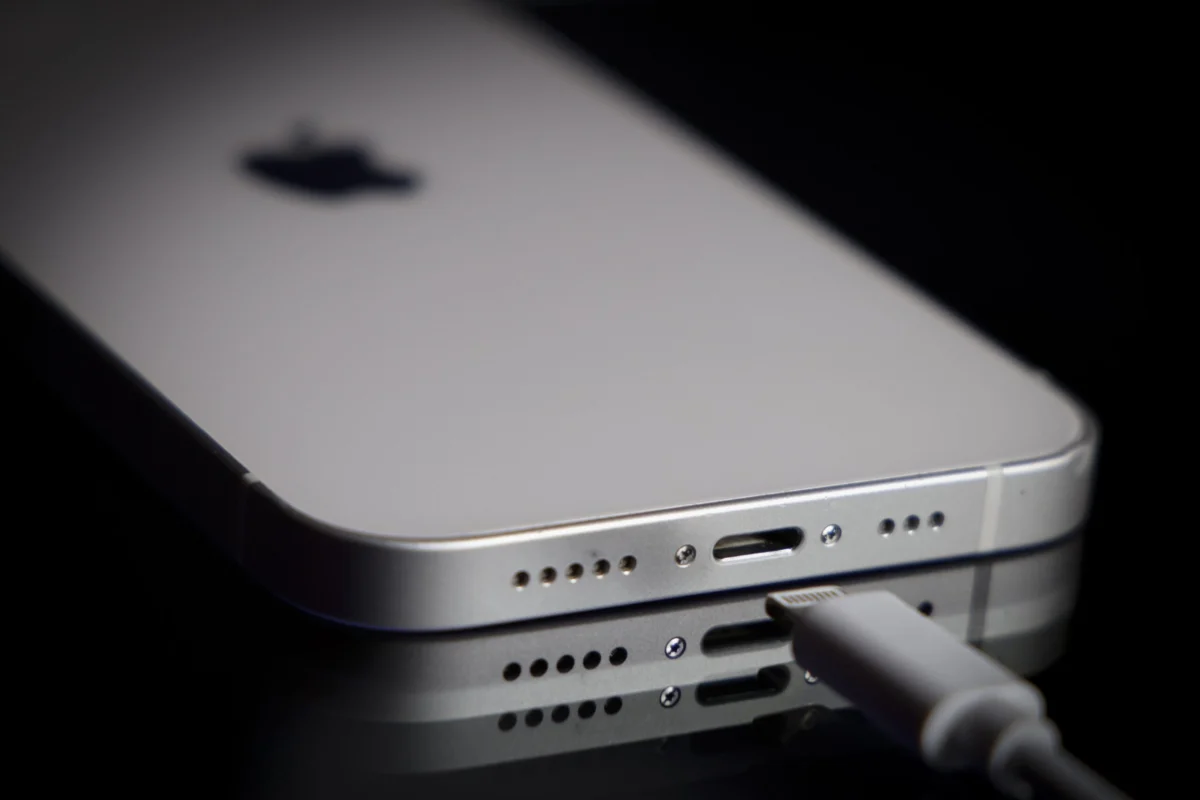
In a significant strategic pivot, Apple is reportedly preparing to launch a comprehensive lease-to-own program in partnership with deferred payment processor Klarna. Dubbed "Apple Upgrade," the initiative represents a broad expansion of the company’s consumer financing ecosystem, aiming to maintain sales momentum amidst a turbulent economic landscape defined by supply chain constraints and rising hardware costs.
The Core of the Program: Flexibility Meets Financial Utility
According to a report by Bloomberg on Tuesday, the new "Apple Upgrade" program is slated for an official rollout next week. Unlike the company’s previous, more siloed financing options, this initiative is designed to be a unified leasing framework covering the entirety of the Apple ecosystem, including iPhones, iPads, Macs, and Apple Watches.
The program offers structured, multi-year payment timelines tailored to the specific product categories:
- Mobile Devices (iPhone, Apple Watch): Users can opt for leasing terms extending up to 24 months.
- Computing Hardware (Mac, iPad): Terms are extended to accommodate the longer product lifecycle of these machines, stretching up to 36 months.
At the conclusion of these terms, customers are presented with three distinct choices: keep the device by fulfilling the remaining balance, return the device, or trade it in to upgrade to the latest model. While the company has touted the flexibility of this model, the report notes that some transactions may incur additional, yet-to-be-specified fees, suggesting that Apple is baking in a layer of service costs to manage the depreciation of returned hardware.
A Chronology of Apple’s Financing Evolution
Apple’s journey toward becoming a consumer-facing fintech powerhouse has been a gradual, deliberate process.
- The Early Years: Historically, Apple relied on third-party carriers and retail partners to subsidize device costs through contract lock-ins.
- The "iPhone Upgrade" Prototype: Several years ago, Apple launched its standalone "iPhone Upgrade Program." This established the proof-of-concept for the company: creating a direct relationship with the consumer and bypassing the carrier middleman to ensure users stayed within the "walled garden" of Apple products.
- The Shift to Fintech: With the integration of Apple Card and its "Monthly Installments" feature, the company signaled its intent to manage its own credit risk and customer loyalty programs.
- The "RAMageddon" Catalyst (2026): As the industry entered 2026, the convergence of an artificial intelligence boom and a massive supply chain bottleneck—colloquially dubbed "RAMageddon"—drove memory chip prices to record highs. Apple, unable to insulate itself from these costs, was forced to raise hardware prices.
- The Impending Launch: Following a period of testing and partnership negotiations, the new, all-encompassing "Apple Upgrade" program is set to go live, marking the sunsetting of the legacy iPhone-only upgrade program in favor of this more inclusive, Klarna-powered model.
Supporting Data: Why the Shift is Necessary
The rationale behind "Apple Upgrade" is rooted in cold, hard economic data. The global semiconductor industry is currently grappling with a severe supply-demand imbalance. As high-performance AI models require massive amounts of VRAM and high-bandwidth memory, consumer electronics manufacturers are finding themselves at the back of the line.
The "RAMageddon" Impact
The "RAMageddon" shortage has ripple effects that extend far beyond the server farm. When the price of DRAM and NAND flash memory spikes, the bill-of-materials (BOM) for consumer devices increases exponentially. Apple has attempted to mitigate these costs by raising the retail prices of Macs and iPads—a move that risks alienating price-sensitive consumers. By introducing a multi-year, low-monthly-payment leasing structure, Apple effectively masks these price hikes. By lowering the barrier to entry (the monthly cost), Apple ensures that the high price of hardware does not lead to a decline in unit volume.
Market Saturation and Retention
In mature markets, Apple’s growth is increasingly dependent on the "upgrade cycle." By formalizing the leasing process for Macs and iPads, the company is attempting to replicate the successful "iPhone upgrade cycle" across its entire product line. This encourages users to view their technology not as a static purchase, but as a recurring service, cementing long-term brand loyalty.
Official Responses and Corporate Silence
As of the time of writing, both Apple and Klarna have maintained a stance of calculated silence. TechCrunch reached out to both organizations for detailed clarifications regarding the interest rates, potential credit check requirements, and the specific nature of the "additional fees" mentioned in early reports.
While Apple traditionally avoids commenting on unreleased initiatives, the partnership with Klarna is a notable departure from its usual preference for keeping financial services in-house or strictly through Goldman Sachs. The collaboration suggests that Apple is looking to leverage Klarna’s sophisticated "Buy Now, Pay Later" (BNPL) infrastructure to handle the complexities of multi-year leasing and risk assessment.
Implications for the Future of Apple
The launch of "Apple Upgrade" comes at a time of profound transition for the Cupertino-based tech giant. With the departure of long-time CEO Tim Cook and the ascension of John Ternus, the company is entering a new era of leadership.
A Company in Transition
The timing of this program is not coincidental. Under the guidance of the new CEO, Apple is navigating a series of high-stakes challenges:
- Legal Battles: The company is currently embroiled in a high-profile trade secrets lawsuit against OpenAI, an irony given the extent to which the AI boom has disrupted Apple’s own supply chain.
- Product Strategy: With hardware price increases, Apple must justify its premium status. "Apple Upgrade" serves as a financial bridge, allowing the company to maintain high price points while keeping its products "accessible" through the lens of monthly installments.
- Revenue Diversification: By moving toward a leasing model, Apple is further shifting its revenue profile toward Services. This is a critical transition for Wall Street investors, who value the recurring revenue model of services more highly than the cyclical, often volatile, hardware sales model.
Strategic Risks and Benefits
The move is inherently conservative. In a period of economic uncertainty, Apple is prioritizing stability. By ensuring that customers remain locked into a recurring, multi-year payment cycle, Apple creates a predictable revenue stream. However, this also introduces a new set of risks. If the economic climate worsens, the company could find itself holding a significant amount of consumer debt or dealing with a surplus of returned, depreciated hardware.
Ultimately, "Apple Upgrade" is a defensive maneuver dressed in the language of consumer convenience. It is a calculated bet that by smoothing out the financial friction of purchasing high-end technology, Apple can protect its market share against competitors and maintain its upward trajectory during a period of massive internal and external upheaval. As the company moves past the "RAMageddon" era and into the tenure of John Ternus, this leasing program will likely serve as the bedrock of its future retail strategy.
Disclaimer: This article contains affiliate links. When you purchase through links in our articles, we may earn a small commission. This doesn’t affect our editorial independence.
 Ammar Sabilarrohman
 Ali Ikhwan
