

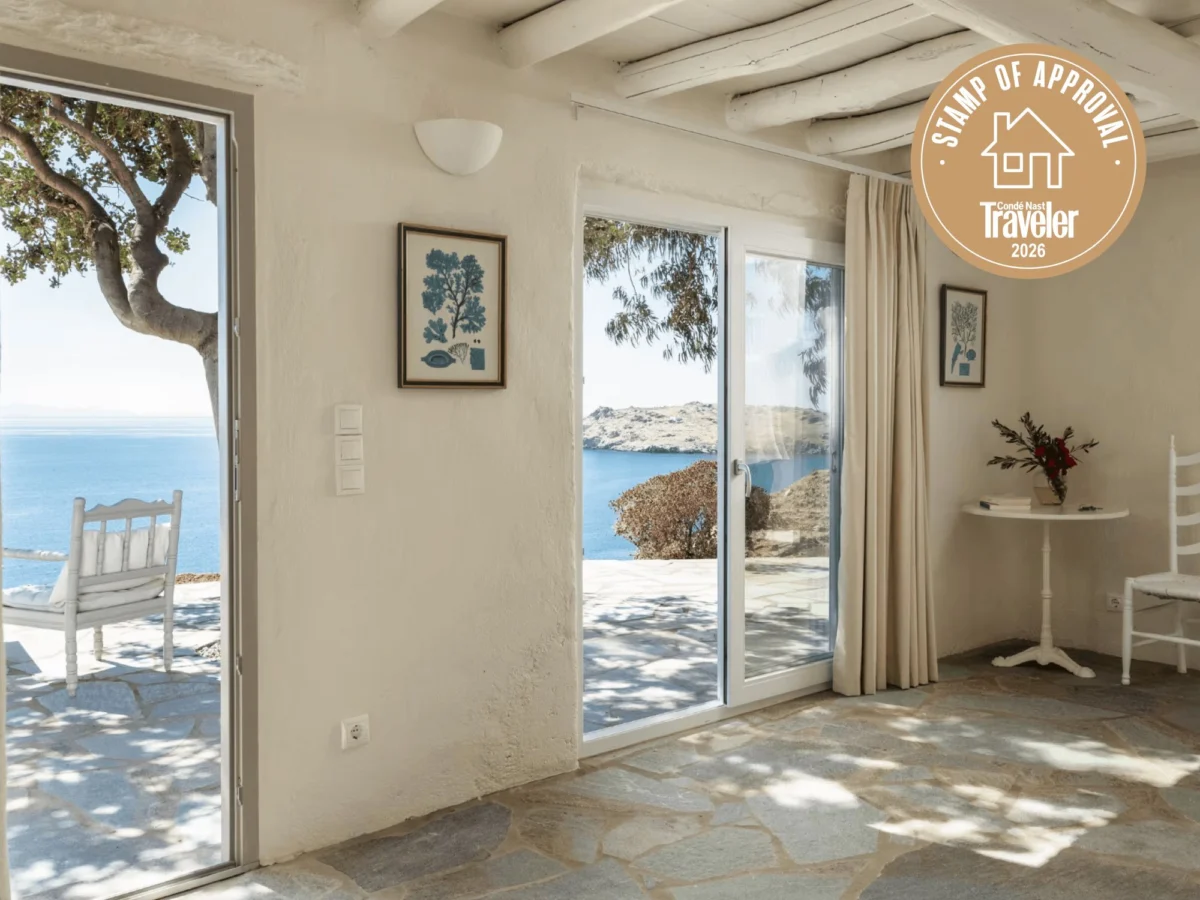
In a travel landscape dominated by the predictable crowds of Mykonos and the bustling ports of Santorini, the Greek island of Andros remains a breath of fresh, Aegean air. A verdant, mountainous, and strikingly authentic enclave located just a one-hour ferry ride from the mainland, Andros offers a version of Greece that feels both intimate and grand. At the heart of this experience is a hilltop retreat in the Kalamaki settlement—a property that proves the most transformative travel experiences are often found in the places that demand a little extra effort to reach.
Main Facts: A Study in Minimalist Elegance
The property, hosted by Dimitris, is a study in Cycladic architecture—a design philosophy that prioritizes light, wind, and the surrounding seascape. Unlike the over-styled "boho-chic" rentals that populate modern travel platforms, this hideaway opts for a restrained, purposeful aesthetic.
The retreat features two self-contained bedrooms, each with its own bathroom, ensuring privacy for guests. The interior design is sparse but deliberate, featuring subtle antique accents that ground the space in the island’s history. However, the true luxury of the property lies in its exterior: a series of versatile lounge areas, a fully equipped outdoor kitchen complete with a brick oven, and a panoramic patio shaded by an ancient, imposing carob tree. The property’s defining feature is its direct access to a semi-private, cove-like beach, reachable only via a rugged, rock-marked trail that keeps the location largely sheltered from the island’s seasonal winds.
Chronology: From Digital Scouting to Physical Immersion
The journey to Andros was born from a digital impulse. As a travel editor, scouting exceptional properties is a professional requirement, but occasionally, a listing captures the imagination beyond the screen. Upon discovering the sweeping, horizon-blurring views from the bedrooms, the booking was confirmed immediately, setting the stage for a summer getaway that defied the typical island-hopping narrative.
The Arrival
The arrival on Andros requires a shift in mindset. While renting a car through local services like Escape in Andros is highly recommended, travelers must possess a sense of adventure. The island’s infrastructure is defined by winding, cliffside roads that demand focus and nerves of steel. The trek to the Kalamaki settlement is a rite of passage; the initial breath-holding moments behind the wheel quickly give way to a sense of accomplishment as the dramatic, arid landscape unfolds.
Daily Rituals
The rhythm of the stay was dictated by the natural environment. Mornings were spent harvesting ingredients from the host’s garden—fresh tomatoes paired with local staples like sesame bread, Greek yogurt, and sun-ripened apricots sourced from the port town of Gavrio. Afternoons were a toss-up between exploring the island’s rugged periphery or surrendering to the "Blue Mind" effect—a psychological state of calm induced by proximity to water.

The Exploration
While the property was designed for stillness, the island’s call was persistent. Notable excursions included:
- Achla Beach: An unspoiled stretch of coastline accessible via a challenging, steep drive. The reward was a scene of near-mythical quality, featuring gentle waves and local wildlife.
- Aegean Balcony: A homestyle restaurant that serves as a masterclass in Greek simplicity—grilled fish and lemon, enjoyed against the backdrop of the western coastline.
- Chora: The island’s marble-lined capital, home to the iconic, storybook Tourlitis Lighthouse, providing a stark contrast to the wilder, mountainous interiors.
Supporting Data: The Science of the "Blue Mind"
The traveler’s experience on Andros is more than just anecdotal; it is supported by the "Blue Mind" theory, a concept coined by marine biologist Wallace J. Nichols. The theory posits that being near, in, or under water can significantly reduce stress and anxiety, lower heart rates, and promote a sense of well-being.
The property in Kalamaki serves as a literal manifestation of this theory. By positioning the living quarters directly above the Aegean, the design facilitates a constant visual and auditory connection to the sea. Data from environmental psychology suggests that "blue spaces"—environments that feature water—are more restorative than "green spaces." The constant presence of the ocean, combined with the lack of artificial noise, allows for a neurological "reset," a phenomenon clearly felt during the stay.
Furthermore, the integration of local agricultural products—specifically the carob tree—highlights the importance of "culinary geography." Carob, often dismissed as a mere substitute for chocolate, is a foundational element of the Andros ecosystem. Its presence on the patio is not merely aesthetic; it links the guest to the island’s history of sustainable, local food production.
Official Perspectives: The Greek Approach to Hospitality
The concept of "casual magnificence" is deeply embedded in the Greek cultural fabric. It is a philosophy that rejects the performative nature of modern luxury in favor of authenticity.
When interviewing hosts like Dimitris, it becomes clear that the goal is not to curate an experience for the guest, but to allow the guest to inhabit the island as a local would. This is reflected in the trust extended to visitors—such as the invitation to pick fruit from the garden or the inclusion of a professional housekeeper, Chara, who ensures that the grit of the beach does not intrude on the sanctity of the living space.

This approach shifts the role of the host from a service provider to a facilitator of lifestyle. By removing the barriers between the traveler and the environment, the rental becomes a conduit for genuine cultural exchange. The emphasis on "no try-hard décor" or "evil-eye trinkets" is an intentional choice by local property owners to respect the integrity of the Cycladic home, ensuring that the architecture remains the primary point of focus.
Implications: The Future of "Slow Travel"
The experience in Andros holds significant implications for the future of the tourism industry. As international travelers grow increasingly fatigued by the over-commercialization of popular Mediterranean hubs, there is a burgeoning market for "slow travel"—trips that prioritize immersion, environmental respect, and off-the-beaten-path discovery.
The Environmental Impact
The rugged, cliffside nature of Andros acts as a natural deterrent to mass tourism, preserving the island’s biodiversity and local culture. The necessity of a rental car and the navigation of narrow, unpaved roads ensure that only those committed to the journey reach the most beautiful, remote areas. This "friction" is a positive force; it limits the volume of visitors and ensures that those who do arrive are more likely to appreciate and protect the landscape.
The Shift in Rental Market Trends
Properties that offer a sense of place rather than a generic "Airbnb look" are becoming the gold standard for high-end, thoughtful travel. The success of this specific Andros retreat suggests that travelers are willing to pay for seclusion and authenticity. The trend is moving away from urban apartment rentals toward homes that require engagement with the local terrain, such as the garden-to-table breakfast routine or the daily trek to a private cove.
Conclusion: The Luxury of Stillness
In a world that prizes the "check-list" style of travel, Andros offers a rare alternative: the luxury of doing nothing. Whether it is spotting a dolphin from a bedroom window or watching the light change across the Aegean during sunset, the island demands that you slow down. The ultimate takeaway from a stay in the Kalamaki settlement is that the most profound travel memories are not found in the museums we visit or the tours we take, but in the moments of silence where we finally allow ourselves to look at the horizon and see it clearly.
For the modern traveler, Andros is a reminder that beauty does not need to be curated or commodified—it simply needs to be sought out, with a little bit of nerve and a lot of patience.
 Asro
Asro
 Siti Muinah
