

The landscape of cinematic superhero storytelling is undergoing its most significant transformation in over a decade. While 2025 marked the formal introduction of James Gunn’s DC Universe (DCU) with the theatrical release of Superman, it is 2026 that industry analysts and fans alike are calling the "Year of the DCU." This is the year when the ambitious vision of DC Studios co-CEOs James Gunn and Peter Safran has truly begun to materialize, moving beyond a single flagship film into a sprawling, multi-platform tapestry of interconnected stories.
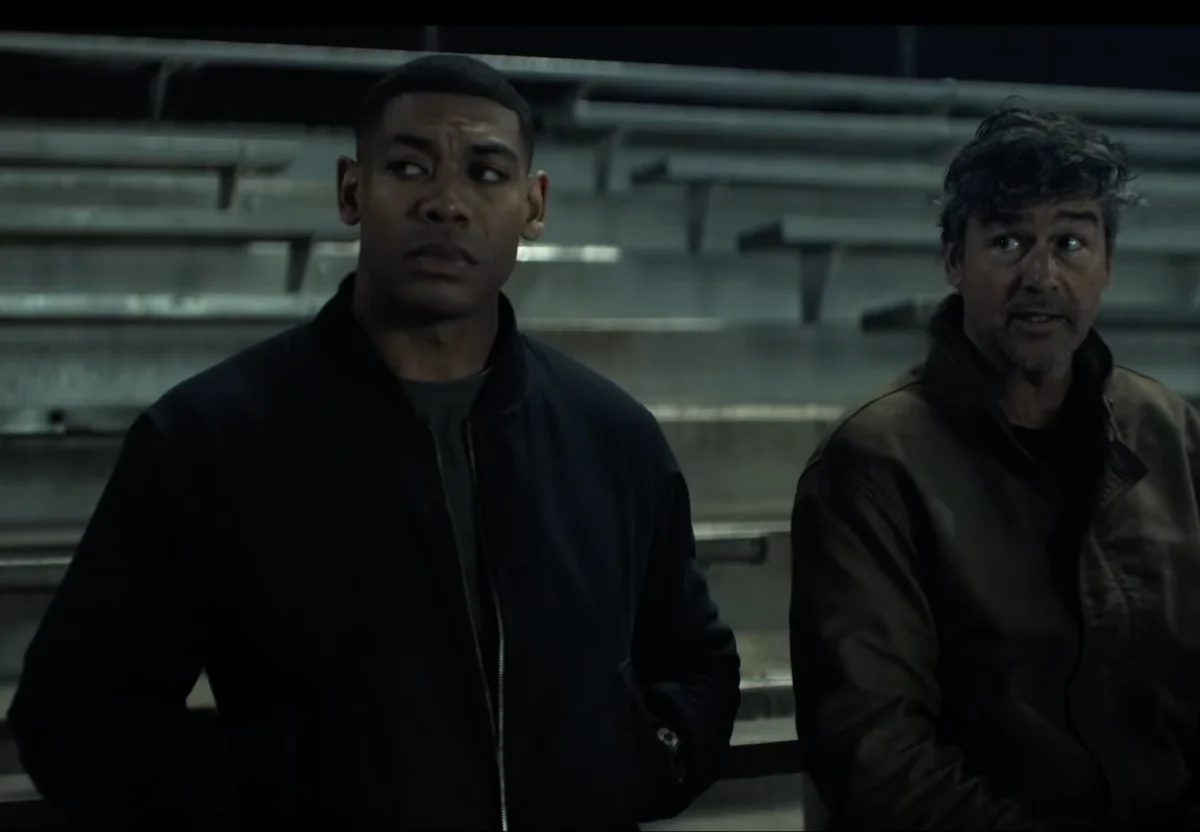
At the center of this cultural shift is Lanterns, the upcoming HBO original series that serves as a cornerstone for Gunn and Safran’s "Chapter One: Gods and Monsters." Debuting a visceral new trailer at San Diego Comic-Con’s fabled Hall H, the series has officially set a premiere date of Sunday, August 16. Starring Kyle Chandler and Aaron Pierre, Lanterns is not merely a superhero show; it is a prestige crime drama that promises to redefine how audiences perceive the Green Lantern Corps.
Main Facts: A Grounded Approach to Intergalactic Peacekeeping
Lanterns represents a radical departure from previous attempts to bring the Green Lantern mythos to the screen. Eschewing the neon-soaked, space-opera aesthetics of the 2011 film, this iteration is a "noir-tinged" procedural. The series follows two of the most iconic characters in comic book history: Hal Jordan (Kyle Chandler) and John Stewart (Aaron Pierre).
The narrative hook is deceptively simple for a property involving intergalactic rings: two intergalactic cops are drawn into a dark, terrestrial mystery. The duo is tasked with investigating a grisly murder in the American heartland—specifically Nebraska. This "boots on the ground" approach is intentional, designed to anchor the high-concept elements of the DCU in a recognizable, gritty reality.
The creative pedigree behind the scenes is equally formidable. The show is co-created and written by Chris Mundy (Ozark), Damon Lindelof (Watchmen, The Leftovers), and celebrated comic book writer Tom King (Supergirl: Woman of Tomorrow). This trio brings a wealth of experience in high-stakes drama and subversive genre storytelling, signaling that Lanterns is aimed at the same sophisticated audience that made True Detective and Succession cultural phenomena.
Chronology: The Road to the 2026 Expansion
To understand the weight of Lanterns, one must look at the timeline of the DCU’s development. The journey began in late 2022 when Warner Bros. Discovery tapped James Gunn and Peter Safran to lead the newly formed DC Studios. Their mission was to sunset the "Snyderverse" (the DC Extended Universe) and build a cohesive, creatively-driven universe from the ground up.
- 2024 – The Prelude: The transition began quietly with the animated series Creature Commandos and the second season of Peacemaker. These projects acted as a "soft launch," introducing audiences to the tone of the new regime.
- 2025 – The Handshake: James Gunn’s Superman hit theaters, serving as the cultural reset point. It established the optimism and aesthetic foundation of the new world.
- 2026 – The Materialization: This is the year the floodgates opened. For the first time, DC Studios released multiple high-budget films and HBO series simultaneously. The 2026 slate includes the cinematic debut of Supergirl: Woman of Tomorrow and the horror-leaning Clayface, but Lanterns is the project tasked with proving that the DCU can thrive on the small screen with the quality of a prestige HBO drama.
The San Diego Comic-Con panel on Friday served as the definitive milestone for this chronology, providing the first look at the footage that bridges the gap between terrestrial crime and cosmic conspiracy.
Supporting Data: Casting and Creative Architecture
The success of Lanterns hinges on the chemistry between its leads, and the casting reflects a desire for gravitas over traditional "superhero" archetypes.

The Leading Duo
Kyle Chandler, an Emmy winner known for his portrayal of moral authority in Friday Night Lights, plays Hal Jordan. In this iteration, Jordan is the "grizzled veteran"—a man who has seen the horrors of the galaxy and is perhaps a bit jaded by his responsibilities. Opposite him is Aaron Pierre (Rebel Ridge), who plays John Stewart. Stewart is the younger, more disciplined recruit, bringing a fresh perspective that clashes with Jordan’s world-weary methods.
The Ensemble
The supporting cast reads like a "who’s who" of prestige television, further cementing the show’s HBO credentials:
- Laura Linney and Kelly MacDonald: Both veteran actresses bring a layer of dramatic weight to the Nebraska-based investigation.
- Garret Dillahunt and Ulrich Thomsen: Known for playing complex antagonists and tough-minded figures, their presence suggests a deep, character-driven mystery.
- DCU Connectivity: The trailer confirmed that the show is not an island. Nathan Fillion’s Guy Gardner, who appeared in the 2025 Superman film, makes a guest appearance, providing the "connective tissue" that James Gunn has promised for the franchise.
Technical Specifications
The trailer shown at Hall H highlighted a cinematic visual style. Eschewing the "flat" lighting often associated with television procedurals, Lanterns utilizes a high-contrast, moody palette. The use of the Green Lantern rings is depicted as powerful but taxing, with the "constructs" appearing more as extensions of the characters’ willpower than mere CGI effects.
Official Responses: The Vision of Gunn and Safran
During the Hall H presentation, James Gunn and Peter Safran spoke extensively about why Lanterns is the "linchpin" of their current strategy. Gunn emphasized that the DCU is not a "monolith" of tone.
"The goal from day one was to allow these projects to breathe their own air," Gunn told the crowd. "If Superman is a bright, hopeful epic, Lanterns is a dark, winding mystery. You don’t need to see every movie to understand the show, but if you do, you’ll see the threads of a much larger story about the history of our universe and the threats lurking in the dark."
Peter Safran echoed these sentiments, focusing on the choice of the creative team. "Bringing Damon [Lindelof] and Chris [Mundy] together with Tom [King] was about ensuring that the ‘detective’ part of ‘Detective Comics’ was front and center. We wanted to make a show that would be compelling even if you took the rings away."
The creators themselves have described the show as a "terrestrial mystery with cosmic implications." This approach is designed to solve the "power scale" problem that often plagues Green Lantern stories—by keeping the stakes personal and the setting grounded, the eventual reveal of the larger threat carries more emotional weight.
Implications: A New Blueprint for the Superhero Genre
The release of Lanterns and the broader 2026 DC slate has significant implications for the entertainment industry at large.

1. The End of "Superficial" Interconnectivity
For years, the "shared universe" model was criticized for feeling like a series of "homework assignments." Gunn and Safran are attempting a different path: tonal diversity. By allowing Lanterns to be a noir and Clayface to be a horror-thriller, DC Studios is betting that audiences are more interested in genre-bending stories than in a uniform brand identity.
2. The "HBO-fication" of Superheroes
By placing Lanterns on HBO (rather than just Max), Warner Bros. is signaling that this is a flagship product. It challenges the dominance of Disney+’s Marvel offerings by positioning the DCU as "grown-up" television. If Lanterns succeeds, it could shift the focus of the genre toward limited-series formats that prioritize writing and acting over spectacle.
3. The Redemption of the Green Lantern Brand
For fifteen years, the Green Lantern brand was tarnished by the failure of the 2011 film. Lanterns represents a sophisticated reclamation of these characters. By focusing on Hal Jordan and John Stewart as complex men rather than just vessels for special effects, DC is restoring the "Emerald Knight" to his rightful place as a pillar of the DC mythos.
4. The Nebraska Factor
Setting a cosmic show in Nebraska is a bold narrative choice. It implies that the "Gods and Monsters" of the DCU aren’t just in the stars or in the shining spires of Metropolis; they are in the shadows of our own backyards. This "everyman" perspective is likely to be a recurring theme in the Gunn era—finding the extraordinary within the ordinary.
Conclusion
As the trailer for Lanterns concludes with the ominous image of a green glow reflecting in a pool of blood on a rain-slicked Nebraska road, the message is clear: the DC Universe has grown up. With its August 16 premiere date looming, the series stands as the ultimate test for James Gunn and Peter Safran’s grand experiment.
If 2025 was about proving that Superman could still fly, 2026 is about proving that the DCU can sustain a complex, multifaceted world that appeals to both the comic book faithful and the prestige TV aficionado. Lanterns is the light leading the way into this new era, and if the early footage is any indication, the future of DC is very bright—and very dark—indeed.
 Lina Hope
 Azzam Bilal Chamdy
 Pevita Pearce
