

NEW YORK — The United Nations Security Council is scheduled to convene an emergency meeting this Thursday at 3:00 PM (EDT) at the UN Headquarters in New York, following a sharp and alarming escalation in the Yemeni conflict. The session comes in response to a volatile 48-hour period characterized by cross-border strikes and the seizure of critical humanitarian assets, further threatening to dismantle the fragile peace efforts in the region.
The meeting follows reports of intensified Houthi militant activity, including strikes targeting Saudi Arabian territory on Tuesday and the tactical capture of a strategic port along Yemen’s Red Sea coastline. The situation reached a critical juncture when militants seized eight UN-operated vehicles from a vital aid hub, an act that has drawn condemnation from international observers and intensified concerns regarding the safety of humanitarian personnel on the ground.
The Escalation: A Chronology of Recent Events
The current cycle of violence represents a significant deviation from the sporadic tensions that have defined the Yemeni landscape over the past several months. The timeline of this week’s developments underscores the rapid deterioration of security:
Monday, September 8 – The Shift in Strategy
Reports began emerging of intensified Houthi troop movements along the Red Sea corridor. Intelligence indicators suggested a pivot toward key logistics hubs, specifically targeting infrastructure essential for the distribution of food and medicine to internally displaced persons (IDPs).
Tuesday, September 9 – The Cross-Border Strike
The crisis deepened on Tuesday as reports confirmed a series of coordinated strikes emanating from Houthi-controlled territories in Yemen, directed at targets within Saudi Arabia. The strikes, which involved ballistic and aerial capabilities, were viewed by regional analysts as a clear provocation and a challenge to the de-escalation protocols that had been tentatively observed in recent months.
Wednesday, September 10 – The Port Seizure and Asset Theft
By Wednesday, the tactical focus shifted to the Yemeni coast. Militants successfully captured a critical Red Sea port, a move designed to stifle maritime trade and consolidate control over maritime supply routes. During the seizure of the facility, Houthi forces intercepted and commandeered eight UN vehicles stationed at a primary aid hub. This seizure is particularly concerning, as these vehicles are designated for the neutral transport of humanitarian relief, including vaccines, water filtration equipment, and nutritional supplements.
Supporting Data: The Humanitarian Toll
The human cost of the Yemeni conflict remains one of the world’s most pressing challenges. The recent seizure of UN assets is not merely a logistical setback; it is a direct blow to the millions of civilians who rely on these aid chains for survival.
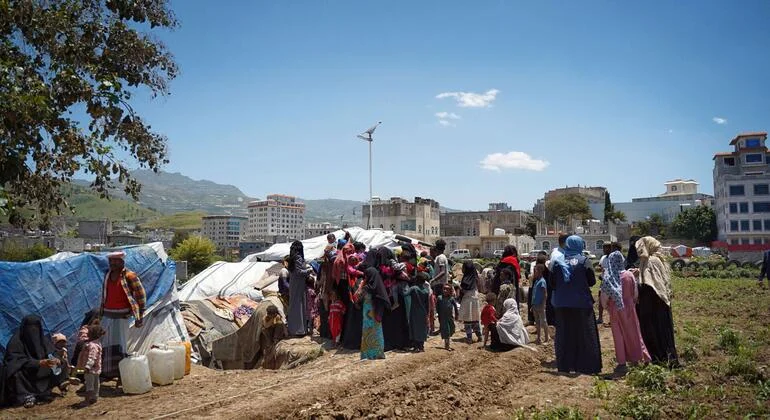
- Displacement Crisis: Current UN data indicates that over 4.5 million people remain internally displaced within Yemen. The areas currently seeing military activity host a significant portion of these vulnerable populations.
- Aid Dependency: According to the World Health Organization (WHO), over 80 percent of the Yemeni population requires some form of humanitarian assistance. The disruption of port activities directly threatens the flow of essential medical supplies.
- Logistical Fragility: The loss of eight UN vehicles signifies more than the cost of the hardware; it represents a significant reduction in the "last-mile" delivery capacity of NGOs and UN agencies, which are already struggling with severe funding gaps.
Official Responses and International Condemnation
The international community has responded with urgent calls for restraint and adherence to international humanitarian law. While the Security Council session is expected to provide a platform for formal deliberation, preliminary statements have already set a somber tone for the proceedings.
UN Secretariat Stance
A spokesperson for the UN Secretary-General emphasized that the sanctity of humanitarian personnel and equipment must be upheld at all times. "The seizure of UN vehicles is an unacceptable interference with the work of organizations dedicated to saving lives," the statement noted. The UN has demanded the immediate and unconditional return of the equipment and the guarantee of safe passage for aid workers.
Regional Reactions
Regional powers, including the Saudi-led coalition, have characterized the recent attacks as a "dangerous escalation" that threatens the sovereignty of the Kingdom and the security of the Red Sea trade lanes. Diplomats from neighboring countries are expected to push for a robust response from the Security Council, emphasizing that the current status quo is unsustainable.
Human Rights Advocacy
Human rights organizations, including Amnesty International and Save the Children, have issued urgent pleas for the protection of civilian infrastructure. They argue that regardless of the political motivations behind the conflict, the weaponization of aid delivery is a breach of the Geneva Conventions and a war crime.
Implications: The Road Ahead
The emergency meeting on Thursday is expected to focus on three primary objectives: ensuring the safe return of humanitarian assets, establishing a "de-confliction" zone around aid hubs, and determining if additional measures are required to curb the flow of weaponry fueling these attacks.
1. The Threat to Peace Negotiations
The primary implication of this week’s events is the potential collapse of the fragile diplomatic track. The UN Special Envoy for Yemen has spent months attempting to bring stakeholders back to the negotiating table. This latest military maneuver is widely interpreted as a "spoiler" tactic, designed to increase leverage ahead of any potential peace talks by demonstrating control over vital geography.
2. Maritime Security and Global Trade
The seizure of a Red Sea port is not just a domestic issue; it is a global one. The Red Sea is a vital artery for international shipping. The increased presence of militant forces in the vicinity of these ports threatens to drive up insurance premiums for shipping vessels, potentially causing a ripple effect on global supply chains that are already strained.
3. The Future of Humanitarian Access
If the international community fails to secure the return of the stolen vehicles and establish ironclad guarantees for aid movement, humanitarian agencies may be forced to suspend operations in the affected sectors. Such a withdrawal would be catastrophic for the millions of civilians who lack access to clean water and adequate healthcare.
Conclusion: A Turning Point for the Security Council
The Security Council faces a defining test this Thursday. The members must decide whether to continue with a policy of diplomatic persuasion or shift toward a more enforcement-oriented approach.
As the world watches the UN Web TV broadcast, the focus will be on whether the permanent members of the Council can overcome their own geopolitical differences to present a unified front. The safety of the aid workers, the stability of the Red Sea, and the survival of the Yemeni people depend on the ability of the Council to translate words into meaningful, immediate action.
For now, the situation remains fluid. The international community awaits the outcome of the emergency session, hoping that it marks the end of this current escalation rather than the prologue to a wider, more devastating conflict.
For ongoing updates on the situation in Yemen, citizens are encouraged to monitor the UN News platform. To receive daily briefings directly, interested parties may subscribe to the UN Newsletter, or download the UN News application available on iOS and Android devices.
 Nana Muazin
 Azzam Bilal Chamdy
 Layla Zulfa
