

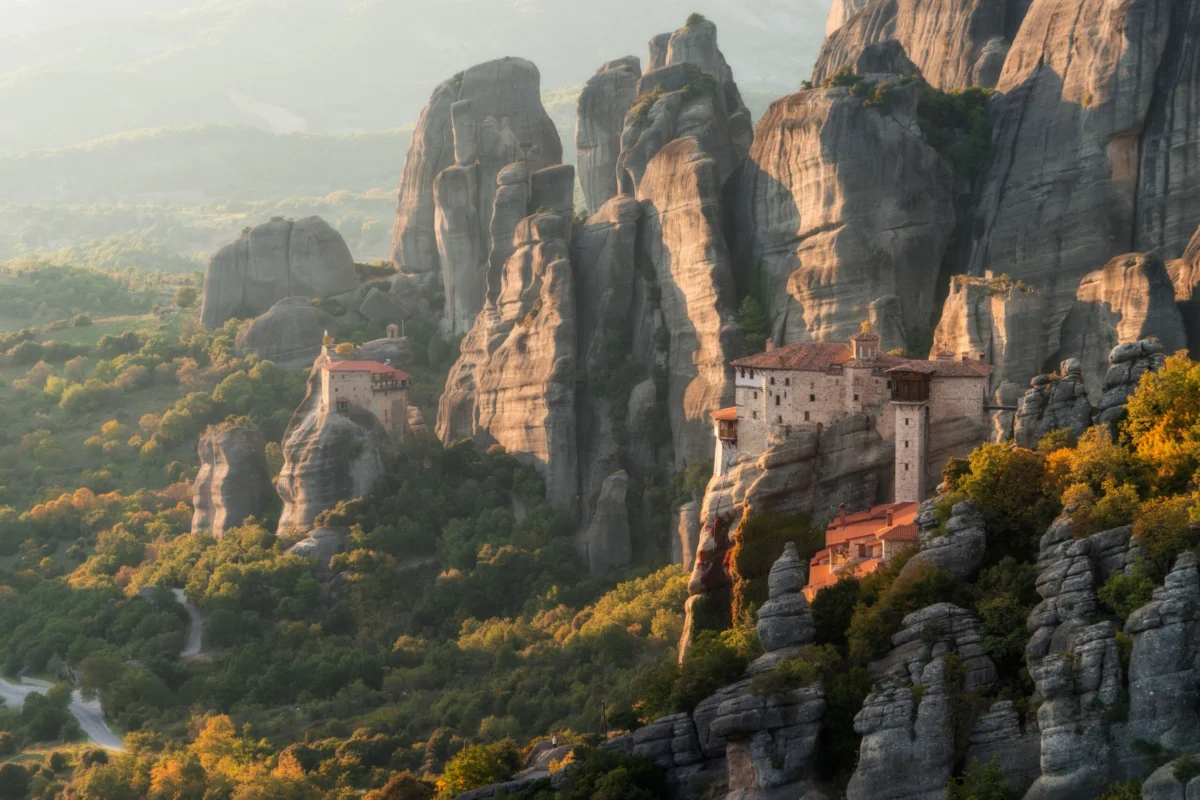
For decades, the global travel narrative surrounding Greece has been dominated by a singular, sun-drenched image: the blinding white-plastered alleys of Mykonos, the crowded sunset views of Santorini, and the relentless, azure expanse of the Aegean Sea. However, as the phenomenon of "Euro-summer" reaches a saturation point—characterized by record-breaking heat, exorbitant peak-season pricing, and infrastructure strained to its limit—a new, more nuanced trend is emerging.
Seasoned travelers and local experts are increasingly pivoting toward the "off-season," a period stretching from late autumn through winter and into early spring. In this realm, the narrative shifts from the frantic pace of July and August to a more contemplative, authentic, and arguably more magical experience. According to Condé Nast Traveler’s elite roster of Top Travel Specialists, including Julie Durso of Scott Dunn, Lisa Kusak of Kusak & Co., Emily Rister of Original Travel, and Laura Plansky of Audley Travel, the off-season is not merely a compromise—it is, in many ways, "game on" for the true connoisseur of Greek culture.
The Core Case for the Off-Season: Climate, Culture, and Cost
The primary incentive for traveling outside the traditional window is twofold: the mitigation of the brutal Mediterranean sun and the avoidance of overwhelming mass tourism. "Visiting off-season is perfect for avoiding crowds and the heat," says Emily Rister. "Generally, Greece remains quite mild, even in winter. It’s still pleasant to be out and about exploring. Cultural sites are much quieter, and you don’t have to book restaurants weeks in advance."

The Economic Advantage
Beyond the physical comfort, the financial incentives are compelling. Hotel rates drop significantly once the peak season subsides, allowing travelers to secure five-star, luxury accommodations at a fraction of the cost. This democratization of luxury is a hallmark of the off-season experience, enabling guests to inhabit properties that would otherwise be priced out of reach during the high-summer surge.
The Human Element
Perhaps most importantly, the off-season reveals the "authentic" Greece. In the absence of the transient summer crowds, the pace of life slows, allowing for genuine, unhurried interactions with the local community. "In the off-season, you find a certain authenticity," explains Lisa Kusak. "With fewer people present, you can get a real connection with the local community—the pace is gentler for everyone."
A Chronology of the Greek Off-Season
The off-season is not a monolithic experience; it follows a rhythm defined by the land and the harvest.

- Late Autumn (November–December): This period is defined by the olive harvest, a cornerstone of Greek agricultural life. Visitors during this window can witness, and often participate in, the seasonal collection of olives, an ancient ritual that underscores the deep connection between the Greek people and their landscape.
- Winter (January–February): This is the time for the urban explorer and the culture enthusiast. In cities like Athens and Thessaloniki, the winter air is crisp and clear, providing the perfect backdrop for exploring the Acropolis or wandering the historic neighborhoods of Plaka and Monastiraki without the interference of massive tour groups.
- Early Spring (March–April): As the winter recedes, the citrus groves in the Peloponnese and Crete begin to bloom, filling the air with the scent of orange and lemon blossoms. This period offers a soft, verdant landscape that is a stark, refreshing contrast to the parched, sun-bleached terrain of late summer.
Culinary Prowess: A Bounty of Winter Flavors
For the culinary traveler, the off-season is arguably the superior time to visit. The winter harvest brings a bounty of seasonal produce that defines the regional diet. In the Peloponnese and Crete, the winter months are marked by the vibrant citrus season. Furthermore, the lack of pressure on restaurant kitchens means that chefs have more time to focus on traditional, slow-cooked dishes that define local heritage—dishes that are often overlooked in favor of quick, light summer fare.
The Practical Realities: Navigating the "Rose and its Thorns"
While the benefits are clear, seasoned travelers must manage their expectations regarding logistics. "No rose is without its thorns," as the saying goes.
Infrastructure and Logistics
Many establishments, particularly on smaller islands, shutter their operations during the winter months. Ferry schedules are significantly reduced, and weather patterns can occasionally disrupt sea travel. As Julie Durso points out, "It’s not the peak season for swimming and boating, if guests have that as a priority." Consequently, the advice from the experts is clear: Focus on the mainland and larger, year-round hubs like Athens, Crete, Corfu, and Thessaloniki.

Packing Strategy
The shifting climate requires a change in wardrobe. "It’s important to pack layers," advises Durso. "Lightweight sweaters, linen that you can wear on top of each other, a rain jacket, maybe a little bit of cashmere." Even in milder regions, the evening wind and sudden drops in temperature make a versatile jacket an essential companion, even during a sunny day at the beach.
The Importance of Expert Guidance
Because opening hours for hotels and restaurants are fluid and vary annually, the "do-it-yourself" approach to booking can be risky. "It is worth planning around what is genuinely open rather than where you want to go on the map," notes Kusak. "This is where I lean on my team in Greece. They know which properties are running, which restaurants stay open through the winter, and where a January afternoon is best spent."
Strategic Destinations: Beyond the Cyclades
Thessaloniki: The Culinary Capital
Designated a UNESCO City of Gastronomy, Thessaloniki offers a rich, layered history. As a crossroads for Greeks, Ottomans, Sephardic Jews, Armenians, and Slavs, its food scene is unparalleled. Unlike many of the smaller islands that hibernate in winter, Thessaloniki is a bustling second city that remains fully operational. Visitors should prioritize a visit to The Rouga for traditional meze, or Olympos Naoussa for a more elevated, heritage-focused dining experience.

The Peloponnese: A Homeric Adventure
For those seeking a road trip, the Peloponnese is the ideal destination. The region offers a mix of coastal beauty and historic weight. Towns like Monemvasia, with its medieval stone houses, and Nafplio, with its Venetian architecture, provide a sense of history that is often buried beneath the summer beach culture. Furthermore, the Peloponnese serves as a gateway to major archaeological sites like Mycenae, Epidavros, and Ancient Corinth—all of which are best experienced in the quiet, reflective atmosphere of the winter months.
Implications for Future Travel
The shift toward off-season travel in Greece is more than just a passing fad; it is a necessary evolution in how we interact with high-demand destinations. By spreading tourism throughout the year, travelers not only gain a more profound and intimate experience of the country but also contribute to the sustainability of local economies that are often decimated by the "boom-and-bust" cycle of seasonal tourism.
When asked for a quintessential off-season experience, Lisa Kusak suggests a January day in Athens. "I’d wander a few of the neighborhoods—Plaka, Monastiraki, Thisio, Kolonaki—just to get a feel for how the city lives, pausing at a small shop for a warm koulouri or a slice of spanakopita along the way. Then the Acropolis, which in the off-season is blissfully unhurried. With the crowds thinned, there’s room to take it in properly."

Ultimately, the off-season in Greece invites the traveler to stop looking for the "perfect" postcard photo and instead start looking for the living, breathing reality of a nation that has thrived for millennia, regardless of the season. It is a time for connection, for deep learning, and for the quiet appreciation of a culture that is, perhaps, best understood when the noise of summer has faded away.
 Basiran
 Nana
Nana
 Nana Muazin
