

For decades, the rhythm of global tourism was predictable. The summer months—June, July, and August—acted as an immovable anchor, drawing millions to the sun-drenched coasts of the Mediterranean and the bustling capitals of Europe. Autumn was reserved for the “shoulder season,” a quiet, golden window where savvy travelers enjoyed lower prices, thinner crowds, and the cooling relief of milder temperatures.
But the traditional travel calendar is currently undergoing a radical transformation. As the planet experiences record-breaking summer heat and tourism infrastructure buckles under the weight of overtourism, a new phenomenon has taken hold: the "fallcation."
The End of the Traditional Summer Stranglehold
The transition of September, October, and November from quiet transition months to high-demand periods is no longer a niche trend; it is a fundamental shift in travel behavior. Data from the global luxury travel network Virtuoso reveals a staggering 59% increase in fall bookings compared to the previous year. September alone has seen a 77% surge in sales, effectively cementing it as a primary peak month, while October and November have seen growth of 54% and 71%, respectively.

John Clifford, a Condé Nast Traveler Top Travel Specialist and founder of International Travel Management, characterizes this as a structural change in how the modern traveler plans their life. "Savvy travelers are establishing autumn as the new peak season for global trips," Clifford notes. "Summers are only getting hotter, and the crowds are becoming increasingly difficult to manage. People are looking to reclaim their vacation time by shifting their major trips to the cooler, more manageable months of the fall."
A Chronology of the Shift: Why Now?
The rise of the fallcation is a multi-causal evolution. The shift began in earnest over the last three years, driven by a confluence of environmental, social, and economic pressures.
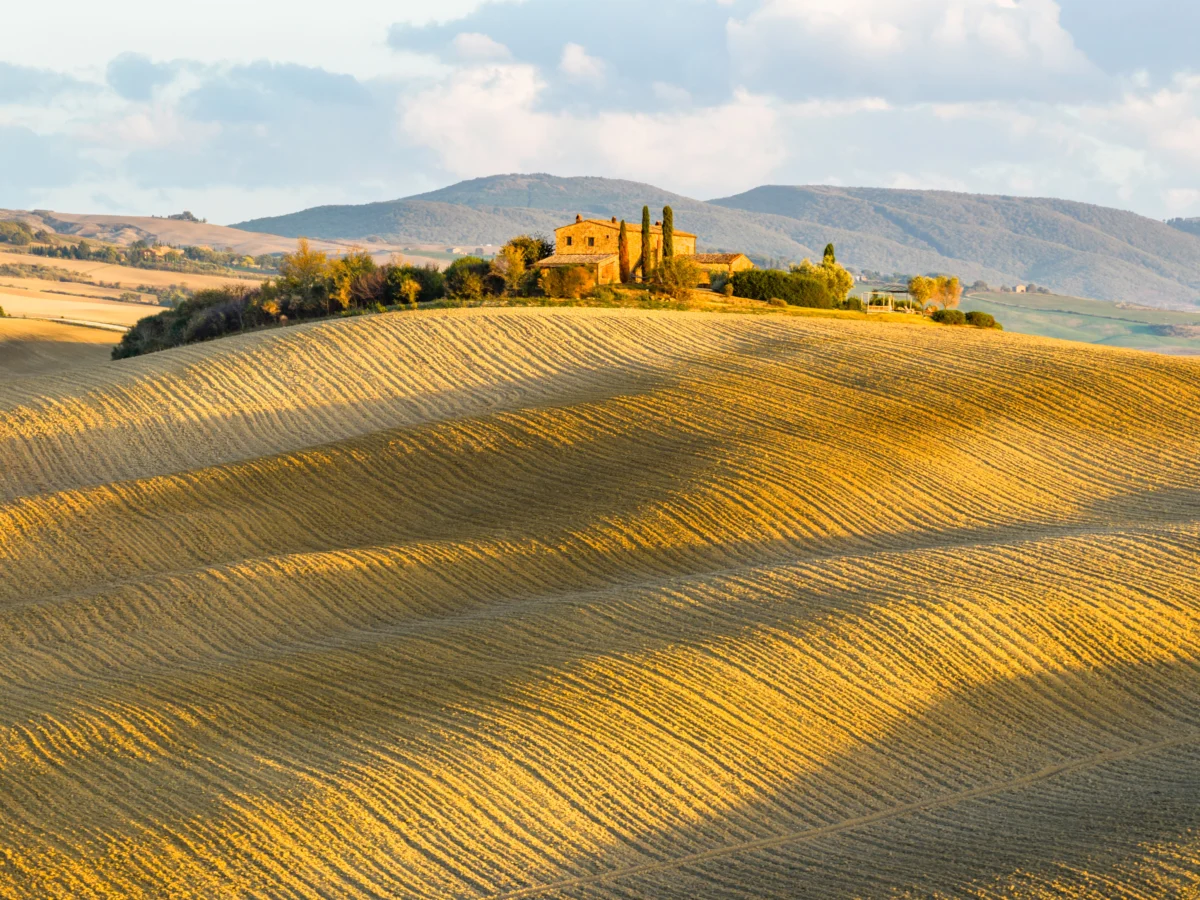
- The Climate Catalyst: As global temperatures hit record highs throughout August, the appeal of a Mediterranean beach holiday has diminished for many. Travelers are now actively avoiding the "heat-dome" effect, opting instead for the temperate, golden days of late September in places like Tuscany or the Greek Isles.
- The Media Influence: The news cycle has played a significant role in altering consumer habits. Persistent headlines detailing European wildfires, extreme heat waves, and the logistical nightmare of "overtourism"—manifested in endless airport queues and inflated pricing—have soured the allure of the traditional August holiday.
- The Post-Summer Reset: For many professionals and families, the fall offers a psychological reprieve. With children back in school or college, the fall has historically been the domain of empty-nesters and solo adventurers. However, this demographic is expanding as parents increasingly prioritize the quality of the experience over the rigidity of the academic calendar, occasionally choosing to take children out of school for the "perfect" trip.
Supporting Data: The Numbers Behind the Trend
The migration of travelers toward autumn is verified by industry experts across the globe. Tom Barber of the UK-based firm Original Travel reports that autumn has "outperformed summer for at least the past two years." His firm has seen September and October departures spike by 53% and 45%, respectively, compared to August.

The trend is not limited to the Western world. Catherine Heald, founder of the Asia-focused agency Remote Lands, notes a 15% increase in fall bookings over the last few years. In Italy, the epicenter of this shift, the change is even more pronounced. Gary Portuesi of Authentic Explorations describes a complete inversion of the traditional shoulder season. "September and October have become the height of the season," he says. "We are even seeing a surge in November and December, as travelers seek out cooler temperatures, reduced crowds, and better value."
Official Responses and Industry Adaptation
The travel industry is not merely observing this shift; it is actively facilitating it. Supply-side logistics are changing to match the new demand.
Extending the Season
Hoteliers and restaurateurs are recognizing that the "off-season" is rapidly shrinking. Properties that previously shuttered their doors in late September—such as the iconic Le Sirenuse in Positano or Palazzo Avino in Ravello—are now remaining open well into November. This extension requires a commitment to maintaining peak-summer levels of service and energy, a challenge that hoteliers are rising to meet.

The Aviation Response
Airlines, typically slow to adjust to behavioral trends, are beginning to extend their seasonal flight routes. United Airlines has made headlines by extending its Newark-to-Palermo, Sicily route through mid-December, while Delta has expanded its seasonal service from New York-JFK to Catania and Porto through January 2027.
Cruise Line Expansion
The cruise industry, once tethered to summer and early-fall Mediterranean circuits, is now investing in full winter seasons. Companies like Regent Seven Seas and Explora Journeys are operating extended itineraries, finding that the "fresh but not cold" weather of November in the Mediterranean offers a premium experience for travelers who want to avoid the mid-summer swelter.
Implications: A Sustainable Future or a New Crisis?
As we move toward a world where the fallcation becomes the norm, the long-term repercussions for global tourism are significant.

Redrawing the Calendar
The primary concern among experts like Tom Barber is that if September and October become "main season" months, the very benefits that made them attractive—lower costs and fewer crowds—will evaporate. "In the most popular parts of Southern Europe, they will increasingly become part of the main season, with higher hotel rates, tighter availability, and fuller flights," Barber warns.
The Opportunity for Diversification
Conversely, the rise of the fallcation offers a chance to break the "eight-week summer bonanza" that currently cripples tourism infrastructure. By spreading demand across the year, destinations can provide more stable employment for locals.
Mark Bonte of French Side Travel suggests that the goal should not be to create a "new peak season" that repeats the mistakes of the past. Instead, the industry should focus on "seasonal matching." He envisions a future where the French Riviera finds new life in the winter, and the Alps are marketed as a premier summer destination. "Each region has a season where it truly shines," Bonte says. "The opportunity is to match travelers to that specific beauty, rather than pushing everyone into the same few months."

The Myth of the "Off-Season"
As the world enters the era of the fallcation, the concept of a universal "off-season" is effectively dead. For the traveler, this is a net positive. It forces a more thoughtful approach to trip planning, where the focus shifts from "where can I go in July" to "when is this specific destination at its absolute best?"
As Jonathan Alder of Jonathan’s Travels puts it, "There is almost always a great place to go. We are increasingly helping clients identify when a destination is at its best for them, rather than simply when it’s traditionally considered peak season."
Whether we are moving toward a year-round travel model or simply shifting our congestion from summer to autumn, one thing is clear: the traveler of the future is more flexible, more climate-conscious, and less tethered to the traditional calendar than ever before. The "fallcation" is not just a trend; it is the new frontier of global exploration.
 Asro
Asro
 Siti Muinah
