

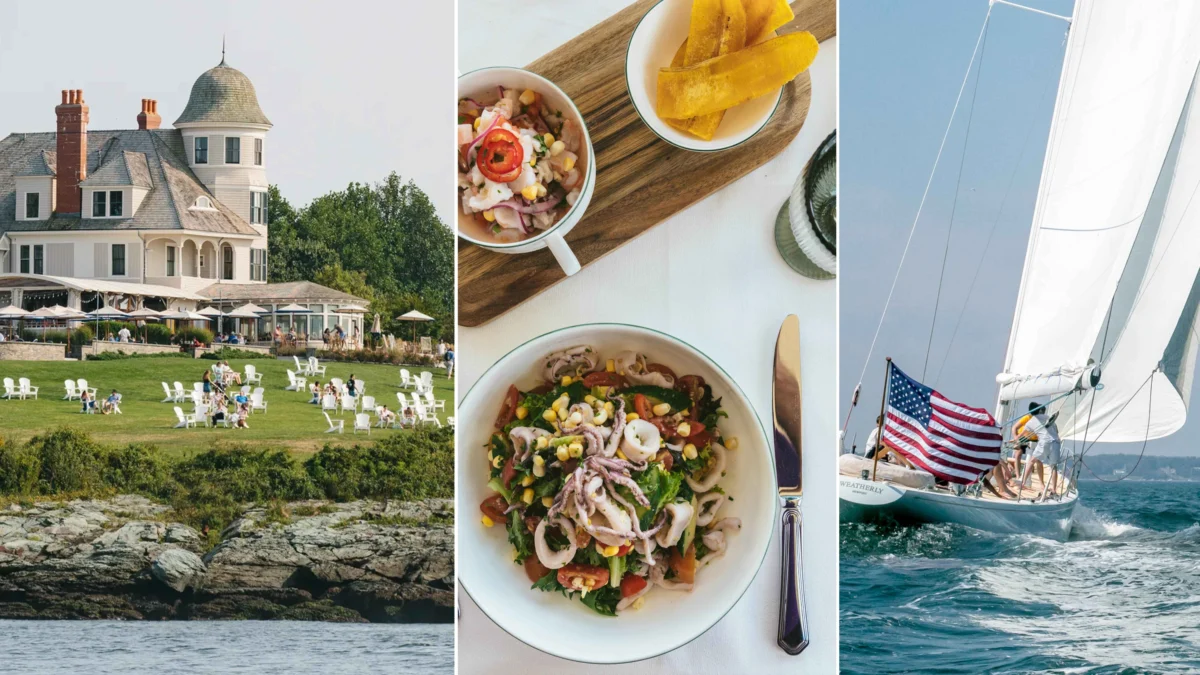
Newport, Rhode Island, is currently experiencing a profound cultural renaissance. Whether fueled by the heightened visibility of Gilded Age aesthetics in prestige television, the viral "old-money" trends dominating social media, or simply a collective migration toward the timeless allure of New England’s coastline, the "City by the Sea" has reclaimed its status as the premier destination for the modern traveler.
For over a century, this compact harbor city has served as the ultimate canvas for East Coast fantasies—a place where seersucker suits, wooden sailboats, and salt-crusted docks are not merely cliches, but a way of life. Today, Newport bridges the gap between its aristocratic past and a vibrant, accessible future, remaining a year-round mecca for those seeking architectural majesty and coastal serenity.
Main Facts: The Evolution of a Maritime Icon
Newport’s identity is inextricably linked to the American elite of the 19th and early 20th centuries. During the Gilded Age, titans of industry—most notably the Vanderbilts and the Astors—constructed sprawling, opulent "summer cottages" along the Atlantic cliffs. These limestone monuments were designed to showcase wealth and host the most exclusive social events of the era.

However, modern Newport has shed the shackles of total exclusivity. While the architectural legacy remains, the city has evolved into a dynamic hub for all. The current tourism landscape is defined by a blend of high-end luxury hospitality and a gritty, authentic working-harbor culture. Recent data from the Rhode Island Commerce Corporation indicates that tourism spending in Newport County continues to grow, with a significant uptick in off-season visitors drawn to the city’s robust culinary scene and historic preservation efforts.
Chronology: A Legacy of Seaside Elegance
To understand the rhythm of Newport, one must view its history not as a static record, but as a series of distinct eras that continue to overlap:
- 1639: The founding of Newport by settlers seeking religious freedom, establishing the city’s early roots as a colonial trading port.
- 1760–1890: The rise of the merchant class, evidenced by the construction of early Georgian-style estates like the Francis Malbone House.
- 1890–1920: The Gilded Age peak. This period saw the transformation of Bellevue Avenue into a "Millionaire’s Row," featuring massive structures like The Breakers and Marble House.
- 1950s–1980s: The democratization of Newport. The city began to pivot toward public tourism, cementing its status as the sailing capital of the world and hosting the America’s Cup for decades.
- 2020–Present: The "TikTok Era." A new generation has discovered the city’s aesthetic, leading to a surge in interest for boutique hospitality, craft culinary experiences, and heritage tourism.
Supporting Data: The Modern Visitor’s Itinerary
For the traveler looking to navigate this complex city, the following breakdown highlights the essential pillars of a Newport itinerary, compiled from a decade of frequent, immersive visits.

Where to Dine: The Culinary Renaissance
Newport’s food scene is no longer just about clam chowder and stale crackers; it is a sophisticated ecosystem of farm-to-table dining and fresh-catch innovation.
- The Classics: The White Horse Tavern, dating back to 1673, remains a bastion of American history, offering an upscale dining experience that feels as vital today as it did centuries ago.
- The Waterfront Hubs: Bowen’s Wharf acts as the city’s beating heart. Clarke Cooke House offers a unique "ship-like" atmosphere, serving everything from high-end sushi to classic steak frites. For a more casual, open-air experience, The Black Pearl provides the quintessential dockside chowder experience.
- The Modern Wave: New establishments like Flora, located within the recently renovated Gardiner House, offer a Mediterranean-inspired menu that signals a shift toward contemporary, globally-minded cuisine. Meanwhile, The Nitro Bar has become the de facto headquarters for the city’s coffee culture.
Where to Stay: Architectural Grandeur vs. Coastal Comfort
Lodging in Newport is a study in contrasts. You can choose to sleep in a museum-grade mansion or a contemporary waterfront resort.
- Gilded Age Splendor: Properties like The Vanderbilt (Auberge Resorts Collection) allow guests to sleep within the walls of an original 1908 Vanderbilt mansion, offering a tangible connection to the city’s most extravagant era.
- Location-First Stays: The Chanler at Cliff Walk offers unparalleled access to the city’s most famous hiking trail. For those who prioritize being steps away from the city’s nightlife, Hammetts Hotel provides a sleek, modern base of operations.
- The Iconic Experience: Even if not a guest, a pilgrimage to Castle Hill Inn is non-negotiable. Its position atop rocky bluffs provides the most breathtaking views in the region.
Official Responses and Preservation
Local authorities and the "Discover Newport" tourism bureau have responded to the recent influx of visitors by doubling down on infrastructure that supports both preservation and accessibility. The city has implemented stringent zoning laws to ensure that the historic character of Thames Street and the surrounding districts is not eroded by commercial overdevelopment.

"Newport’s strength lies in its ability to adapt without losing its soul," says a spokesperson for the local historical society. "We are balancing the needs of a 21st-century tourism economy with the responsibility of maintaining buildings that are essentially the birth certificates of American architectural history."
Implications: The Future of the "City by the Sea"
The implications of Newport’s current popularity are twofold. Economically, the city is thriving, with high occupancy rates for boutique hotels and a bustling restaurant sector that sustains thousands of local jobs. However, the surge in popularity also places pressure on the local environment and the fragile coastal ecosystem.
Sustainability and Growth
The city is currently exploring new ways to manage the "over-tourism" that often affects high-profile coastal destinations. This includes promoting "shoulder season" travel—encouraging visitors to come during the crisp autumn months or the quiet, moody spring rather than the overcrowded July and August peak. By spreading the economic benefits of tourism throughout the year, Newport aims to maintain its charm while preventing the degradation of its natural assets.

Cultural Continuity
The "Gilded Age" label, while a massive marketing draw, also poses a challenge. The city must ensure that its identity is not reduced to a one-dimensional aesthetic for social media. Educational initiatives, such as the continued investment in the International Tennis Hall of Fame and the preservation of the public Cliff Walk, are critical in keeping the city’s cultural narrative robust.
A Final Word on the Experience
Newport is, at its core, a place of play. Whether you are walking the rocky path of the Cliff Walk, taking a "Try Sailing" lesson with Sail Newport, or enjoying a glass of wine on the lawn at Castle Hill, the city demands that you slow down.
It is a place where you can spend your morning in the gardens of the Tennis Hall of Fame, your afternoon on a sailboat in the harbor, and your night dancing at the Cap Club at Hotel Viking. For the visitor, the lesson of Newport is simple: the past is always present, the water is always the focus, and a great meal is never more than a few steps away. Whether you come for the history or the "aesthetic," you will leave with an appreciation for the enduring, resilient beauty of the New England coast.
 Basiran
 Nana Muazin
