

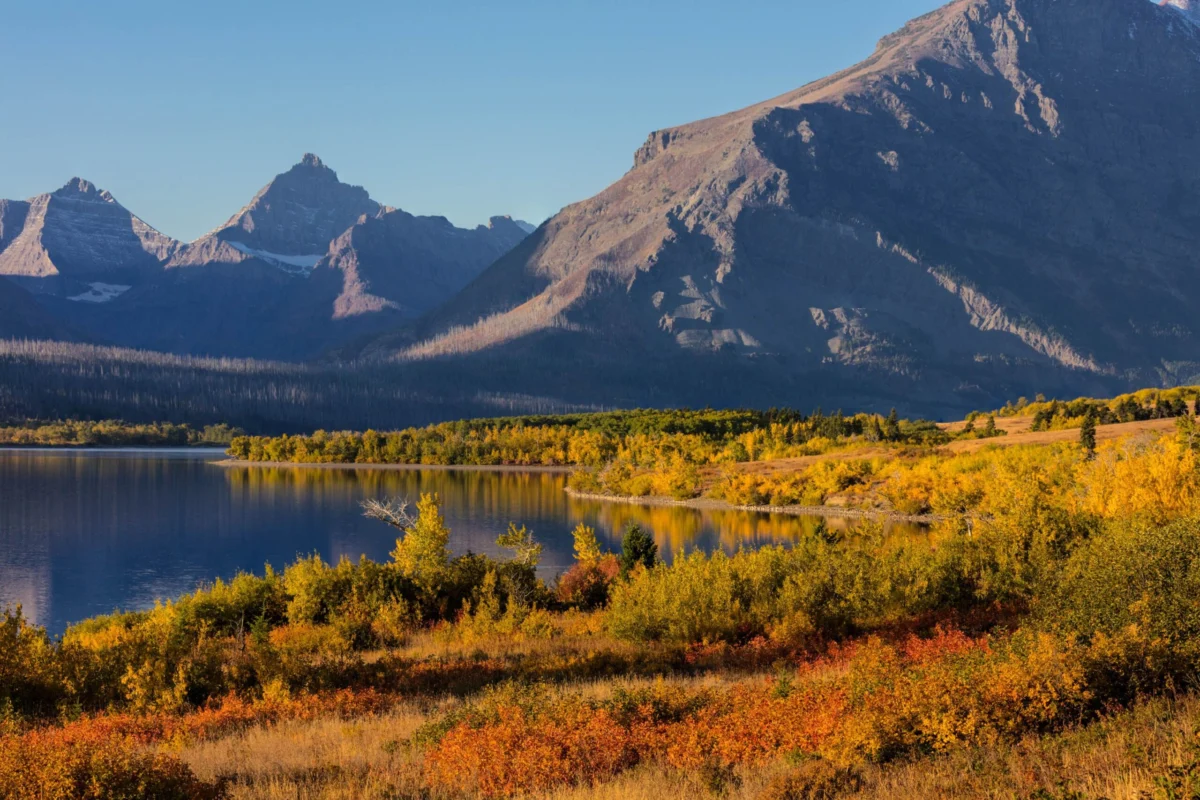
After years of traversing the vast, varied landscapes of the American National Park system, one truth remains constant: there is a specific, ephemeral magic that only descends when the summer heat dissipates and the foliage begins its fiery transformation. While the high-octane energy of July and August brings record-breaking visitation, September and October offer a different, more profound communion with nature. As the valleys turn to gold and the forests ignite with shades of crimson and burnt orange, the parks undergo a metamorphosis that alters not just the scenery, but the very spirit of the experience.
The Seasonal Shift: A Transformation of Landscape and Experience
The transition into autumn is more than a mere change in the color palette of the canopy. It is a fundamental shift in the rhythm of the wilderness. In the high country, the crisp, thin air of September serves as a siren song for hikers, offering the kind of exhilarating clarity that makes a five-mile trek feel like a leisurely stroll.

The atmosphere in the parks changes palpably. The golden-hour light—long, low, and honey-hued—lingers differently across the granite monoliths of Yosemite and the rugged spires of the Tetons. Wildlife, too, adjusts its behavior; the cooling temperatures often spur increased activity, from the bugling of elk during the rut in the Rockies to the migration of raptors along the Atlantic flyways. Furthermore, the thinning of the crowds allows for a quieter, more immersive experience. The frantic search for parking spots and the shoulder-to-shoulder queues on popular trails give way to the silence of the woods and the solitude of the summit.
A Chronology of the Autumnal Transition
Understanding the arc of the fall season is essential for any traveler looking to time their visit perfectly. While the calendar offers a general guide, the "peak" of color is a moving target dictated by elevation, latitude, and local weather patterns.

- Early September: The High-Altitude Prelude. The season begins in the highest reaches of the Rockies and the North Cascades. Here, the alpine tundra begins to bronze, and the sub-alpine meadows signal the end of the short mountain summer.
- Late September: The Aspen Flicker. As the month draws to a close, the iconic aspen groves of the American West—from the Maroon Bells of Colorado to the high deserts of Utah—begin their vibrant "quaking" transition. This is the window where the landscape turns a brilliant, shimmering yellow.
- Early-to-Mid October: The Great Eastern Flare. As the cold fronts push south, the hardwood forests of the East—Acadia, the Shenandoah, and the Great Smoky Mountains—begin their famous display. The maples, oaks, and beeches transform into a mosaic of deep reds, vibrant oranges, and rustic bronzes.
- Late October: The Final Descent. By the close of the month, the color has often moved down the mountainsides into the valley floors, providing a final, dramatic curtain call before the first snows of winter begin to blanket the high peaks.
Supporting Data: Why Fall is the Strategic Choice
For the discerning traveler, the move toward fall is a strategic maneuver. Data from the National Park Service (NPS) often highlights that while the "shoulder season" is shrinking due to increased popularity, the period between Labor Day and mid-November remains the sweet spot for those seeking quality over quantity.
Climate and Comfort
The reduction in humidity and extreme heat makes mid-autumn the optimal time for physically demanding activities. In parks like Zion or Arches, where summer temperatures can regularly exceed 100 degrees Fahrenheit, the moderate autumn climate allows for extended exploration of trails that are simply too dangerous or draining in the heat of July.

Wildlife and Biodiversity
Autumn is a period of high biological stakes. For many species, the coming winter is a driver for increased movement. Whether it is the gathering of bears in the riparian zones of the Pacific Northwest to capitalize on late-season salmon runs or the intense vocalizations of elk in the high plains, the autumn wilderness is arguably the most dynamic period for wildlife photography and observation.
Official Guidance and Park Management Perspectives
While the allure of fall is undeniable, the National Park Service emphasizes that "shoulder season" does not equate to "off-season." In recent years, park managers have issued consistent reminders that the logistical requirements for visiting have changed.

"We encourage visitors to shift their expectations," says an NPS spokesperson regarding fall visitation. "The parks are not empty. Many of our most popular destinations now require timed-entry reservations well into the fall. Because the weather is more favorable, our trails see higher usage than they did a decade ago. We ask that travelers prioritize ‘Leave No Trace’ principles even more strictly as the ecosystem prepares for winter dormancy."
The Reality of Infrastructure
Travelers should note that as October progresses, park services begin to scale back. Seasonal roads—such as the Going-to-the-Sun Road in Glacier National Park or high-elevation passes in the Sierras—are subject to sudden closures due to early snowstorms. Campgrounds may transition to "primitive" status, meaning water service is shut off and trash collection is reduced.

Implications for the Modern Traveler
The evolving nature of travel to our national parks implies that the days of the spontaneous "road trip" are becoming increasingly rare. To truly enjoy the splendor of an American autumn, a traveler must adopt a new set of rules:
- Advance Logistics: Lodges, campgrounds, and even backcountry permits often sell out months in advance. The romantic notion of pulling into a park and finding a spot is largely a relic of the past.
- Flexibility as a Strategy: Because fall weather is notoriously volatile, those who remain flexible often reap the biggest rewards. If a storm hits the high peaks, having a "Plan B" in the lower canyons or coastal forests is essential.
- Preparation for the Elements: The "layering" rule is the cardinal law of autumn. A day that begins with a frost-covered tent can easily climb to a balmy 70 degrees by midday. The ability to shed and add layers is the difference between a comfortable hike and a dangerous one.
- Stewardship: As autumn brings more visitors to sensitive ecosystems, the responsibility to protect these spaces grows. Staying on marked trails prevents the trampling of delicate alpine flora that is particularly vulnerable during the transition to winter.
Conclusion: A Call to Connection
There is an inherent poignancy to visiting a national park in the fall. It is a reminder of the cycles of life, the resilience of the natural world, and the importance of preservation. Whether you are finding yourself humbled by the vastness of the Tetons, mesmerized by the coastal light hitting the rocky cliffs of Acadia, or simply enjoying the silence of a campfire under a crisp, star-filled sky, the autumn season provides a unique opportunity to reconnect with the landscape.

As we look toward the future of our national parks, the goal remains clear: to ensure that these spaces remain as vibrant and wild as they are today. By visiting with intention, respecting the shifting conditions, and acknowledging the hard work of those who manage these lands, we can ensure that the golden season remains a time of wonder for generations to come. The landscapes are waiting—and as the leaves begin to turn, the call of the wild has never been more resonant.
 Asro
Asro
 Siti Muinah
