

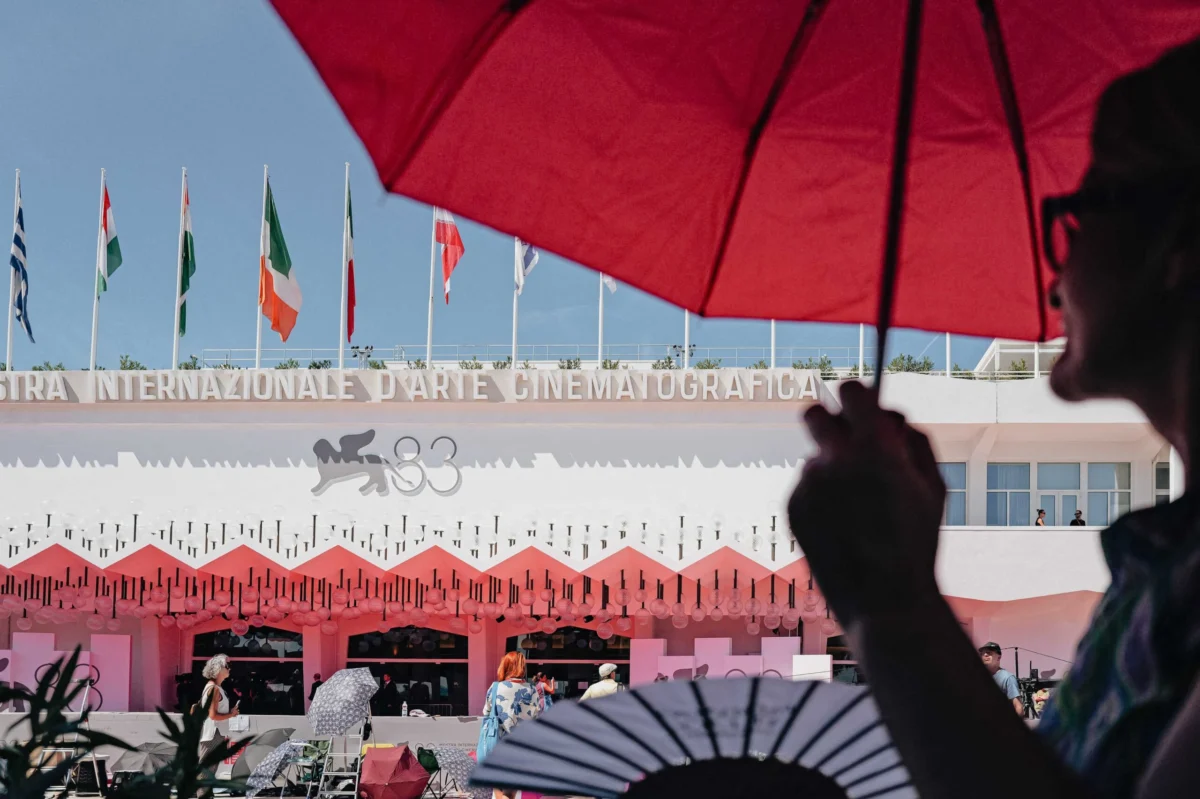
When one considers the Venice Film Festival, a specific, almost cinematic visual shorthand comes to mind. It is the image of a starlet, perhaps Lady Gaga, crossing her legs with studied indifference over the edge of a mahogany water taxi as she navigates the choppy, emerald waters of the Venetian lagoon. It is the spectacle of the red carpet at the Palazzo del Cinema on the Lido, where the sea air meets the heavy velvet of high-fashion couture. It is, occasionally, the messy, human drama—such as the bizarre, tabloid-fuelled "spit-gate" involving Harry Styles and Chris Pine during the Don’t Worry Darling premiere.
Yet, beyond the viral snapshots and the calculated PR stunts lies an institution of profound historical weight. As the oldest film festival in the world, founded in 1932, the Mostra Internazionale d’Arte Cinematografica has survived the collapse of empires, the horrors of the Second World War, and the volatile political uprisings of the 1970s. Today, it stands as the cornerstone of the “Big Three” European festivals, joined by the mid-spring glitz of Cannes and the cold, intellectual rigor of Berlin. For the industry, Venice is the gateway to the awards season, a critical launchpad where American studios bet their prestige-heavy “Oscar bait” against the avant-garde spirit of international art-house cinema.
A Legacy Forged in Shadow
The origins of the Venice Film Festival are, in the plainest terms, problematic. It was conceived under the banner of the Esposizione Internazionale d’Arte, supported by the fascist regime of Benito Mussolini. In its infancy, the festival was intended to project cultural soft power for the Axis powers. However, in the near-century since its inception, the festival has undergone a radical transformation.

While the architectural bones of the Lido—with its turn-of-the-century grandeur and Art Deco flourishes—remain, the festival’s soul has pivoted. It is no longer an instrument of nationalist propaganda but a global forum for democratic, artistic expression. It has become a space where the world’s most daring filmmakers—from the masters of Italian neorealism to contemporary auteurs—engage in a dialogue that spans borders, languages, and ideologies.
Lido vs. San Marco: The Eternal Logistical War
To understand the experience of the Venice Film Festival, one must first understand the geography of the struggle. The festival is a tale of two worlds: the Lido and the historic city center of Venice.
The Lido, a barrier island that separates the lagoon from the Adriatic Sea, serves as the engine room of the event. It is here that the films are screened, the press conferences are held, and the industry deals are brokered. It is a place of low-slung, 1930s-style villas, modest beach clubs, and the legendary Hotel Excelsior. The Excelsior, a turreted, domed bastion of Belle Époque optimism, acts as the festival’s beating heart. For those who prioritize efficiency, staying on the Lido is a religious commitment. It allows for a life of walking, cycling, or e-scooting between the press center and the screening rooms, bypassing the chaotic, sometimes frustrating, and always unpredictable vaporetto (water bus) system.

Conversely, there is the "mainland"—the floating city of Venice itself, centered around the San Marco district. For the veteran critic or the weary traveler, the choice to stay in San Marco is an aesthetic and emotional one. It is, after all, the Venice of postcards: the tall brick campanile, the Bridge of Sighs, and the intricate network of canals that glow with a surreal, bruised violet hue at dusk.
The commute between San Marco and the Lido is a ritual in itself. One hops on the number 20 vaporetto at the San Zaccaria stop, an act that becomes a microcosm of the festival experience. It is a 20-minute journey that balances the stress of deadlines against the overwhelming beauty of the lagoon. While the lines at the vaporetto stops can become a "harrowing mess" during peak hours—often involving a frantic race to make a screening—there is a meditative quality to the ride if one plans ahead. It provides a necessary mental buffer, a moment to stare out at the water before diving back into the dark, air-conditioned isolation of a theater.
Culinary Foraging: The "Carb City" Reality
The myth of the festival is one of champagne and caviar; the reality, for most, is a frantic search for carbohydrates between screenings. However, the geographic split offers a fascinating dichotomy in dining.

While the Lido offers convenience, San Marco provides a depth of culinary diversity that often goes overlooked by the film-obsessed. While seafood, pasta, and pizza are the obvious staples, the city’s complex history as a trade hub means one can easily find exceptional Indian, Chinese, or North African cuisine tucked away in the labyrinthine calli.
For those on the go, cicchetti—the Venetian version of tapas—are the essential fuel. A standout favorite among the festival circuit is L’ Bacaro de’ Bischeri, located near the Rialto. Its "Don’t Tell William" sandwich—a decadent stack of focaccia, stracciatella, mortadella, and crushed pistachios—has become something of an urban legend among the press corps. It is the perfect, albeit messy, meal to consume in the shadows of a quiet alleyway or back in a small, rented apartment in Campo San Luca, far from the prying eyes of publicists.
For those with the time (and the budget) to sit down, Al Covo remains an institution. A Michelin-recommended haunt to the east of San Zaccaria, it has been the site of decades of industry consensus-building, where seafood is elevated to a form of high art. And for those seeking a more opulent atmosphere, the newly remodeled Hotel Danieli offers a fifth-floor terrace that provides a view of the lagoon so breathtaking it almost compensates for the stress of a bad review.

The Social Ecosystem: Parties and Power
While the screenings are the primary objective, the social ecosystem of the festival is what fuels its industry relevance. American studios, keen to build buzz for their fall releases, utilize the gardens of the Hotel Excelsior as a stage for high-stakes networking. It is here that the industry’s elite—directors like Martin McDonagh or stars like Phoebe Waller-Bridge—mingle with the "Euro swells" and a growing class of influencers.
The evening events, however, are where the true, exclusive power resides. Italian and French fashion houses, acting as the festival’s unofficial financiers, host intimate dinners at palazzos along the Grand Canal. Access to these events is a currency in its own right. A seat at the bar of the Gritti Palace or the St. Regis is not just a chance to have a drink; it is an opportunity to witness the industry in its natural, albeit highly manicured, habitat.
One might find themselves sitting a few feet from an actor like Orlando Bloom or Kate Mara, discussing the merits of a new project, or catching a glimpse of Robert Pattinson—the epitome of modern, understated stardom—sipping a drink while the city of Venice quietly goes to sleep around him.

The "Cannes vs. Venice" Implication
The comparison to Cannes is inevitable but ultimately reductive. Cannes is a high-octane, neon-lit bacchanal, a festival that feels like a non-stop party that refuses to end. Venice is different; it is a more restrained, melancholic affair. It is a city that, by its very nature, shuts down early. The parties have an expiration time, and the curfew imposed by the city’s geography forces a certain level of decorum.
However, the festival’s enduring appeal lies in this exact restraint. It is a place where you can be hungover on a boat, reeling from the emotional weight of a film you saw three hours ago, while staring at the same shimmering water that has inspired artists for a millennium.
Looking Ahead: The Future of the Festival
As the festival looks toward its second century, the challenges are clear: rising sea levels, the struggle of over-tourism in the main city, and the shifting nature of how films are distributed in an age of streaming. Yet, the festival remains resilient.

Official statements from the Biennale directors consistently emphasize the festival’s commitment to "the sanctity of the big screen." Despite the pressure to adapt to the digital age, the core value proposition of Venice remains unchanged: it is the most beautiful, most historic, and most significant place on earth to watch a story unfold in the dark.
The festival is, at its heart, a contradiction. It is an industry event that requires you to abandon industry efficiency. It is a glamorous affair that often leaves you eating a sandwich in the rain. It is a place where, if you know where to go—like the jovial, late-night atmosphere of Ai Do Leoni—you can find a sense of community that feels both timeless and fleeting. You will leave Venice tired, you will leave it slightly poorer, and you will almost certainly leave it with a headache. But you will also leave it having participated in a tradition that, for a few days each year, makes the world feel a little smaller, a little more artistic, and a little more profound.
 Asro
Asro
