

Main Facts
As the cultural landscape of the United States navigates a turbulent autumn, the contemporary art world finds itself at a profound intersection of historical reckoning, political shifting, and institutional transformation. Marking 25 years since the September 11 terrorist attacks, cultural institutions, critics, and artists are reassessing the enduring impacts of the "War on Terror," particularly its deep scars on Muslim, South Asian, and SWANA (Southwest Asian and North African) communities.
Simultaneously, the upper echelons of American public institutions are experiencing seismic shocks. Lonnie Bunch, the esteemed Secretary of the Smithsonian Institution, has announced his departure, prompting widespread concern and debate over the future direction of the nation’s premier museum network. In the political and public sphere, structural shake-ups continue to ripple through landmark spaces—highlighted by recent controversies involving leadership ousters at the Kennedy Center and the acquisition of contested public art.

Against this backdrop of high-stakes institutional transition, the rhythm of the New York art scene marches forward. Editor-in-chief Hakim Bishara’s chronicle of an eventful September week in New York City captures a vibrant ecosystem juggling the weight of history, the pressures of commercialization, and the resilient vitality of grassroots creative expression. From somber dialogues with Chilean artist Alfredo Jaar on rising global authoritarianism to the bustling gallery openings in Chelsea and community-building gatherings in Brooklyn, the cultural sector is actively questioning its role in a rapidly changing world.
Chronology: A Week in the Life of the New York Art Scene
A detailed look at the week of September 7 through September 11 illustrates the micro-level realities of cultural workers navigating these macro-level shifts:

- September 7 (Labor Day): Amidst the public holiday, the commercial realities of the creative sector remain ever-present. Observations of everyday life—such as a young pedestrian sporting a hat emblazoned with the words "Contemporary Art Market"—underscore the pervasive commercialization shadowing modern artistic production.
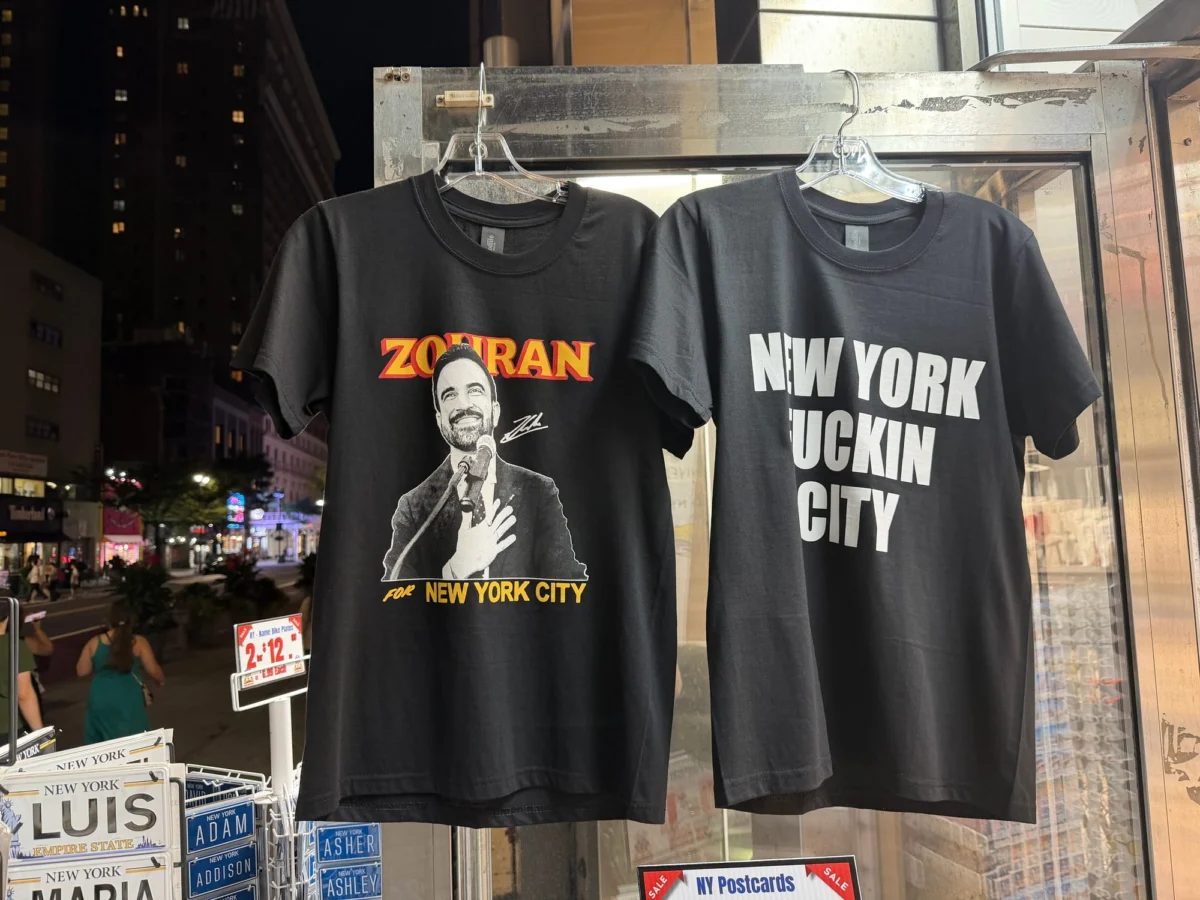
- September 8: A day defined by intellectual weight and nocturnal contrasts. A morning meeting with Chilean artist Alfredo Jaar in Chelsea centers on the global decline of democracy and the creep of authoritarianism. This intellectual gloom finds catharsis later that evening during Jaar’s moving lecture at the CUNY Graduate Center in Manhattan. Transitioning back to the urban environment, a walk past hallway exhibits detailing the 1776 Battle of New York collides with contemporary spectacles: the Empire State Building illuminated in red, blue, and gold for the 60th anniversary of Star Trek, ubiquitous tourist merchandise, and polarizing public art installations along Park Avenue.
- September 9: The cultural community pivots inward to foster solidarity. Hyperallergic hosts a pizza-and-wine gathering for its contributors at its Brooklyn headquarters, offering a vital space for interpersonal connection and creative rejuvenation amidst high-pressure news cycles.
- September 10: Editorial innovation meets the traditional gallery circuit. The publication launches its "Pocket Review" initiative—fast, opinionated critiques designed for modern digital consumption. By evening, the focus shifts to Chelsea gallery openings, including Johanna Unzueta’s sublime drawings at Casey Kaplan and a poignant posthumous exhibition of Yvonne Jacquette’s aerial paintings at Karma.
- September 11: The quarter-century mark of the 2001 attacks brings a solemn dawn. Framed by routine espresso runs and the poetry of Kaveh Akbar’s Martyr playing through headphones, the morning skyline offers a stark reminder of history: between two urban trees, the One World Trade Center stands on the horizon, anchoring the city’s ongoing memory of loss and resilience.
Supporting Data and Cultural Developments
The broader cultural docket for the fall season reveals a multi-faceted engagement with history, politics, and human expression across several distinct vectors:
1. 9/11 at Twenty-Five: Artistic Reflections
Quarter-century retrospectives have brought forth raw testimonies from artists whose lives were structurally altered by the post-9/11 geopolitical climate. Wafaa Bilal, an Iraqi-born artist whose work frequently engages with surveillance, conflict, and displacement, noted that the immediate aftermath of the attacks dismantled the illusions of safety long taken for granted in the United States. Bilal, alongside peers from Muslim, South Asian, and SWANA backgrounds, reflects on a generation shaped by the PATRIOT Act, sweeping surveillance, and the military interventions in Iraq and Afghanistan. These narratives form a crucial archive of an era where civil liberties and foreign policy collided with devastating domestic consequences.

2. Institutional Transitions and Leadership Changes
The resignation of Lonnie Bunch as Smithsonian Secretary serves as a watershed moment for American museology. Bunch, who played a foundational role in establishing the National Museum of African American History and Culture before taking the helm of the entire Smithsonian enterprise, leaves behind a legacy of expanding historical narratives to encompass marginalized voices. His departure has sparked widespread discourse regarding the sustainability of major cultural leadership in an era marked by intense political polarization and budgetary scrutiny.
Concurrently, the art market and public institutions continue to grapple with political interference. Notable controversies—such as the ouster of leadership at the Kennedy Center and the private acquisition of high-profile public sculptures previously removed from public spaces (such as works by artist Joel Shapiro)—highlight a tense tug-of-war between institutional autonomy and political mandates.

3. Critical Discourse, Publishing, and Public Exhibitions
The fall publishing and exhibition calendar reflects an urgent appetite for complex discourse. Literary and critical releases are challenging traditional orthodoxies, exemplified by works such as Sophie Lewis’s latest inquiries into feminism, care structures, and femininity. Meanwhile, museums across the United States are launching aggressive fall lineups featuring 15 major institutional exhibitions designed to draw post-summer crowds.
At the same time, the community mourns its losses. The sudden passing of Lucien Smith at age 37—a defining fixture of New York City’s downtown art scene who achieved meteoric art-market success in the early 2010s—sent shockwaves through the community, underscoring the fleeting and often volatile nature of contemporary creative life.

Official Responses and Stakeholder Perspectives
The convergence of historical retrospection and institutional turnover has elicited strong reactions from cultural stewards, creators, and public intellectuals:
- On Historical Memory: Cultural workers emphasize that commemorating 25 years since 9/11 must go beyond patriotic pageantry to honestly confront the systemic xenophobia, erosion of civil liberties, and international conflicts that defined the "War on Terror." Artists argue that true remembrance requires platforming the voices of those who bore the brunt of domestic surveillance and foreign intervention.
- On Institutional Stewardship: Regarding Lonnie Bunch’s exit, museum professionals and historians have expressed deep concern over the future safeguarding of public history. Stakeholders emphasize that the Smithsonian requires leadership capable of resisting partisan pressures while maintaining public trust and educational integrity.
- On the Grassroots vs. Commercial Dynamic: Independent publishers, critics, and local artists continue to voice tension regarding the hyper-commercialization of the contemporary art market. Initiatives like Hyperallergic’s "Pocket Reviews" and community gatherings represent an ongoing counter-effort to democratize art criticism, making it nimble, accessible, and responsive to everyday audiences rather than exclusive market elites.
Implications for the Future of American Culture
As the United States processes a quarter-century of post-9/11 history alongside systemic institutional shifts, the implications for the arts sector are profound:
- Decentralization of Historical Narratives: The willingness of artists and institutions to critically interrogate the "War on Terror" signals a permanent shift in how national trauma is processed. Future exhibitions are expected to increasingly center transnational perspectives, migrant experiences, and critiques of state power.
- Vulnerability of Public Leadership: The leadership vacuum left by figures like Lonnie Bunch raises critical questions about how public cultural institutions will weather future political storms. As governmental bodies exert more direct pressure on arts funding and governance, museum boards will face difficult choices in protecting curatorial independence.
- Resilience of Localized Art Ecosystems: Despite top-down institutional pressures and commercial commodification, the enduring vitality of New York’s independent galleries, grassroots publications, and community networks demonstrates that the heartbeat of contemporary art relies on human connection. Whether through a pizza-and-wine party for writers in Brooklyn or a quiet morning walk past the World Trade Center, the cultural sphere continues to find meaning, catharsis, and resistance in shared creative spaces.
 Nana
Nana
 Iffa Jayyana
 Muslim
