

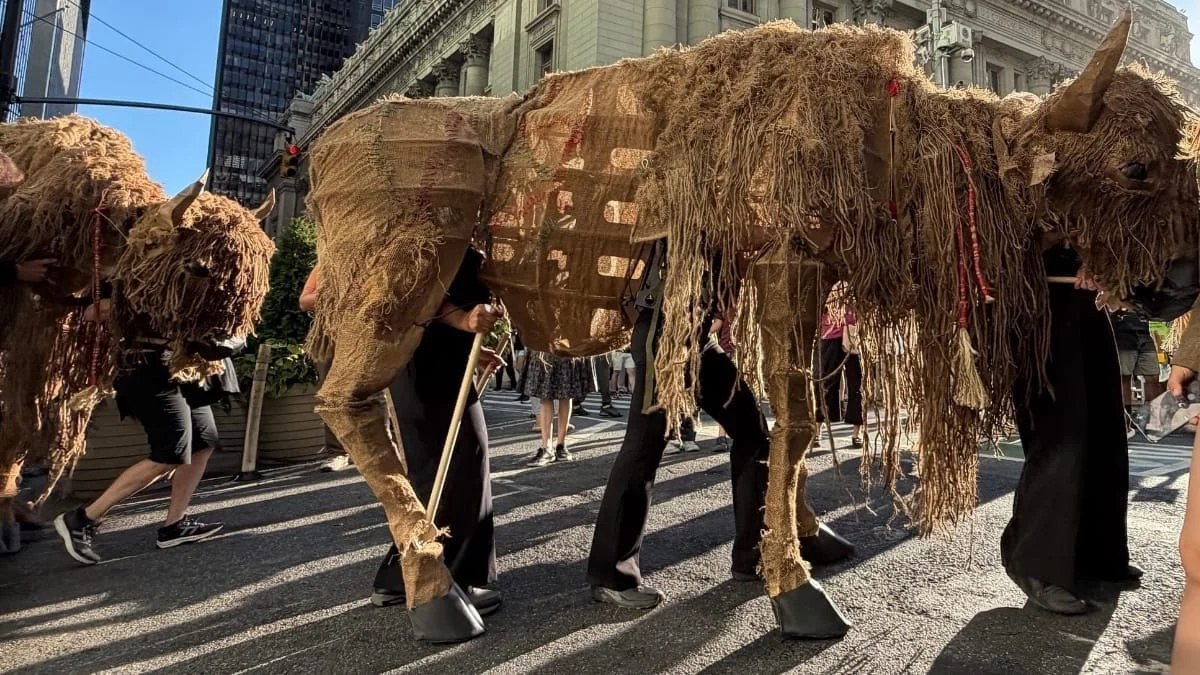
NEW YORK — As the torrential downpours of a late-season nor’easter swept across the five boroughs last week, they washed away the lingering, high-gloss residue of Armory Week, offering the city’s cultural class a much-needed moment of respite. Yet, beneath the cozy veneer of damp sneakers and rain-streaked gallery windows, New York City’s vast arts ecosystem remains locked in a period of intense transformation. From major institutional blockbusters along Museum Mile and the Lower East Side to historic labor organizing drives across borough lines, the city’s creative sector is grappling with fundamental questions of accountability, labor rights, and aesthetic power.
Main Facts
The current autumn cultural calendar in New York City is defined by a convergence of high-profile institutional exhibitions, escalating cultural labor union negotiations, and critical discourse surrounding the socio-political responsibilities of art.

Key developments shaping the landscape include:
- Major Exhibitions: The New Museum has launched Arthur Jafa’s largest institutional survey to date, I Am Tony; the Solomon R. Guggenheim Museum is presenting Taryn Simon’s sprawling spiral installation, Father Country I Do Love You; and MoMA PS1 is hosting Teresa Margolles’s stark solo exhibition, En el lugar de los hechos (At the Scene).
- Labor Strife: Unionized cultural workers at the Whitney Museum of American Art, the Brooklyn Museum, and the American Folk Art Museum are aggressively pressing for fair contracts. The Whitney union has established an October 5 strike deadline, while workers at the Brooklyn and Folk Art museums weigh tentative agreements.
- Civic and Historical Programming: The Museum of the City of New York has inaugurated a permanent exhibition dedicated to 250 years of grassroots activism in the Big Apple, while the Morgan Library & Museum enters the final days of its extensive tarot exhibition.
- Alternative Media & Public Art: John Wilson’s debut feature documentary, The History of Concrete (2026), has sparked conversations on lateral thinking and dark humor, running parallel to public art initiatives like Art in Odd Places.
Chronology of Events
The convergence of art fair mania, curatorial heavyweights, and structural labor movements unfolded across a breathless seven-day period punctuated by sudden meteorological shifts:
- Early September: Armory Week kicks off, flooding Manhattan with international collectors, gallerists, and critics. Concurrently, art fair observers note a subdued, downcast atmosphere on the showroom floors, contrasting sharply with the robust financial activity occurring in commercial sectors nearby.
- Mid-September: Major museum openings draw critical scrutiny. Arthur Jafa’s I Am Tony opens at the New Museum, filling two levels with multimedia explorations of Black music, religion, and pop culture. Simultaneously, Taryn Simon unfurls her investigative web around the Guggenheim rotunda, and Teresa Margolles unveils her sobering minimalism at MoMA PS1.
- Late September: Labor tensions reach a boiling point. The Whitney Museum union sets a hard strike deadline for October 5, while bargaining committees at the Brooklyn Museum and the American Folk Art Museum present tentative agreements to their respective memberships for ratification votes.
- The Transition (Late September to Early October): A fierce nor’easter batters New York City, abruptly clearing out the opaque remnants of Armory Week social schedules. Museums and galleries adjust attendance figures, while local institutions roll out new civic offerings, such as the Museum of the City of New York’s permanent activism archive.
Supporting Data & Exhibition Breakdown
To understand the intellectual currents moving through the city, critics and curators have turned their analytical lenses toward several foundational exhibitions currently defining the New York museum circuit.
Arthur Jafa: I Am Tony at the New Museum
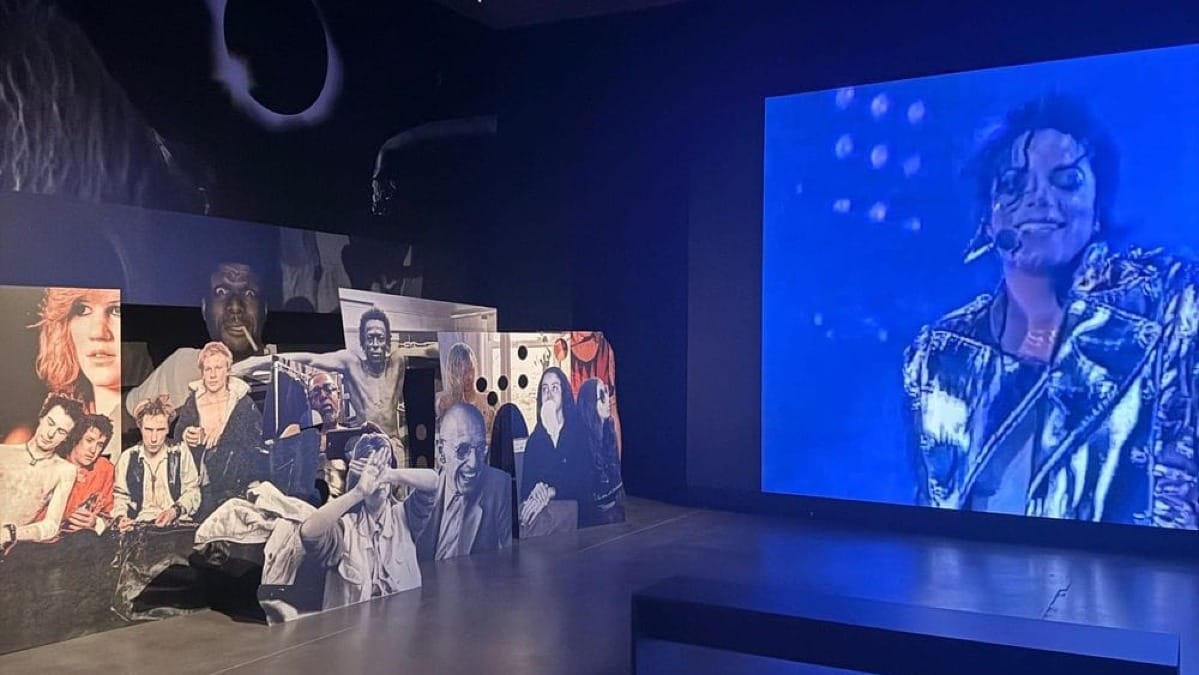
Occupying two levels of the Lower Manhattan institution, Arthur Jafa’s survey I Am Tony represents his largest institutional footprint to date. According to author and critic Stephanie Wambugu, the exhibition showcases Jafa’s characteristic gallows humor, ironizing morbid imagery while elevating the solemnity of low culture. The densely packed galleries push beyond the video art that cemented Jafa’s reputation, probing the intersections of Black music, religion, secularity, American cinema, political violence, and the Internet.
Taryn Simon: Father Country I Do Love You at the Guggenheim Museum
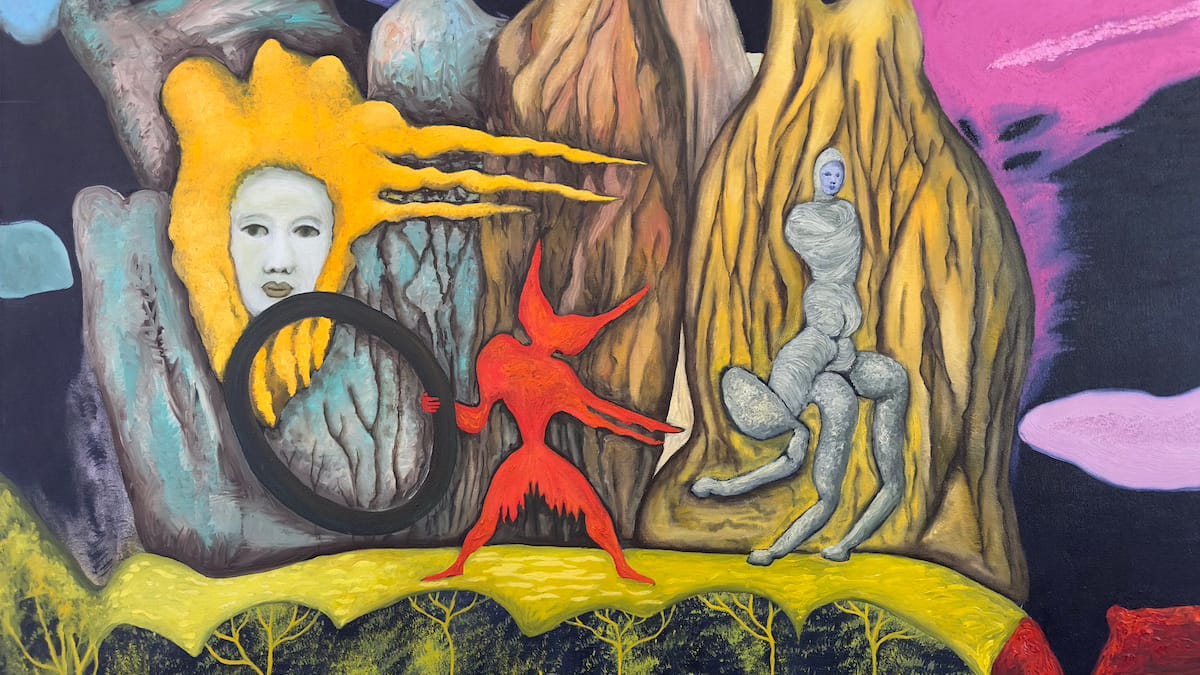
Veteran critic Aruna D’Souza, writing for Hyperallergic, trains her magnifying glass on Taryn Simon’s spiral journey around the Guggenheim’s iconic rotunda. D’Souza notes that the sheer accumulation of archival material, documents, evidence, and witness accounts becomes the primary spectacle. However, the critic questions the ultimate takeaway, observing that while viewers marvel at Simon’s unflagging curiosity and investigative ingenuity, the exhibition leaves audiences with a lingering sense of helplessness regarding the pervasive, unaccountable tentacles of institutional power.
Teresa Margolles: En el lugar de los hechos at MoMA PS1
Contributor Alex Santana analyzes Teresa Margolles’s solo exhibition through the framework of minimalism. Santana argues that minimalism’s true power lies in compressing complex, violent socio-political realities into stark, distilled gestures. In Margolles’s work, this unsparing aesthetic confronts viewers with a destructive global system of violence—one that codifies divisions between "us" and "them" across artificial borders, all in service of capital accumulation.
Official Responses and Labor Dynamics
While museum-goers debate the nuances of contemporary curation, a parallel struggle is playing out behind the scenes of New York’s premier cultural institutions. The city’s cultural labor force is actively leveraging the spotlight of the autumn season to demand equitable compensation, transparent workplace policies, and sustainable contracts.
- The Whitney Museum of American Art: Relations between management and unionized workers have grown tense. With negotiations stalling on key economic terms, the Whitney union has drawn a definitive line in the sand, setting an October 5 strike deadline that threatens to disrupt the museum’s fall programming schedule if an agreement is not reached.
- The Brooklyn Museum and American Folk Art Museum: At these institutions, bargaining committees have reached critical turning points. Unionized staff members are currently deliberating over tentative agreements put forward by management over the past few days. The outcomes of these votes are widely anticipated as potential benchmarks for cultural sector labor standards across the region.
Management teams at these institutions have issued standard statements emphasizing their commitment to productive dialogue and their desire to reach mutually beneficial agreements, though union organizers maintain that foundational structural changes are long overdue.
Implications for the New York Arts Ecosystem
The simultaneous pressures of critical introspection, economic precarity, and labor mobilization signal a profound structural reckoning for New York City’s art world.
For decades, the city’s cultural prestige relied on an implicit contract: institutions offered intellectual and aesthetic sanctuary in exchange for uncritical public adoration and affordable, dedicated labor. Today, that social contract is fracturing. When major museum retrospectives like those by Jafa, Simon, and Margolles explicitly interrogate political violence, institutional complicity, and the systemic reach of power, they inevitably invite audiences to cast the same critical eye toward the museums hosting them.
When those very museums face imminent strikes from underpaid and overworked staff, the contradiction becomes impossible to ignore. The ongoing labor actions at the Whitney, Brooklyn, and Folk Art museums are not isolated incidents; they are direct manifestations of a broader demand that the values championed inside gallery exhibitions—justice, equity, and historical accountability—must be mirrored in the boardroom and the breakroom.
As the fall season deepens and the damp memory of the nor’easter fades into crisp autumn air, New York’s cultural institutions face a clear choice. They can adapt to a landscape where intellectual rigor and labor dignity are inextricably linked, or they risk losing the very workforce that makes the city a global capital of art and ideas.
 Basiran
 Evan Lee Salim
