

By Michael McWhertor
Published September 12, 2026
ANAHEIM, Calif. — Nearly 30 years after the dark fantasy franchise first redefined action-roleplaying games, Blizzard Entertainment has officially pulled back the curtain on its next monumental chapter. During the opening ceremony of BlizzCon 2026 on Saturday, developers confirmed that Diablo 5 is officially in active development. Most shockingly for long-time fans accustomed to Blizzard’s historically glacial development cycles, the studio has already staked out a release window: Spring 2029.
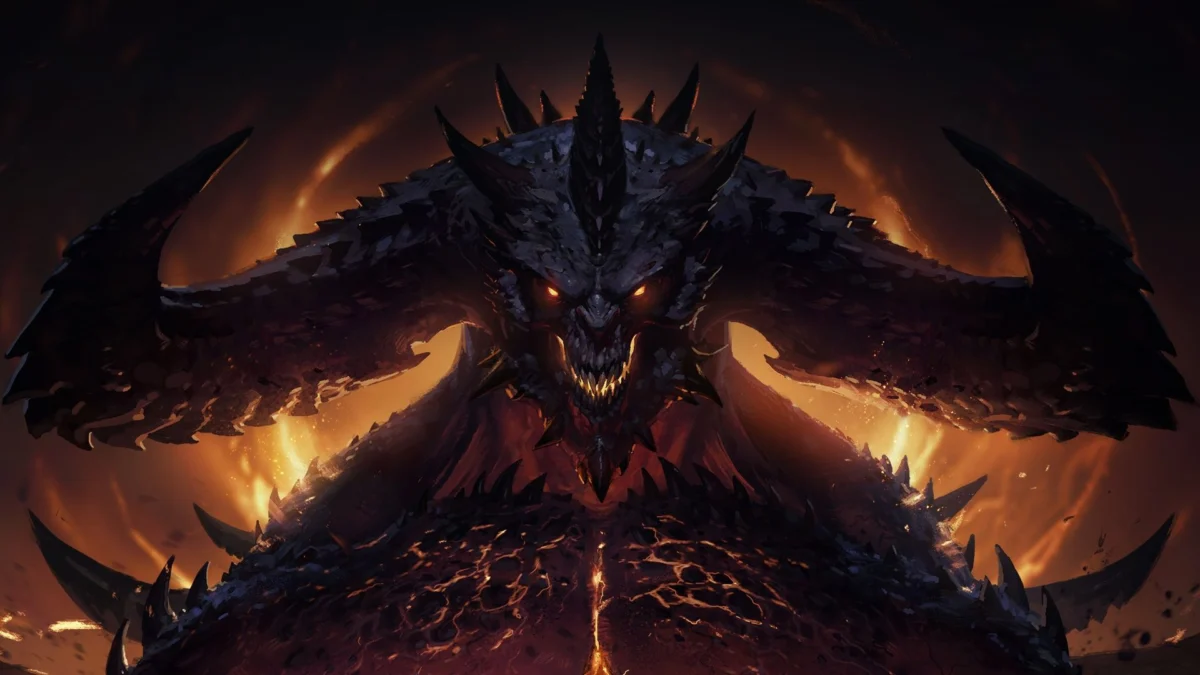
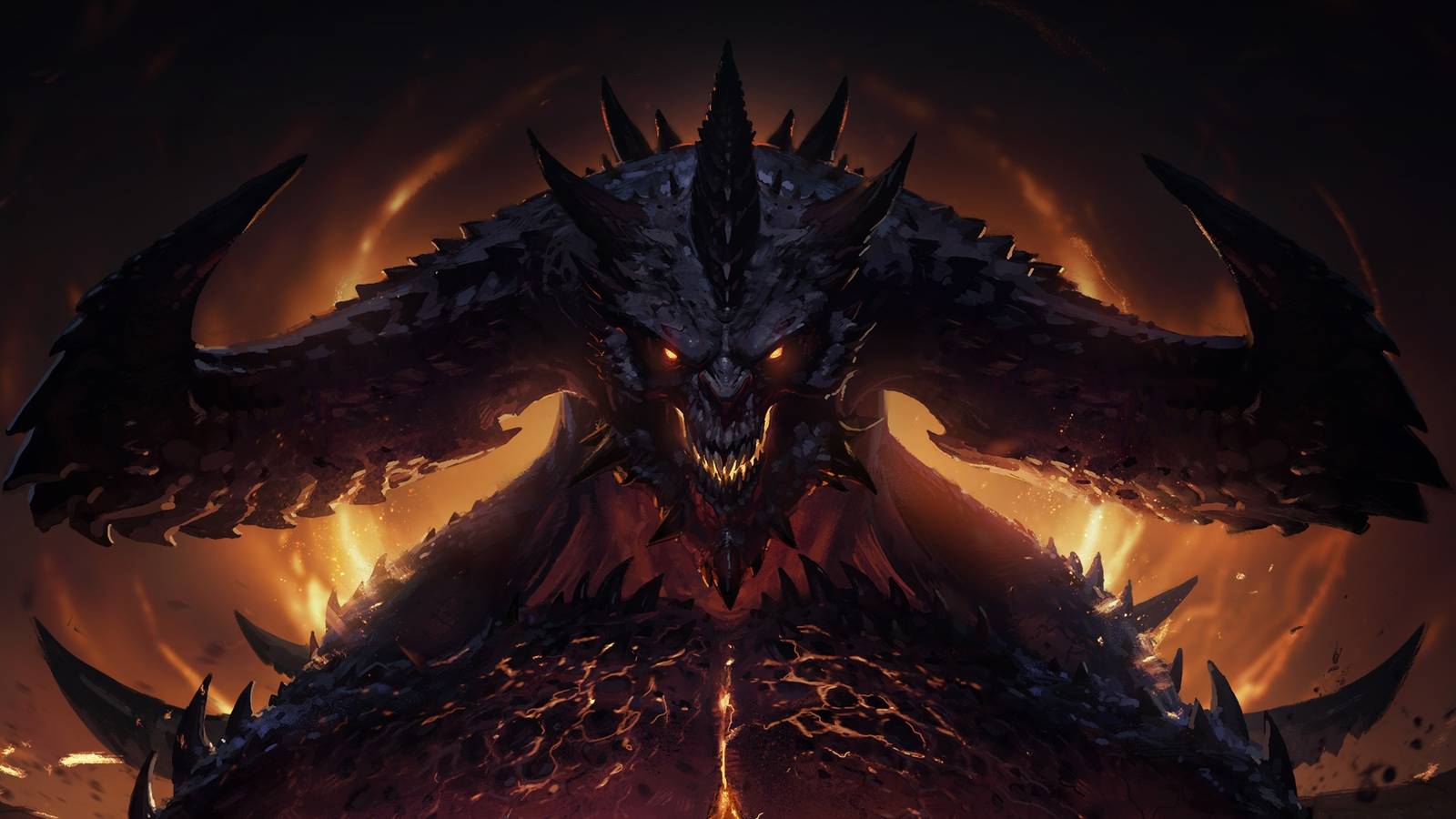
The upcoming sequel marks a dramatic tonal shift for the multi-billion-dollar franchise, thrusting players headfirst into a dark, dystopian future where the forces of darkness have triumphed. Furthermore, the game will feature the triumphant return of the franchise’s iconic namesake, the Lord of Terror himself, original series antagonist Diablo.
Main Facts: The Dawn of Diablo 5
The announcement arrived via a cinematic teaser trailer that stunned the BlizzCon audience. Eschewing the subtle dread typical of franchise announcements, the trailer depicted a grim, visceral spectacle: a massive horde of celestial angels being brutally decimated by the demonic armies of Diablo.
According to early narrative details shared by Blizzard, Diablo 5 is set approximately one century after the catastrophic events of Diablo 4. In the previous title, humanity clawed its way through the machinations of the Prime Evil Mephisto, the Lord of Hatred. However, Diablo 5 operates under a devastating premise: Sanctuary has fallen.
Unlike previous entries where heroes fought to prevent the end times, the apocalypse has already arrived. Diablo has definitively won the eternal conflict between the High Heavens and the Burning Hells. Players will step foot into a completely ruined, ash-choked world. The core philosophical question driving the narrative is as bleak as it gets: What must you become when the world you are trying to save has already been burned to cinder?
While Blizzard has yet to confirm specific platform availability, industry analysts expect the title to target modern PC and current-generation (or subsequent) console hardware, following the multiplatform strategy successfully implemented for Diablo 4.
Chronology and Franchise History: Accelerating the Timeline
Should Blizzard hit its ambitious spring 2029 target, Diablo 5 will arrive roughly six years after Diablo 4, which launched in June 2023 following its initial announcement at BlizzCon 2019. This proposed turnaround represents a major acceleration in Blizzard’s production pipeline for the franchise.
A look back at the historical release timeline of the Diablo series reveals just how stark this change in pace is:
- January 1997: Diablo debuts, captivating PC gamers with its isometric dungeon crawling and gothic atmosphere.
- June 2000: Diablo II launches, widely considered one of the greatest action RPGs of all time, expanding the scope of Sanctuary dramatically.
- May 2012: Diablo III arrives after a staggering 12-year wait, shattering PC launch sales records despite early controversies over its auction house mechanics.
- June 2023: Diablo IV launches 11 years after its predecessor, introducing an expansive open-world shared space.
- Spring 2029 (Projected): Diablo 5 is slated to launch just six years after Diablo 4.
Historically, Blizzard relied on massive, multi-year gaps between mainline entries, filling the voids with landmark expansions like Lord of Destruction (2001) and Reaper of Souls (2014). However, the modern era of Blizzard—under the broader umbrella of Microsoft Gaming—appears intent on maintaining a continuous, rapid cadence of content.
Supporting Data: The Diablo 4 Lifecycle and Ongoing Support
The announcement of Diablo 5 does not mean Blizzard is abandoning the ongoing support of Diablo 4. In fact, the studio used the BlizzCon 2026 stage to outline a robust roadmap for the current game, ensuring fans have plenty to do while waiting for the post-apocalyptic sequel.
Since its 2023 debut, Diablo 4 has maintained a steady stream of seasonal updates alongside two major narrative expansions:
- Vessel of Hatred (October 2024): Explored the continuation of Mephisto’s storyline and introduced the Spiritborn class.
- Lord of Hatred (April 2026): Deepened the dark lore of Sanctuary’s sprawling jungle and mountainous territories.
Furthermore, Blizzard announced a thrilling piece of fan-service during the convention: the classic Amazon class—absent since her iconic appearance in Diablo 2—is officially returning to Diablo 4 as a playable class in a future update.
Concurrently, Blizzard revealed plans to expand the game’s hardware footprint. Diablo 4 is officially heading to Nintendo’s successor console (commonly referred to in the industry as the Switch 2) packaged as Diablo 4: The Age of Hatred Collection, which will bundle the base game alongside both major expansions.
Official Responses and Developer Insights
The reception among the live audience at BlizzCon was overwhelmingly positive, though marked by a palpable sense of shock regarding the dark narrative direction.
"We asked ourselves what happens when the heroes fail," said a member of the Diablo 5 development team during a post-show deep-dive panel. "For decades, players have been the vanguard holding back the dark. In Diablo 5, the dark has already won. You aren’t fighting to save the world; you are scavenging the bones of a lost civilization, trying to find a spark of hope in a realm ruled entirely by the Lord of Terror."
Blizzard leadership emphasized that while the tone is darker and more hopeless than anything seen in the franchise before, core gameplay loops—such as deep character builds, frantic hack-and-slash combat, and rewarding loot hunts—will remain at the absolute center of the experience. The team is reportedly building an entirely new engine iteration to handle the ruined, post-apocalyptic architecture and massive on-screen hordes necessitated by the new setting.
Implications: What a Post-Apocalyptic Sanctuary Means for the Genre
The pivot toward a post-apocalyptic setting carries profound implications for the ARPG genre and the identity of the Diablo franchise as a whole.
For years, titles like Path of Exile, Grim Dawn, and Blizzard’s own competitors have toyed with dark fantasy themes, but most have adhered to the classic fantasy trope: a functioning, albeit beleaguered, civilization that relies on a wandering hero to clear out dungeons. By obliterating civilization entirely—setting the game a century after a total demonic victory—Blizzard is removing traditional hubs, safe havens, and NPC structures that players have relied on for nearly thirty years.
If towns are replaced by brutal survivor enclaves, and traditional quest-givers are gone, the psychological and mechanical weight of progression shifts. Players may find themselves fighting not just for randomized loot, but for the fundamental survival of the scattered remnants of humanity.
Additionally, the compressed development window signals a major structural shift within Blizzard. Moving from an 11-year gap between the third and fourth installments down to a six-year gap between the fourth and fifth demonstrates a streamlined production pipeline. If Blizzard can successfully deliver Diablo 5 by its spring 2029 target without sacrificing the polish, depth, and grim atmosphere fans demand, it could establish a sustainable, recurring rhythm for one of gaming’s most storied franchises.
For now, the gates of Hell have been thrown wide open, and Sanctuary belongs to Diablo. The long, agonizing wait for 2029 has officially begun.
 Lina Irawan
 Azzam Bilal Chamdy
 Basiran
