

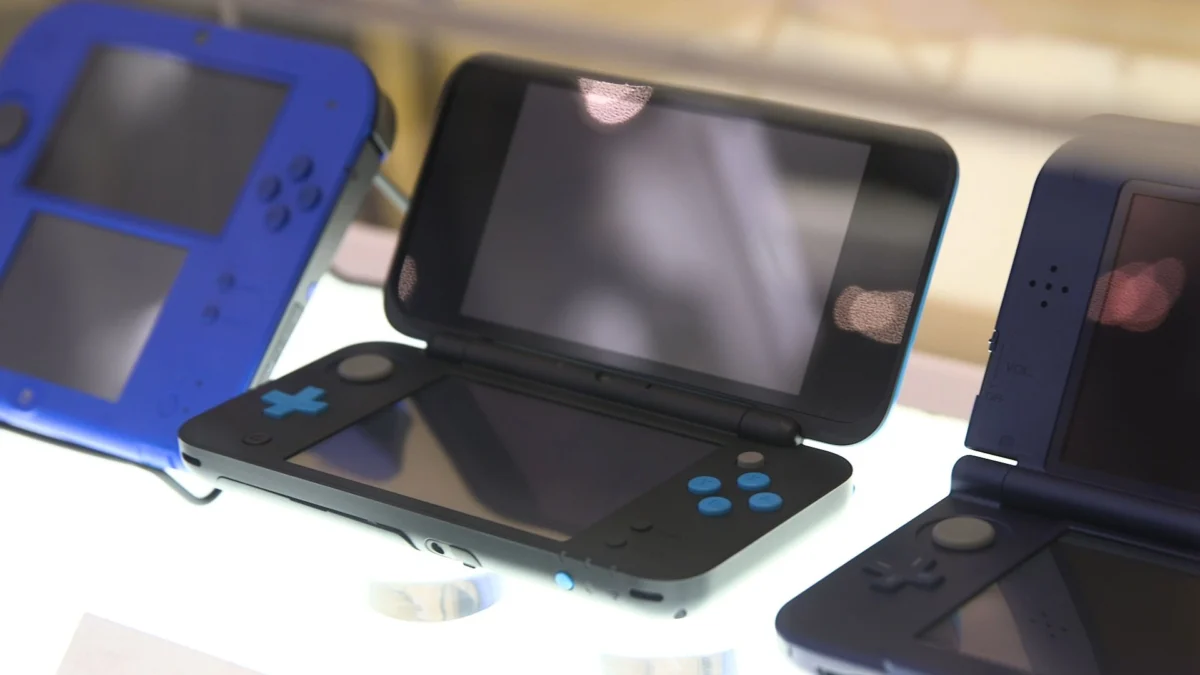
With the permanent closure of the Nintendo 3DS eShop, the beloved handheld’s digital library has officially crossed the threshold from current-gen novelty to digital antiquity. This transition carries a bittersweet weight for the millions of players who logged countless hours into the console’s stereoscopic screens before the cultural monolith of the Nintendo Switch completely dominated the conversation.
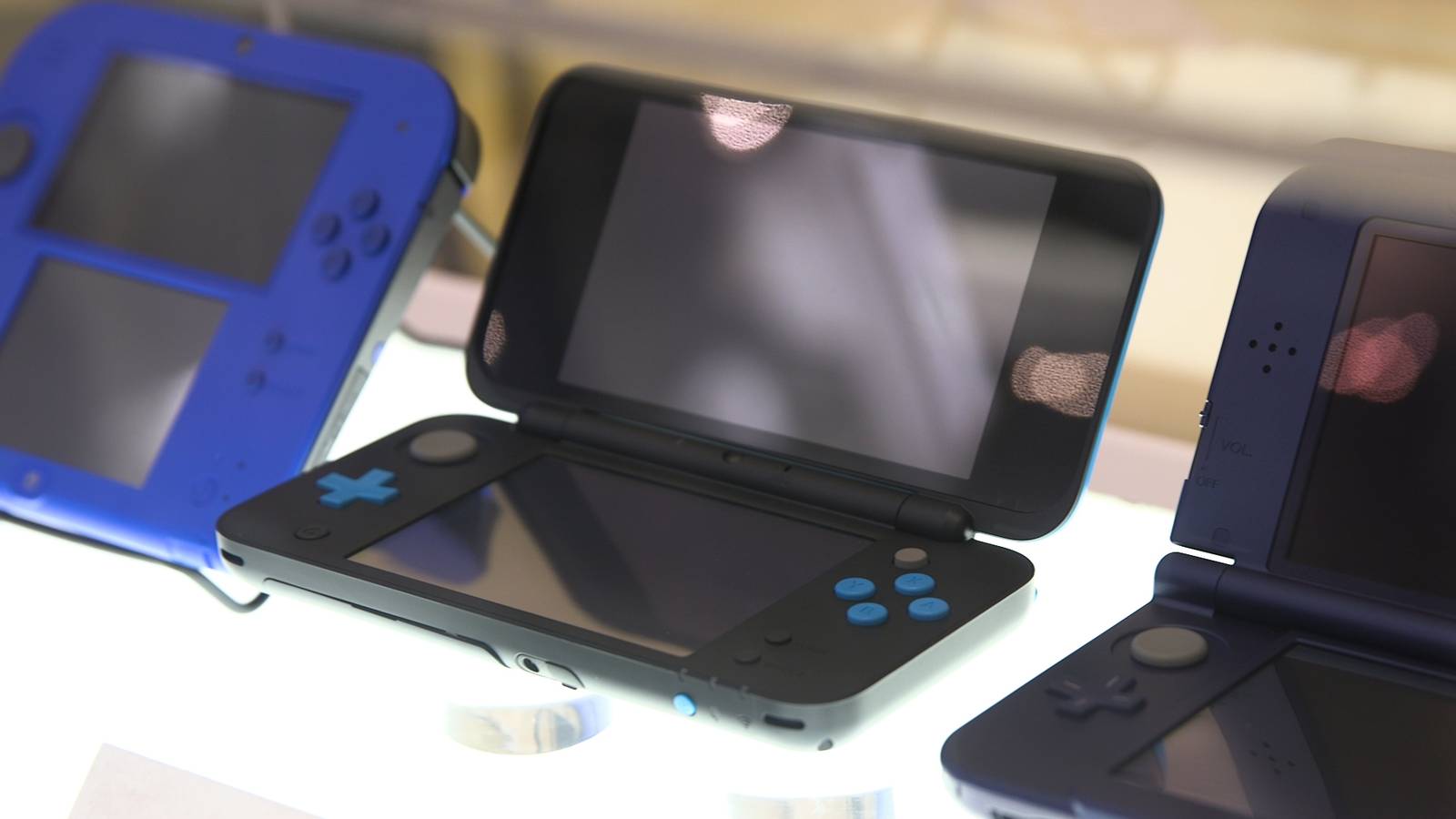
Yet, digital storefront closures do not spell total annihilation for the 3DS catalog. A significant portion of the system’s finest software was released in physical cartridge formats, leaving a tangible trail of plastic and silicon waiting to be discovered on secondary markets, used game shelves, and auction sites. As retro enthusiasts begin to eye the library with nostalgic reverence, physical collectors face a closing window of opportunity before secondary market prices surge.

Here are 10 near-perfect, critically acclaimed Nintendo 3DS games that flew under the mainstream radar, offering an ideal roadmap for building a robust, high-value retro library.

Main Facts: The End of an Era and the Physical Renaissance
The Nintendo 3DS family of systems—spanning the original 2011 hardware, the 2DS, and the definitive New Nintendo 3DS XL—cultivated one of the most creatively daring software libraries in video game history. However, its twilight years were overshadowed by the meteoric rise of the hybrid Nintendo Switch ecosystem.
- The eShop Sunset: Nintendo’s closure of the 3DS digital storefront severed access to hundreds of digital-only titles, placing total preservation weight onto physical media.
- The Physical Advantage: Unlike modern digital-only ecosystems, many of the system’s most inventive titles received limited physical print runs, creating a niche marketplace for physical preservationists.
- The Golden Window: Because the 3DS currently occupies a generational blind spot—too old to be actively played by the mainstream, but not yet viewed as vintage collector’s gold—now is the most cost-effective time to acquire physical cartridges.
Chronological Journey: A Timeline of Hidden 3DS Masterpieces
The 3DS lifecycle spanned over half a decade of unprecedented software evolution, marked by high-risk genre experiments, creative collaborations, and studio swan songs.
2011: The Hardcore Genesis
- 10. Shinobi 3D (Sega / Griptonite Games): Released in the launch window era, this brutal side-scroller stripped away modern accessibility to deliver a white-knuckle return to form for Sega’s legendary ninja franchise. Requiring precise platforming and deep mastery of combat mechanics, it stands as a testament to old-school difficulty on modern hardware.
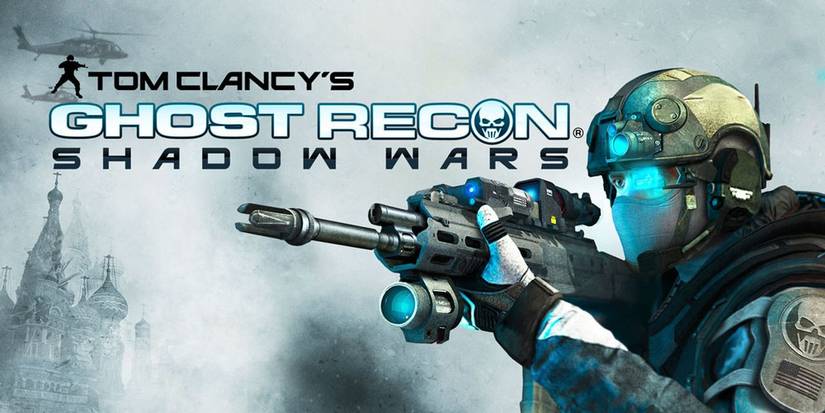
- 5. Tom Clancy’s Ghost Recon: Shadow Wars (Ubisoft / Ubisoft Sofia): Spearheaded by X-COM creator Julian Gollop, this turn-based tactical strategy game predated the North American hardware launch. Featuring sophisticated elevation mechanics and tactical depth reminiscent of Advance Wars and XCOM, it remains a premier handheld tactics game.
2012–2014: The Experimental Mid-Life
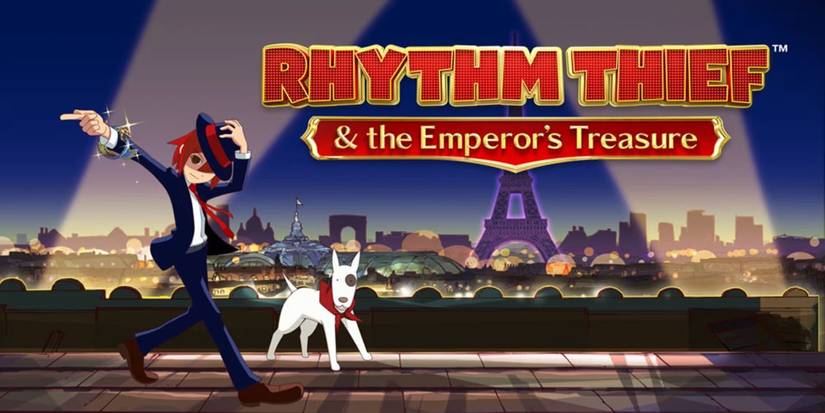
- 8. Rhythm Thief & the Emperor’s Treasure (Sega / Xeen): Merging the investigative puzzle-solving flair of Professor Layton with high-energy rhythm minigames set against a vibrant Parisian backdrop, Raphael’s musical caper remains one of Sega’s most charming stylistic triumphs.
- 2. Persona Q: Shadow of the Labyrinth (Atlus): Marking the first time Atlus brought its massive Persona 3 and Persona 4 casts to Nintendo hardware, this first-person dungeon crawler blended Etrian Odyssey map-drawing mechanics with beloved character dynamics.
2015–2017: The Late-Era Renaissance and Swan Songs
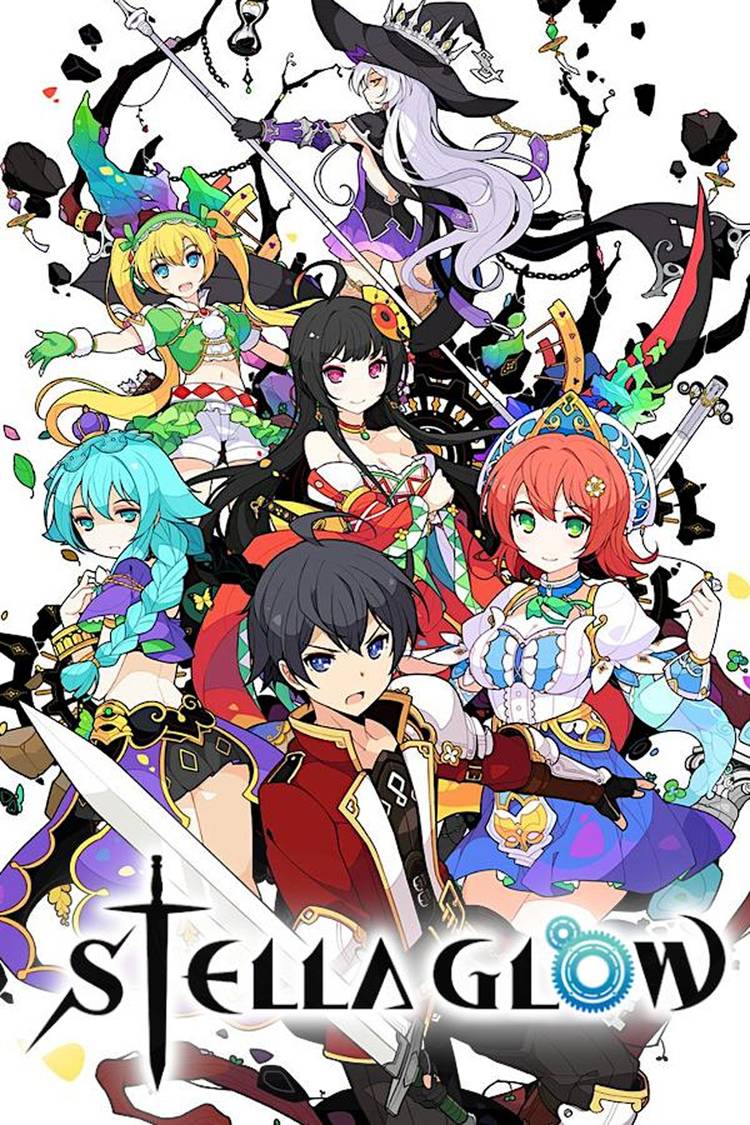
- 7. Stella Glow (Atlus / ImageEpoch): Serving as the final development project for ImageEpoch before the studio’s bankruptcy, this tactical RPG balanced grid-based combat with time-management and relationship-building systems that directly impacted narrative outcomes.
- 4. Return to PoPoLoCrois: A Story of Seasons Fairytale (XSEED Games / Epics / Marvelous): Combining the classic Japanese fantasy franchise created by Yosuke Tamori with the relaxing agricultural simulation loops of Story of Seasons, this title delivered low-stress, wholesome handheld gameplay.
- 3. Code Name: S.T.E.A.M. (Nintendo / Intelligent Systems): Intelligent Systems’ daring steampunk tactical shooter pitted historical literary figures like Abraham Lincoln against alien invaders. Despite initial pacing issues later patched by developers, its unique hybrid of real-time third-person movement and turn-based strategy found itself criminally overlooked.
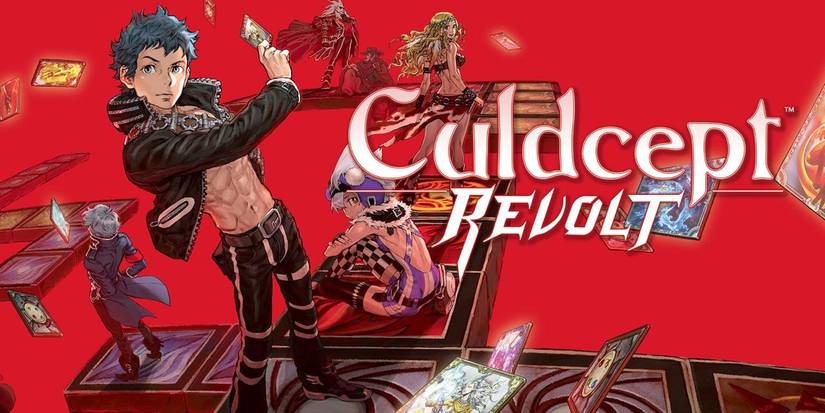
- 6. Culdcept Revolt (NIS America / Omiya Soft): Blending collectible card game mechanics with digital board-game strategy, this cult-classic franchise entry gave players deep, mathematically complex tactical encounters wrapped in a high-fantasy resistance narrative.
- 1. Ever Oasis (Nintendo / Grezzo): Released just four months after the Nintendo Switch, this gorgeous action-RPG and city-builder hybrid from Mana-series creator Koichi Ishii was completely swallowed by the industry’s shift to hybrid hardware. It remains one of the most mechanically compelling original JRPGs of the past decade.
Supporting Data: Understanding the 3DS Collector’s Market
Analyzing the current trajectory of handheld gaming reveals distinct economic and cultural shifts regarding how players interact with legacy hardware:
- Hardware Iteration Spread: The hardware ecosystem evolved from the launch 3DS to the budget-friendly 2DS, culminating in the powerhouse New Nintendo 3DS XL, which featured upgraded processing power and exclusive titles like Xenoblade Chronicles 3D.
- First-Party vs. Third-Party Print Runs: Games published by Atlus, NIS America, and XSEED frequently received limited physical distribution compared to Nintendo’s tentpole Mario or Zelda releases, leading to faster appreciation in secondary market value once stocks dwindle.
- The Crossover Effect: Titles that served as genre-benders—such as Ever Oasis (combining dungeon crawling with town management) or Culdcept Revolt (merging Magic: The Gathering mechanics with Monopoly board design)—hold higher long-term retention value among dedicated collectors due to their irreplaceable gameplay loops.
Official Industry Responses and Preservation Concerns
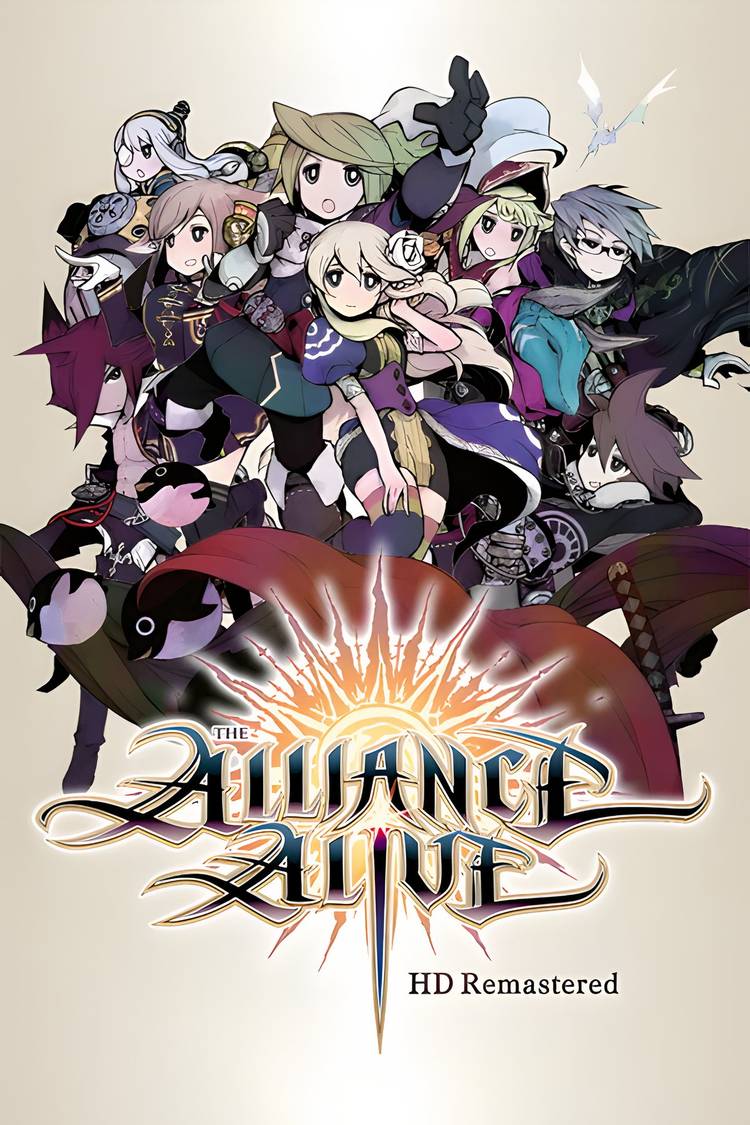
Major publishers and industry veterans have increasingly spoken out regarding the fragility of digital ecosystems. While companies like Atlus and Sega have selectively ported certain titles to modern platforms (such as The Alliance Alive receiving HD ports on PlayStation 4, Switch, and PC), the vast majority of the 3DS library remains trapped by the unique architectural design of the handheld’s dual screens and stereoscopic 3D depth.
Game directors like Koichi Ishii have repeatedly emphasized the challenge of preserving games designed explicitly around hardware synergy. The physical cartridge market has thus become the de facto museum for an era of gaming where developers felt empowered to design experiences that simply could not exist on traditional home consoles or standard mobile devices.

Implications: Why Your Retro Library Needs These Titles Now
The implications of ignoring the physical 3DS software market extend beyond mere nostalgia. They touch directly on the ethics of digital preservation, gaming history, and financial foresight:
- The Scarcity Trap: As physical cartridge supplies deplete and collectors lock games into personal vaults, acquisition costs for complete-in-box (CIB) copies of titles like Stella Glow and Ever Oasis are projected to climb significantly.
- Unique Hardware Interactions: Playing games like Code Name: S.T.E.A.M. or Persona Q on original hardware offers tactile feedback—touchscreen mapping, stylus management, and dual-screen spatial awareness—that emulation struggles to replicate authentically.
- Cultural Preservation: By actively seeking out and supporting physical copies of these overlooked titles, modern enthusiasts ensure that the bold experimentation of mid-2010s handheld development is not lost to corporate restructuring and server shutdowns.
Final Recommendation for Collectors
If you intend to safeguard a comprehensive piece of Nintendo history, bypass the modern digital conveniences and scout your local game stores. Securing physical copies of titles like Shinobi 3D, Culdcept Revolt, and Ever Oasis today ensures your retro library retains both its character and its long-term value before the rest of the collecting community catches on.
 Nana Muazin
 Layla Zulfa
 Basiran
