

Main Facts
The modern landscape of men’s fashion is undergoing a quiet, sartorial revolution. Once constrained to the rigid corporate dress codes of the 20th century or dismissed entirely in favor of a permanent "casual Friday" aesthetic, the suit is experiencing an unexpected renaissance. Far from being a mandatory uniform for boardroom compliance, tailoring has transformed into a vehicle for personal expression, subversion, and deliberate style.
This shift is particularly evident in the United States, where a burgeoning movement of independent bespoke tailors and designers is challenging traditional notions of what American menswear should look like. According to industry insights—including recent roundups of America’s premier custom clothiers—men who have no professional obligation to wear a suit are actively investing in them.
Rather than adhering to a single, monolithic house style, contemporary American tailoring borrows freely from global traditions—blending the soft, unstructured shoulders of Neapolitan tailoring with the architectural gravity of Savile Row or the raw, streetwear-adjacent energy of downtown New York. This lack of a rigid national aesthetic has become the defining characteristic of modern American style: an eclectic, confident, and borderless approach to dressing up.
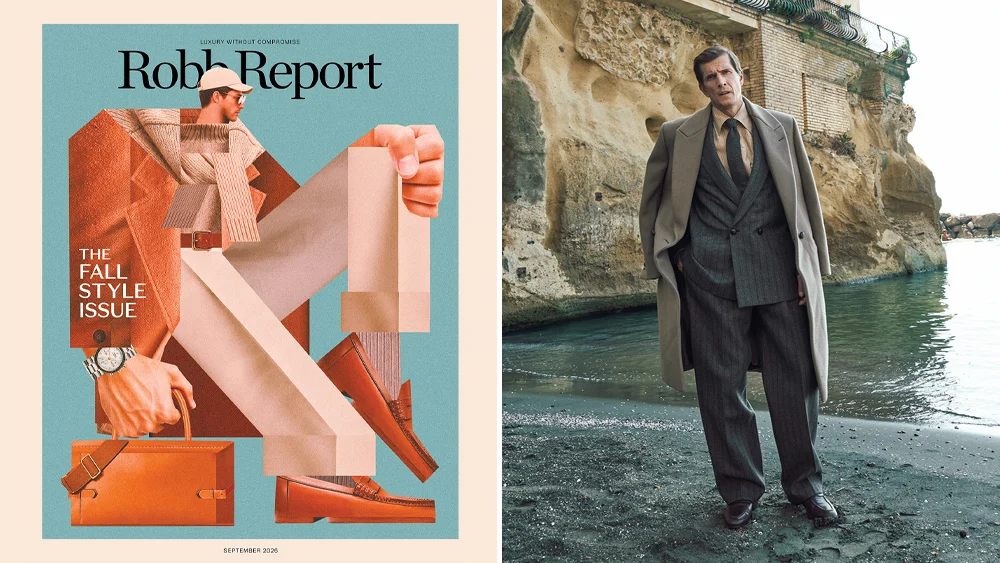
Concurrently, this evolution extends beyond the traditional jacket-and-trouser pairing. Across the Atlantic, centuries-old hubs of sartorial excellence, such as Naples, continue to refine the relaxed silhouette, while luxury design houses are elevating foundational wardrobe pieces—most notably knitwear—transforming them from subtle layering items into center-stage statements.
Chronology of a Shift: From Boardroom Standard to Counter-Cultural Statement
To understand how the suit arrived at its current status as a rebellious garment, one must trace the trajectory of men’s fashion over the past three decades:
- The Late 20th Century (The Corporate Standard): For decades, the suit was ubiquitous in professional environments. It functioned as corporate armor—standardized, uniform, and largely devoid of personal flair. It was an obligation dictated by HR departments and Wall Street culture.
- The Dot-Com Boom and Casualization (Late 1990s–2010s): The rise of Silicon Valley tech culture dismantled traditional office dress codes. "Casual Fridays" expanded into casual weeks, months, and years. Hoodies, graphic tees, relaxed trousers, and sneakers became the default uniform for creative and corporate classes alike. The suit was swiftly relegated to weddings, funerals, and court appearances.
- The Post-Pandemic Reevaluation (2020–2022): Following years of remote work spent largely in loungewear, a psychological pendulum swing occurred. When professionals returned to public life, the initial reflex was comfort, but a subset of men experienced fatigue from perpetual casualness. Dressing up ceased to be an imposition and began to feel novel.
- The Rise of the "Neo-Tailoring" Movement (2023–Present): Independent American custom clothiers began reporting a surge in younger clientele. Men in creative fields, technology, and media started commissioning bespoke and made-to-measure suits not because they had to, but because they wanted to. The suit transformed from a symbol of corporate conformity into an instrument of personal swagger, theatricality, and intentional rebellion against total informality.
Supporting Data and Market Dynamics
The resurgence of tailoring is underpinned by significant shifts in consumer behavior and retail offerings within the menswear sector. While casual apparel still commands a major share of the market, the luxury and bespoke segments are seeing robust engagement driven by individualized experiences.
- The Demographics of Tailoring: Industry analysts note a marked decrease in the average age of bespoke clients. Where traditional custom tailoring was once dominated by older executives, contemporary client bases increasingly feature men in their late twenties to early forties.
- The Casual-Formal Synthesis: Market data indicates that modern suit buyers rarely purchase full three-piece corporate uniforms anymore. Instead, sales are concentrated on versatile separates: unstructured sport coats, casual trousers, and denim paired with tailored outerwear.
- Regional Diversity in the U.S. Market: Unlike historical manufacturing hubs that prioritized mass production, the contemporary American tailoring scene is anchored by distinct, independent ateliers spanning coast to coast.
- J. Mueser (New York City): Merges classic Neapolitan softness with an urban, downtown sensibility unique to New York.
- Haitch (United States): Employs an architectural methodology characterized by elongated jacket cuts and pronounced, structured shoulders.
- Angel Ramos (New York): Draws heavily on Southern Italian ease fused with the cinematic bravado of Golden Age Hollywood.
- Richfresh (Los Angeles): Subverts the traditional definition of bespoke by applying high-end tailoring techniques to unconventional materials, such as color-blocked scuba-fabric tracksuits.
- Global Influences: Beyond domestic production, Italian tailoring—particularly from Naples—continues to dictate global silhouettes. The emphasis on featherlight canvas constructions, unpadded shoulders, and effortless drape has become the gold standard for men seeking comfort without sacrificing refinement.
- The Elevation of Knitwear: Luxury houses including Louis Vuitton, Kiton, and Canali are reporting increased consumer appetite for statement knitwear. Traditional patterns—such as Fair Isle and Nordic motifs—are being reinterpreted with oversized proportions, high-contrast graphics, and vibrant color palettes, effectively replacing the traditional sport coat as the focal point of fall and winter wardrobes.
Official Perspectives and Industry Voices
Designers, founders, and cultural commentators view this sartorial pivot not as a regression to old-school conservatism, but as a progressive step toward individual agency in fashion.
Ryan Devens, founder of San Francisco’s renowned custom clothier Tailors’ Keep, encapsulated this sentiment when describing the modern suit as a "rebellious garment." In an era dominated by ubiquitous athleisure and algorithmic casual wear, choosing to wear structured tailoring requires a deliberate decision. It stands out precisely because it is no longer the default.

Eric Twardzik, writing on the current state of American custom clothing, notes that the modern resurgence is defined by a lack of consensus. Unlike Savile Row, which historically enforced rigid structural rules, or traditional Italian tailoring, which prized regional fluidity, American designers borrow indiscriminately from global archives.
"American menswear has never been precious about where its ideas come from," industry insiders observe. This absence of a single, dogmatic "American look" is viewed by practitioners as its greatest strength. It allows a custom clothier in Manhattan to honor Neapolitan traditions while catering to a client whose daily footwear choice is a pair of vintage skate shoes.
Furthermore, style commentators emphasize that wearing a suit on an unremarkable Tuesday is an act of psychological reframing. It turns mundane routines into theatrical moments, offering wearers a sense of control, posture, and poise that casual wear rarely provides.
Implications for the Future of Menswear
The ongoing evolution of tailoring carries several key implications for consumers, designers, and the broader fashion economy:
1. The Redefinition of "Appropriate" Dress
As remote work decouples professional productivity from physical office attendance, dress codes are no longer dictated by corporate handbooks. The implication for menswear is clear: clothing choices are increasingly values-driven rather than compliance-driven. When a man wears a suit today, it communicates personal aesthetic intent rather than institutional obedience.
2. The Democratization of Bespoke Craftsmanship
The growth of independent American ateliers has lowered the barrier to entry for custom clothing. Younger consumers are moving away from mass-produced, fused-canvas fast-fashion suits toward garments with longevity. By educating consumers on fabrics, drape, and construction, modern tailors are fostering a culture of mindful consumption.
3. The Blending of High-Low Aesthetics
The strict boundary separating formalwear from streetwear has permanently dissolved. Today’s stylish dresser thinks nothing of pairing an impeccably tailored Neapolitan jacket with a crisp white t-shirt and technical sneakers, or wearing a bespoke cut crafted from unconventional athletic textiles. This fluidity encourages creativity and ensures that classic tailoring remains relevant to younger, digitally native generations.
4. The Endurance of Craft in a Digital Age
In a market saturated by fast-fashion ecommerce algorithms, the physical, tactile experience of visiting a tailor—being measured, selecting cloth, and undergoing fittings—offers a rare analog luxury. The current renaissance suggests that consumers are placing an increasingly high premium on human craftsmanship, provenance, and narrative depth in the clothes they choose to inhabit.
 Sagoh
Sagoh
 Reynand Wu
 Siti Muinah
