

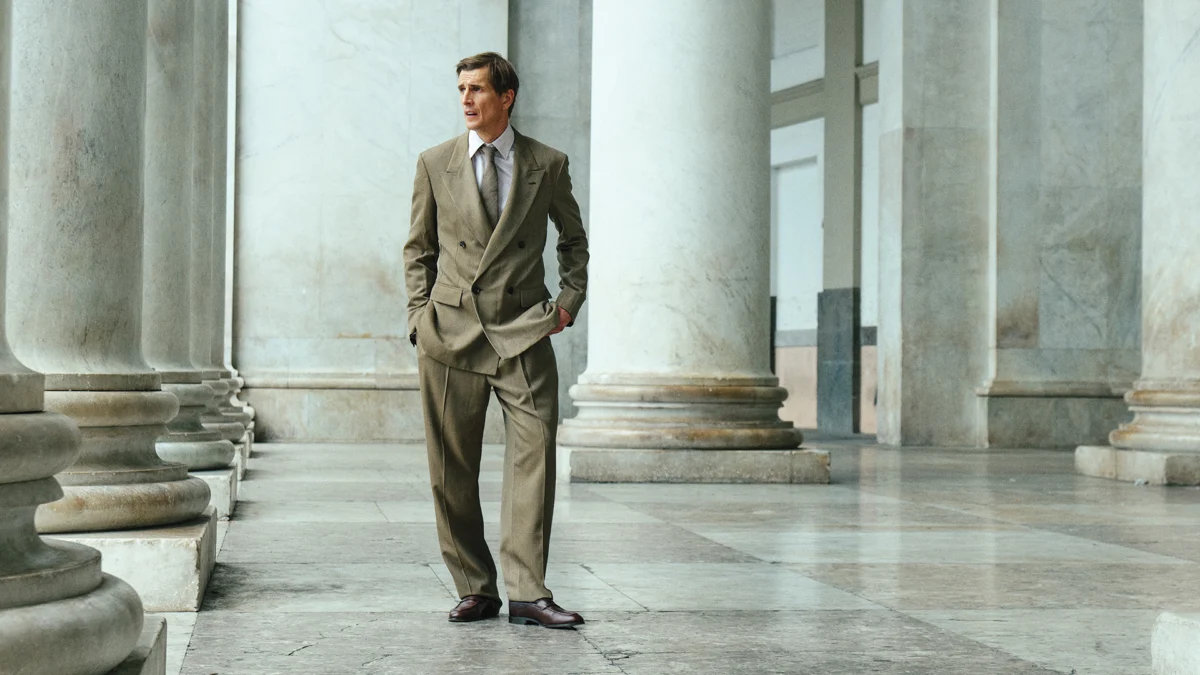
Main Facts: The Intersection of Heritage and Modern Luxury
Against the historic, sun-bleached facades of grand palazzi, weathered medieval fortresses, and bustling Mediterranean street markets, the autumn/winter menswear collections for the coming season find their spiritual home. Naples—a city where generations of master artisans have quietly perfected the art of the soft-shouldered, hand-finished suit—serves as the ultimate backdrop for a global style movement defined by ease, lightness, and the effortless grace known as sprezzatura.
This season, luxury powerhouses and traditional Sartorial houses alike—including Brunello Cucinelli, Stefano Ricci, Brioni, Cesare Attolini, Tom Ford, Giorgio Armani, and Loro Piana—have leaned heavily into designs that translate seamlessly from the dramatic coastlines of southern Italy to the urban metropolises of the world. Photographed by Raffo Marone and styled with precision by Alex Badia, the latest autumn lookbook proves that true elegance requires neither stiffness nor constraint. Instead, modern menswear is embracing tactile richness, flowing silhouettes, and an uncompromising dedication to artisanal craftsmanship.

The curation of looks showcased against the vibrant backdrop of Naples—with special thanks to local institutions like Ristorante Mattozzi—highlights a major shift in luxury consumer habits. Discerning dressers are moving away from rigid corporate tailoring in favor of elevated casualwear, rich layering pieces, and fluid outerwear that effortlessly bridges the gap between formal sophistication and everyday comfort.
Chronology: The Evolution of Neapolitan Tailoring and Modern Adaptation
To understand why contemporary fashion looks to Naples for autumn inspiration, one must examine the historical trajectory that turned a southern Italian port city into the epicenter of global sartorial arts.

- The 16th to 19th Centuries (The Foundation): Tailoring guilds were formally established in Naples under Spanish rule. Tailors began adapting heavy, rigid Spanish and British military uniforms into lighter, more comfortable garments suited for the Mediterranean climate.
- The Mid-20th Century (The Golden Age): Neapolitan tailors stripped away the heavy canvas linings, structured shoulder pads, and stiff interlinings typical of Savile Row. This gave birth to the signature giacca napoletana—a soft, unconstructed jacket featuring the iconic mains de l’ange (shoulder gathers) and high armholes that allowed for complete freedom of movement.
- Late 20th Century (Global Expansion): Houses like Cesare Attolini and Brioni introduced the world outside of Italy to the art of hand-stitching, multi-step buttonholes, and buttery-soft cashmeres, cementing Italy’s reputation as the gold standard of menswear.
- The Contemporary Era (Post-Pandemic Shift): As global dress codes relaxed, high-fashion houses began combining traditional tailoring techniques with high-end sportswear, luxurious outerwear, and relaxed knitwear. The modern editorial shoots in Naples capture this exact synthesis: heritage tailoring worn with unlined bombers, microfiber trench coats, and plush cashmere sweaters.
Supporting Data: A Breakdown of the Season’s Standout Looks and Investment Pieces
The autumn menswear edit is defined by astronomical investments in raw materials—predominantly vicuña, baby cashmere, virgin wool, and supple treated leathers. Below is a breakdown of the key pieces, designers, and price points shaping the wardrobe of the modern connoisseur:
1. Urban Outerwear & Layering
Outerwear this fall acts as the primary statement piece, marrying high-performance fabrics with traditional silhouettes.

- Brunello Cucinelli Microfiber Trench Coat: Priced at $7,900, this piece offers weather resistance without sacrificing the drape and fluid movement associated with Italian luxury.
- Paul & Shark Aqualeather Bomber Jacket: Retailing at $2,095, it bridges the gap between rugged utility and refined leather craftsmanship.
- Tod’s Gabardine and Leather Jacket ($4,245): Paired with an alpaca and cashmere sweater ($1,445) and a pristine cotton T-shirt ($625), it exemplifies modern textural contrast.
- Hermès Jacket ($15,600) & Silk Turtleneck ($2,850): Representing the pinnacle of ultra-luxury outerwear, this pairing delivers unmatched opulence for the crisp autumn chill.
2. Tailoring & Suiting
The modern suit is softer, lighter, and designed to be broken apart or worn with casual layers.
- Cesare Attolini Wool Suit ($8,900): Paired with a matching shirt ($920), this look represents the gold standard of Neapolitan hand-finishing. Attolini also offers wool-cashmere trousers at $2,600 for those looking to mix separates.
- Tom Ford Suit ($4,690) & Silk Jacquard Shirt ($1,990): Bringing a sharper, more dramatic contrast to the softness of southern Italy, this pairing leans into nocturnal glamour.
- Giorgio Armani Virgin-Wool Suit Jacket ($4,895 as part of a suit) & Cashmere Trousers ($3,295): A masterclass in tonal dressing, completed with a silk-satin shirt ($1,995) and leather belt ($445).
- Zegna Su Misura Program: Offering topcoats, full suits, shirts, and ties upon request, Zegna continues to dominate the bespoke and made-to-measure landscape.
3. Knitwear & Foundations
Cashmere and fine wools form the tactile core of autumn dressing, meant to be worn directly against the skin or layered beneath unstructured jackets.

- Brunello Cucinelli Cashmere Sweater ($4,200): An ultimate investment in luxury knitwear, frequently styled alongside crisp cotton trousers by Cesare Attolini ($2,300).
- Malo Cashmere Sweater ($3,125): Showcasing centuries of knitting expertise from northern and southern Italian artisans alike.
- Isaia Wool Roll-Necked Sweater ($2,500): An essential layering companion for heavy-duty trench coats and structured topcoats.
4. Footwear & Accessories
Grounding these fluid silhouettes requires footwear that balances comfort with formal heritage.
- Loro Piana Leather Loafers ($1,250): The definitive slip-on shoe for the jet-set dressing class, offering effortless transition from seaside promenades to city streets.
- Santoni Leather Shoes ($850): Impeccably polished oxfords and loafers that add structural weight to softer trousers.
- Falke Socks ($65): A small but vital luxury detail ensuring seamless color continuity between trousers and footwear.
Official Responses and Industry Perspectives
The philosophy driving these autumn collections is rooted in a fundamental shift in how men perceive luxury. Representatives and designers from premier Italian houses have repeatedly emphasized that modern elegance is no longer about conformity; it is about individual comfort and sensory experience.

"True luxury should feel like a second skin. When you wear a hand-stitched garment from Naples, you aren’t just wearing fabric—you are wearing hours of human dedication, warmth, and a cultural philosophy that values living well above all else." — Sartorial Industry Insider
Global style directors note that consumers are increasingly rejecting fast-fashion trends in favor of "buy-it-for-life" artisanal pieces. The integration of high-performance fabrics—such as water-resistant microfibers, treated leathers, and ultra-fine wool blends—into classic tailoring silhouettes indicates that menswear brands are successfully adapting to the dynamic lifestyles of modern executives and global travelers. Whether navigating an international flight or sitting down for a traditional lunch at Ristorante Mattozzi in Naples, the modern wearer demands versatility without compromise.

Implications: The Future of Global Menswear and Artisanal Production
The resonance of Neapolitan style on the global stage carries profound implications for the fashion industry at large:
- The Renaissance of Handcraftsmanship: As automated manufacturing dominates mass market retail, the demand for authentic, hand-finished garments (such as those by Cesare Attolini, Brioni, and Isaia) is surging. Wealthy consumers are actively seeking provenance, eager to know the human stories behind their garments.
- The Blur Between Formal and Casual: The rigid boundaries of the 20th-century corporate uniform have dissolved. The styling seen in this season’s editorial—pairing high-end cashmere roll-necks with structured wool suits, or unlined leather bombers over silk turtlenecks—demonstrates that the future of menswear lies in intelligent hybridization.
- Geographic Versatility: Historically, regional dressing was strictly bound by climate. However, modern luxury fabrication allows heavy-weight-looking cashmeres and microfibers to remain breathable and lightweight, ensuring that a look designed against the backdrop of a Mediterranean palazzo works just as seamlessly on a chilly autumn morning in New York, London, or Tokyo.
Ultimately, the latest autumn menswear offerings are a testament to endurance. By honoring centuries-old techniques while aggressively innovating in materials and silhouette, Italian tailoring remains the undisputed heartbeat of global style.
 Evan Lee Salim
 Asep Darmawan
 Laily UPN
