

By: Sports Culture Desk
Published: September 2024
Main Facts: The Birth of NFL Deli Discourse
With the return of both collegiate and professional football, fans have quickly realized that an unexpected culinary movement is taking over social media. As it turns out, modern football culture has embraced a deeply unserious, highly creative lexicon used exclusively to roast struggling quarterbacks. The core premise is simple: whenever a quarterback throws an interception, online sports fans attribute the turnover to a specific, often overly complicated deli sandwich.
What began as isolated jokes on X (formerly Twitter) has exploded into a viral trend. Terms like "meatball sub" are being deployed to mock poor decision-making on the field, with the humor scaling directly alongside the ridiculousness of the sandwich combination. During a high-profile Week 1 matchup between the Cleveland Browns and the Jacksonville Jaguars, one fantasy football group chat erupted with the critique: "Watson with the early pastrami on pumpernickel."
Far from being a mere fleeting joke, this trend highlights the ever-evolving nature of sports slander. In an ecosystem where digital communities constantly invent new ways to mock athletic failure—ranging from "football terrorism" memes to the NBA’s infamous "Get ready to learn Chinese, buddy" copypastas—the NFL has found its own unique vernacular. This season, a botched pass doesn’t just mean a turnover; it means a fully loaded, collateral-damage deli order.
Chronology: Tracing the Evolution of the Meme
While the sandwich-based terminology reached a fever pitch at the kickoff of the current football season, its origins stretch back further than casual fans might realize.
- Late 2023 (The Genesis): The earliest recorded iterations of sandwich-based quarterback slander can be traced to late 2023 social media posts. A notable catalyst occurred when a viral tweet targeted New Orleans Saints quarterback Derek Carr: "They got Carr in 4K throwing a fully loaded shrimp poboy." The joke resonated not only because of the absurdity of imagining a quarterback launching a seafood sandwich downfield, but also due to the local culinary connection to New Orleans.
- The Offseason Build-Up: Throughout the spring and summer, internet sleuths and meme architects laid the groundwork for a broader lexicon. Because traditional sports slander often involves suggesting a player is about to lose their job, online communities began pairing quarterback blunders with fast-food and deli worker metaphors.
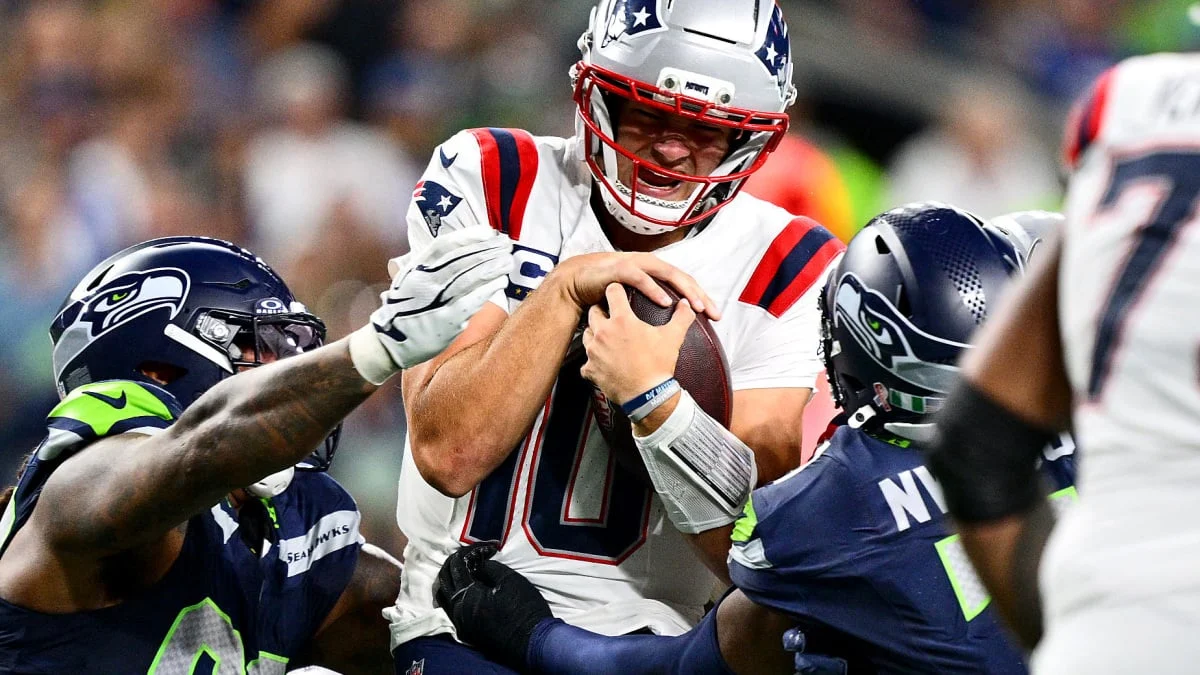
- Week 1 of the Current NFL Season (The Explosion): The trend transitioned from a niche internet joke to mainstream sports discourse during the opening week of games. Driven by high-profile quarterback struggles—most notably involving New England Patriots signal-caller Drake Maye—X, Reddit, and fantasy football group chats were flooded with customized sandwich orders meant to signify interceptions.
Supporting Data and Context: Baseball Roots and the Drake Maye Factor
To understand how football arrived at the deli counter, one must look at sports etymology and specific player narratives that fueled the fire.
The Baseball Connection
The term "meatball" is hardly new to the world of sports. For decades, baseball culture has utilized "meatball" exclusively to describe a pitch thrown right down the middle of the plate—an easy-to-hit offering that invites disaster for the pitcher. Because footballs possess a distinct, oblong shape that bears little resemblance to a spherical baseball, online creators adapted the terminology. By upgrading the humble meatball to a "meatball sub," Baseball Twitter’s terminology crossed over into the gridiron zeitgeist.
The Drake Maye Catalyst
A significant driver behind the explosion of the sandwich meme is New England Patriots quarterback Drake Maye. Following a brilliant breakout early in his career that saw him land near the top of MVP voting in just his second season, Maye became a polarizing figure. For fans weary of the Patriots returning to dominance so soon after the departures of Tom Brady and Bill Belichick, Maye became prime target material for "hate-watching."
Furthermore, Maye’s off-field charitable work inadvertently handed ammunition to meme creators. Over the past few years, Maye has frequently partnered with local charities, making appearances at Jersey Mike’s locations around the Boston area. When Maye suffered a disastrous opening-week performance—highlighted by multiple interceptions in a Super Bowl rematch against the Seattle Seahawks—social media users immediately connected his community sandwich appearances to his on-field turnovers. The synergy was too perfect for the internet to ignore, cementing Jersey Mike’s and generic deli orders as the official currency of Maye’s detractors.
Official Responses and Fan Reactions
As with any organic internet phenomenon, the reaction from the broader sports community has been sharply divided, creating a classic generational and cultural gap within sports fandom.
- The Gen-Z and Millennial Meme Creators: For younger fans and digital natives, the sandwich slander represents the pinnacle of modern sports humor. It moves away from toxic, hyper-aggressive criticism and leans into surrealist comedy. Comparing a costly red-zone interception to a "pastrami on pumpernickel" or a "fully loaded club sandwich with extra mayo" offers a comedic release valve for frustrated fans whose fantasy teams are suffering.
- Traditionalists and Fatigue: Unsurprisingly, older sports journalists and traditionalists have expressed confusion or outright exhaustion regarding the trend. By the end of Week 1, prominent accounts were already noting that the joke risked being overdone. Comments on threads tracking the trend indicate a growing fatigue, with some users declaring the meme "cooked" almost as quickly as it started.
Despite pushback from purists, digital culture analysts note that these types of hyper-specific jokes serve as the glue for modern online fandoms, keeping engagement high even during blowout games.
Implications: The Future of Sports Discourse and Meme Culture
The rise of "sandwich slander" offers a fascinating window into how digital media dictates modern sports consumption. As sports coverage increasingly shifts away from traditional television analysis and toward social media platforms, the currency of fandom has become the meme.
- The Gamification of Fan Reactions: Fans are no longer just watching games; they are actively competing to author the funniest viral tweet or group-chat message in real-time. The quarterback who throws an interception is no longer just failing his team; he is providing raw material for digital creators.
- The Shelf Life of Viral Lexicon: While trends like "Get ready to learn Chinese, buddy" have achieved legendary, multi-year status in the NBA ecosystem, NFL memes tend to burn brightly and fade quickly due to the short, high-intensity nature of a 17-game football season. Whether "sandwich slander" survives past October remains to be seen.
- End-of-Season Cultural Artifacts: Even if the daily use of deli terminology fades, these trends leave an indelible mark on how a season is remembered. As content creators compile "generational season review" reels and TikTok retrospectives at the end of the year, these bizarre culinary metaphors will likely be baked directly into the historical record of the 2024–2025 NFL campaign.
Ultimately, whether fans are ordering a meatball sub or groaning at yet another pastrami-related interception joke, one thing is certain: football really is for food.
 Neng Nana
 Azzam Bilal Chamdy
 Muslim
