The internet is rarely accused of being a soft place to land. More often than not, digital platforms are characterized by outrage cycles, algorithmic polarization, and the relentless monetization of attention. Yet, against all odds, the sprawling architecture of social media occasionally pivots toward radical, unadulterated kindness—proving that collective digital energy can still manifest as something profoundly tangible, like a stranger buying a car seat for a baby they will never meet.
This wave of goodwill stems from an organic social media gifting chain catalyzed by Call Her Daddy host Alex Cooper. What began as a personal gesture of gratitude from a prominent media figure quickly snowballed into a cross-platform movement, mobilizing everyday users, major content creators, independent businesses, and corporate heavyweights to clear thousands of baby registries for expectant parents across the globe.
Main Facts: The Anatomy of a Viral Phenomenon
At its core, the trend is refreshingly straightforward: expectant parents post links to their online baby registries—primarily hosted on the platform Babylist—accompanied by brief personal stories about their journeys to parenthood. Viewers, creators, and brands then step in to purchase essential items, ranging from everyday necessities like diapers and bottles to high-ticket nursery furniture such as cribs, mattresses, strollers, and car seats.
The movement crossed over from casual viral content into a structured social phenomenon when Cooper—who announced in May that she is expecting her first child with her husband, film producer and Unwell co-founder Matt Kaplan—decided to give back. Having spent months leaning on her massive digital audience for pregnancy advice, parenting tips, and emotional solidarity, Cooper sought a meaningful way to return the favor.
Collaborating with the online baby registry and shopping platform Babylist and her own media network, Unwell, Cooper helped formalize the momentum under the banner #BabylistItForward. The initiative quickly caught fire. Figures shared with media outlets revealed that more than 15,000 expectant parents responded to the campaign’s launch post within a single hour, either dropping their own registry links or nominating deserving friends, siblings, and coworkers.
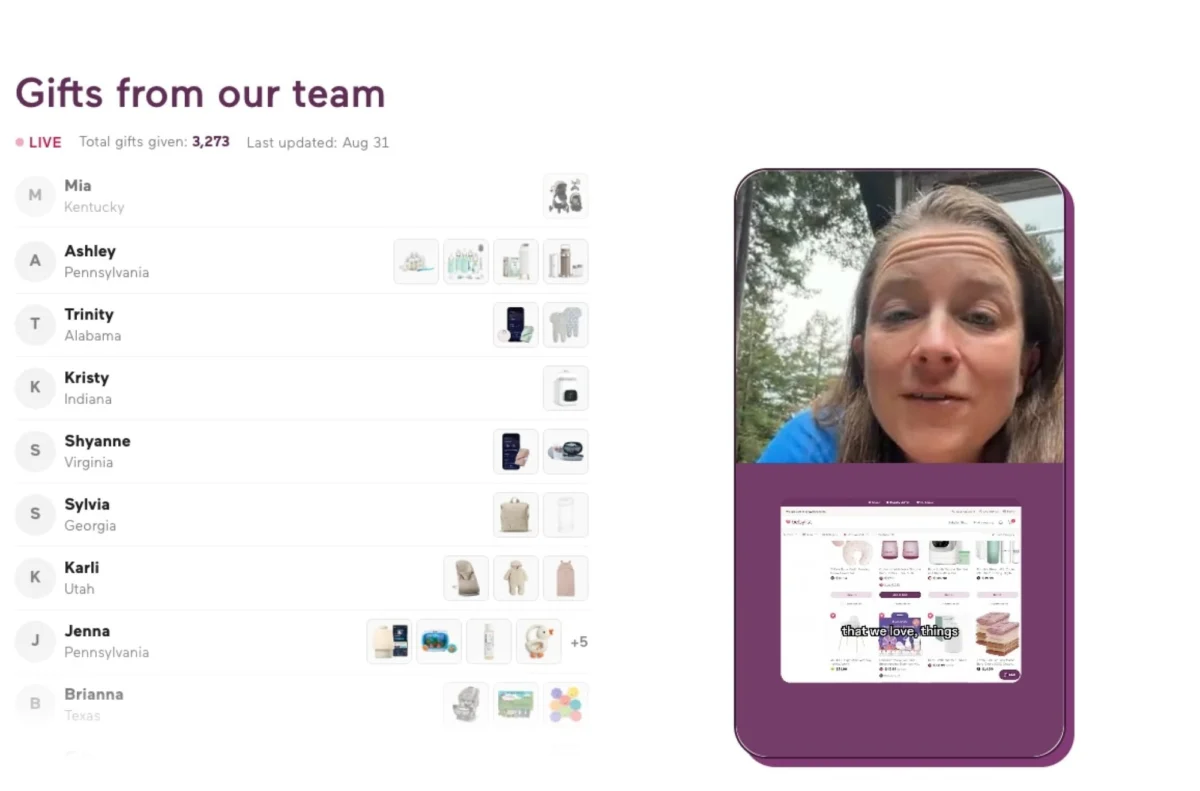
As of late August, Babylist’s internal team alone had fulfilled thousands of individual gifts, while a coalition of independent brands and high-profile celebrities amplified the effort by encouraging their own communities to participate.
Chronology: From a Creator’s Gratitude to a Global Chain Reaction
To understand how a single celebrity interaction transformed into a massive digital movement, it is necessary to trace the timeline of events that captured the internet’s attention.
May 2026: Alex Cooper announces her pregnancy, sharing her journey with her husband, Matt Kaplan, and inviting her millions of followers to offer advice as she navigates impending motherhood.
Late August 2026: Recognizing the profound depth of the support and guidance she received from her community, Cooper begins surprising random expectant parents on TikTok and Instagram by stealth-purchasing items directly from their Babylist registries.
The Ripple Effect: Moved by Cooper’s actions, everyday social media users begin scrolling through comment sections, opening strangers’ registry links, and purchasing whatever items fit their budgets—whether that meant a $10 pack of bottles or clearing out an entire list. Other prominent creators and reality television stars—including Colton Underwood, Harry Jowsey, Jenna Ushkowitz, and Anneliese van der Pol—quickly jump on board, using their feeds to spotlight expectant families.
Formalizing the Effort (#BabylistItForward): Seeing the immense organic traction, Babylist officially partners with Cooper and Unwell to launch the #BabylistItForward campaign, committing to support more than 1,000 families with the backing of corporate partners like Pampers.
The Brand Influx: Independent and enterprise brands—such as Mina Baie, UPPAbaby, Cozy Crew Club, Kiplie, and Itzy Ritzy—enter the fold, pledging everything from entire stroller setups and diaper bags to store gift cards and product bundles.
Present Day: The trend continues to evolve from a fleeting viral moment into an enduring display of online empathy, with unboxing videos and emotional reactions regularly trending across TikTok and Instagram feeds.
Supporting Data and Scale of the Movement
The sheer velocity of the #BabylistItForward campaign caught even its organizers by surprise. Digital generosity is not a novel concept—crowdfunding links frequently sit beneath viral videos, and "kindness creators" have long built audiences around handing out cash or vehicles. However, the decentralized nature of the baby registry trend transformed it into a distributed act of community care rather than top-down philanthropy.
Immediate Engagement: In less than 60 minutes following the launch of the formal campaign post, over 15,000 expectant parents flooded the comment sections with registry links and nominations.
Corporate Contributions: Babylist’s dedicated campaign page tracked a rapidly rising tally, logging 3,279 direct gifts from the company’s internal team alone by August 31.
Targeted Brand Commitments:
UPPAbaby pledged to clear five full registries while buying a luxury stroller from 50 additional lists.
Mina Baie committed to purchasing items from five registries while distributing luxury diaper bags to 20 other parents.
Itzy Ritzy offered up to $300 worth of its signature products for every selected registry it could accommodate.
Everyday Micro-Philanthropy: While corporate contributions dominated headlines, the heart of the data lies in the uncounted thousands of micro-transactions executed by ordinary citizens who quietly cleared out items from lists belonging to working-class parents, military families, and students.
Consider the story of Wyatt Morris, an active-duty service member, and his wife, Breanna. When Morris posted their Babylist registry on TikTok, they were simply hoping for a little breathing room ahead of their daughter’s birth. Days later, they returned with an emotional follow-up video detailing how total strangers on the internet had purchased every single remaining item on their list.
Official Responses: What Brands and Leaders Are Saying
The movement has prompted industry leaders to rethink how e-commerce platforms can intersect with human vulnerability and community building.
Jennifer Hyman, incoming CEO of Babylist, noted that the extraordinary response proved modern parents are searching for far more than transactional e-commerce solutions when preparing for a child.
"The partnership was designed to reach parents precisely when they need answers, reassurance, and connection," Hyman noted, emphasizing that the platform is working to expand its role beyond a registry tool into a holistic support network.
Alex Cooper echoed this sentiment in a press release detailing her motivation behind the initial surprises.
"Clearing out registries was a way to thank the community for all their incredible support and advice," Cooper explained. "Reading their stories and seeing what that meant to them made me want to find a way for Unwell to keep paying that forward."
Beyond pure financial contributions, the comment sections of these viral videos evolved organically into peer-to-peer advisory boards. Expectant parents began exchanging notes on which infant products were genuine necessities versus clever marketing gimmicks, sharing budget-friendly alternatives, and offering emotional reassurance to mothers and fathers navigating high-anxiety pregnancies.
Implications: A Shift in Digital Culture
While internet trends are notoriously ephemeral—frequently burning bright before fading into algorithmic obscurity—the cultural footprint of the viral baby registry movement points to a broader, healthier shift in how digital communities utilize social media architecture.
Re-humanizing the Algorithm: Platforms built on engagement metrics often reward conflict and controversy. By redirecting algorithmic distribution toward acts of shared altruism, users demonstrated that kindness can achieve viral velocity just as effectively as outrage.
Redefining Influencer Marketing: Traditional influencer marketing relies on parasocial relationships to sell products to consumers. The Alex Cooper-led movement inverted this dynamic, leveraging influencer reach to direct capital away from corporate bottom lines and toward the literal survival and comfort of everyday families.
The Rise of Collaborative Community Care: In an era marked by economic uncertainty and institutional strain, digital networks are increasingly stepping in to provide mutual aid. Whether through decentralized crowdfunding or coordinated registry gifting, communities are proving resilient in constructing safety nets where traditional institutions fall short.
The boxes piling up on doorsteps across the country—containing everything from humble pacifiers to top-of-the-line cribs—will eventually be unpacked, outgrown, and replaced. The babies for whom they were purchased will grow up. But the digital footprint of this moment—a fleeting window of time when the internet collectively decided to take care of its own—serves as a powerful reminder of what social media can achieve when its collective energy is harnessed for good.




 Nana Wu
 Neng Nana
 Reynand Wu
