

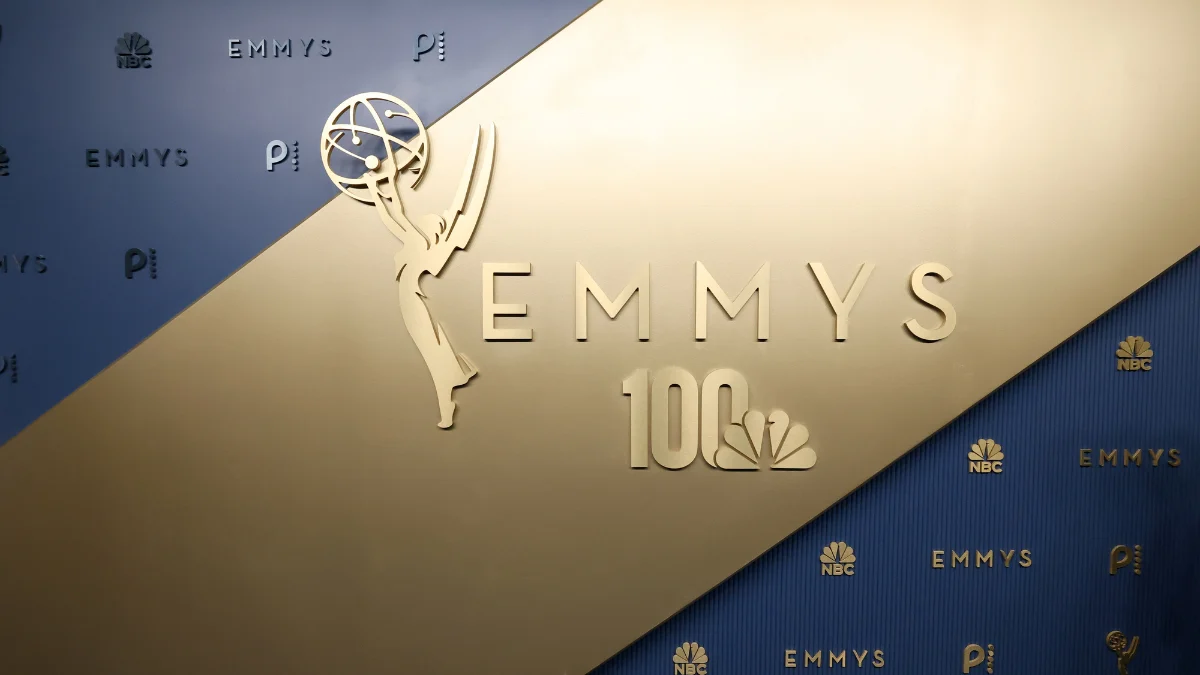
For over seven decades, the Primetime Emmy Awards have served as the crowning jewel of the broadcast television calendar. Since the inaugural ceremony in 1949, the "Big Four" networks—ABC, CBS, NBC, and Fox—have maintained a symbiotic, albeit evolving, relationship with the Television Academy, broadcasting the glitz, glamour, and industry recognition of television’s highest honors into living rooms across the globe.
However, the industry is now standing on the precipice of a tectonic shift. In a move that would mark the most significant transformation in the awards’ history, the Television Academy is currently engaged in advanced negotiations to migrate the Emmys from traditional linear television to Amazon Prime Video. This potential transition represents more than just a change in venue; it signals a fundamental reckoning with the changing habits of modern viewers and the rising dominance of streaming conglomerates.
The Evolution of the Emmys: A Chronology of Broadcast Tradition
To understand the weight of this potential departure, one must look at the historical anchoring of the Emmys. For 75 years, the ceremony has functioned as the definitive ritual of the broadcast era.
- 1949: The first Emmy Awards are presented at the Hollywood Athletic Club, a modest affair that established the template for honoring television achievement.
- 1955: The ceremony gains national television exposure, cementing its status as a cultural pillar of the network age.
- The Network Era: Through the mid-20th century, the rotating broadcast rights between ABC, CBS, NBC, and Fox became a point of industry pride, providing the networks with high-profile "tentpole" programming that commanded massive advertising premiums.
- 2022: Amazon Prime Video takes a bold step into live awards programming by exclusively streaming the Academy of Country Music (ACM) Awards, proving that a tech giant could handle the technical complexities of live, unscripted event television.
- 2024–2025: The Television Academy begins exploring new distribution models, fueled by declining linear viewership and the increasing desire for a more flexible, interactive format.
- 2026 (Present): Negotiations with Amazon reach a critical phase, potentially ending the streak of broadcast-exclusive telecasts that has persisted since the show’s inception.
Supporting Data: The Shrinking Linear Landscape
The primary driver behind this potential shift is the stark reality of the modern media landscape. Linear television, once the undisputed king of audience reach, has seen its dominance erode as viewers migrate to on-demand platforms.
According to industry metrics, last year’s CBS telecast of the Emmys drew approximately 7.59 million viewers. While this represented the show’s best performance since 2021, it remains a fraction of the audience numbers the ceremony enjoyed during its heyday. The economic reality is equally sobering; the most recent broadcast agreement reportedly paid the Television Academy just over $8 million annually—a figure that, while significant, is increasingly difficult to justify against the rising costs of production and the fragmentation of the television market.
Furthermore, the Academy has already begun experimenting with the format to combat viewer fatigue. In a move to tighten the pacing of the main ceremony, five categories have been shifted out of the primary telecast. This indicates an organization acutely aware that the traditional three-hour broadcast model is no longer compatible with modern consumer preferences.
The Amazon Prime Video Factor: A New Digital Home
Amazon Prime Video is not merely a content repository; it is a global logistics and media powerhouse. Having successfully transitioned the ACM Awards from CBS to its platform in 2022, Amazon has demonstrated it possesses the infrastructure to handle live, high-stakes broadcasting.
By bringing the Emmys to Prime Video, the Academy would gain access to a global subscriber base and a suite of interactive tools that traditional broadcast networks simply cannot offer. A streaming-exclusive ceremony could theoretically allow for real-time engagement, multi-angle streams, and a "watch party" atmosphere that integrates directly into the platform’s existing interface.
"Conversations are continuing," said Television Academy Chair Cris Abrego when questioned about the status of the deal. His measured response highlights the delicacy of the situation. The Academy is not merely looking for a check; they are looking for a partner who can modernize the Emmys without stripping away the prestige that has defined the brand for nearly a century.
The Conflict of Interest: A Major Hurdle
While the benefits of streaming are clear, the move brings a significant ethical and public relations concern: the "fox in the henhouse" problem.
Amazon is no longer just a distributor; it is a major producer of prestige television. In the most recent Emmy cycle, Prime Video earned 48 nominations and walked away with 10 awards. High-profile shows like Fallout and The Lord of the Rings: The Rings of Power are not just Amazon products; they are competitors for the very trophies the Academy is tasked with handing out.
Critics and industry analysts have pointed out the inherent optics issue. If the Emmys are hosted on a platform that is also an active participant in the competition, how can the Academy ensure—or even project—a sense of total impartiality? The "appearance of a conflict" is, in the world of awards shows, almost as damaging as an actual conflict. Rival studios, such as Disney, Warner Bros. Discovery, and Netflix, may view the move with deep skepticism, fearing that the host platform could leverage the ceremony to promote its own proprietary content.
Implications for the Industry
If the deal goes through, the implications for the television industry will be far-reaching:
1. The Death of the "Network" Monolith
The departure of the Emmys from broadcast TV would signal the final symbolic transition of the industry from a linear-first mindset to a digital-first reality. It would place the Emmys in the same digital category as the Golden Globes (which has experimented with various streaming models) and the Oscars (which, while remaining on broadcast, faces similar pressure).
2. Format Flexibility
One of the primary selling points for the Academy is the ability to redefine what an awards show looks like. Traditional broadcast television is bound by rigid ad structures, time constraints, and the need to appeal to a broad, general audience. A streaming format could allow for a more niche-focused, experimental show that appeals to the "super-fan" demographic, potentially leading to more daring hosts, unconventional production segments, and a more intimate ceremony.
3. The Future of Awards Prestige
There is an underlying fear among industry traditionalists that moving to a streaming platform could diminish the "event" status of the Emmys. When an awards show is on a major network, it is a cultural touchstone that enters the public consciousness via the morning news and office watercooler talk. If the show is tucked away behind a subscription wall, does it lose its ability to define the cultural zeitgeist? The Academy will have to weigh the trade-off between modern technological reach and the broad, mass-market cultural footprint that only linear television can currently provide.
4. Competitive Parity
The Television Academy must develop a robust framework to insulate the voting process from the hosting platform. This might involve third-party auditing, increased transparency in how the ceremony is produced, or even contractual clauses that mandate "neutrality" in the production of the telecast. The industry will be watching closely to see if the Academy can maintain its reputation for integrity while entering into a commercial partnership with a direct competitor.
Conclusion: A High-Stakes Gamble
The potential move of the Emmys to Amazon Prime Video is a watershed moment for the entertainment industry. It represents the inevitable collision of legacy prestige and modern delivery systems. While the shift offers a lifeline in terms of technical innovation and potential for audience revitalization, it brings with it the baggage of industry skepticism and the fundamental challenge of maintaining institutional neutrality.
As the Television Academy navigates these final stages of negotiation, they are tasked with a difficult balancing act: preserving the dignity and history of the Emmys while ensuring the brand survives in a world that no longer gathers around the television set at a predetermined hour. Whether or not this transition leads to a "new golden era" for the Emmys or a dilution of their hard-earned prestige remains to be seen. However, one thing is certain: the era of the traditional broadcast awards show is rapidly setting, and the digital future is calling.
 Dwi Wanna
 Iffa Jayyana
