As the northern hemisphere transitions into fall, the global arts community is entering one of its most dynamic and high-stakes seasons. From major metropolitan art fairs and sprawling triennials to shocking legal battles over multimillion-dollar art scams, the cultural calendar is brimming with activity.
This season’s cultural dialogue spans multiple continents, highlighting the resilience of artists, the evolution of public art, and the persistent vulnerabilities of the art market. Editors and critics from major cultural publications have begun releasing their definitive guides to the autumn exhibition circuit, pointing art enthusiasts toward critical shows in New York, Chicago, Los Angeles, Washington, D.C., and international destinations like Dakar. Yet, alongside the celebration of creativity, the art world is once again reckoning with dark realities: sophisticated forgery schemes, economic pressures on independent creators, and structural vulnerabilities that continue to plague artists and collectors alike.
Main Facts
The current autumn art season is defined by several major developments across institutional and commercial sectors:
Regional Fall Guides Released: Cultural publications have rolled out comprehensive guides detailing must-see exhibitions for the fall season, spanning major arts hubs such as New York City, Chicago, Los Angeles, Washington, D.C., and international art biennials from St. Louis to Dakar.
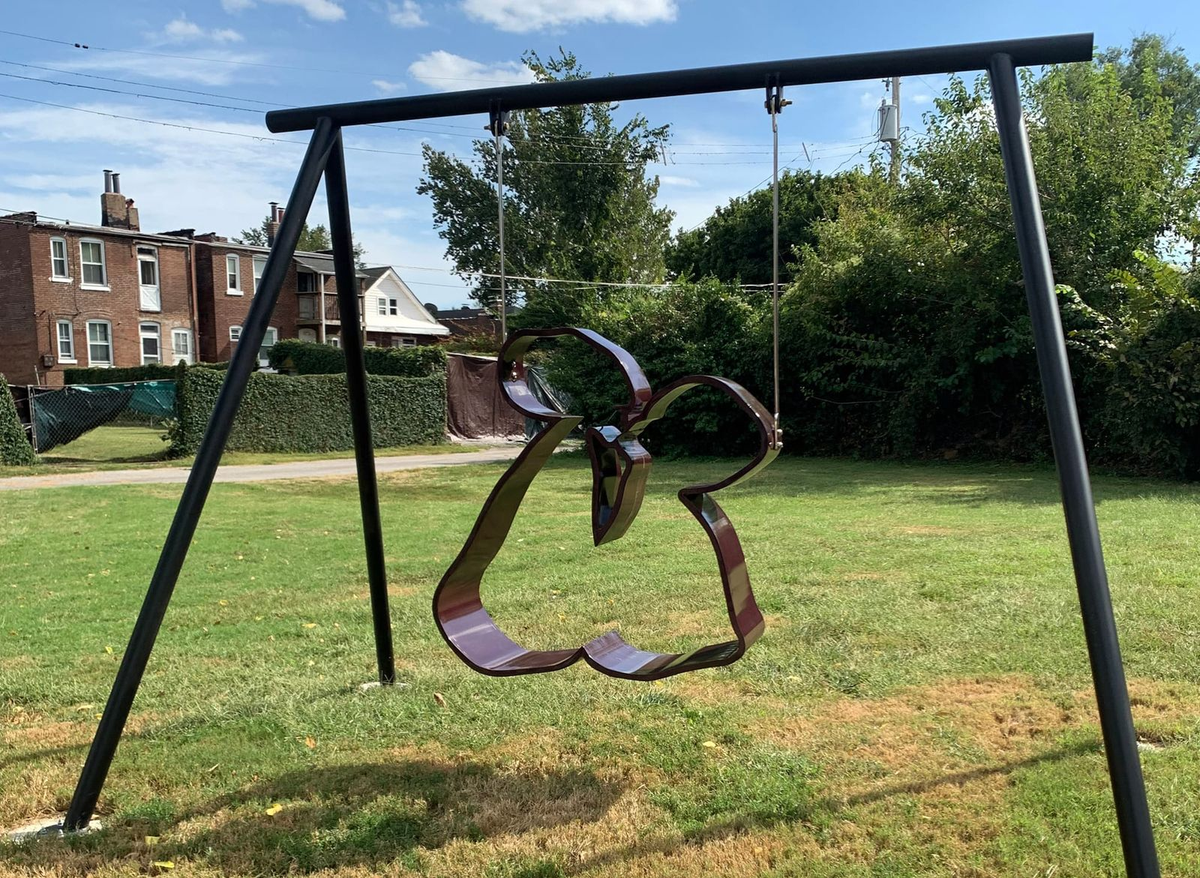
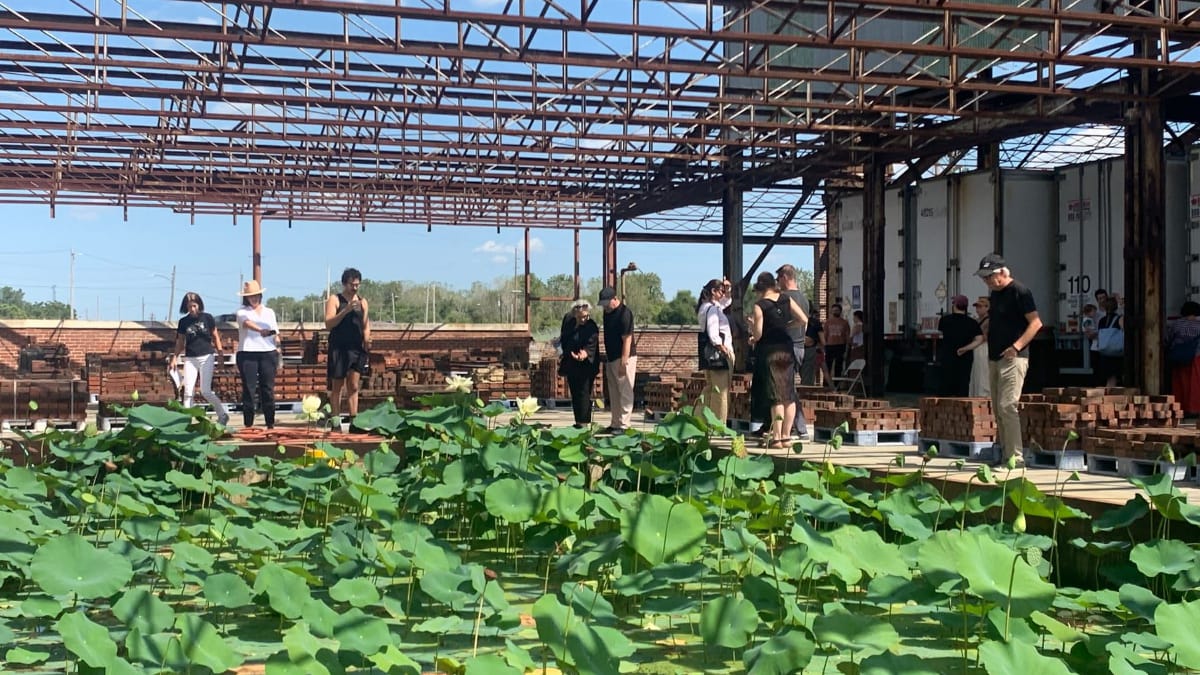
The Counterpublic Triennial in St. Louis: The third edition of the Counterpublic Triennial has officially launched, titled Coyote Time and inspired by the fleeting, midair hesitation of a video game character jumping off a cliff. Curated to reflect a city balancing deep historical roots with radical revitalization, the public art exhibition features extensive site-specific installations, including work by artist Alice Bucknell and Sandra Brewster.
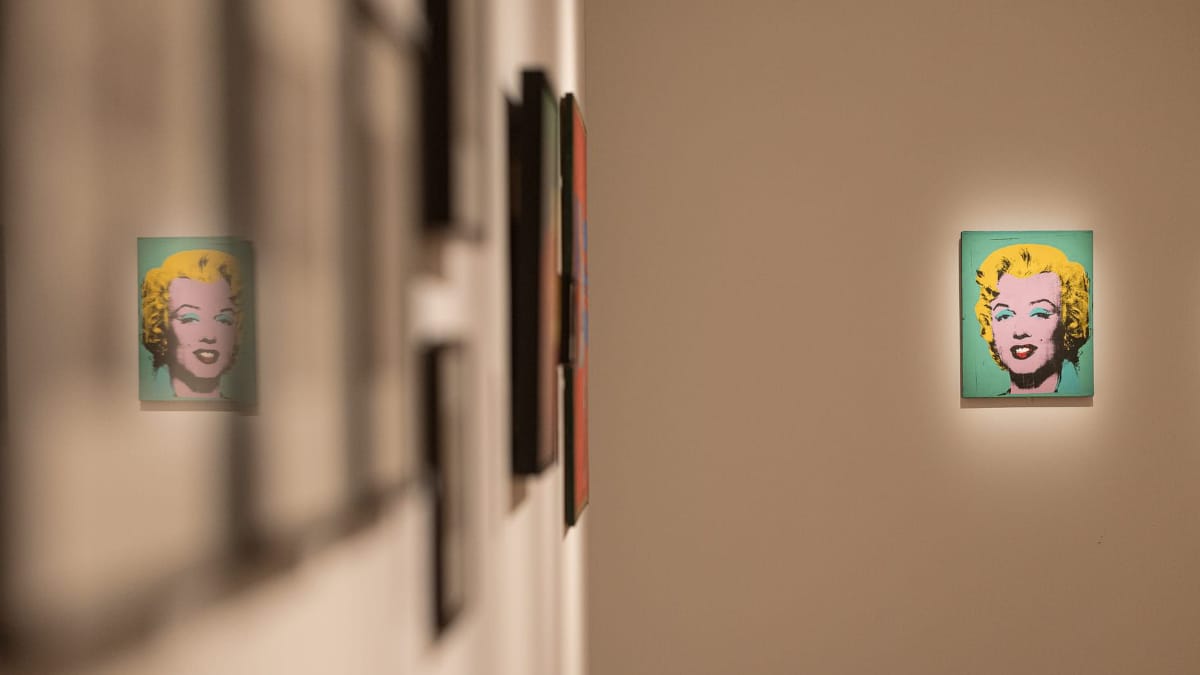
Multimillion-Dollar Warhol Fraud Scheme: A Florida-based family has filed a major lawsuit alleging they were defrauded out of $6.7 million in an elaborate scheme involving forged Andy Warhol artworks.
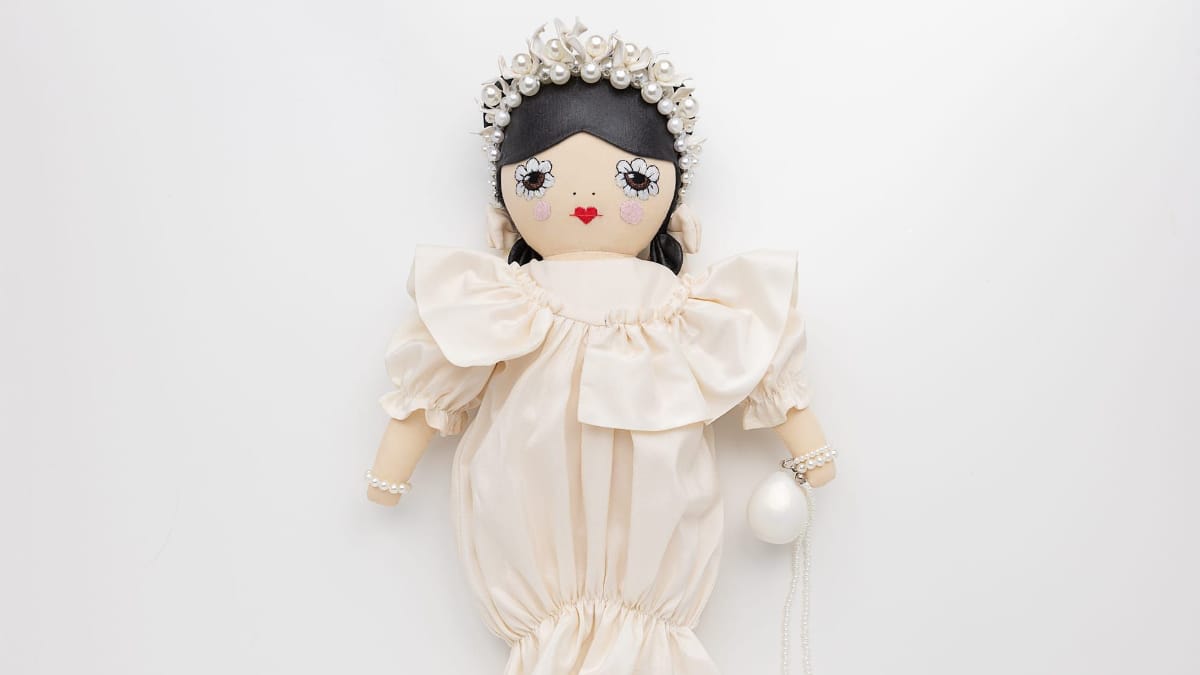
Institutional Spotlights: Notable museum exhibitions are opening worldwide, including the Fashion Institute of Technology’s (FIT) Doll Dressing exhibition, which examines the cultural dialogue between 18th-century-to-contemporary dolls and high fashion through more than 170 objects.
Critical Re-evaluations and Scholarship: Prominent cultural commentary highlights historical and contemporary figures, such as Alexis Pauline Gumbs’s analysis of Alma Thomas’s vibrant, grid-like paintings and their evocative connection to the diaspora and hair-braiding traditions.
Chronology of the Season’s Key Events
The rhythm of the autumn art season is marked by a series of rolling exhibition openings, institutional events, and legal milestones:
Late Summer / Early September: Cultural outlets publish their definitive fall preview guides, setting expectations for the upcoming Armory Week in New York City and highlighting emerging gallery scenes in neighborhoods like Tribeca.
Mid-September: The Counterpublic Triennial opens in St. Louis, transforming urban public spaces with immersive installations and community-engaged art projects under the curatorial framework of Coyote Time.
September 16: In-memoriam tributes are published across cultural networks, honoring influential figures in the arts community—including Cat Frazier, Susan Michod, and Joel Snyder—who shaped regional and national creative landscapes.
Late September: Legal filings emerge detailing the $6.7 million Warhol forgery scheme, sending shockwaves through the collecting community and drawing renewed scrutiny to provenance verification processes.
September 30: Membership organizations, such as Hyperallergic, host targeted programming including exclusive evening studio visits and curatorial conversations at the International Studio & Curatorial Program (ISCP) in New York City, featuring contemporary artists like Alicia Grullón, Zoë Pulley, Erick Hernandez, and Kara Springer.
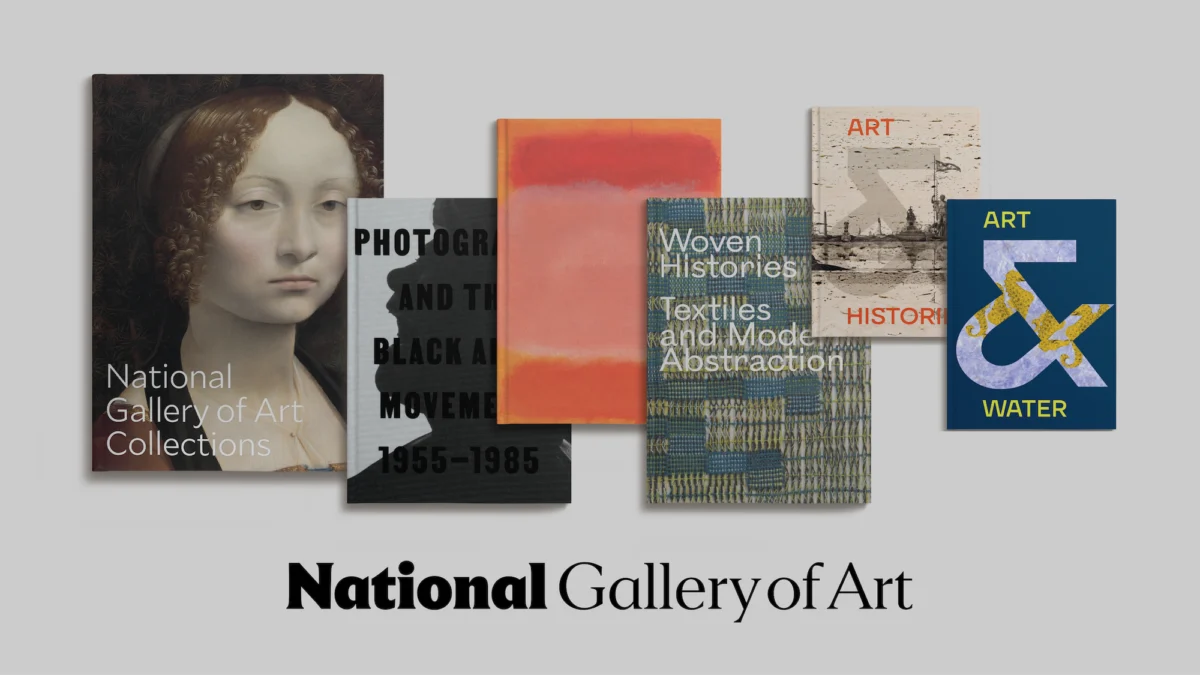
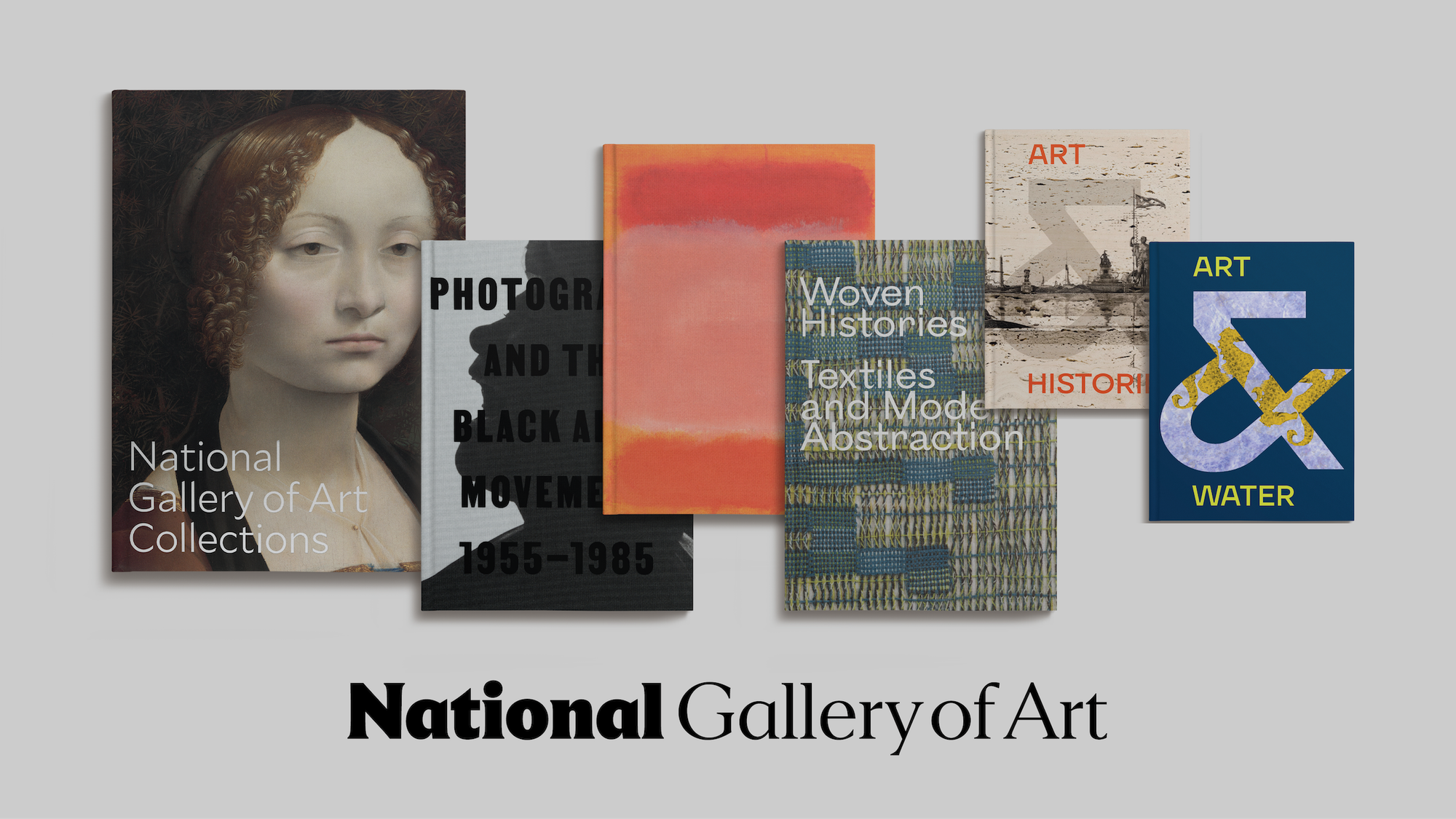
Throughout Autumn: Regional institutions roll out major retrospectives, school admissions events (such as those hosted by the School of the Art Institute of Chicago), and specialized art book publications from institutions like the National Gallery of Art.
Supporting Data and Exhibition Highlights
The breadth of this season’s programming reflects a diverse geographic and thematic scope. Curators and critics have categorized the autumn offerings into several key areas of interest:
1. The Urban Pulse: Chicago and New York
In Chicago, local writer Natalie Jenkins notes that residents exist in a "perpetual state of fall, bracing themselves for what’s to come." Despite this existential framing, the city’s galleries are hosting robust exhibitions, including:
Kate Hefferan’s exhibitions exploring subtle, everyday magic.
Critical explorations of printed matter produced within correctional facilities.
Moving photographic tributes dedicated to the memory of Emmett Till.
In New York City, the approach of Armory Week brings heightened commercial activity. Tribeca has cemented its status as Manhattan’s newest art mecca, drawing collectors and enthusiasts to compact clusters of influential contemporary galleries. Simultaneously, museum programming features major surveys such as FIT’s Doll Dressing, which unpacks the sartorial influence of dolls across three centuries using over 170 historical objects.
2. Public Art and Spatial Politics: St. Louis
The Counterpublic Triennial anchors its third iteration in St. Louis, Missouri. Titled Coyote Time—a nod to the suspended animation a cartoon or video game character experiences when stepping off a cliff before gravity takes over—the triennial explores the delicate balance between structural decay and civic reinvention. Funded and commissioned works by artists like Alice Bucknell and Sandra Brewster (A Place to Put Your Things) activate non-traditional civic spaces, transforming public squares, abandoned storefronts, and parks into active sites of dialogue.
3. Historical and Literary Explorations
Scholarship this season delves deep into the archives of modern and contemporary art. Notable literary releases and excerpts, such as Alexis Pauline Gumbs’s writing on Alma Thomas, recontextualize abstract masterpieces. Gumbs connects the rhythmic, mosaic-like color fields of Thomas’s paintings—often inspired by her garden—to the ancestral geometries of cornrows and the communal bonds of hair braiders across the African diaspora.
Official Responses and Market Reactions
The revelation of the $6.7 million Warhol forgery scheme has reignited urgent conversations surrounding authentication, provenance, and due diligence in the art market. While formal legal proceedings are underway, the incident has amplified existing anxieties among private collectors and institutional buyers.
Independent artists and curators have also responded to parallel systemic vulnerabilities, particularly concerning predatory scams targeting creators. Across online forums and comment sections, veteran artists have shared sobering cautionary tales. Nancy Rodrigo, an artist active since the 1980s, noted the psychological and financial toll exacted by bad actors:
"This is terrible, and it’s frustrating as it is to survive, and sustain oneself as an artist, but then to have to deal with scammers makes everything so more daunting. I’ve received emails from ‘curators’ and ‘residencies’ claiming to like my work… Having been in the art world since the 80’s and scammed back then by my art agent, I’ve learned hard lessons to not trust anyone or anything unless I ask around, research, and even then I approach every opportunity with caution. Be careful out there."
Institutions, meanwhile, are responding by bolstering educational outreach and transparency. Major museums and academic centers—including the National Gallery of Art and the School of the Art Institute of Chicago—are ramping up public scholarship initiatives, offering transparent access to conservation insights, exhibition catalogs, and direct advisory sessions for emerging practitioners.
Implications for the Global Art Ecosystem
The convergence of high-profile fraud cases, expansive public art biennials, and shifting institutional priorities points to a transitional period for the global art world.
Heightened Demand for Provenance Security: The multimillion-dollar Warhol lawsuit underscores the urgent need for tighter regulatory standards, blockchain-backed provenance tracking, and more rigorous scientific authentication methods before high-value market transactions are finalized.
The Decentralization of Art Capitals: Events like the Counterpublic Triennial in St. Louis demonstrate a growing appetite for art experiences outside traditional coastal epicenters like New York and Los Angeles. Cities with rich industrial histories are increasingly leveraging public art festivals to foster civic identity and economic revitalization.
Economic Precarity vs. Community Solidarity: As independent artists face sophisticated online scams and mounting economic pressures, grassroots networks, artist-run spaces, and membership organizations (such as ISCP studio visits and cooperative critique groups) are becoming vital safety nets.
Ultimately, the fall 2026 arts season offers a dual narrative: it celebrates human creativity and historical recovery while issuing a sharp reminder of the vigilance required to protect both cultural heritage and the creators who sustain it.



 Nana
Nana
 Iffa Jayyana
 Muslim
