

Published every Thursday afternoon, Art Movements serves as your definitive weekly briefing on essential industry news, institutional appointments, prestigious awards, major acquisitions, and critical art-world happenings.
Main Facts
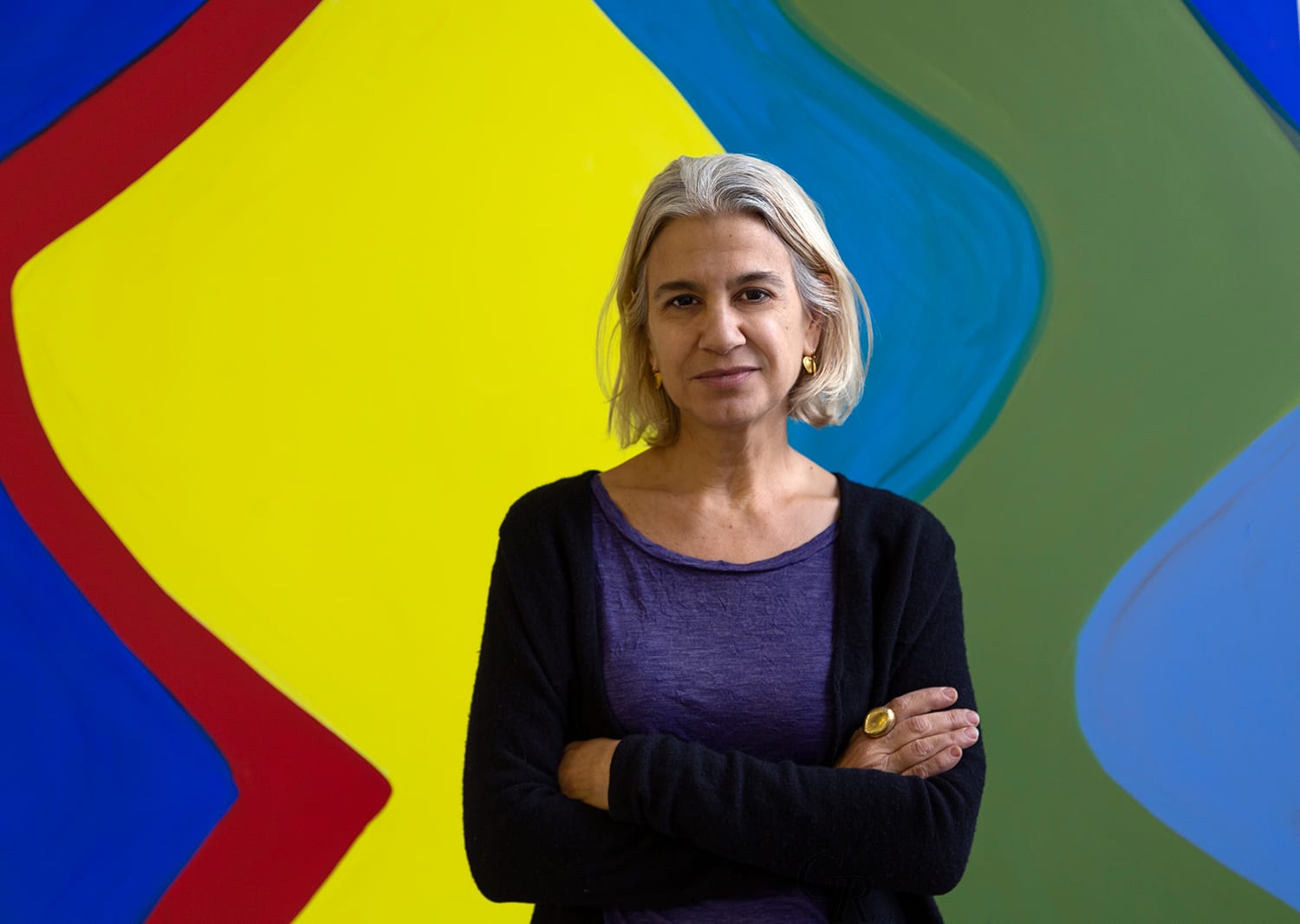
The contemporary art landscape has experienced a week of stark contrasts, defined by institutional reckoning, international recognition, and the ongoing friction between high culture and celebrity vanity projects. At the forefront of this week’s news is acclaimed American painter Amy Sherald, who has been named to the prestigious TIME 100 list of influential people shaping the arts. Sherald’s inclusion arrives on the heels of her principled decision to pull her exhibition from the Smithsonian Institution, a move made in protest against the perceived censorship of a portrait depicting a transgender woman.
While Sherald’s inclusion highlights artists standing firmly on the right side of history—alongside fellow honorees Dayanita Singh and Tuan Andrew Nguyen—the TIME list has faced widespread criticism for its uneven curation. The roster awkwardly juxtaposes serious contemporary creators with figures ranging from political novelties to corporate titans, such as billionaire hedge fund manager Ken Griffin, whose vocal opposition to campus Palestine solidarity protests has drawn intense public ire.

Meanwhile, on the international prize circuit, Bhutanese artist Pem Lham has been named the recipient of the 2026 Rubin Museum Himalayan Art Prize. Bagging the $30,000 award—widely recognized as the most substantial of its kind dedicated to contemporary creators from the Himalayan region—Lham’s victory marks a watershed moment for visibility and institutional validation for underrepresented artists from the global mountain corridor.
However, the art world’s perpetual appetite for spectacle also brought less-than-stellar headlines, highlighted most prominently by actor Johnny Depp’s latest foray into the visual arts. Debuting his first-ever sculpture, titled "The Bunnyman" (2026), at Contemporary Istanbul in partnership with the Sigg Art Foundation, Depp has once again sparked polarized debates regarding the encroachment of celebrity culture into institutional gallery spaces.
Chronology
To understand how these disparate cultural events unfolded over the past week, a look at the timeline provides crucial context:

- Early Week: TIME magazine officially releases its highly anticipated annual TIME 100 list, immediately sparking online and industry-wide discourse regarding its eclectic and controversial selection of arts figures, which quickly draws criticism from cultural critics over corporate and political influences.
- Mid-Week: The Rubin Museum of Himalayan Art officially announces Pem Lham as the winner of its landmark 2026 Himalayan Art Prize, injecting $30,000 into the Bhutanese contemporary arts ecosystem and celebrating Lham’s studio practice based in Thimphu.
- Thursday Afternoon: The digital release of Art Movements highlights the dualities of the cultural sector—juxtaposing Sherald’s ethical standing and Lham’s grassroots triumph against the backdrop of commercialized novelties like Johnny Depp’s sculptural debut.
- Upcoming Weekend: Contemporary Istanbul prepares to open its doors to international collectors, where "The Bunnyman" is slated to make its public debut, drawing immense media attention despite widespread critical skepticism.
Supporting Data
The financial and demographic scale of this week’s art news highlights the vast economic and geographic disparities within the global creative ecosystem:
- $30,000 USD: The exact monetary value of the Rubin Museum Himalayan Art Prize awarded to Pem Lham, making it the largest recurring financial grant dedicated exclusively to contemporary artists working within the Himalayan region.
- 1320 x 990 Pixels: The archival dimensions documenting Lham working in her Thimphu studio, capturing the quiet, localized reality of an artist operating far from the hyper-commercialized hubs of New York, London, or Basel.
- 100: The number of global figures featured annually on the TIME list, a platform that wields immense mainstream cultural capital yet faces recurring scrutiny over institutional bias and corporate stakeholder influence.
- 1st Sculpture: "The Bunnyman" marks Johnny Depp’s premier sculptural endeavor, following previous commercial prints and paintings that heavily relied on celebrity-driven market inflation rather than formal critical acclaim.
Official Responses
The intersection of politics, institutional ethics, and commercial art world maneuvers prompted several notable statements from artists and cultural organizations this week:
Reflecting on her unexpected yet deeply validating win, Pem Lham released an official statement via the Rubin Museum of Himalayan Art, noting:
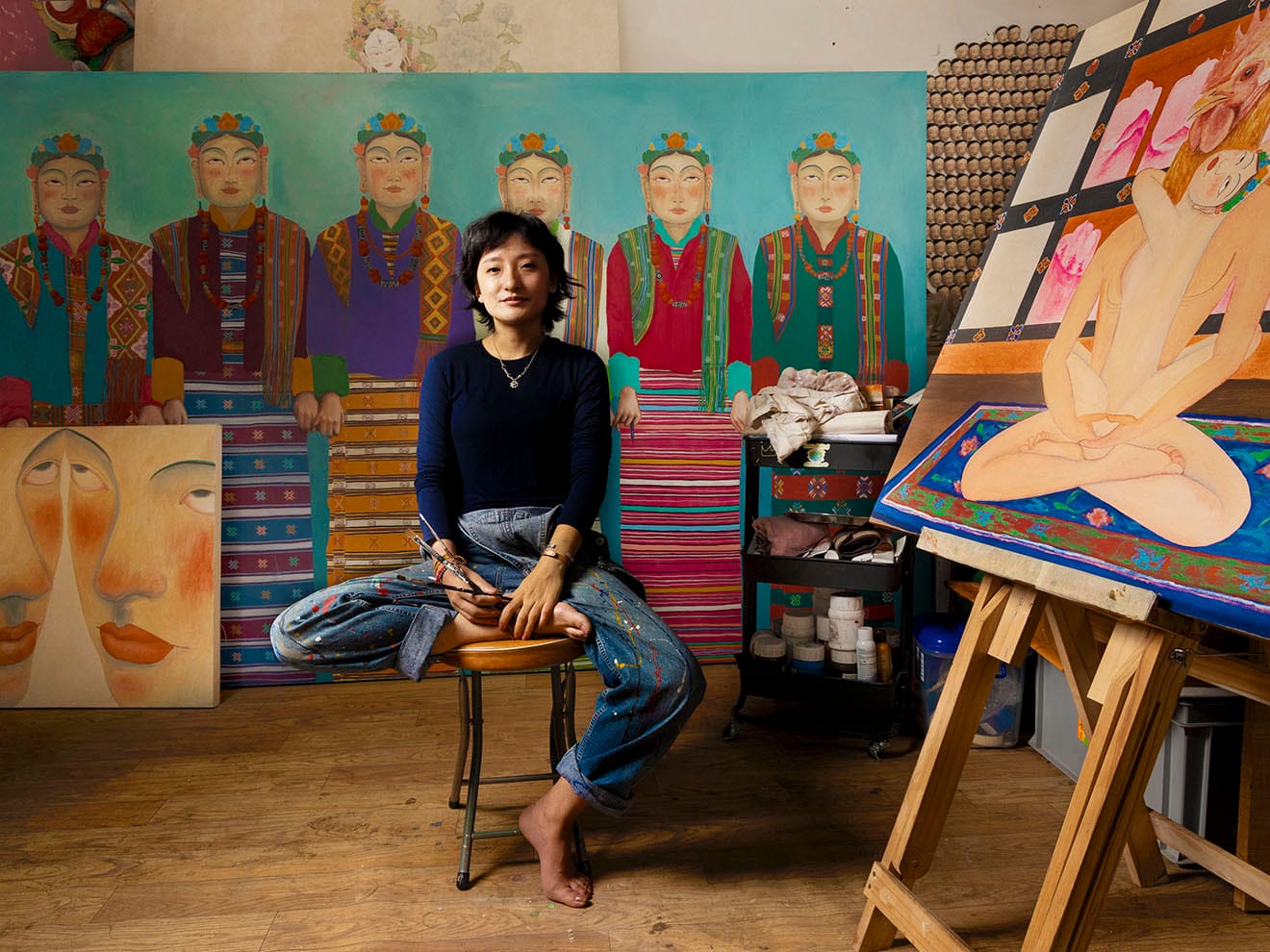
"As artists, there are moments when we wonder if our stories are reaching anyone, but this prize is a reminder that our voices matter and that there are always people connecting with the work we create."
Conversely, cultural commentators and art critics have been vocal regarding the inclusion of divisive political figures and corporate donors on mainstream cultural lists. Observers pointedly highlighted the irony of honoring artists who combat censorship while simultaneously celebrating billionaire financiers who actively undermine academic freedom and student protests.
Regarding Johnny Depp’s artistic ventures, institutional reception has remained largely silent, relying instead on the commercial machinery of art fairs and private foundations like the Sigg Art Foundation to propel celebrity works into the public eye—drawing a collective, weary sigh from professional curators and critics alike.
Implications
The events cataloged in this week’s Art Movements underscore profound systemic shifts within the contemporary art world.
First, the recognition of artists like Amy Sherald and Pem Lham signals a growing, albeit fragile, appetite for localized and politically courageous storytelling. Sherald’s ongoing legacy—cemented by her refusal to compromise her curatorial integrity in the face of institutional pressure—sets a vital precedent for how contemporary artists can navigate censorship in state-funded spaces. Similarly, the Rubin Museum’s sustained investment in Himalayan contemporary art decentralized the traditional Eurocentric art market, proving that vital, profound cultural conversations are happening far beyond Western capitals.
On the other hand, the continued elevation of celebrity-driven vanity projects—such as Johnny Depp’s sculptural debut—and the corporate-tinted curation of mainstream publications like TIME reveal the persistent vulnerability of the arts to commercial co-optation. When galleries and fairs prioritize celebrity drawing power over rigorous artistic merit, it threatens to trivialize the labor of career artists who spend decades refining their craft.
Ultimately, the art world remains locked in a tug-of-war between profound, community-rooted integrity and sensationalized commercialism. As autumn exhibition seasons ramp up, the choices made by institutions, curators, and collectors will determine whether substantive artistic voices or manufactured spectacles command the cultural narrative.
 Nana
Nana
 Iffa Jayyana
 Muslim
