

By [Your Name/Journalistic Staff]
Published: September 18, 2026
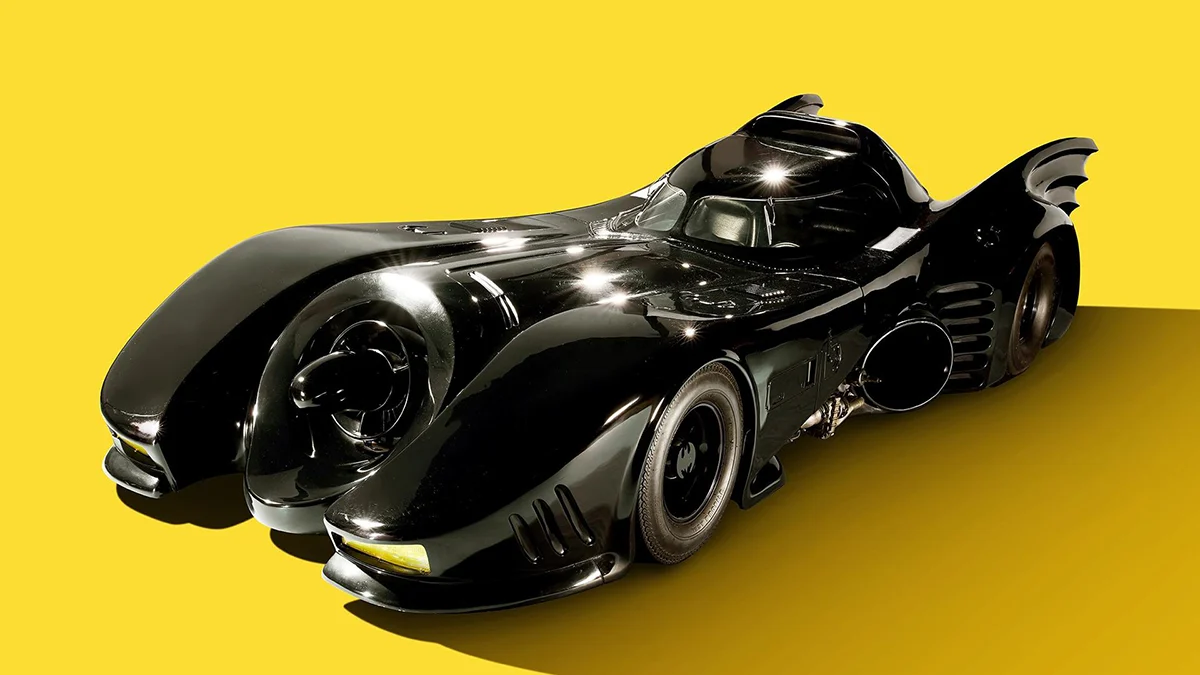
For generations of film enthusiasts and automotive collectors, the silhouette of the Batmobile is not merely a vehicle; it is a cultural totem, a symbol of high-tech vigilantism, and a masterwork of production design. This fall, the ultimate prize in cinematic memorabilia will descend upon the block as Julien’s Auctions, in partnership with Turner Classic Movies, prepares to offer the screen-used Batmobile from Tim Burton’s 1992 blockbuster, Batman Returns.
As the world gears up for Batman Day this November, all eyes are turned toward what experts are calling the most significant movie car sale of the 21st century. With a pre-auction estimate ranging from $5 million to $7 million, this piece of Gothic automotive art is poised to shatter records and redefine the market for Hollywood artifacts.
The Masterpiece: Anatomy of an Icon
The Batmobile featured in Batman (1989) and Batman Returns (1992) remains, for many, the definitive iteration of the Caped Crusader’s transport. Designed by the visionary Julian Caldow and brought to physical life by the legendary customizer Carl Casper, the car transcends the typical stunt-vehicle archetype.

Measuring an imposing 19 feet, eight inches in length, the machine is built upon the robust, combined chassis of two Chevrolet Impalas. Beneath its sleek, Art Deco-inspired fiberglass skin lies a potent Chevrolet V-8 engine paired with a three-speed automatic transmission. The aesthetic is pure theater: a jet-turbine-style intake dominates the front fascia, while massive, sweeping bat wings define the rear, creating a profile that looks as menacing today as it did over three decades ago.
Unlike modern CGI-heavy productions, this Batmobile was a tactile reality. It possessed a weight, a texture, and an imposing presence that allowed Tim Burton to ground his fantastical Gotham City in a tangible, dark reality.
A Cinematic Chronology: From Gotham to the Auction Block
The vehicle’s provenance is impeccable. It did not merely appear in the background of Batman Returns; it served as the production’s primary "hero car." Documentation from the auction house confirms that the vehicle has been screen-matched to the majority of the film’s high-stakes driving sequences, cementing its status as an authentic piece of cinematic history.
Following the wrap of Batman Returns, the car became an ambassador for the franchise. It graced the red carpet at the film’s premiere and was a centerpiece at the production’s wrap party. In the decades that followed, the car—maintaining its original, deep-gloss black finish—has lived a life of quiet preservation. It has spent significant time in storage and on display at the prestigious Marconi Automotive Museum, ensuring that its structural integrity and aesthetic condition remain pristine.

Its history is inextricably linked to the evolution of the Batman franchise. While the 1960s George Barris-designed Batmobile (built from a Lincoln Futura concept) holds a special place in the hearts of nostalgia-driven collectors, the Burton-era Batmobile represents the transition into the modern "blockbuster" era of superhero cinema.
Supporting Data: The Economics of Collectible Cinema
To understand the magnitude of this sale, one must look at the trajectory of the movie-car market. For years, the record for a television-derived vehicle was held by the original 1966 Adam West-era Batmobile, which sold for $4.2 million in 2013. That sale proved that Hollywood history could command prices rivaling those of rare Ferraris or Bugattis.
However, the 1992 Batman Returns model enters the market with a different pedigree. It is a cinematic "hero" car, directly associated with a billion-dollar cultural phenomenon. Analysts note that the current demand for high-end pop culture memorabilia is at an all-time high, driven by a demographic of collectors who grew up during the peak of 90s superhero mania and are now reaching the height of their purchasing power.
If the hammer falls at the upper end of the $7 million estimate, this Batmobile will not just be the most expensive Batman vehicle ever sold; it will arguably become the most valuable piece of film-used equipment in history, eclipsing iconic items like the Wizard of Oz ruby slippers or the Star Wars lightsabers.

Official Perspectives: What the Experts Say
"This is not just a car; it is a piece of art that helped define the visual language of the 1990s," says a spokesperson for Julien’s Auctions. "When you look at the provenance—the fact that it was the hero vehicle, the screen-matching verification, and its museum-grade preservation—you are looking at a once-in-a-lifetime opportunity for a collector to own the soul of the Gotham legend."
Industry experts suggest that the timing of the auction is strategic. By aligning the sale with Batman Day in November, the organizers are tapping into a global network of fans and high-net-worth investors. The auction house has gone to great lengths to ensure that potential bidders understand the mechanical and aesthetic integrity of the vehicle, providing comprehensive dossiers that detail every repair, restoration, and public appearance the car has made since 1992.
Implications: The Future of Film Memorabilia
The sale of the Batman Returns Batmobile signals a significant shift in the art market. For decades, traditional fine art, jewelry, and classic European automobiles were the primary vehicles for ultra-high-net-worth wealth preservation. Today, "cultural capital"—objects that carry immense emotional and historical weight within the pop-culture zeitgeist—is increasingly being viewed as a legitimate asset class.
Should this car exceed its $7 million estimate, it will set a new precedent for how movie props and vehicles are appraised. It legitimizes the "museumification" of film history, encouraging studios to treat their production assets with the same reverence that a curator might treat a Renaissance painting.

Furthermore, the auction poses a fascinating question: Who is the target buyer? Is it the private collector looking to build the ultimate, real-world Bat Cave? Is it an institutional investor looking to hedge against market volatility with a guaranteed piece of cultural heritage? Or is it a mega-fan with the means to turn a childhood dream into a private reality?
Regardless of the final buyer, one thing is certain: on November 23, 2026, the world will watch as the Dark Knight’s most iconic weapon moves from the screen to the private collection of a new owner. As the bidding process approaches, the question remains: are you prepared to pay the price to own a piece of the night?
For those interested in viewing the full gallery of this historic vehicle, or to register for the upcoming auction, please visit the official Julien’s Auctions portal. Stay tuned to the Robb Report for further updates as we approach the monumental date of the sale.
 Pevita Pearce
 Suro Senen
 Sagoh
Sagoh
