

For nearly a century, the quiet town of Lawrenceburg, Indiana, has served as the beating heart of the American whiskey industry. Hidden behind the imposing, sprawling industrial facade of a facility known to generations of locals and industry insiders simply as "the distillery," some of the world’s most acclaimed bourbons and ryes have been brought to life. While the name on the bottle—the label that captures the consumer’s imagination—has historically belonged to brands like Bulleit, Four Roses, or Templeton, the liquid inside almost always carried the silent, impeccable DNA of Lawrenceburg.
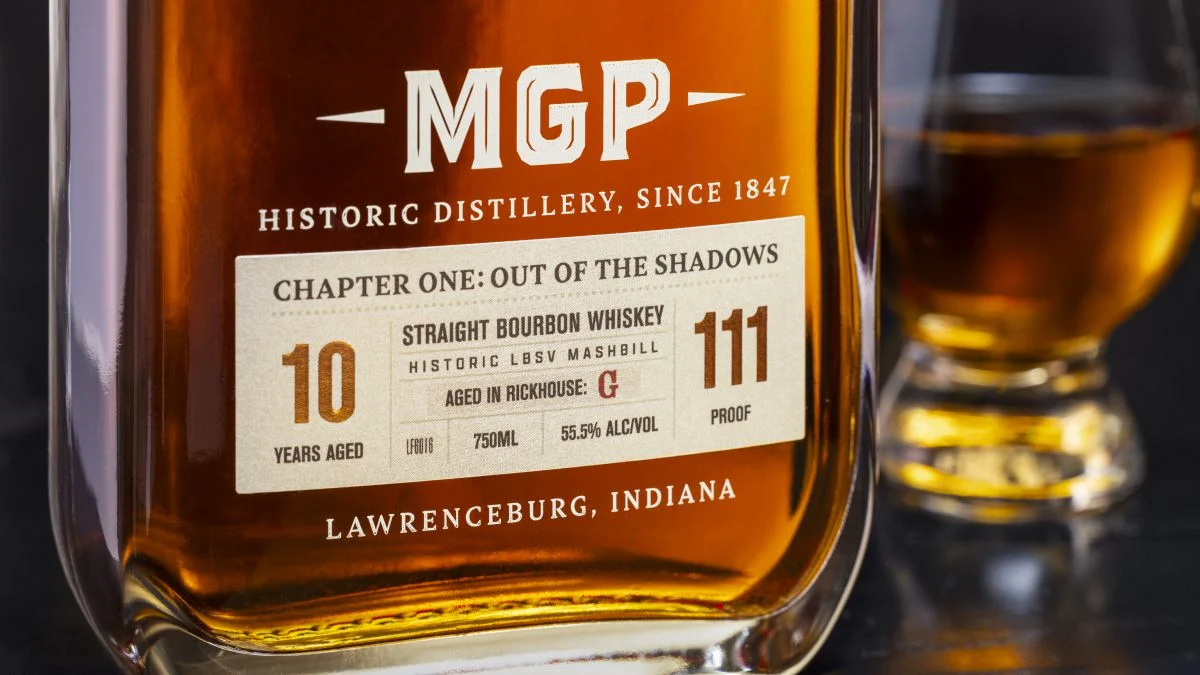
In 2011, the facility was christened MGP Ingredients (MGP). For over a decade, MGP has operated as the titan of contract distilling, a powerhouse that fueled the whiskey boom by providing liquid gold to brands that lacked their own production capacity. Now, in a historic shift, the distillery is finally shedding its reputation as the industry’s “best-kept secret.” With the release of MGP Chapter One: Out of the Shadows, the company is doing something it has never done before: it is placing its own name, front and center, on the bottle.
The Evolution of an American Icon: A Chronology
The history of the Lawrenceburg distillery is a complex tapestry of American spirits. Following the repeal of Prohibition, the site became synonymous with Seagram’s, one of the most significant names in the history of global alcohol production. For decades, the massive plant was a hub of innovation, perfecting mashbills and refining distillation techniques that would become the industry standard.
As the corporate landscape shifted, ownership of the site changed hands multiple times. However, the operational consistency remained steadfast. When MGP took the reins in 2011, they inherited not just a plant, but a legacy of liquid excellence. During the subsequent bourbon renaissance, when new craft brands began to pop up across the country, MGP became the engine room of the industry. They provided the high-rye bourbons and high-percentage rye whiskeys that helped launch dozens of household names.
In 2021, MGP’s footprint expanded significantly with the acquisition of Luxco, a Missouri-based powerhouse. This move integrated brands like Limestone Branch, Yellowstone, and Blood Oath into the MGP portfolio. Simultaneously, the company revitalized the historic Ross & Squibb name, launching the Remus and Rossville Union lines. Today, the distillery finds itself in a period of transition, navigating the cooling demand for contract-distilled whiskey and fluctuating market trends, yet choosing this moment of introspection to debut its own eponymous brand.
Supporting Data: The Anatomy of the New Liquid
MGP Chapter One: Out of the Shadows is not merely a branding exercise; it is a statement of quality. As a 10-year-old straight bourbon bottled at 111 proof, the expression serves as a benchmark for what the distillery is capable of when it controls the entire lifecycle of the whiskey.
Under the guidance of Master Distiller Ian Stirsman, the team meticulously selected barrels from the historic "Rickhouse G." The whiskey utilizes the distillery’s storied LBSV mashbill, comprised of 60 percent corn, 36 percent rye, and four percent malted barley. This high-rye composition has long been a calling card for Lawrenceburg, offering a spicy, complex profile that balances the sweetness of corn with the sharp, peppery bite of rye.
According to official tasting notes, the bourbon displays a sophisticated sensory profile:
- The Nose: Rich layers of butterscotch, burnt sugar, and molasses, rounded out by a distinct cherry sweetness.
- The Palate: A complex interplay of cherry cola, fresh raspberries, dark chocolate, and leather, finishing with the signature herbaceous note of sassafras.
Beyond the flagship release, MGP is bolstering its Remus line with two significant additions. The Remus Repeal Reserve Rye Whiskey marks a milestone for the brand, being the first rye to carry the Remus name. Utilizing the legendary 95 percent rye mashbill, this blend features whiskey distilled in 2015 and 2016, also bottled at 111 proof. Additionally, Series X has been introduced—a complex blend of three distinct mashbills distilled between 2008 and 2017, bottled at 107 proof. Both new expressions are positioned at an $80 price point, while the flagship Out of the Shadows is priced at $70.

Official Responses: A Paradigm Shift in Transparency
The decision to market whiskey under the MGP name marks a cultural shift in the spirits world. For years, the practice of "sourcing"—buying whiskey from a contract distiller—was viewed with suspicion. Some brands attempted to hide their origins, occasionally even fabricating elaborate backstories about nonexistent "master distillers" or "historic barns" to explain away their liquid’s provenance.
That era of deception has largely ended, replaced by a consumer demand for authenticity and transparency. By bringing the MGP name to the forefront, the company is validating the practice of contract distilling as a point of pride rather than a secret to be buried.
"The MGP name has built incredible equity over generations because of the quality of the products we make and the people behind them," says Julie Francis, President and CEO of MGP. "We’ve been making whiskey and spirits that others have proudly put their names on for decades. Bringing the MGP name back to the distillery and launching MGP Chapter One: Out of the Shadows is an exciting opportunity to share that story directly with consumers."
This sentiment is echoed by the distillers on the ground, who have spent years perfecting the craft in the shadows of larger, more famous brands. For the team at Lawrenceburg, this is an opportunity to reclaim their narrative and receive the recognition that their expertise deserves.
Implications for the Whiskey Market
The launch of these products carries significant implications for the wider American whiskey market. First, it signals that the “contract distillery” stigma is effectively dead. In an age where craft consumers are highly educated about mashbills, fermentation, and aging, the source of the liquid is increasingly viewed as a pedigree, not a liability.
Second, it reflects a strategic pivot for MGP. As noted in recent financial reporting, the company has faced headwinds regarding contract production, with sales slowing as the market becomes saturated and some clients bring their own production in-house. By focusing on proprietary, high-end brands, MGP is diversifying its revenue stream and moving closer to the consumer, effectively hedging against the volatility of the contract-distilling market.
Finally, the move underscores the changing power dynamics in the industry. As the line between "producer" and "brand" continues to blur, companies that own the infrastructure—the rickhouses, the stills, and the expertise—are moving to capture more value. The release of Chapter One is likely just the beginning of a broader campaign to establish MGP not just as a manufacturer, but as a premier, consumer-facing spirits house.
For the whiskey enthusiast, this is a moment of celebration. The liquid that has defined the character of so many other brands for nearly a century is finally being offered in its purest, most authentic form. Whether this will lead to a new standard of transparency in the industry remains to be seen, but one thing is certain: the distillery in Lawrenceburg is no longer hiding. It has stepped out of the shadows, and for those who appreciate the craft of American whiskey, the timing could not be better.
 Pevita Pearce
 Suro Senen
 Sagoh
Sagoh
