

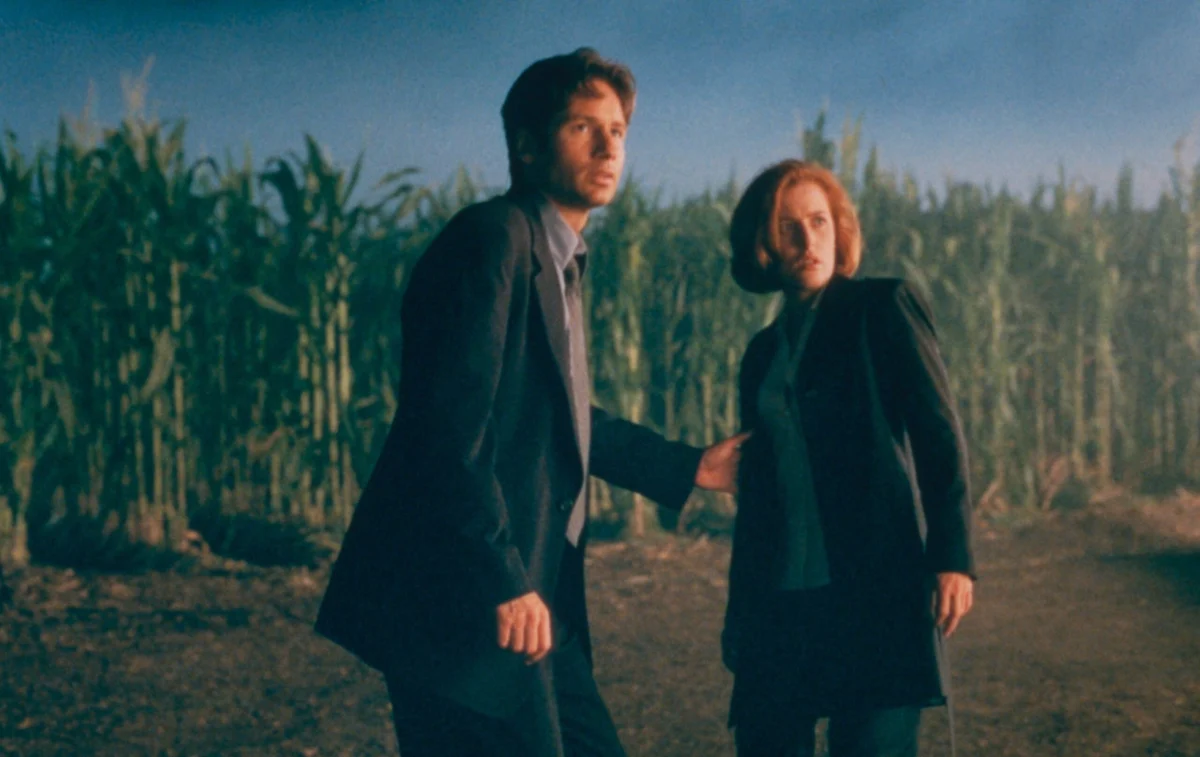
For more than three decades, The X-Files has held a revered place in television history as a masterclass in atmospheric storytelling, sci-fi world-building, and psychological suspense. Created by Chris Carter and starring David Duchovny and Gillian Anderson as FBI Special Agents Fox Mulder and Dana Scully, the iconic series fundamentally shaped modern genre television.
Generally speaking, the architecture of The X-Files relies on a binary dynamic. On one side are the serialized "Mythology" episodes—dense, sprawling narratives concerning extraterrestrial colonization, secret government syndicates, and a massive global conspiracy. These episodes typically claimed top billing at the start and end of each television season.
On the other side stand the procedural "Monster of the Week" episodes. In these standalone installments, Mulder and Scully investigate strange anomalies, local legends, and biological oddities entirely detached from the alien arc. While mythology episodes captured headlines, the vast majority of The X-Files—roughly 75 percent or more of its total 218-episode run—consisted of these independent monster stories.
Over nine original seasons and subsequent revivals, the term "monster" was interpreted broadly by the writers’ room. It could encompass shapeshifters, mutants, genetic aberrations, or superpowered humans. Yet, despite the hundreds of eerie entities introduced across the series, one specific creature continues to tower above the rest: the infamous Flukeman, introduced in a chilling season 2 episode titled "The Host."
Main Facts: The Anatomy of a Television Legend
Aired during the early stretch of season 2, "The Host" is widely remembered for introducing a creature that defied conventional horror tropes. The narrative finds the X-Files division temporarily shut down as punishment from FBI leadership. Agent Mulder, relegated to investigating mundane or dead-end cases, is dispatched to Newark, New Jersey, to look into a waterlogged body discovered in a sewer system. Convinced the assignment is a bureaucratic dead-end designed to break his resolve, Mulder soon realizes the gruesome discovery is an authentic X-File.

During the ensuing autopsy, Dr. Dana Scully discovers a parasitic flukeworm nestled inside the victim’s liver. Shortly thereafter, a local sanitation worker is violently attacked deep within the subterranean labyrinth of the city’s sewer network. Though the worker initially suspects a large python, the massive, distinct bite mark left on his back matches the mouth of a flukeworm—scaled up to horrifying, human proportions.
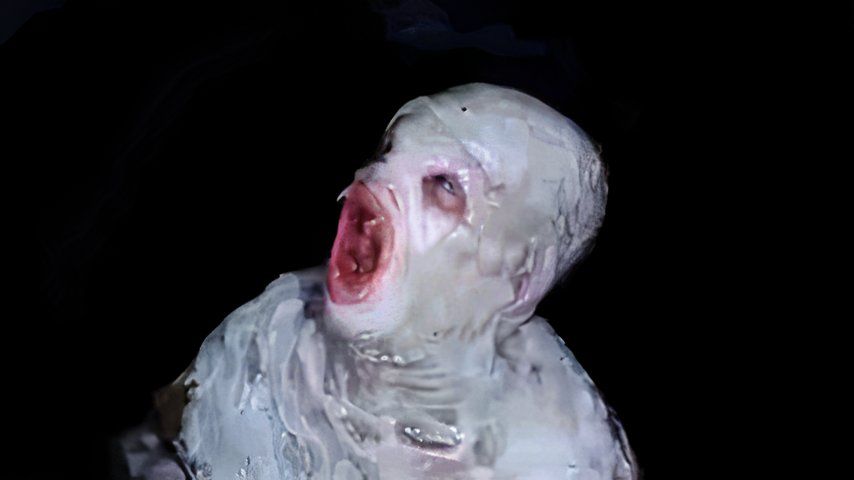
After the injured worker succumbs to his injuries, plant operators at a local sewage treatment facility accidentally capture a bizarre, humanoid entity. Standing roughly the size of a man, the creature features pale, damp skin, an eyeless visage, and the unmistakable, circular, tooth-lined mouth of a giant fluke. This entity—instantly dubbed the "Flukeman"—sparks a desperate hunt as it attempts to evade capture and propagate its species within the municipal water supply.
Despite appearing in only a single episode of the entire series, the Flukeman captured the public imagination in a way few television monsters ever managed. Its striking visual design, blending classic creature-feature aesthetics with Cronenbergian body horror, cemented its status as a pop culture milestone.
Chronology: From Newark Sewers to Cult Status
To understand the cultural trajectory of the Flukeman, it is necessary to examine how the character was conceived, produced, and integrated into the enduring legacy of The X-Files.
- September 1994 ("The Host" Airdate): Season 2 of The X-Files premieres to rapidly growing audiences. Episode 2, written by series creator Chris Carter and directed by Winrich Kolbe, introduces the Flukeman to television screens, capitalizing on the rising momentum of the show’s breakout sophomore year.
- Late 1990s (Syndication Boom): As The X-Files syndication expands globally, "The Host" frequently lands on critics’ and fans’ lists of best monster-of-the-week episodes, with the Flukeman frequently cited alongside other standout villains like Eugene Victor Tooms.
- 2000s–2010s (Merchandising Evolution): Despite its brief screen time, the Flukeman gradually transitions from a television villain into an unofficial mascot for the series’ standalone format, appearing in select collectible formats and fan-driven retrospectives.
- 2026 (Modern Commemoration & Lego Debut): Decades after its single television appearance, the Flukeman is officially immortalized in brick form, featured as the sole creature inclusion alongside human leads and aliens in an official Lego X-Files set.
Supporting Data: What Made the Flukeman Work?
The enduring success of the Flukeman was not a matter of luck; it was the result of deliberate artistic choices, practical effects mastery, and timely thematic subtext.

1. Revolutionary Practical Effects
In an era before high-definition CGI dominated television production, the Flukeman was brought to life through groundbreaking practical creature effects. Actor Darin Morgan—who would later become one of the show’s most celebrated comedy-horror writers—famously donned the heavy, claustrophobic latex suit. The texture of the damp, gray-white skin, combined with the grotesque mechanics of the circular sucking mouth, gave the monster a tactile realism that computer-generated effects of the mid-1990s simply could not replicate.
2. Timely Real-World Subtext
Chris Carter’s script cleverly grounded the science-fiction horror in real-world anxieties. Within the episode’s lore, the Flukeman is suggested to be a mutated byproduct of the Chernobyl nuclear disaster in Ukraine, which had occurred less than a decade prior to the episode’s broadcast. By tying a supernatural/biological monster to a very real, devastating historical catastrophe, the episode gained an unsettling layer of plausibility.
3. Structural Accessibility
Because "The Host" aired during a period when The X-Files was rapidly exploding in cultural popularity, standalone episodes served as welcoming entry points for new viewers. Audiences did not need to untangle years of complex mythology regarding alien abductions and black oil to appreciate the terrifying stakes of a mutant parasite hunting humans in the dark.
Official Responses and Creator Insights
Over the years, the creative team behind The X-Files has frequently expressed surprise and amusement at the longevity of the Flukeman. Chris Carter has noted in retrospective interviews that while the writers aimed to deliver compelling, scary stories on a weekly television schedule, certain characters simply struck a nerve with the viewing audience.
Darin Morgan, reflecting on his time inside the rubber suit, has often recounted the physical toll of portraying the creature, braving freezing water and heavy latex for the sake of television history. Meanwhile, network executives at Fox initially viewed the monster-of-the-week format as a necessary breather between major mythology chapters, failing to anticipate that standalone creatures would ultimately outshine the overarching conspiracy in the hearts of die-hard fans.
Implications: The Flukeman’s Place in Modern Pop Culture
The legacy of the Flukeman extends far beyond the bounds of a single 1994 television episode. It serves as a fascinating case study in how merchandising, fandom nostalgia, and iconic character design can elevate a minor antagonist to legendary status.
While The X-Files featured numerous unforgettable horrors—from the liver-stealing serial killer Eugene Victor Tooms to the deeply unsettling, inbred Peacock family from the banned-and-unbanned episode "Home"—none managed to capture the universal recognition of the Flukeman. Outside of Mulder, Scully, and the traditional grey alien archetype, the Flukeman remains the character most frequently selected for official merchandise and licensing agreements.
This phenomenon was highlighted recently when Lego released its long-awaited official The X-Files building set. Alongside miniature figures of Mulder, Scully, Skinner, and an alien, the sole non-human creature chosen for the collector’s set was none of the series’ complex conspiracy masterminds, but the Flukeman itself.
Ultimately, the Flukeman stands as a testament to the golden age of 1990s television horror. It proves that with imaginative writing, committed practical performance, and striking visual design, a monster doesn’t need a multi-season arc to leave a permanent mark on television history. Decades after crawling out of the New Jersey sewers, the Flukeman remains lurking in the cultural consciousness—a slimy, unforgettable reminder of why we want to believe.
 Lina Irawan
 Basiran
