

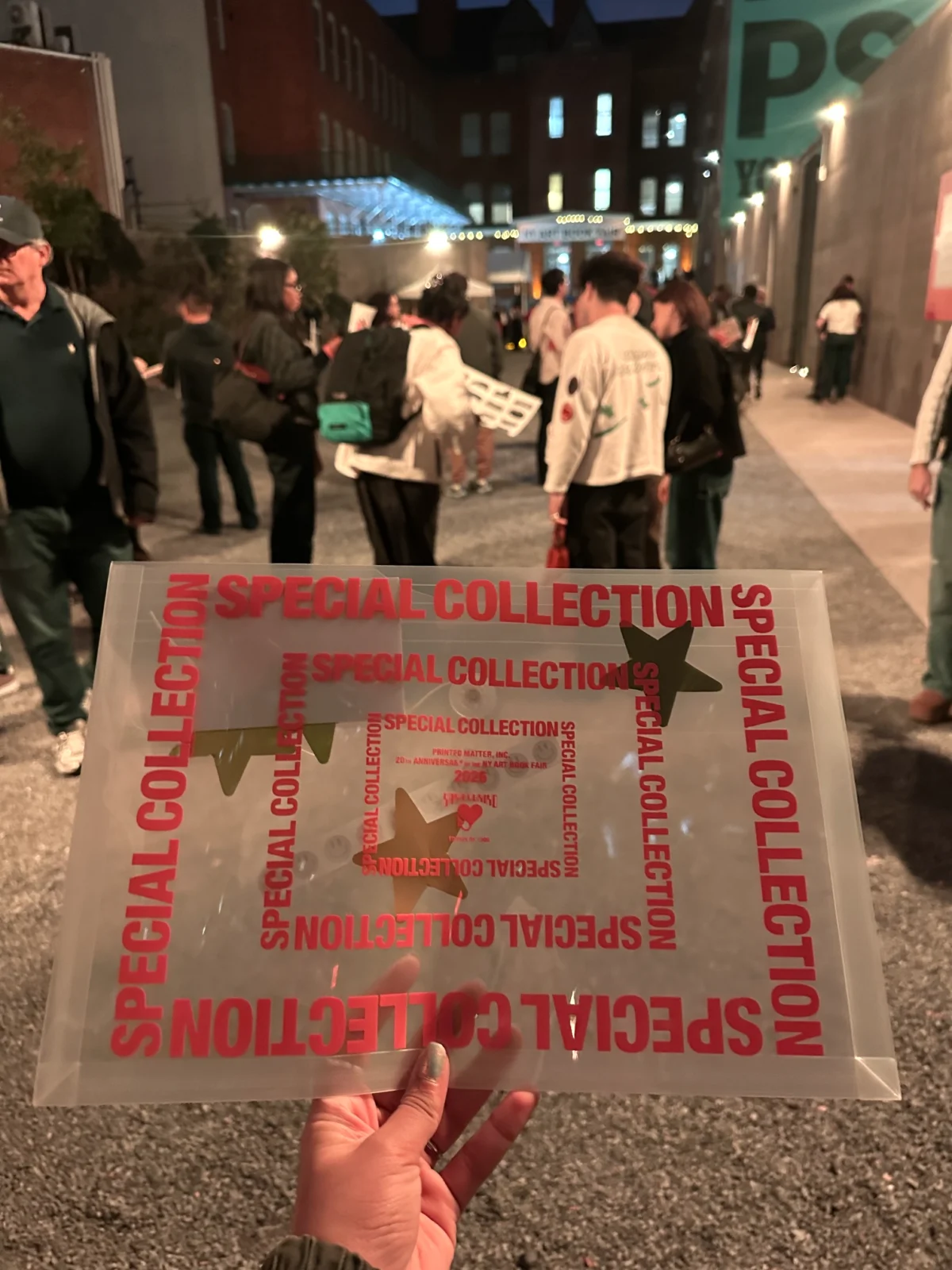
QUEENS, N.Y. — If the iconic opening sequence of Reading Rainbow—specifically the Y2K-techno-optimistic Chaka Khan rendition—could be translated into a physical geography, it would undoubtedly manifest as the outdoor zine tent at the New York Art Book Fair (NYABF).
Organized annually by Printed Matter, the fair defies predictability, functioning as a sprawling, chimeric bookstore that feels aggressively, wonderfully alive. For its milestone 20th-anniversary edition, hosted across the labyrinthine halls and courtyard of MoMA PS1, more than 300 international exhibitors converged on Queens. The result is a multi-day celebration where marginalia takes center stage, and the traditionally overlooked, subversive, and playful currents of grassroots politics and queer culture flow unhindered.
Main Facts: A Milestone Celebration of Independent Publishing
Entering the fair’s opening night, attendees were immediately handed a nostalgic artifact of youth culture: plastic string-closure folders stamped with lenticular Tweety Bird prints. Designed to safely store the deluge of zines, flyers, broadsheets, and uncategorizable art objects accumulated inside, the folders set a tone that blended millennial pop-culture touchstones with fierce intellectual and political engagement.
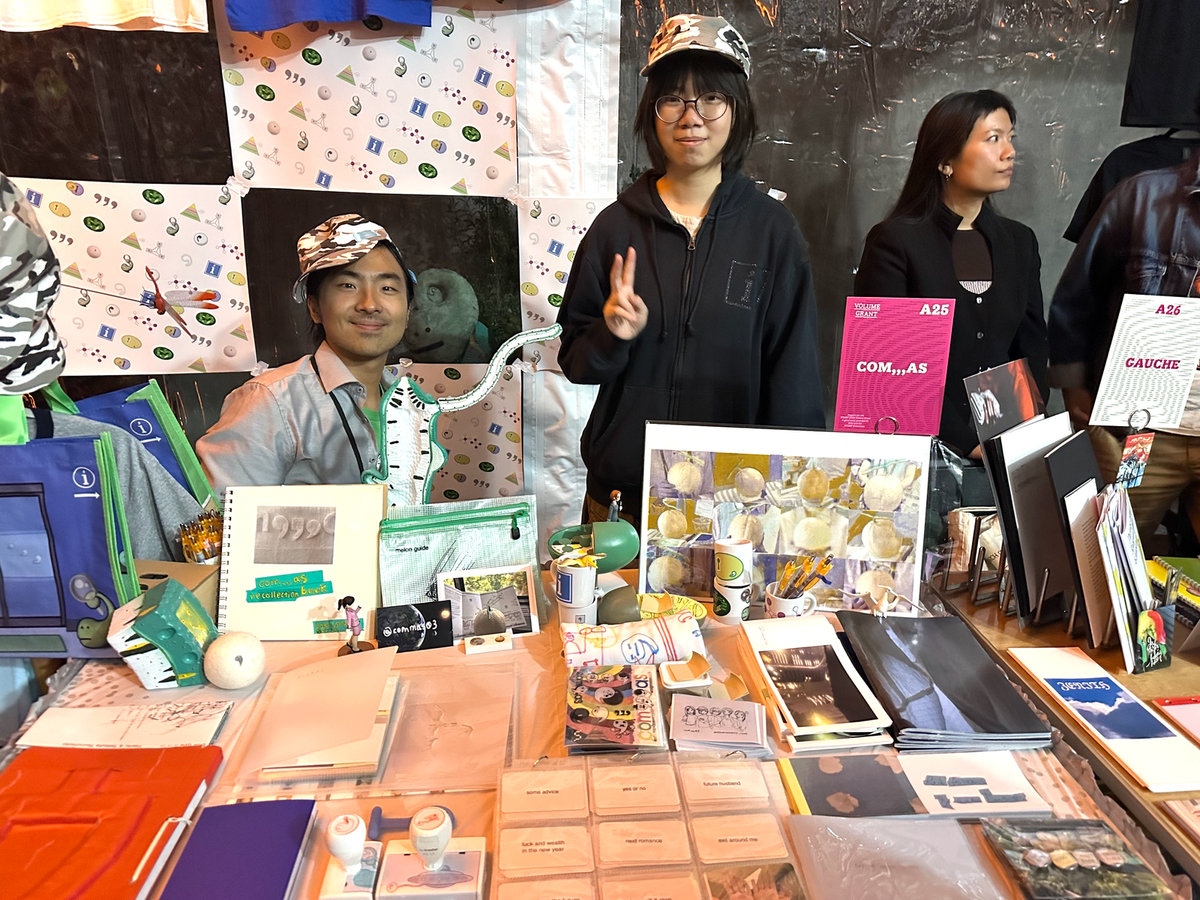
Just across from artist Precious Okoyomon’s living, breathing sculpture in the museum’s courtyard, the bustling zine tent emerged as a pocket-sized universe. Here, independent publishers, DIY artists, and radical archivists demonstrated why printed matter remains a vital, tactile antidote to an increasingly digitized and sanitized cultural landscape.
The 20th edition marks two decades of evolution for the fair, which has grown from a modest gathering of local creators into the premier international showcase for contemporary art publishing. This year’s exhibitors span dozens of countries, representing a diverse ecosystem of risograph print shops, queer collectives, political pamphlets, and avant-garde monographs that refuse to pander to mainstream commercial distribution models.
Chronology: Two Decades of Radical Print Culture
To understand the significance of the 20th anniversary of the New York Art Book Fair, one must trace the trajectory of independent publishing and institutional curation over the last twenty years:
- The Mid-2000s Origins: Printed Matter established the fair as a localized intervention to support artists’ books and independent presses that lacked representation in traditional commercial galleries and mega-bookstores.
- The MoMA PS1 Era: Moving the fair to MoMA PS1 provided a institutional yet historically experimental backdrop, allowing the event to scale dramatically while retaining its gritty, grassroots ethos.
- The Digital Shift (2010s): As online platforms began to dominate media consumption, the fair experienced a counter-movement. Rather than fading, print culture surged, with zines and risograph printing becoming preferred mediums for underground and marginalized communities seeking autonomy from corporate algorithms.
- Pandemic and Post-Pandemic Resilience: Facing disruptions in the early 2020s, the fair adapted, highlighting decentralized networks of mutual aid, virtual-to-physical distribution, and heightened political urgency.
- The 20th Anniversary (Present): Today’s edition at MoMA PS1 stands as a mature yet radically subversive institution. It bridges generational divides, honoring early pioneers of zine culture while making space for a new wave of digital-native creators who utilize print as a physical manifesto.
Supporting Data and Exhibitor Highlights: Art as Solidarity
The heartbeat of the fair has always lived in its collective booths and activist tables, where publishing intersects directly with real-world survival and geopolitical resistance.
A prime example at this year’s milestone event was the presence of art workers Jenna Hamed, Aya Krisht, and Rhonda Khalifeh, representing the Book Arts Solidarity Network. Positioned near the entrance, the collective handed out flyers for a post-fair publishers’ meet-up—a deliberate effort to foster community and coalition-building beyond the physical and ideological walls of the museum.
The Book Arts Solidarity Network originally formed as a direct response to cultural institutions’ deafening silence regarding the genocide in Palestine. At NYABF, the collective launched the third annual edition of their publication, MAKEREADY.
For this risograph-printed booklet, the organizers gathered paintings, photographs, and written reflections from four distinct artists currently living in Gaza and South Lebanon. Remarkably, the creators did not coordinate their contributions beforehand, yet a singular visual and emotional thread tied the works together: the recurring presence of the color yellow.
Speaking about the grueling yet vital process of assembling the publication, Hamed described it as "cathartic." It served as a necessary mechanism to process an era defined by bald imperialism, displacement, and systemic dispossession by actively centering the perspectives of the artists bearing witness to it.
"It really came out of skill," Hamed noted, reflecting on the network’s resilience and its sophisticated capacity to coordinate cross-border artistic collaborations under extreme duress. "We know what we’re doing."
Official Responses and Institutional Perspectives
While the fair operates with a DIY spirit, its relationship with MoMA PS1 represents a fascinating intersection between underground counter-culture and institutional patronage. Over the past two decades, museum leadership has recognized the fair not merely as a rental event, but as a crucial cultural barometer.
Printed Matter’s leadership has consistently emphasized that the fair’s longevity relies on its refusal to compromise its core mission. By maintaining accessible table fees for smaller publishers and prioritizing international voices from the Global South and marginalized diasporas, the organizers ensure that the marketplace remains reflective of global art-world dissent.
Cultural critics and institutional observers have noted that while mega-art fairs often prioritize speculative financial markets and luxury branding, NYABF remains an anomaly: a commercial space where the currency traded is ideas, solidarity, and ephemeral print objects that often cost less than a cup of coffee.
Implications: The Future of Print in a Fractured World
The success and vibrancy of the 20th anniversary of the New York Art Book Fair carry profound implications for the broader cultural landscape:
- The Persistence of the Tactile: In an era dominated by algorithmic feeds, paywalls, and ephemeral digital content, the massive turnout at MoMA PS1 proves there is an insatiable human hunger for physical, touchable objects that cannot be easily deleted, censored, or monetized by tech monopolies.
- Publishing as Direct Action: The prominence of groups like the Book Arts Solidarity Network demonstrates that independent publishing is evolving past traditional aesthetics into an explicit form of political resistance and mutual aid. Books and zines are increasingly deployed as tactical media to bypass media blackouts and document history from the ground up.
- Queer and Subversive Archives: By providing a physical forum where queer culture, marginalia, and anti-imperialist narratives occupy center stage, the fair acts as a living archive. It safeguards histories that might otherwise be erased by political reactionary movements or institutional neglect.
As the weekend winds down in Queens, the plastic Tweety Bird folders will be packed away, but the zines, broadsheets, and manifestos collected inside will disperse into apartments, libraries, and street corners across the globe. For twenty years, the New York Art Book Fair has proven that when people are handed the tools to print their own truths, they will create worlds that no institution can contain.
 Iffa Jayyana
 Muslim
