

By the Hyperallergic Editorial Desk
Published in partnership with cultural reporting initiatives
Introduction: The Unseen Economics of the Creative Life
From David Hockney’s devoted dachshunds, Stanley and Boodgie, to Frida Kahlo’s legendary menagerie of spider monkeys, parrots, and hairless Xoloitzcuintli dogs, the history of art is deeply intertwined with the animal kingdom. Throughout the centuries, artists have formed profound, symbiotic relationships with their animal companions. These creatures provide unconditional emotional support, serve as muses for portraiture, and offer a grounding presence in lives otherwise dominated by the unpredictable volatility of the creative market.
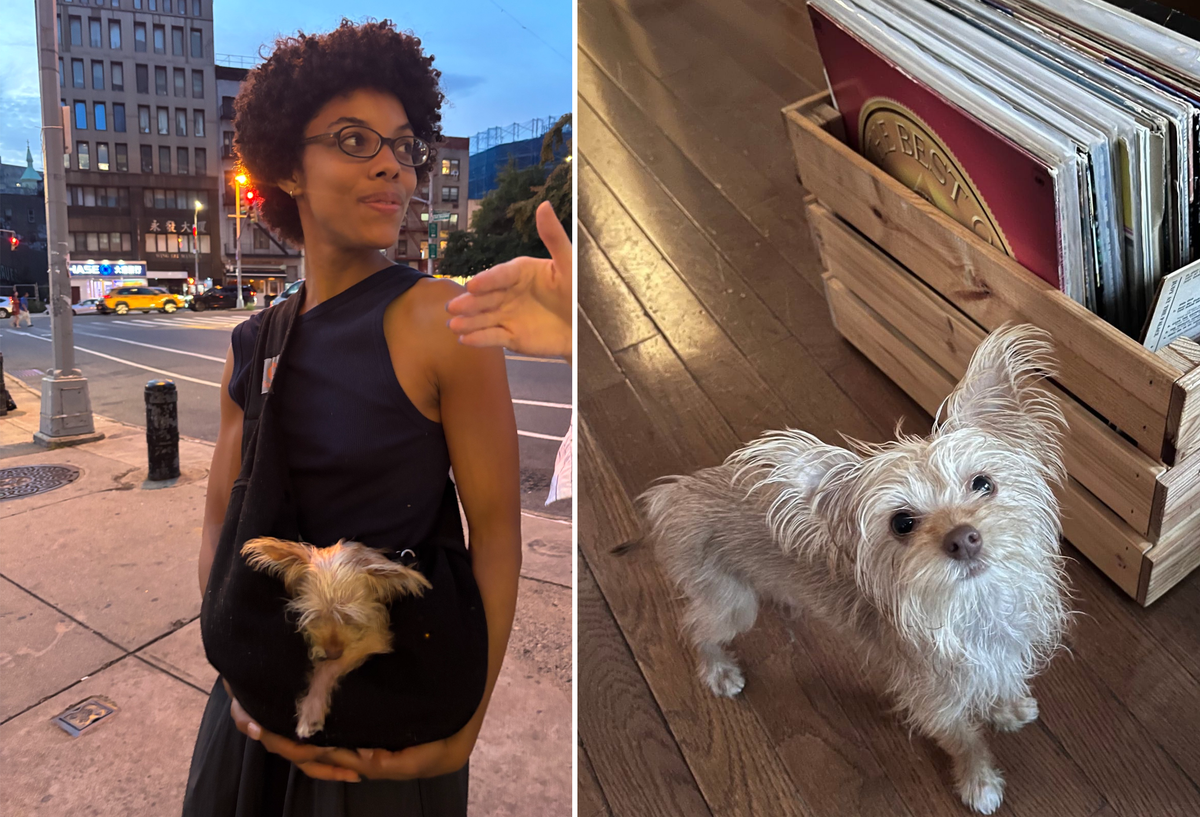
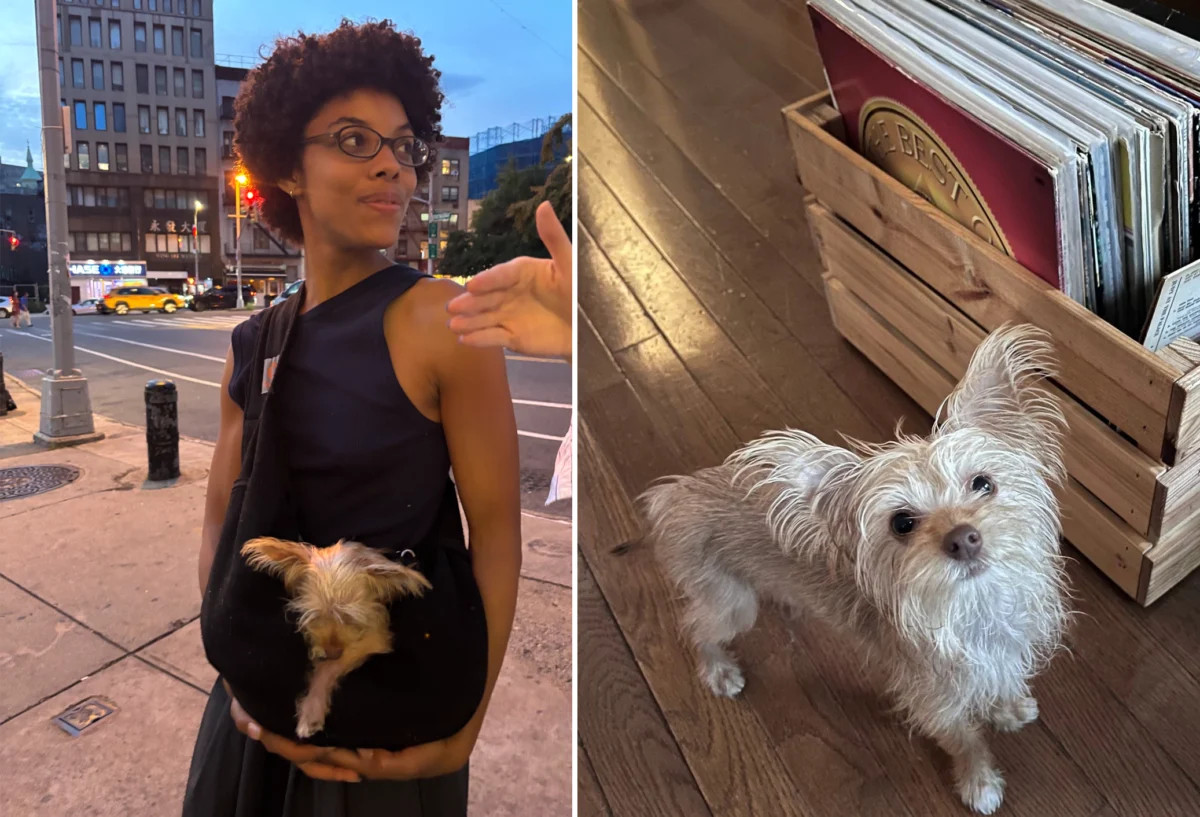
Yet, beneath this romanticized tradition lies an increasingly grim modern reality. Today, many artists and cultural workers who care for animal companions find themselves facing an impossible choice: pay skyrocketing veterinary bills or compromise their own basic financial survival.
In a poignant and deeply reported investigative feature for Hyperallergic, Staff Writer Rhea Nayyar turns the lens away from the gallery walls and onto the home lives of creators, examining the prohibitive cost of keeping pets healthy. As private equity firms increasingly swallow up independent veterinary practices, and as the gig-economy grind leaves creative professionals living paycheck to paycheck, the question must be asked: How are artists managing to care for the creatures that care for them?

Beyond the pressing economic realities of pet ownership, the contemporary art world continues to expand its boundaries. From sustainable, biodegradable materials mitigating the climate crisis to massive public art installations at the Brooklyn Army Terminal and Roman historical sites, creators are rethinking traditional spaces. This roundup explores the intersection of economic survival, ecological responsibility, and major cultural milestones shaping the art world today.
Main Facts: The Financial Squeeze on Artist-Pet Parents
The economic vulnerability of artists is a well-documented phenomenon marked by sporadic sales, lack of healthcare benefits, high studio rents, and systemic undercompensation. However, the financial burden of veterinary care introduces a volatile, high-stakes variable into an already precarious budget.
- The Vet Care Crisis: Driven in large part by corporate consolidation—with private equity firms buying up independent veterinary clinics and driving up prices—routine and emergency pet care has become a luxury item. Simple procedures, such as dental extractions or diagnostic blood panels, routinely clear the thousand-dollar mark.
- The "Check-to-Check" Treadmill: For many visual artists, a single major artwork sale might cover a month of apartment rent, studio overhead, and a fraction of mounting credit card debt. However, a sudden pet health emergency—such as a senior dog requiring unexpected surgery—can instantly plunge an artist back into severe debt.
- The Emotional Toll: Beyond the monetary figures lies an emotional tax. Creators report acute anxiety, guilt, and grief over rationing veterinary care, delaying necessary treatments, or being forced to make agonizing decisions regarding the quality of life of their pets due to financial constraints.
Chronology: The Evolution of Animal Companionship in Art vs. Modern Realities
To understand the weight of the current crisis, it is helpful to trace how the relationship between artists and animals has transformed over time, alongside the structural shifts in the economy that have led to today’s veterinary landscape.
- Pre-20th Century — The Muse and the Menagerie: Historically, animal companions in art were symbols of domesticity, status, or philosophical reflection. Wealthier artists could easily afford to maintain animals, while working-class artists integrated working animals or strays into their daily survival.
- Late 20th Century — The Rise of Urban Creatives: As artists gravitated toward high-cost urban centers like New York, London, and Berlin, keeping pets became an act of domestic grounding amidst gentrifying neighborhoods and shrinking living spaces. Vet care remained relatively localized and community-oriented.
- Early 2000s to 2010s — Corporate Consolidation Begins: Independent veterinary clinics begin selling out to large corporate conglomerates and private equity roll-up strategies. The cost of veterinary pharmaceuticals, diagnostic imaging, and emergency overnight stays begins to outpace standard inflation.
- Present Day — The Breaking Point: Post-pandemic economic pressures collide with hyper-inflated urban rents and corporate veterinary monopolies. Artists face an unprecedented crisis, forcing cultural journalists like Rhea Nayyar to document the systemic neglect of pet-owning creative workers.
Supporting Data: Understanding the Veterinary Cost-of-Living Crunch
While comprehensive data specifically tracking artists’ pet expenditures is difficult to isolate, broader economic indicators paint a clear picture of why cultural workers are struggling:
- Veterinary Inflation: According to Bureau of Labor Statistics (BLS) data and industry analyses, veterinary services inflation has consistently outpaced general consumer price inflation over the last decade, driven largely by corporate acquisitions of animal hospitals.
- The Income Gap: The average income for independent visual artists in major metropolitan areas frequently falls below the median living wage, leaving little to no disposable income for emergency pet insurance premiums—which themselves have risen sharply based on the animal’s age and breed.
- The Multiplier Effect: Many cultural workers do not live alone; they share studio spaces or apartments with multiple rescues, fostering animals, or aging pets with chronic conditions, multiplying out-of-pocket medical expenses exponentially.
Official Responses and Industry Perspectives
As the cost-of-living crisis deepens within the creative sector, community-led initiatives, advocacy groups, and cultural workers are beginning to speak out and organize mutual aid networks.
- The Cultural Worker Perspective: Artists interviewed in Hyperallergic‘s reporting emphasize that pets are not mere accessories or luxury items; they are essential emotional lifelines that protect against the profound isolation inherent in studio practices. "When you spend ten hours a day alone making art, your animal is your primary colleague, your confidant, and your emotional safety net," notes one Brooklyn-based painter.
- Grassroots Mutual Aid: In response to corporate veterinary pricing, artists have increasingly turned to mutual aid networks, crowdfunding campaigns (such as GoFundMe for emergency vet bills), and community-led pet food pantries. However, advocates point out that crowdfunding is a band-aid solution to a systemic economic failure.
- Nonprofit and Foundation Silence: Historically, arts foundations and philanthropic grants focus exclusively on studio production, exhibition funding, or living stipends. There remains a significant gap in emergency safety nets that account for the dependents—human or animal—of cultural workers.
Implications: What the Pet Care Crisis Means for the Future of the Arts
The intersection of soaring veterinary costs and artist precarity carries deep implications for the broader cultural ecosystem:
- Class Barriers to Pet Ownership: If current economic trends continue, companion animals may become a luxury accessible only to those with generational wealth or stable, high-paying corporate jobs. This effectively prices lower-income artists out of an experience that has historically sustained creative mental health.
- Mental Health Ramifications: The psychological weight of financial distress combined with pet illness exacerbates the burnout and anxiety already rampant among cultural workers. The inability to afford proper care for a dying or sick pet can lead to profound, prolonged grief and creative paralysis.
- Re-evaluating Support Systems: Arts organizations, unions, and advocacy groups must begin to view pet care not as a frivolous personal expense, but as a core component of overall worker wellness. Expanding healthcare stipends to cover household dependents—including animal companions—could serve as a radical step toward true equity in the arts.
Beyond the Studio: Other Cultural Highlights of the Week
While the economic realities of daily life weigh heavily on creators, the art world continues to produce groundbreaking exhibitions, ecological innovations, and public installations.
1. Biodegradable Materials and Climate-Friendly Art
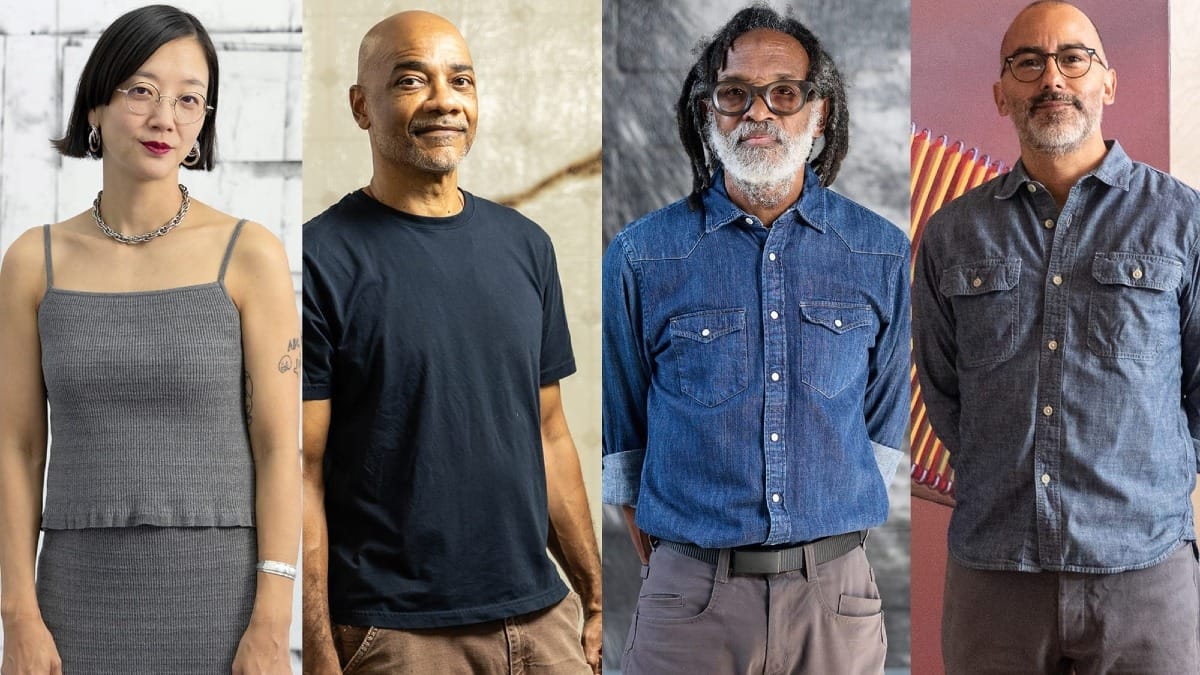
Moving art beyond traditional, resource-heavy gallery spaces, Izzy DeSantis recently spotlighted four innovative artists who are actively experimenting with biodegradable, climate-friendly art materials. As the contemporary art world reckons with its massive carbon footprint—from shipping heavy sculptures to utilizing toxic resins—these creators are pioneering a sustainable path forward using organic matter, mycelium, and compostable compounds.
2. Jean Shin’s "Tidal Crossing" at the Brooklyn Army Terminal
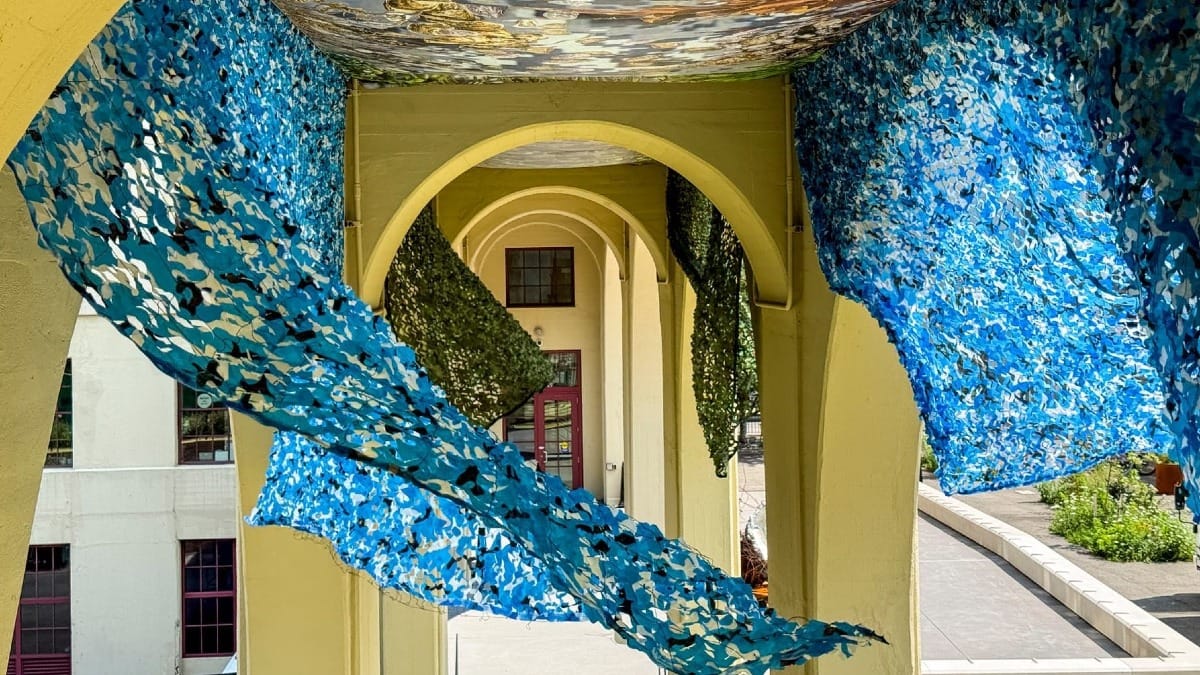
Staff Writer Anna Lee recently reported on Tidal Crossing, a major new expansive installation by renowned artist Jean Shin. Taking over the historic industrial spaces of the Brooklyn Army Terminal, Shin’s work explores themes of migration, labor, and anti-war camouflage, transforming an iconic maritime and military site into a theater of reflection.
3. Public Art Festivals and Historic Mosaics
- Floyd Bennett Field! Public Arts Festival: The Jamaica Bay-Rockaway Parks Conservancy has gathered 21 artists—including prominent names like Derrick Adams, Randy Polumbo, and Wills Glasspiegel—to project newly commissioned works onto historic aircraft hangars in Brooklyn.
- Ancient Discoveries in Rome: In Rome, cultural writer Anthony Majanlahti recently visited a breathtaking, lesser-known mosaic nestled beneath the Baths of Trajan, offering a rare glimpse into the layered archaeological history of the ancient city.
- Fashion Meets Fantasy: The Fashion Institute of Technology (FIT) has launched Doll Dressing, an expansive exhibition featuring more than 170 objects that trace the complex cultural dialogue and mutual influence between haute couture and dolls from the 18th century to the present day.
Conclusion
The life of a cultural worker has never been easy, but the convergence of corporate consolidation in the veterinary sector and systemic economic precarity has created an acute crisis for artist-pet parents. As Rhea Nayyar’s vital reporting demonstrates, caring for our animal companions is an act of profound love, but under late-stage capitalism, it has also become an economic tightrope walk.
Until structural changes—such as subsidized veterinary care, artist-focused mutual aid funds, and more robust living stipends—take root, artists will continue to make heroic sacrifices to protect their furry muses. In doing so, they remind us that the heart of art is not found solely in white-cube galleries or auction houses, but in the raw, irreducible bonds of care that sustain us through the dark.
 Iffa Jayyana
 Muslim
 Dwi Wanna
