

In the ever-evolving landscape of dermatology and beauty, trends often emerge with the velocity of a viral social media post, only to fade just as quickly. However, every few years, a specific ingredient transcends the "fads" to earn a permanent spot in the medicine cabinets of skincare enthusiasts and clinical professionals alike. The latest powerhouse ingredient to dominate the conversation? Copper peptides.
Often instantly recognizable by their distinct, vibrant blue hue, copper peptide serums have become a staple on TikTok’s "FYP" and a frequent recommendation among board-certified dermatologists. But what is the science behind this aesthetic phenomenon, and is it a legitimate solution for long-term skin health or merely clever marketing?
Understanding the Science: What Are Copper Peptides?
To grasp the appeal of copper peptides, one must first look at the fundamental architecture of our skin. Peptides are essentially short chains of amino acids that serve as the building blocks of proteins like collagen and elastin—the structural scaffolding that keeps skin firm and supple.
"While standard peptides act as signaling molecules—essentially sending ‘text messages’ to your skin cells to perform specific tasks—copper peptides are in a league of their own," explains board-certified dermatologist Dr. Muneeb Shah. "They are amino acid chains bound to copper ions, which allows them to deliver this essential trace mineral directly into the skin."
Copper is a vital micronutrient involved in a multitude of biological processes, ranging from the synthesis of hemoglobin to the repair of connective tissues. When applied topically in a stabilized formulation, copper peptides perform three primary functions:
- Stimulation: They encourage the production of collagen and elastin, combatting the natural loss of these proteins that occurs with age.
- Antioxidant Defense: They neutralize free radicals, protecting the skin from environmental damage such as UV radiation and pollution.
- Healing: They accelerate the skin’s natural wound-healing response, making them an excellent choice for compromised barriers.
The Chronology of the Trend: From Lab to Luxury
The journey of copper peptides from niche medical research to mainstream beauty counters has been a slow, steady climb.
- 1970s–1980s (The Discovery): Researchers, most notably Dr. Loren Pickart, identified the GHK-Cu (glycyl-L-histidyl-lysine) peptide complex. Early studies focused on the molecule’s remarkable ability to accelerate the healing of wounds and skin ulcers.
- 1990s–2000s (The Clinical Adoption): Dermatologists began experimenting with copper peptides for post-procedural recovery. The ingredient was praised for its ability to soothe skin after aggressive treatments like chemical peels or laser resurfacing.
- 2015–2020 (The Rise of "Science-First" Beauty): As the skincare market shifted toward ingredient-focused transparency (the "The Ordinary" effect), consumers began demanding active ingredients backed by peer-reviewed studies rather than vague, aspirational marketing.
- 2023–Present (The Viral Explosion): With the rise of short-form video education, influencers and dermatologists began highlighting the "Blue Serum" trend. The ability of copper peptides to offer anti-aging benefits without the typical irritation associated with retinoids solidified their status as a "must-have" for sensitive skin.
Supporting Data: Why They Outperform the Competition
One of the most frequent questions patients ask Dr. Shah is, "Why should I use this instead of a retinol?" The answer lies in the skin’s tolerance threshold.
"Retinoids are the gold standard for anti-aging, but they come with a ‘retinization’ period characterized by peeling, redness, and sensitivity," says Dr. Shah. "Copper peptides offer a gentler alternative. They provide significant results in improving fine lines, skin texture, and overall resilience without the same risk of barrier irritation."
The data supports this efficacy. Studies have shown that copper peptides can help thicken the skin—which naturally thins as we age—and improve skin elasticity. Furthermore, because copper peptides actively support the skin’s moisture barrier, they are particularly effective for those who have over-exfoliated or damaged their skin through the misuse of harsh active acids.

Expert Consensus and Professional Recommendations
The consensus among dermatological experts is that while copper peptides are not a "miracle cure," they are a highly effective, low-risk tool for long-term skin maintenance. However, Dr. Shah warns that formulation is everything.
"Copper peptides are delicate. You want to look for brands that prioritize clinical stability over flashy marketing," he advises. "Because copper is a metal, it can interact with other ingredients. For instance, it’s generally recommended to avoid using copper peptides at the exact same time as strong acids (like Vitamin C or AHA/BHAs) to prevent the ingredients from neutralizing each other or causing potential skin sensitivity."
Key Features to Look For:
- Formulation Stability: Look for opaque or UV-protected packaging.
- Concentration: Clinical efficacy typically begins at low concentrations; higher is not always better and can sometimes lead to irritation.
- Supporting Ingredients: Look for formulas that include hyaluronic acid or ceramides to boost the peptide’s hydrating effects.
Implications: The Future of Anti-Aging
As we move toward a future where "pro-aging" and "skin longevity" replace the industry’s historical obsession with "anti-aging," ingredients like copper peptides represent a shift in philosophy. Instead of "blasting" the skin with harsh chemicals, the trend is moving toward supporting the skin’s natural repair mechanisms.
The implications for the consumer are clear: the future of your skincare routine is not about finding one single product that does everything, but rather building a "cocktail" of ingredients that work in harmony. Copper peptides provide the structural support, while antioxidants provide the defense, and hydrators provide the longevity.
A Curated Selection of Industry-Leading Serums
For those looking to integrate this powerhouse ingredient into their routine, here are several options that have gained traction for their clinical approach and user satisfaction:
- The Ordinary Multi-Peptide + Copper Peptides 1%: A perennial favorite, this serum is celebrated for its accessible price point and comprehensive formula that targets multiple signs of aging simultaneously.
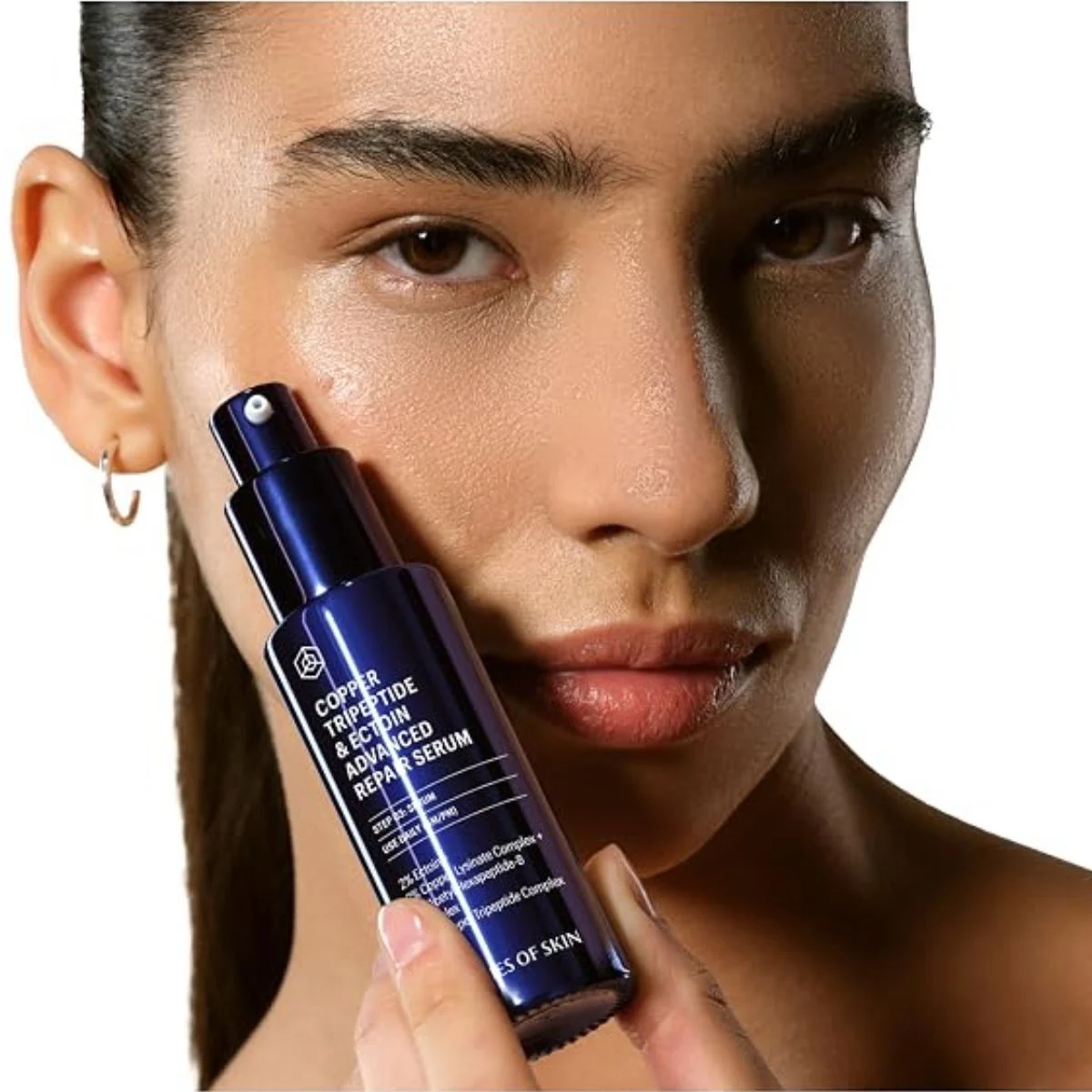
- Allies of Skin Copper Tripeptide & Ectoin Advanced Repair Serum: A high-end choice that combines copper with Ectoin to provide both long-term repair and immediate soothing effects.
- Biossance Copper Peptide (GHK-Cu) Rapid Plumping & Hydrating Serum: Ideal for those looking for an instant "plumped" look, this formula pairs copper with sugarcane-derived squalane.
- COSRX The Blue Copper Peptide Bakuchiol Serum: A brilliant hybrid option for those who want the gentle firming of copper alongside the skin-smoothing benefits of plant-based bakuchiol.
- Naturium Multi-Peptide Serum: This formula utilizes encapsulated technology, which can help ensure the ingredients reach the target areas of the skin before breaking down.
- INNBEAUTY PROJECT Elastic Skin Firming & Plumping Vegan Growth Factor Serum: A standout for its "bio-hacked" approach, utilizing 6% copper and vegan growth factors to mimic the skin’s natural healing pathways.
- Abib Copper Peptide Serum: A minimalist, high-potency option from the Korean market that focuses on maximum absorption and reduced potential for irritation.
- Dr. Reju-All Advanced PDRN Copper Peptide Serum: A unique blend of copper and PDRN (Polydeoxyribonucleotide), a popular Korean skincare ingredient known for cellular repair.
Final Verdict: Is It Worth the Hype?
The verdict from both the laboratory and the clinic is a resounding "yes." Unlike many passing beauty trends that rely on novelty, copper peptides are grounded in legitimate dermatological research regarding wound healing and protein synthesis.
For the individual who is starting to notice the subtle signs of aging—fine lines, a slight loss of bounce, or a compromised barrier—copper peptides represent a safe, effective, and scientifically backed addition to their daily regimen. By investing in the skin’s structural integrity rather than just covering up the symptoms of aging, users can enjoy a more resilient, healthier, and visibly younger-looking complexion for years to come.
Disclaimer: As with any new skincare product, it is recommended to perform a patch test before applying it to your entire face, especially if you have a history of sensitive skin or contact dermatitis.
 Nana Wu
 Raul Delapena Setiawan
 Layla Zulfa
