

Main Facts
For decades, the travel and hospitality industry has hyper-focused on romantic milestones. Couples receive exclusive marketing for honeymoons, anniversaries, and babymoons, complete with champagne toasts and secluded beach setups. Meanwhile, single individuals—particularly single women achieving monumental personal and professional goals—are largely left out of the celebratory travel narrative.
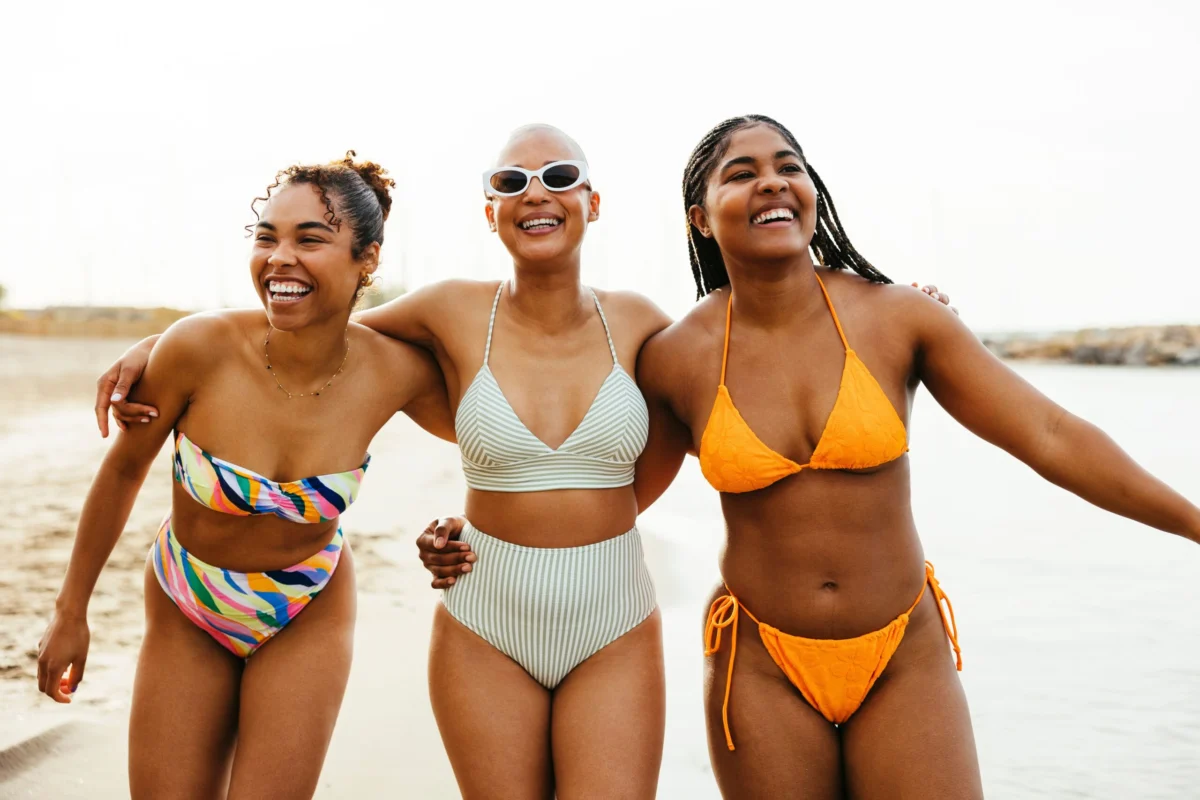
Enter the "we-moon," a newly coined cultural term for a vacation taken specifically by a group of single friends to celebrate a major life milestone that falls outside the traditional romantic timeline. Rather than waiting for a wedding, a bachelorette party, or a baby shower to justify a luxury getaway, women are taking matters into their own hands.
The concept gained widespread attention following a celebratory trip to the Four Seasons Resort and Residences Anguilla. The author, celebrating the publication of her debut book, gathered two close girlfriends for a tropical getaway. Surrounded by honeymooners and couples, the trio established a blueprint for celebrating individual success through collective sisterhood, proving that personal milestones deserve just as much fanfare as marital ones.
Chronology of a We-Moon: The Anguilla Blueprint
Planning a destination celebration centered around individual achievement requires a delicate balance of group bonding, personal reflection, and luxury relaxation. The journey to Anguilla illustrates how a successful we-moon unfolds from conception to execution:
Phase 1: Conceptualization and the "Ask"
The foundation of a we-moon begins with a mindset shift. Society often trains individuals—especially women—to downplay their own achievements unless they align with a nuclear family structure. The first chronological step is internal validation followed by a bold phone call: asking a circle of close friends to pack their bags to honor a non-traditional milestone. Whether it is a book deal, a master’s degree, a hard-earned promotion, or launching a new business, the trip is explicitly framed around honoring that achievement.
Phase 2: Arrival and Setting the Scene
Upon touching down in the Caribbean, the reality of vacationing in couple-centric spaces sets in. Speedboat rides to island resorts are often populated by duos, but a we-moon reclaims that space. Checking into a multi-room villa rental at the Four Seasons Resort and Residences Anguilla provides the immediate privacy of a personal home while retaining access to world-class hotel amenities.

Phase 3: Balancing the Itinerary
The itinerary is structured to prevent vacation burnout. Days blend structured activities—such as a group margarita-making class at the villa bar or an island-wide Jeep excursion to explore secluded beaches—with plenty of unstructured downtime. When a private poolside yoga session is offered, flexibility reigns: one friend opts to rest, while another takes advantage of a tailored one-on-one session focusing on personal pain points and mobility.
Phase 4: Evening Unwinding and Deep Connection
As day turns to dusk, the we-moon transitions into intimate reflection. Evenings are intentionally curated to foster vulnerability. By utilizing private spaces like the villa’s jacuzzi tub at sunset or gathering around a glowing fire pit with wine, the group creates a safe harbor for raw, unfiltered conversations about dating, career hurdles, and personal growth.
Supporting Data & Psychological Insights
To understand why traditional girls’ trips sometimes fall short of providing deep fulfillment—and why intentional milestone trips are surging in popularity—mental health experts point to the psychology of adult friendship and modern travel expectations.
The Shift in Modern Demographics
According to recent demographic trends, adults are marrying later, remaining single longer, and achieving financial and professional independence at unprecedented rates. Despite this shift, the multi-billion-dollar travel industry continues to prioritize couple-centric packaging. The demand for "friendship-centric luxury travel" is rising sharply as women seek spaces to validate their independent triumphs.
Expert Insights on Connection and Boundaries
To explore how to execute a destination celebration free of interpersonal friction, psychologist Joy Harden Bradford, PhD, author of Sisterhood Heals, emphasizes two critical pillars of group travel: physical autonomy and financial alignment.
- The Necessity of Separate Rooms:
While honeymoons encourage hyper-proximity, a successful we-moon requires solitude. Dr. Bradford advocates for private sleeping quarters whenever budget permits. "I think having a place where everybody can retreat and have alone time is really good if that is something that the group can do," she notes. This prevents social exhaustion, allowing early risers to read quietly on a balcony and late sleepers to enjoy uninterrupted room service. - Transparent Budgeting:
Financial friction is the number one killer of group trips. Dr. Bradford stresses the importance of pre-trip conversations regarding spending habits. Finding out mid-trip that one friend expects a budget-friendly hostel-hopping experience while another envisions five-star luxury creates unnecessary tension. Establishing financial expectations early ensures all participants feel comfortable and respected. - Shedding Vacation Expectations:
"There’s so much going on in our regular life that there’s a lot of expectations for what a vacation should be," Dr. Bradford explains. Because individuals often view a trip as their sole escape of the year, they load it down with unrealistic expectations. Acknowledging that not everyone has to participate in every single activity is vital for group harmony.
Cognitive Benefits of New Experiences
Incorporating novel activities—such as mastering cocktail mixology, learning pickleball, or trying local culinary arts—does more than just build memories. Neurological research indicates that acquiring new skills stimulates brain health and neuroplasticity. Within the context of a we-moon, trying something entirely new serves as a low-stakes social experiment where collective stumbling and shared laughter deepen bonds.

Official Responses & Industry Implications
The emergence of the we-moon signals a broader evolution within the global hospitality and tourism sectors. High-end resorts and boutique properties are beginning to take notice of shifting consumer habits.
- Hospitality Adaptation: Luxury properties like the Four Seasons are seeing an uptick in non-traditional group bookings—not just bachelorette parties, but milestone celebrations for solo flyers, divorce parties, and career-achievement retreats. Villa and residence rentals are increasingly marketed not only to families and couples, but to friend groups seeking private luxury infrastructure combined with full-service resort backing.
- Redefining Luxury Packages: Travel agencies and concierge services are being tasked with tailoring itineraries that move beyond romantic sunset cruises and couples’ mass-market massages. Customization—such as private wellness coaching, entrepreneurial masterclasses on-site, and group-bonding workshops—is replacing the one-size-fits-all vacation package.
Implications: Changing How Society Celebrates Women
The cultural resonance of the we-moon extends far beyond a luxury vacation to Anguilla; it challenges deeply ingrained societal scripts regarding worth, milestones, and community.
De-centering Romance as the Ultimate Achievement
For generations, society has treated romantic partnerships as the ultimate milestone worth major financial and emotional investment. Weddings command massive registries, elaborate showers, and weeks of celebration, while a woman buying her first home, publishing a book, or earning a doctorate often receives a casual text or a quick dinner out.
The we-moon recalibrates this imbalance. It asserts that platonic love, self-actualization, and professional triumphs are equally deserving of luxury, time, and intentional celebration. By pooling resources and prioritizing one another, women are actively constructing a new cultural architecture of validation.
Strengthening Adult Sisterhoods
As adults navigate increasingly busy and isolated modern lives, maintaining deep friendships requires intentional effort. Day-to-day routines often relegate friends to brunch dates or quick catch-up phone calls. Removing oneself from the domestic or corporate environment and placing the group into an inspiring, restorative destination creates an incubator for vulnerability.
When women give themselves permission to unplug, share their struggles by a fire pit, and cheer for each other’s non-romantic victories, they fortify their support systems. The we-moon is ultimately a testament to a powerful truth: you do not need to wait for a partner to experience the vacation of a lifetime, and you certainly don’t need a wedding ring to be celebrated.
 Laily UPN
 Raul Delapena Setiawan
 Lina Hope
