

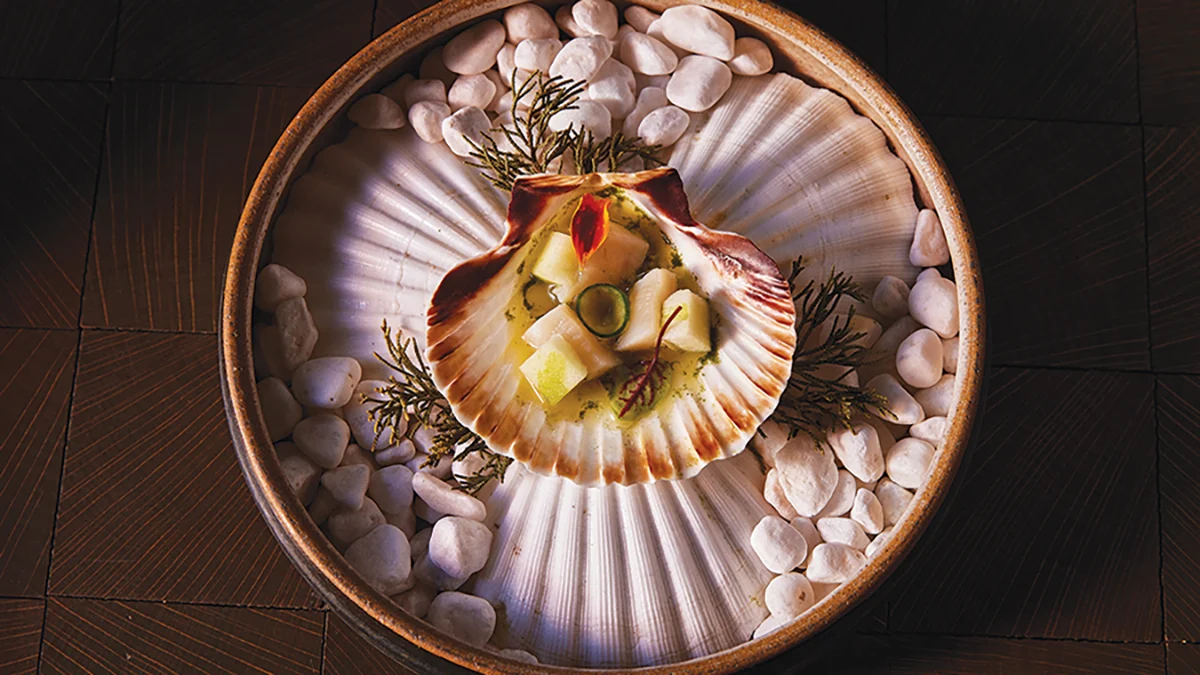
Ask a seasoned New Yorker to pinpoint the city’s premier fine-dining district, and you will rarely hear "Midtown." For decades, the neighborhood has been synonymous with the frenetic pace of corporate headquarters, towering glass skyscrapers, and the relentless churn of tourism. Yet, there is a singular, enduring exception to this culinary skepticism: sushi.
Midtown has served as the heartbeat of New York’s sushi culture since the 1970s. While the rest of the city’s dining scene has migrated toward the trendy enclaves of Brooklyn or the intimate bistros of the West Village, Midtown remains the undisputed heavyweight champion for high-end Japanese cuisine. Now, as we approach the final quarter of 2026, the neighborhood is preparing for a seismic shift. Three acclaimed chefs are set to debut new, ultra-exclusive omakase experiences, signaling a bold, luxurious evolution in the district’s identity. These newcomers will not only compete with one another but will also contend with an established pantheon of elite sushiya, including the legendary Michelin three-star temple, Sushi Sho.
The Omakase Evolution: A Shift in Culinary Philosophy
The surge of interest in omakase—a Japanese phrase meaning "I leave it up to you"—is not merely about the scarcity of seats. It represents a deeper desire for craftsmanship in an era of mass-market convenience.
"Midtown has been the city’s sushi heartbeat since the ’70s. What’s new is the specific, high-intensity omakase push," notes the anonymous author of Sushi Legend, an influential digital chronicle that tracks the movements of the maki and nigiri elite. "While the 2026 openings are undoubtedly exciting, there is a lingering sentiment among purists that we are moving away from the soulful, humble roots of the craft. If I could wave the Elder Wand, I’d trade some of these high-concept, chalkboard-menu omakase spots for more authentic, mom-and-pop okonomi shops. But the market is clearly demanding refinement and theater."

A Chronology of Anticipation: The 2026 Pipeline
The upcoming arrivals are anything but rustic. They are engineered for an era of hyper-curated dining, where the experience begins before the first piece of fish touches the tongue.
Mako: The Midwestern Precision
Hailing from Chicago, chef B.K. Park’s Mako is poised to bring a new level of precision to Shaver Hall, located in the historic former Lord & Taylor building. Having earned a Michelin star in 2020 for his Windy City original, Park is significantly narrowing his scope for the New York expansion. The Manhattan location will feature a 12-seat counter—a stark contrast to the 22-seat footprint in Chicago. The intent is clear: to deliver a more intimate, detail-oriented experience. Each of the two lead sushi chefs will oversee only six guests, allowing for a level of technical rigor that includes the use of two distinct types of rice to perfectly complement varying textures of fish. With entry points beginning at $350, Mako is positioning itself as a destination for the uncompromising connoisseur.
Kumiko Room: The Return to Simplicity
Across the street from the verdant escape of Bryant Park, Kumiko Room is preparing to open its doors. Named after the intricate style of Japanese wood assembly that defines its interior, this 14-seat sanctuary is under the guidance of longtime New York sushi stalwart Yoshihiko Kousaka.
Kousaka is taking a contrarian approach to the current market trend. "I decided to go back to the old style," Kousaka explains. In a culinary landscape obsessed with otsumami—the endless parade of small appetizers that often precedes the sushi—Kousaka is stripping the experience down. His $325 seasonal menu will be limited to three appetizers, followed by 10 to 14 pieces of pristine nigiri, a soup, and a single dessert. This focus on the "rice-and-fish" fundamental is a bold statement in a city where excess is often confused with quality.

Sushi Yoshitake: The Grand Debut
Perhaps the most anticipated opening is Sushi Yoshitake, situated just south of Central Park. Restaurateur Simon Kim describes the vision as "Japanese Edomae-sushi refinement meeting Gotham City’s sense of grandeur." This project marks a significant milestone: the first time a Michelin three-star sushi master from Japan has established a permanent, eponymous presence in New York.
Chef Masahiro Yoshitake, who has not worked in the city since 1989, describes himself as a "punk rocker at heart." His return to New York is less about legacy and more about curiosity. "After all these years, I can’t wait to see for myself how customers there today feel about sushi," he says. The collaborative spirit of the project is evident, as Kim aims to blend the rigorous standards of Edomae tradition with the unmistakable energy of the New York dining scene.
Supporting Data: The Infrastructure of Luxury
What makes these three openings particularly fascinating is their integration into larger, multi-concept ecosystems. They are not isolated gems; they are the crown jewels of major urban redevelopment projects.
- Shaver Hall (Mako): By utilizing the former Lord & Taylor building, Shaver Hall is positioning itself as a high-fashion, high-gastronomy hub.
- One Bryant Park: Restaurateur KwangHo Lee has curated an "Avengers of chefs" approach here. Alongside the Kumiko Room, he is relocating the celebrated Union Square kaiseki spot Kappo Sono and introducing a new Japanese tasting-menu concept.
- 550 Madison (Sushi Yoshitake): Simon Kim’s project at the former Sony Tower is an architectural and culinary marvel. The building—which once housed a private sushi retreat for Sony executives—will now feature Sushi Yoshitake, an outpost of the acclaimed Cote Korean Steakhouse, and a refined brasserie, Bar Chimera.
Official Responses and Culinary Philosophy
The architects of these projects view the "secretive" nature of these new sushiya as a key selling point. Each restaurant is designed to be slightly hidden, requiring patrons to navigate discreet elevators or unmarked doors, effectively separating the dining room from the bustling streets of Midtown.

"It’s about the journey," says Simon Kim. "You walk into 550 Madison, you have an expertly crafted martini at Bar Chimera, you head upstairs for the refined, quiet intensity of Sushi Yoshitake, and you cap the night with a DJ set in the basement. It’s one night, one location, but three distinct, high-level experiences."
This philosophy of "integrated exclusivity" suggests that these chefs understand the modern New York diner: someone who values the ease of a centralized location but demands the feeling of being "in the know."
Implications for the Future of Midtown Dining
The implications of this movement are significant. First, it cements Midtown’s status as a bastion of high-end, traditionalist sushi. While other neighborhoods might pivot toward fusion or casual "sushi-for-all" models, Midtown is doubling down on the $300+ price point and the rigorous, chef-led omakase experience.
Second, it reflects a shift in real estate strategy. Fine dining is no longer just a tenant; it is an amenity. By housing these elite restaurants within massive, multi-purpose buildings, developers are creating a "destination lifestyle" that appeals to the corporate elite and the luxury tourist alike.

Finally, the success of these venues will likely depend on whether they can strike a balance between the "theater" of fine dining and the actual soul of the cuisine. As Sushi Legend correctly identifies, the challenge for the next generation of Midtown chefs will be to ensure that the "chalkboard" of ingredients doesn’t overshadow the simple, profound joy of a piece of fish perfectly prepared.
As the leaves begin to turn and these doors open, one thing is certain: Midtown is no longer just a place to work. It is quickly becoming the most exclusive, high-stakes dining room in the world. Whether this will lead to a new golden age of sushi or a saturation of luxury remains to be seen—but for now, the city’s appetite for the perfect bite shows no signs of waning.
 Pevita Pearce
 Sagoh
Sagoh
 rifanmuazin
