

By Olivia Tauber | Updated September 11, 2026
Picture a traditional daytime college party—commonly known as a "darty." For decades, the scene has been reliably uniform: sprawling fraternity lawns packed with students, plastic cups brimming with inexpensive alcohol, thumping basslines echoing from oversized speakers, and the chaotic energy of weekend afternoon liberation.
Now, swap out the red Solo cups for stainless-steel tumblers of ceremonial-grade matcha. Replace the bodies crammed onto sticky patio furniture with rows of color-coordinated yoga mats neatly aligned on the grass. Instead of a beer pong table, imagine an ice bath installation and portable saunas.
Welcome to the era of the "wellness darty."
Across major campuses in the United States—ranging from the University of Miami and the University of Florida to Florida State University, Syracuse University, and the University of Alabama—a new breed of daytime social gathering is taking root. Organized by campus fitness and lifestyle groups, these events marry the community-building aspects of college social life with the rigorous rituals of modern wellness culture. While music still plays and hundreds of students still turn out to mingle, alcohol has taken a backseat to group runs, mat Pilates, cold plunges, and post-workout coffee runs.
For older generations, the trend has triggered widespread bewilderment, internet jokes, and existential memes. Yet for Generation Z, the wellness darty represents a natural evolution of a social ecosystem that increasingly prioritizes health, mindfulness, and balance without sacrificing community.

The Main Facts: Anatomy of a New Campus Phenomenon
The blueprint of the modern wellness darty is precise, heavily aestheticized, and deeply rooted in digital culture. Rather than spontaneous outbreaks of daytime drinking, these events are meticulously organized by regional and campus-based wellness collectives.
Key players include organizations like Peak Pulse, a Florida-based wellness community founded by Aydan Child, and Sweat & Soak, which has spearheaded similar gatherings for University of Alabama students. Meanwhile, chapters of The Wellness Society have utilized fraternity properties—such as Syracuse University’s DKE house—to host outdoor mat Pilates classes directly on front lawns.
At a typical wellness darty, the itinerary might feature:
- A structured group run or brisk outdoor walk.
- Guided mat Pilates or yoga sessions led by student or local instructors.
- Alternative recovery stations, including mobile ice baths, cold plunges, and saunas.
- Hydration and social hours fueled by matcha lattes, specialized coffees, and functional beverages rather than spiked seltzers.
The phenomenon caught fire online after Aydan Child posted a TikTok video capturing hundreds of students gathered outside a University of Florida fraternity house for a morning workout session. The viral video, overlaid with the text, "Imagine explaining a wellness darty to someone who went to college in 2012," quickly amassed millions of views and prompted lighthearted panic across social media. Hard seltzer brand White Claw captured the internet’s disbelief in the comments section, writing, "I just broke out in hives."
Chronology: From Digital Aesthetic to Fraternity Lawns
The roots of the wellness darty do not emerge in a vacuum; they are the physical manifestation of lifestyle content that has dominated Gen Z’s digital diets for years.
- Mid-to-Late 2010s: The digital wellness boom begins. Influencers popularize the "clean girl" aesthetic, matching workout sets, and meticulously documented morning routines featuring high-end skincare, under-eye patches, and post-Pilates matcha runs.
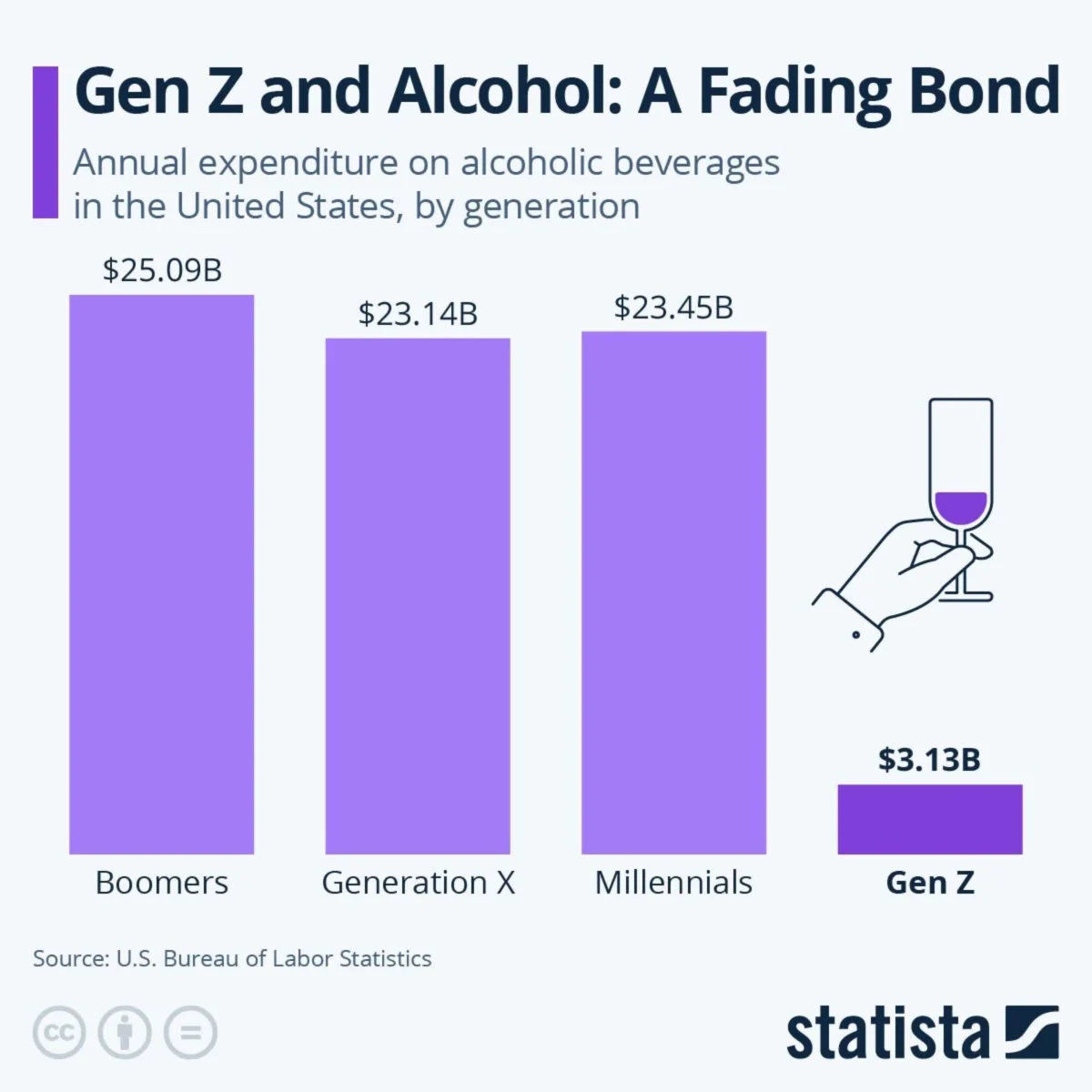
- 2021–2023: Cultural shifts regarding alcohol consumption accelerate rapidly. Surveys from Gallup and other research bodies document a steady, multi-year decline in drinking among young adults under 35. Terms like "sober curious" enter the mainstream lexicon.
- 2024–2025: The intersection of fitness and socialization gains commercial momentum. According to industry reports from McKinsey, Gen Z and millennials cement themselves as the primary financial drivers of the global wellness economy, spending disproportionate amounts on fitness, recovery, and lifestyle modifications.
- Early 2026: "Soft clubbing" experiences—such as morning raves, coffee clubbing, and social sauna events—explode in popularity globally. Eventbrite data reveals triple-digit percentage increases in attendance for alternative, alcohol-free social events.
- Fall 2026: Wellness darty culture transitions from niche urban run clubs to the heart of Greek life and campus culture. Organizations like Peak Pulse and Sweat & Soak successfully execute dozens of large-scale wellness gatherings across southern and northeastern universities, forcing a public reckoning over what college weekends are "supposed" to look like.
Supporting Data: The Numbers Behind the Shift
The emergence of the wellness darty is backed by hard data charting Gen Z’s fundamentally altered relationship with alcohol, fitness, and socialization.

According to a landmark 2023 Gallup survey, the proportion of adults aged 18 to 34 who report drinking alcohol fell from 72 percent in the early 2000s to 62 percent in the early 2020s. Furthermore, over half of Gen Z respondents (52 percent) considered moderate drinking to be unhealthy, a sharp increase from 34 percent just five years prior. This trend is not isolated to the U.S.; international studies document parallel declines in youth and young adult drinking across England, Sweden, Australia, and Iceland.
Research into why young people are abstaining highlights a confluence of financial, social, and health motivations:
- Economic Pressures: Studies of young adults in the U.K. and U.S. point to the rising cost of living and the financial burden of purchasing alcohol at bars and venues.
- The Fear of Digital Exposure: As historian Malcolm Purinton noted in interviews with regional media, young people are acutely aware of the permanence of the internet. The risk of going viral for unwanted public intoxication during formative years drives many to exercise caution.
- Fitness as a Core Identity: McKinsey’s wellness reports indicate that 56 percent of U.S. Gen Z consumers view fitness as a "very high priority," significantly outpacing the general population. Moreover, Gen Z and millennials account for more than 41 percent of total U.S. wellness spending despite making up only 36 percent of the adult demographic.
Conversely, alternative social formats are thriving. Eventbrite data notes a 20 percent year-over-year rise in morning raves, while coffee clubbing events have skyrocketed by 478 percent, and sauna and ice bath gatherings are up 256 percent.
Official Responses and Perspectives: Campus Voices and Internet Debates
Reactions to the wellness darty trend reveal a fascinating cultural friction between generations, as well as nuanced perspectives from the students navigating these spaces firsthand.
The Student Perspective
For the undergraduates organizing and attending these events, the wellness darty solves a very modern social dilemma: how to build community and meet new people without the social lubricant of alcohol, which can often feel intimidating or inaccessible.
University of Alabama sophomore Riley Meyer, who helped facilitate a Sweat & Soak activation, spoke candidly about the generational struggle with face-to-face interaction. "I think my generation… does have a problem with socialization, especially without the context of alcohol at a party," Meyer told USA Today. "When you have an activity built in, it gives you something to do."

Crucially, students emphasize that wellness darties are not puritanical substitutes meant to replace traditional nightlife entirely, but rather an additive experience. Meyer and her peers note that attending a morning run club or Pilates session on a Saturday does not preclude them from going out later that evening.
Aydan Child, founder of Peak Pulse, echoes this sentiment. Operating as a sober individual, Child points out that events can bridge multiple worlds—some even conclude near social venues where coffee and matcha are heavily promoted alongside traditional beverages. Recent industry data from the IWSR in mid-2026 suggests that while abstention trends remain strong, roughly 74 percent of Gen Zers still report having had an occasional drink over a six-month period, pointing toward a flexible, balanced approach rather than strict prohibition.
The Internet Backlash and Defense
Online, the response has been a polarized mixture of mockery, nostalgia, and psychological analysis.
Critics on platforms like X (formerly Twitter) have lambasted the aesthetic, with viral posts calling the footage "truly bone chilling" or asking why modern college students are "cosplaying as 30-something matcha/pilates/corporate warriors." Older alumni often express nostalgic attachment to traditional college partying as a sacred rite of passage defined by spontaneity, emotional self-discovery, and, frankly, messiness.
Conversely, defenders of the trend push back against the criticism. Many users online have questioned why an initiative aimed at health, sobriety, and community-building attracts such vitriol. "Isn’t trying to be more health-conscious a generally GOOD thing?" one viral poster asked.
Meanwhile, more contemplative digital commentators have diagnosed the trend through the lens of modern anxiety and optimization culture. Some critics suggest that Gen Z’s hyper-fixation on wellness points to a darker reality: the pressure to optimize every waking hour, leaving little room for unstructured imperfection or youthful missteps.

Broader Implications: What the Wellness Darty Means for the Future
The endurance of the wellness darty holds significant implications for multiple industries, from higher education and event planning to commercial real estate and the beverage sector.
- The Evolution of Campus Greek Life: Fraternity and sorority organizations, long criticized for exclusionary practices and alcohol poisoning incidents, are discovering that hosting wellness events enhances their public relations, broadens their recruitment appeal, and aligns with institutional safety goals. Opening lawns to fitness communities allows Greek houses to rebrand as community hubs rather than party dens.
- Shifts in the Hospitality and Beverage Sectors: Bars, clubs, and event organizers are being forced to adapt. The massive spike in "soft clubbing" metrics signals that venues failing to offer sophisticated non-alcoholic drink menus, daytime programming, or interactive activity-based events risk alienating a lucrative demographic.
- The Quest for Connection: Ultimately, the wellness darty underscores a profound human need for shared ritual. In an era marked by digital isolation and rising loneliness metrics among young adults, the format provides a low-stakes, accessible entry point for community formation.
Whether the "wellness darty" remains a dominant campus fixture or evolves into another iteration of youth culture, its rise offers a clear window into the mindset of Generation Z: a generation determined to forge new paths to joy, connection, and vitality—even if it means trading their beer bongs for cold plunges.
 Muslim
 Iffa Jayyana
 Layla Zulfa
