NEW YORK — Spanning more than a century of visual history, resistance, and cultural expression, a landmark exhibition is currently reshaping the conversation around graphic design in the United States. Designed to Be Red: Native American & Indigenous Poster Works, on view at Poster House in New York City through February 21, 2027, confronts historical erasures head-on by centering the vitality, innovation, and ongoing contributions of Native and Indigenous designers.
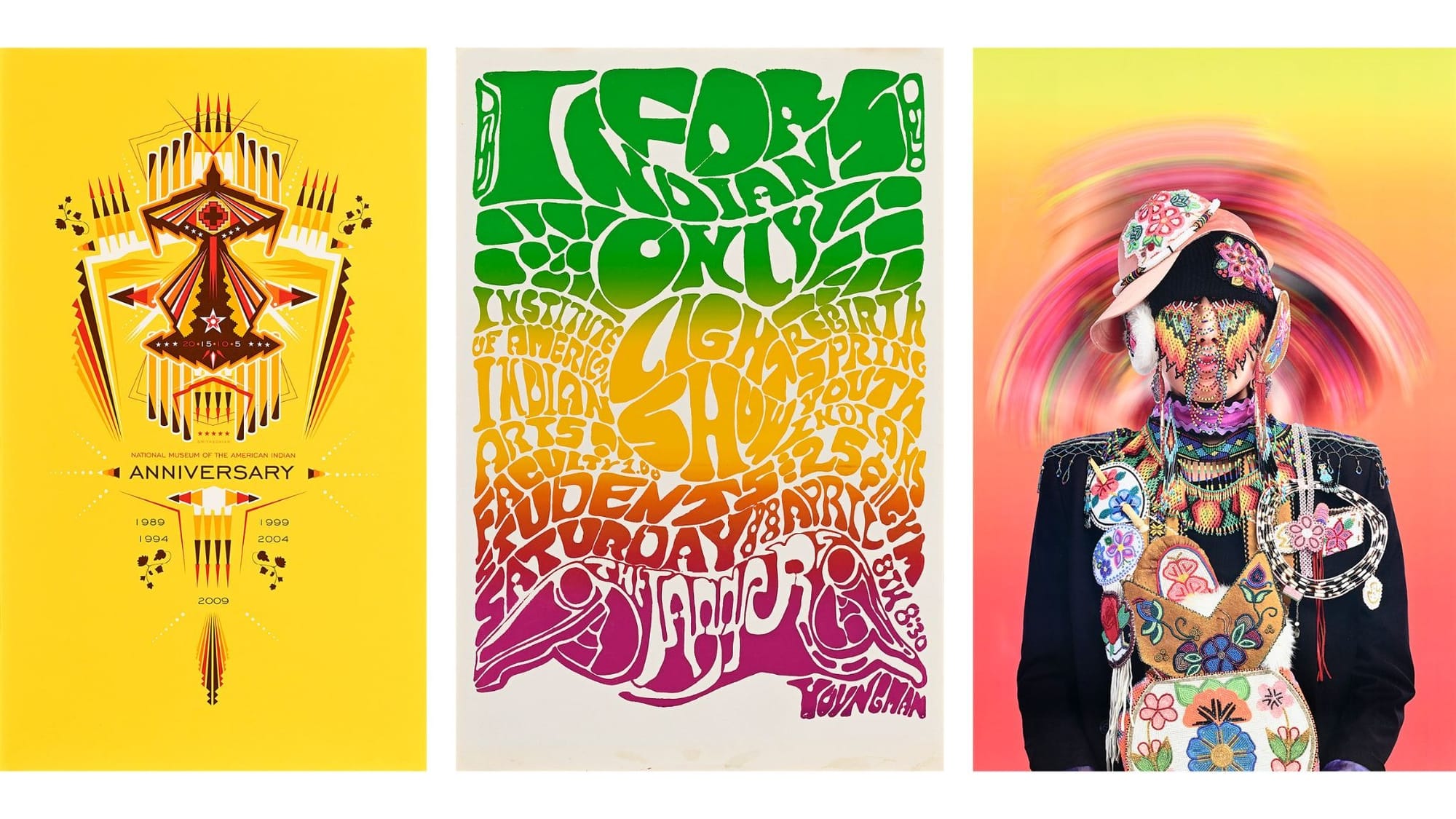
Curated by Brian Johnson of the Monacan Indian Nation, the exhibition challenges deeply entrenched colonialist narratives that have historically relegated Native visual culture to ethnographic artifacts or static historical relics. Instead, Designed to Be Red presents a dynamic, living timeline of graphic art that proves Indigenous perspectives have always been central to the medium—from psychedelic poster art and powerful political protest materials to public service announcements, pop culture tributes, and celebrations of modern Indigenous joy.
Main Facts
Exhibition Designed to Be Red: Native American & Indigenous Poster Works
Location: Poster House, New York City
Dates: On view through February 21, 2027
Curator: Brian Johnson (Monacan Indian Nation)
Scope: Covers over 100 years of visual history, featuring works from historical political movements, contemporary artists, and cultural campaigns.
Companion Release: An expanded text authored by Johnson, titled Designed to Be Red: Native American & Indigenous Graphic Works, is available at the museum’s shop.
Featured Artists: Kent Monkman, Jeffrey Gibson, SIYO-WIN (Lauren S. Peters), Joseph "Indian Joe" Morris, Ryan Red Corn, Alfred Young Man, Dana Claxton, Monique Ortman, Rocky Fiddler, Warren Montoya, Jaclyn Roessel, Jimmy Dean Horn, Christi Belcourt, and Isaac Murdoch, among others.
Chronology: From a 2022 Lecture to a Multi-Year Exhibition
The trajectory of Designed to Be Red traces a direct path from academic inquiry to institutional recognition, mapping out a multi-year creative endeavor driven by representation and self-determination.
November 2022: The Catalyst
The foundational spark for the exhibition occurred in November 2022, when designer and researcher Brian Johnson delivered a specialized lecture titled “Posters That Sing: Notes on Indigenous Poster Design” at Poster House in Manhattan. The lecture explored the overlooked legacy of Native visual communication, highlighting how Indigenous communities utilized posters to organize, inform, and inspire. The reception of the talk exposed a glaring gap in mainstream design education and museum programming, prompting leadership at Poster House to invite Johnson to curate a comprehensive show for the institution.
2023–2025: Research, Curation, and Archival Discovery
Following the invitation, Johnson embarked on an extensive multi-year curatorial process. Sifting through archives, private collections, institutional holdings—such as the Institute of American Indian Arts (IAIA) Archives in Santa Fe, New Mexico—and works directly from contemporary artists, Johnson began building a cohesive framework. The research required navigating decentralized archives where Indigenous graphic works were often scattered or misclassified under general anthropological categories rather than recognized as intentional graphic design.
September 2026: Exhibition Launch and Publication
Designed to Be Red officially opened to the public, accompanied by the release of Johnson’s expanded companion book, Designed to Be Red: Native American & Indigenous Graphic Works. The launch marked a watershed moment for Poster House, introducing an unprecedented depth of Native-led visual history to a major metropolitan museum audience.
Through February 2027: A Long-Term Engagement
Scheduled to run an extended multi-year engagement through February 2027, the exhibition allows ample time for educators, students, designers, and the general public to engage with a body of work historically omitted from traditional design curricula.
Supporting Data and Exhibition Structure
Designed to Be Red is structured into five thematic sections that guide the viewer through complex historical realities, artistic triumphs, and systemic critiques:
Indigenous Joy: Highlights contemporary Native life, resilience, and cultural celebration, featuring upbeat and vibrant campaigns such as a 1990s census drive and Indigenous tributes to modern pop culture phenomena like the Marvel Cinematic Universe.
Creative Sovereignty: Focuses on self-representation, institutional autonomy, and the reclamation of narrative spaces by Native creators.
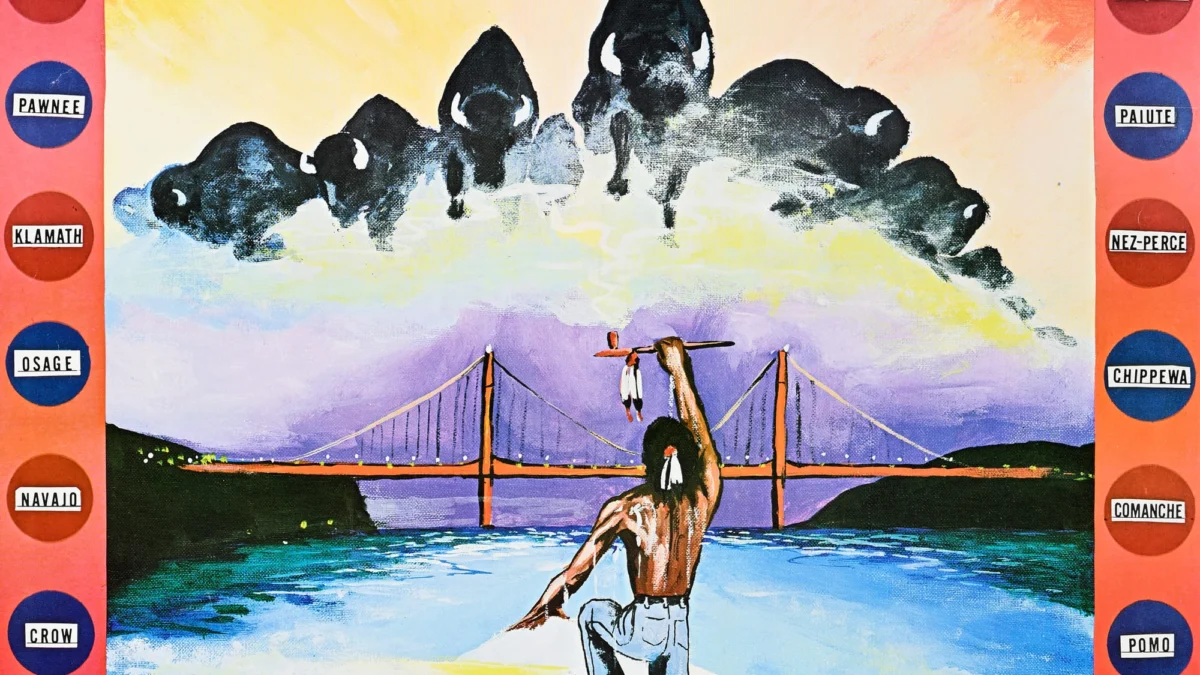
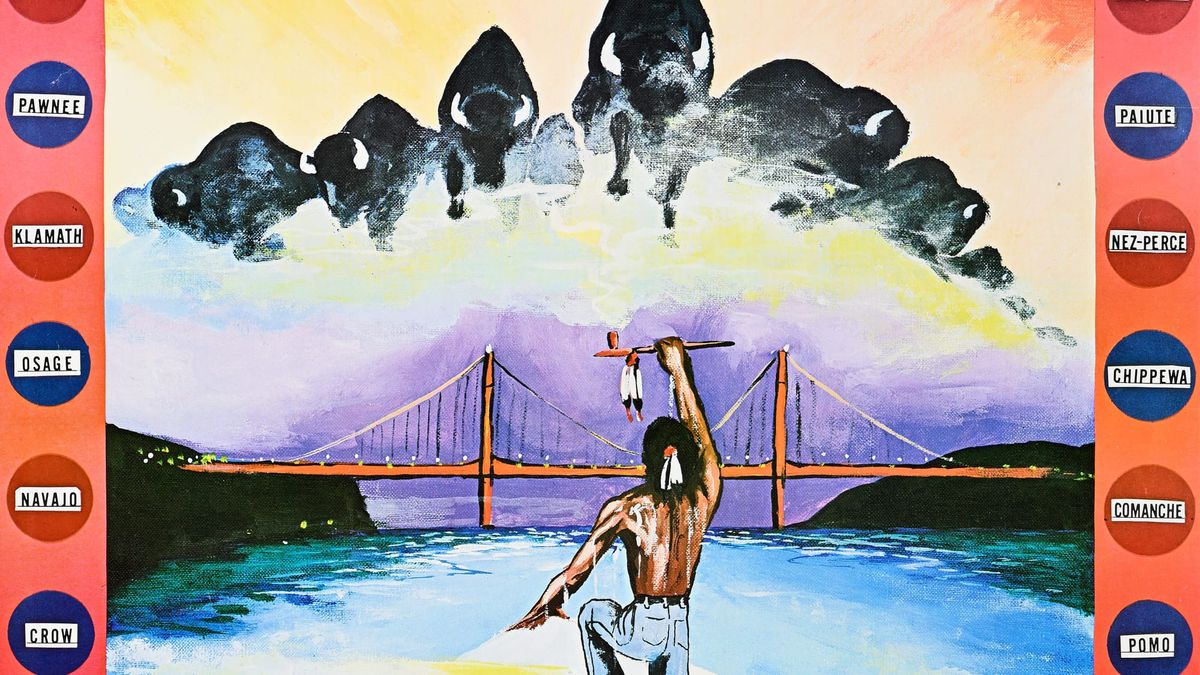
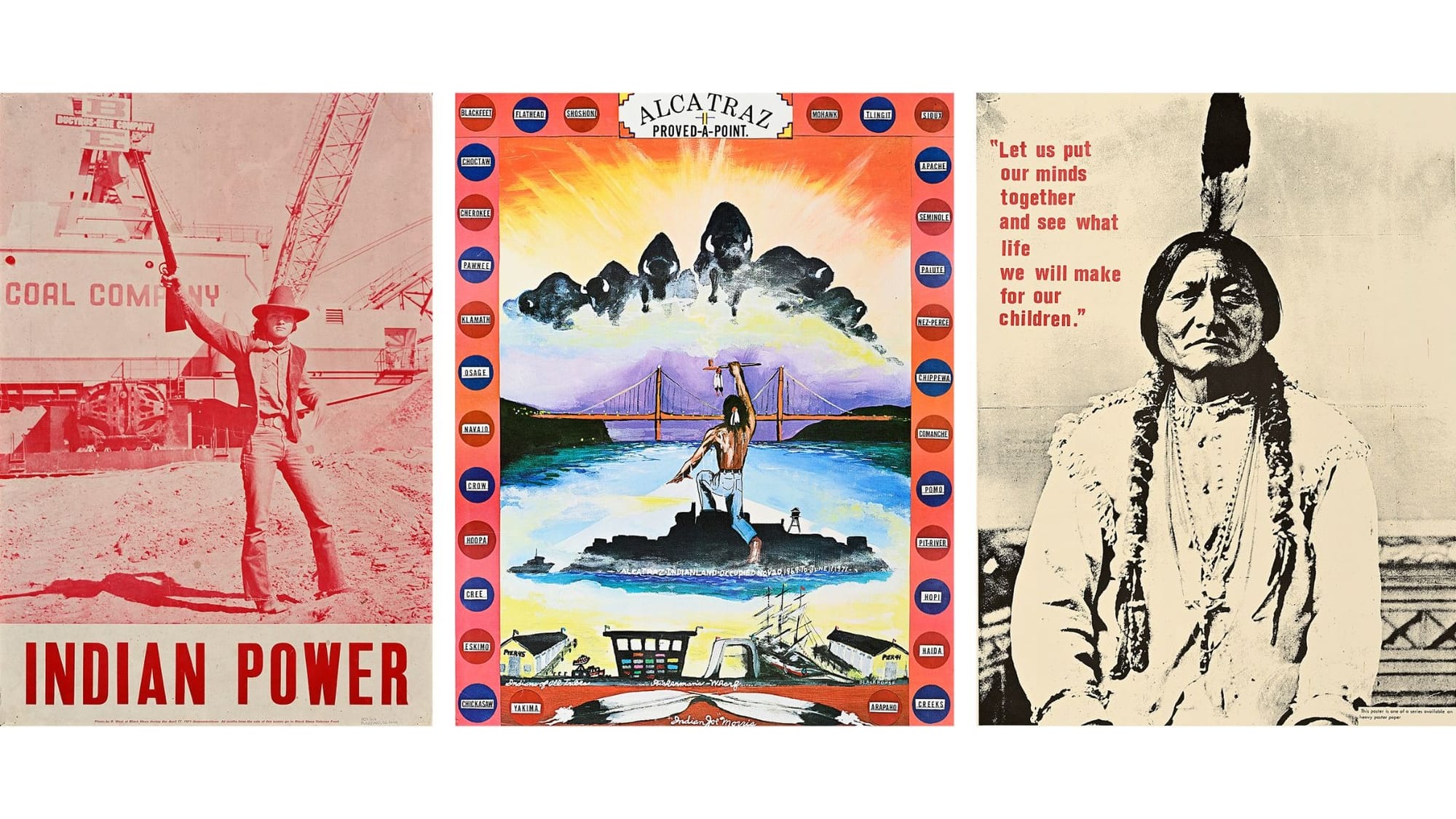
Resistance and Protest: Documents visual organizing tools from pivotal historical and modern movements, including a stretched animal hide inscribed with the Proclamation for the Indian Occupation of Alcatraz (c. 1972), materials from the 2016 Dakota Access Pipeline protests at Standing Rock, and awareness campaigns addressing the crisis of missing and murdered Indigenous women (MMIW).
It’s Complicated: Explores nuanced intersections of identity, modern assimilation, and cultural navigation within dominant Western structures.
Extractive Marketing: A purposefully isolated zone examining mainstream, often problematic tropes, including the infamous 1971 "crying Indian" television public service announcement.
The motivation behind Designed to Be Red stems from a systemic absence of educational resources for younger generations of Native creatives. Curator Brian Johnson noted the recurring inquiries he received from students entering the field:
"Native students and friends ask me, ‘Where are our books? What works should drive and inspire my practice?’ This exhibition is my answer."
Johnson has been vocal about the historical compartmentalization of Native art within Western cultural institutions, emphasizing that the framing of Indigenous people exclusively as historical figures is a deliberate political mechanism:
"Until recently, we were seen primarily as craft makers and ethnographic objects. This show stands out because Native Americans are still here. We are designing."
Expanding on the danger of chronological confinement, Johnson underscored how dominant societies weaponize grammar and museology against Indigenous populations:
"The past tense is a weapon deployed to consign us to museum dioramas."
Implications for the Design Industry and Cultural Institutions
The launch of Designed to Be Red carries significant implications for graphic design history, pedagogy, and museum curation practices:
Rewriting Design History
Mainstream graphic design textbooks have historically centered European and American modernism—spanning movements from the Bauhaus to Swiss International Style—while overlooking parallel, politically charged, and visually sophisticated movements driven by Indigenous communities. By documenting over a century of Native poster works, Johnson’s exhibition and companion text force a structural expansion of what constitutes the canon of graphic design.
Shifting Museum Methodologies
The spatial design of the exhibition offers a masterclass in curatorial ethics. By cordoning off the "Extractive Marketing" section—which features exploitative and paternalistic mainstream imagery, such as the 1971 "crying Indian" ad—and deliberately redirecting viewers back toward "Indigenous Joy," the exhibition refuses to allow colonial pain to define the entirety of Native existence. This layout prevents trauma tourism and instead centers Indigenous agency, humor, autonomy, and futurity.
Inspiring Future Generations
For Indigenous students and emerging designers navigating an industry historically lacking in representation, Designed to Be Red provides a visible, tangible lineage. It establishes that graphic design is not merely a tool adopted from Western institutions, but a medium through which Native sovereignty, survival, and cultural expression have been actively asserted for generations.
Designed to Be Red: Native American & Indigenous Poster Works remains on view at Poster House through February 21, 2027. Further information, ticket reservations, and exhibition programming schedules can be found at posterhouse.org.



 Sagoh
Sagoh
 Muslim
 Dwi Wanna
